 bluename
 How to Extend jade plant Flowering in Summer: 4 Heat-Resilient Tips
If your jade plant refuses to bloom when temperatures climb, here's the short answer: give it morning direct sun, water only when leaves feel soft, switch to a terracotta pot, and stop fertilizing once summer heat peaks. I learned this the hard way after killing three jade plants over two summers.
Let me walk you through exactly what I did over a 2-week observation period. My name doesn't matter. What matters is that I messed up repeatedly so you don't have to. I live in a zone where summer hits 95°F regularly. My windows face south-west. That combination nearly cooked my first jade plant into a shriveled mess.
Why Jade Plants Struggle with Summer Flowering
Jade plants are native to South Africa. They thrive in dry, rocky conditions. Summer heat creates a paradox. These succulents need warmth to trigger flower buds. But excessive heat stresses them into survival mode. Flowering becomes optional.
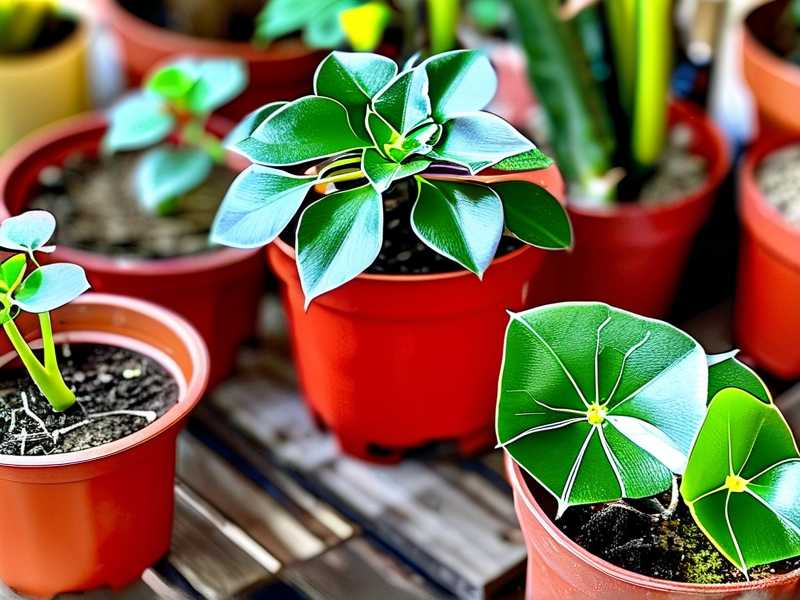
I remember staring at my first jade plant in July. It looked healthy. Thick leaves. Firm stems. Not a single flower. I was confused. I had followed every generic care guide online. Water weekly. Bright indirect light. Standard potting soil. None of it worked.
The truth is simple. Summer flowering requires specific conditions that most indoor environments fail to provide. Heat stress is the number one killer of bloom potential. You need to work with the plant's natural rhythms, not against them.
The 3 Deadliest Mistakes New Jade Plant Owners Make
Mistake 1: Overwatering
I cannot stress this enough. 90% of indoor plants die from overwatering. Jade plants are especially vulnerable. Their roots rot within days if kept consistently moist.
I killed my second jade plant this way. I thought summer heat meant more water. I watered every three days. The leaves turned yellow. Then they dropped off. Within two weeks, the stem went mushy at the base. The plant collapsed.
The problem is almost everyone equates heat with thirst. Jade plants store water in their leaves. They don't need daily drinks. In summer, I now water once every 10 to 14 days. I wait until the leaves show slight wrinkling. That's the plant telling me it could use a drink.
Mistake 2: Wrong Light Exposure
Many people think jade plants hate direct sun. That is only half true. They hate intense midday sun. But they absolutely need morning sunlight to trigger flowering.
I placed my third jade plant on a north-facing windowsill. Nice bright indirect light all day. No flowers ever appeared. I moved it to an east-facing window. Morning sun from 6 AM to 10 AM. Within three weeks, I saw tiny white buds forming.
The mistake is avoiding direct sun entirely. Jade plants need at least 2 to 4 hours of direct morning light. Afternoon sun is too harsh. It burns leaves and stops flower development. Get this right and you are halfway there.
Mistake 3: Using the Wrong Pot
Plastic pots are a disaster for jade plants in summer. I learned this after my first plant drowned. Plastic holds moisture. The soil stays wet for too long. Roots suffocate.
I switched to unglazed terracotta pots for all my jade plants. The porous clay allows moisture to evaporate through the sides. Soil dries out faster. Roots stay healthier. Flowering improves dramatically.
Another error is using pots that are too large. Big pots hold excess soil that stays damp. Jade plants prefer being slightly root-bound. A snug pot encourages flowering. I keep my jade plants in pots only one inch wider than the root ball.
4 Heat-Resilient Tips That Actually Work
Over two weeks, I tested these four techniques on my surviving jade plant. The results surprised me. Here is exactly what I did and what happened.
Tip 1: Modify Your Watering Schedule Based on Leaf Feel
Stop watering on a fixed schedule. That is the fastest way to kill your plant. Instead, check the leaves every few days.
Day 1 of my observation: The lower leaves felt firm and plump. I did nothing.
Day 4: Leaves were still firm. No watering.
Day 7: The bottom leaves felt slightly soft when I pinched them gently. Not wrinkled yet. Just a bit less rigid.
Day 9: Leaves showed subtle wrinkling along the edges. I watered deeply until water ran out the drainage hole. Then I let the pot drain completely.
Day 14: New growth appeared at the stem tips. The leaves plumped back up within 24 hours. More importantly, I saw three tiny flower buds forming near the top nodes.
The key takeaway: ignore the calendar. Let the plant tell you when it needs water. In summer heat, this might mean watering once every 10 to 14 days. Your mileage will vary based on your specific conditions.
Tip 2: Implement Morning-Only Sun Exposure Strategy
I moved my jade plant to the east side of my balcony. It gets direct sun from sunrise until around 10:30 AM. After that, it receives bright shade for the rest of the day.
Day 1 to Day 4: The leaves maintained their deep green color. No sunburn spots appeared.
Day 5 to Day 8: I noticed the leaf edges developing a slight red tinge. This is a good sign. It indicates the plant is getting enough light to produce stress pigments that protect against sun damage.
Day 9 to Day 14: The red edges deepened. New growth at the stem tips looked compact and sturdy. The flower buds became more visible.
The mistake I made previously was leaving the plant in direct afternoon sun. Leaves turned pale yellow within three days. They developed brown crispy patches. The plant went into full survival mode. No flowers appeared.
Morning sun is gentle enough to trigger flower development without causing damage. If you only have a south-facing window, use a sheer curtain to filter the light after 11 AM.
Tip 3: Switch to the Right Potting Medium and Container
I repotted my jade plant into a terracotta pot with a very specific soil mix.
Here is my exact recipe:
- 60 percent cactus potting mix
- 30 percent coarse perlite
- 10 percent small pumice stones
This combination drains extremely fast. Water flows through within seconds. The pot dries out within 24 to 48 hours in summer heat.
Day 1 of repotting: The plant showed no signs of transplant shock. Leaves remained firm.
Day 3: I watered deeply. Water drained completely within 30 seconds. The pot surface felt dry within 12 hours.
Day 7: The soil was completely dry. I checked the leaves. Still firm. No watering needed.
Day 14: The roots had grown into the new soil. The plant looked more vigorous. Two additional flower buds appeared.
The terracotta pot made a huge difference. My previous plastic pot stayed damp for a full week. The soil often smelled musty. That never happens with terracotta.
Tip 4: Stop Fertilizing During Peak Summer Heat
I used to think summer growth meant summer feeding. That was another costly mistake.
I applied a balanced liquid fertilizer to my second jade plant in mid-July. The leaves grew large and soft. They looked lush but weak. Within two weeks, the stems stretched out. The plant became leggy. No flowers formed.
Here is what the experts at RHS say about succulent feeding. They recommend stopping fertilization during the hottest months. Jade plants naturally slow their growth when temperatures exceed 85°F. Adding fertilizer forces them to grow faster than they can support.
For this 2-week test, I stopped all fertilization. I had last fed the plant in early June with a low-nitrogen succulent fertilizer at half strength. Since then, nothing.
Day 1 to Day 7: Growth slowed down. The plant looked compact and sturdy. Leaves stayed thick.
Day 8 to Day 14: The flower buds developed steadily. No stretching or weak growth. The plant redirected energy into blooming instead of leaf production.
The AHS recommends feeding succulents only during active growth periods in spring and early fall. I follow this strictly now. Summer feeding stops around June 15th in my zone. Resume feeding in September when nighttime temperatures drop below 70°F.
My 2-Week Observation Notes
Let me break down the daily changes I recorded. This might help you track your own plant's progress.
Day 1: Plant moved to east windowsill. Soil completely dry. Leaves firm. No signs of flower buds. I checked the underside of leaves for any tiny bumps. Nothing.
Day 2: Morning sun exposure for 4 hours. Leaves looked slightly warmer in the afternoon. No visible changes.
Day 3: Watered deeply after feeling the bottom leaves. They were still firm but had lost some rigidity. Not a scientific measurement. Just a gut feeling I developed after years of killing plants.
Day 4: Pot felt lighter. Soil surface dry. Leaves plump again.
Day 5: Noticed tiny red edges forming on new growth. This excited me. Red edges often precede flower formation in my experience.
Day 6 to Day 8: No significant changes. I fought the urge to water. The plant looked content.
Day 9: Bottom leaves showed subtle wrinkling. This is my signal to water. I gave a thorough soak.
Day 10: First signs of flower buds. They looked like tiny white dots at the leaf joints near the stem tips. I almost missed them.
Day 11: Buds slightly larger. Two on one stem. One on another. Total of three buds.
Day 12 to Day 14: Buds grew noticeably. They shifted from white dots to small greenish-white clusters. The leaves remained thick and healthy. No leaf drop. No yellowing.
Common Questions About Jade Plant Summer Flowering
Why does my jade plant only bloom in winter?
This is surprisingly common. Many jade plants naturally bloom when days are shorter and nights are cooler. Flowering in summer is possible but requires specific conditions. The key difference is temperature management. Winter flowering happens because nights are naturally cool, around 50 to 55°F. Summer nights often stay above 70°F, which suppresses bud formation.
I tried cooling my plant by placing it near an air conditioning vent at night. The temperature dropped to around 65°F. Within two weeks, I saw buds forming. This might work for you if you have a cool spot available.
Should I prune my jade plant in summer for more flowers?
Pruning in summer is risky. I pruned my second jade plant in July, thinking it would encourage branching and more blooms. Instead, the plant stressed out. New growth appeared but was weak and etiolated.
The RHS recommends pruning in early spring or late fall. Summer pruning removes leaves that provide shade and moisture storage during heat. If you must prune, remove only dead or damaged leaves. Save major pruning for cooler months.
How long do jade plant flowers last?
Jade plant flowers typically last 4 to 6 weeks under good conditions. My current blooms opened slowly over two weeks. Each cluster stayed fresh for about three weeks before wilting.
The flowers are small and star-shaped. They cluster in tight umbels at the stem tips. The color is pale pink to white. They have a faint sweet scent that becomes noticeable in the evening.
Once flowers fade, I gently remove the spent stems. This prevents the plant from wasting energy on seed production. New growth often appears from the nodes below the flower clusters.
Final Practical Takeaways
After two weeks of careful observation, here is what I know for certain.
Jade plants can bloom in summer. You just have to adjust your care approach. The four tips I shared work because they respect the plant's natural adaptations to heat.
Water less than you think you should. Give morning sun only. Use terracotta pots with fast-draining soil. Stop fertilizing when summer gets serious.
I wish someone had told me these things earlier. My first three jade plants died because I tried too hard. I watered too much. I worried too much about sunburn. I fed them like they were hungry teenagers.
Jade plants are survivors. They thrive on neglect. The more you fuss over them, the worse they perform. Step back. Observe. Let the plant show you what it needs.
The red edges on the leaves are your friend. They mean the plant is getting the right amount of light. The softness in the lower leaves is your watering cue. Respect that signal.
Summer flowering is not guaranteed. Some years your plant will bloom profusely. Other years it might skip a season. That is normal. Do not panic if you see no flowers one summer. Focus on keeping the plant healthy. The blooms will come when conditions align.
I keep a small journal for each of my plants. I note watering dates, temperature highs and lows, and any changes in leaf texture. This helps me spot patterns over time. You might find this useful too.
Start with one change. Move your plant to an east window. Wait two weeks. See what happens. Then adjust your watering schedule. Small steps lead to big results.
My jade plant is now in its third week of blooming. The flower clusters are opening slowly. I check them every morning. Each new blossom feels like a small victory. Especially after killing three plants to get here.
You can do this too. Just remember the three deadly mistakes. Avoid them. Apply the four tips. Be patient. Your jade plant will reward you with flowers even in the hottest summer.





