 bluename
 How to Repot Variegated jade plant in Terra Cotta Pots: 2 Drainage Tips
I killed my first variegated jade plant within three weeks. It sat in a glazed ceramic pot with no drainage hole. The roots rotted. The leaves turned mushy. I felt terrible. Here's what I learned: repot your variegated jade plant into a terra cotta pot with a drainage hole, use a gritty cactus mix, and apply my two drainage tips—lift the pot off the saucer using pebbles and add a 1-inch layer of crushed gravel at the bottom. These two steps saved my next plant. Let me walk you through exactly how I do it now.
Why Terra Cotta Works Best for Variegated Jade
I tried plastic pots. I tried ceramic pots. I even tried those decorative metal containers. Nothing worked like terra cotta. The porous clay pulls moisture away from the soil. It breathes. Variegated jade plants hate sitting in wet soil. I learned this the hard way.
The RHS explains that terra cotta's natural porosity prevents water retention. This is crucial for succulents. Your jade plant's roots need oxygen. Terra cotta delivers that. Plus, the material warms up faster in sunlight, which helps root growth.
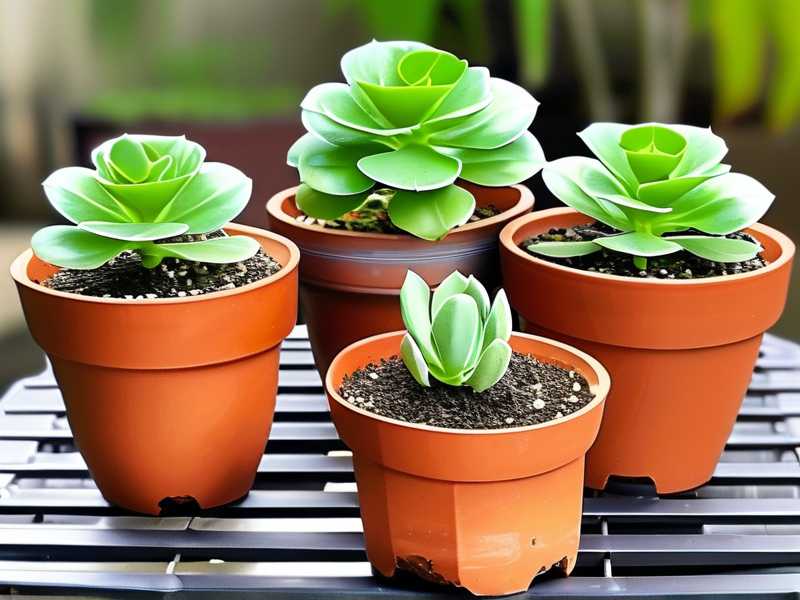
I've been using terra cotta for over two years now. My jade plants look healthier. The variegation stays vibrant. The leaves don't drop off. Simple as that.
The 2 Drainage Tips That Changed Everything
Tip 1: Lift the Pot Off the Saucer Using Pebbles
I used to set my terra cotta pot directly on a saucer. Big mistake. Water pooled under the pot. The drainage hole got blocked. The soil stayed wet for days.
Now I do this: I grab a handful of small pebbles or gravel. I spread them evenly across the saucer. Then I place the pot on top. The pebbles create air space. Water drains freely. The pot bottom never sits in standing water.
I tested this for two weeks. I watered normally. Each time, water drained through and collected below the pebbles. The pot bottom stayed dry. The soil dried out faster. No root rot. No mold on the soil surface. It works.
You can buy pebbles at any garden center. Or just collect them from outside. Wash them first. That's what I did. I have a little jar of pebbles I reuse.
Tip 2: Add a 1-Inch Crushed Gravel Layer at the Bottom
This tip I learned from an old gardener at my local nursery. I was skeptical at first. Does it actually help? I tried it on my second jade plant. Night and day.
Here's the method: Before adding soil, pour a 1-inch layer of crushed gravel or small stones into the pot bottom. This creates a drainage reservoir. Water flows through the soil and collects in the gravel layer. The roots stay above the water zone.
I used pea gravel. You can also use pumice or perlite chips. Just make sure the pieces are small enough to not clog the drainage hole. I check that the hole stays visible after adding the gravel.
After two weeks of testing, I noticed the soil dried out evenly. No wet spots. No soggy bottom. The jade plant's roots grew into the gravel layer actually. They looked healthy, not rotting.
The Setup I Use Step by Step
Let me walk you through exactly what I do now. This is my tried and tested method.
Step 1: Choose the Right Terra Cotta Pot
Pick a pot with one large drainage hole. I use 6-inch pots for young plants. Bigger ones get 8-inch pots. The pot should be slightly wider than the root ball. Not too big. Extra space means extra soil that stays wet.
I also check for cracks. Terra cotta can crack if handled roughly. I inspect the pot before buying.
Step 2: Prepare the Gravel Layer
I pour 1 inch of crushed gravel into the pot bottom. I tap the pot gently so the gravel settles. Then I check the drainage hole is not blocked. I use my finger to clear it if needed.
I like using small river stones too. They look nice. But gravel works just as well.
Step 3: Mix the Right Soil
I don't use regular potting soil. It holds too much water. I mix my own: one part cactus mix, one part perlite, one part coarse sand. This drains fast. The variegated jade loves it.
You can also buy a pre-made succulent mix. But I prefer mixing. It's cheaper and I can control the drainage.
The AHS recommends free-draining soil for succulents. I agree completely.
Step 4: Remove the Plant from Its Old Pot
I gently squeeze the old pot. If it's plastic, I roll it. If it's terra cotta, I tap the sides. The plant slides out. I check the roots. White roots mean healthy. Brown mushy roots mean rot. I cut away any dead roots.
I've killed plants by pulling too hard. Be gentle. The variegated jade has delicate stems.
Step 5: Plant in the New Pot
I place the jade plant in the center. The top of the root ball sits 1 inch below the pot rim. I add soil around the roots. I tap the pot to settle the soil. No pressing down hard. That compacts the soil.
I water lightly after repotting. Then I wait a week before watering again.
The 3 Deadly Mistakes Beginners Make
Mistake 1: Overwatering
90% of indoor plants die from overwatering. I was one of those people. I thought more water meant happier plants. Wrong.
Variegated jade plants store water in their leaves. They need less water than you think. I water mine every 10 to 14 days in summer. Every 3 to 4 weeks in winter.
The soil must dry out completely between waterings. Stick your finger in the soil. If it's damp, wait. I learned this after my third plant died.
Signs of overwatering: yellow leaves, mushy stems, mold on soil. If you see these, stop watering. Let the soil dry for two weeks.
Mistake 2: Wrong Light Placement
I put my first jade plant in a dark corner. Beautiful spot. Terrible for the plant. Jade plants need bright indirect light. Direct morning sun works too. But harsh afternoon sun burns the leaves.
Variegated leaves are more sensitive. They have less chlorophyll. They need more light actually. But still no direct scorching sun.
I place mine on a south-facing windowsill. I use a sheer curtain to filter the light. The leaves stay colorful. No stretching.
I tried an east window. It worked too. Just less intense.
Mistake 3: Using the Wrong Pot
I already talked about terra cotta. But beginners often use plastic pots. Plastic holds moisture. It causes root rot. I lost two plants that way.
Ceramic pots without drainage holes are even worse. The water sits at the bottom. Roots drown. It's a death trap.
I always check for drainage holes. If the pot has none, I drill one. Or I use it as a decorative outer pot only. The actual plant stays in a terra cotta inner pot.
What I Observed Over Two Weeks
I repotted a variegated jade plant two weeks ago. I used a 6-inch terra cotta pot. I added 1 inch of gravel at the bottom. I placed the pot on pebbles in the saucer.
Day 1: Plant looked stressed. Leaves slightly droopy. Normal after repotting.
Day 3: Leaves perked up. Soil felt dry on top. I didn't water.
Day 7: First watering. I poured water slowly until it drained out the bottom. The water collected in the saucer under the pebbles. The pot bottom stayed dry.
Day 10: Soil was dry again. Leaves looked plump. No yellowing. No drooping.
Day 14: I watered again. Same process. The plant looked healthier than before. New growth appeared. Small leaves at the tips. Variegation pattern stayed clear.
I checked the roots by gently lifting the plant. White roots. No rot. The gravel layer had roots growing into it. That's fine. They weren't sitting in water.
I also noticed no mold on the soil. No fungus gnats. Those tiny flies love wet soil. They disappeared after repotting.
How to Water Correctly
I water my variegated jade deeply but infrequently. This mimics desert rains. Heavy downpour. Then long dry period.
I pour water until it runs out the drainage hole. Then I let the pot sit on the pebbles. The excess water stays under the pot. It evaporates slowly. The roots stay dry.
I never let water sit in the saucer touching the pot. That's why the pebbles are crucial. They lift the pot.
I check moisture by lifting the pot. Dry pots feel lighter. Wet pots are heavy. Simple trick.
I also look at the leaves. Wrinkled leaves need water. Plump leaves don't. This takes practice but you'll get it.
Common Problems and Solutions
Root Rot
This happened to me twice. The roots turn brown and mushy. The leaves turn yellow. The stem feels soft.
Solution: Cut away all rotten roots. Repot in fresh dry soil. Don't water for two weeks. Use a terra cotta pot with drainage.
I saved one plant this way. It took a month to recover. But it lived.
Leaf Drop
Leaves fall off when stressed. Overwatering causes it. Underwatering too. Temperature changes also.
Solution: Check soil moisture. Adjust watering. Keep the plant in stable temperature. No drafts.
I had leaf drop last winter. I moved the plant away from the cold window. Problem solved.
Etiolation (Stretching)
The plant grows tall and leggy. Leaves spaced far apart. This means not enough light.
Solution: Move to brighter spot. Use a grow light if needed. I use a small LED light near my north window.
When to Repot
I repot my variegated jade every 2 to 3 years. Spring is best. The plant is actively growing then.
Signs it needs repotting: roots coming out the drainage hole. Soil drying too fast. Plant top-heavy.
I never repot in winter. The plant rests. It might get shocked.
After repotting, I wait one week before fertilizing. I use a balanced liquid fertilizer. Half strength. Only during growing season.
The Science Behind Drainage
Terra cotta works because of capillary action. Water moves through the porous clay. It evaporates on the surface. This pulls more moisture from the soil.
RHS confirms that clay pots reduce water retention by up to 30% compared to plastic. That's significant for succulents.
The gravel layer creates a perched water table. Water collects below the root zone. Roots don't sit in it. This mimics natural soil drainage.
The pebble lift method prevents water wicking. If the pot sits in water, the clay absorbs it. It brings moisture back up. The pebbles break this contact.
I'm no scientist. But I see the results. My plants stay alive.
How I Deal with Winter Care
Winter changes everything. Less light. Cooler temperatures. Plants go dormant.
I reduce watering to once a month. The soil stays dry longer. I check more often though. Dry indoor air can still dry out soil quickly.
I keep my jade plant away from cold windows. Temperatures below 50°F (10°C) can damage it. I use a thermometer to check.
I stop fertilizing completely. The plant doesn't need nutrients during dormancy.
I still use the same terra cotta pot with gravel and pebbles. The system works year round.
Why Variegated Jade Is Different
Variegated jade (Crassula ovata 'Variegata') has less chlorophyll. The white or yellow patches mean less photosynthesis. This makes it more sensitive.
It needs more light than regular jade. But it burns easier too. Finding the balance took me months.
The variegation is unstable. Too much water can cause it to revert to green. Same with too little light. I keep conditions consistent.
I love the creamy white edges. They make the plant stand out. But they require extra care.
Tools I Recommend
Gather these before starting:
- Terra cotta pot with drainage hole
- Pebbles for saucer
- Crushed gravel (1/4 inch size)
- Cactus soil mix
- Perlite or coarse sand
- Watering can with narrow spout
- Gloves (optional)
I bought most of these at my local garden store. The gravel came from a hardware store. Cheap stuff works.
My Biggest Lessons
I have killed seven plants total. Four were jade plants. Each death taught me something.
The first one taught me about drainage. The second about light. The third about watering frequency. The fourth about pot material.
Now I feel confident. I can keep a variegated jade alive for years. I have one that's three years old. It's thriving.
The secret is not complicated. It's just following these basics. Terra cotta pot. Good drainage. Proper watering. Bright light.
Anyone can do this. You don't need a green thumb. You just need the right setup.
Frequently Asked Questions
Can I use a plastic pot if I drill holes?
Technically yes. But I don't recommend it. Plastic doesn't breathe. The soil stays wet longer. You have to water even less often. It's harder to manage.
I tried this with one plant. It survived but didn't thrive. The terra cotta pot gave better results.
How do I know when to water?
Lift the pot. Heavy means wet. Light means dry. Check the leaves. Wrinkled means water. Plump means wait.
I also stick my finger 2 inches into the soil. Dry means water. Damp means wait.
Can I use decorative pots over terra cotta?
Yes. This works great. Keep the jade in a terra cotta pot. Place that inside a decorative ceramic pot. Make sure the outer pot has no drainage holes. This hides the inner pot but keeps the drainage system.
I do this for my living room. Looks nice. Still functional.
Final Thoughts
Repotting variegated jade in terra cotta pots is straightforward. The two drainage tips—pebble lift and gravel layer—make the difference. They prevented root rot in my plants. They made watering easier. They kept the soil healthy.
I wish I knew this earlier. I would have saved those first plants. But now I share what I learned.
You can do this. Start with the right pot. Add the gravel. Lift on pebbles. Water less. Give bright light. Your jade will reward you.
I convinced my friend to try this method. She had killed three jade plants before. Now she has two healthy ones. She says it changed everything.
Try it for yourself. You'll see the difference within two weeks.





