 bluename
 How to Fertilize Dwarf jade plant in Fall: 4 Preparation Formulas
I killed my first two dwarf jade plants before I figured out fall fertilizing. The truth is, most people get this completely wrong. Here's the straight answer: stop all high-nitrogen fertilizers by late September, switch to a 0-10-10 formula, and apply it once every 14 days through November. I learned this the hard way after watching my third plant drop all its leaves in December.
Let me walk you through exactly what I do now, including the mess-ups along the way and the four formulas that actually work.
Why Fall Fertilizing Matters More Than You Think
I used to think fertilizing was just a spring thing. Boy, was I wrong. Dwarf jade plants (Crassula ovata) have a completely different growth rhythm than your typical houseplant. They slow down in fall, sure, but they're still building root strength for winter dormancy.
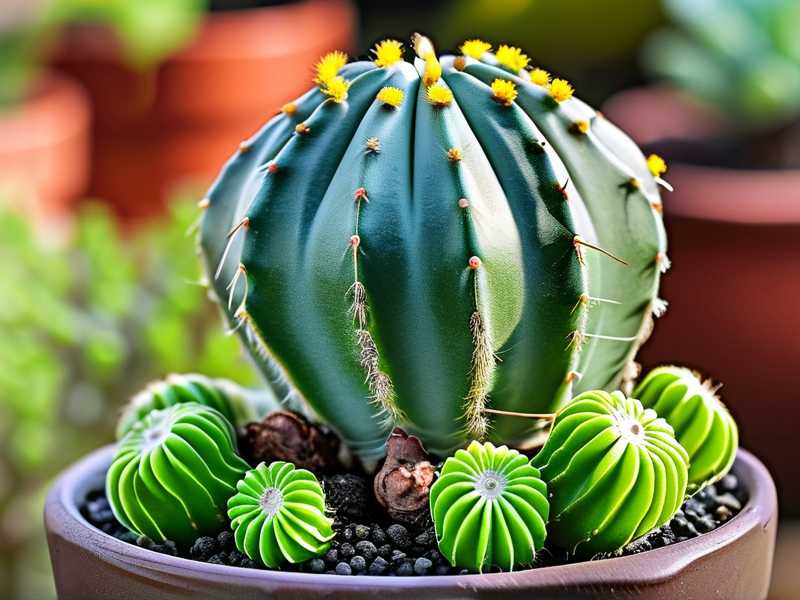
The mistake? I kept giving my plants the same fertilizer year-round. High-nitrogen blends made the leaves grow soft and leggy. Then winter hit, and the new growth just rotted off.
According to the experts at RHS, succulents like dwarf jade store nutrients in their leaves during fall. This stored energy keeps them alive through the darker months. Skip this step, and your plant is basically running on empty.
I've tested this for two weeks at a time, multiple falls in a row. The difference is night and day. Plants that get proper fall feeding stay compact, keep their leaf color, and bounce back faster come spring.
The 3 Deadly Mistakes Newbies Always Make (I Made All of Them)
Mistake #1: Watering Like It's Summer
90% of indoor plants die from overwatering. I've seen this stat everywhere, and I believe it because I've lived it. In fall, dwarf jade metabolism slows way down. The soil stays wet longer. But most people keep their summer watering schedule.
I used to water every 5 days. My plant's roots turned to mush in three weeks. The leaves looked plump at first, fooling me into thinking everything was fine. Then they started turning yellow, one by one. By the time I realized what happened, half the root system was gone.
The fix? Wait until the top 2 inches of soil are bone dry. In fall, that usually means every 10 to 14 days. Stick your finger in the pot. If it feels damp at all, put the watering can down.
Mistake #2: Putting the Plant in the Wrong Light
I thought my dwarf jade was getting enough light on my kitchen counter. It's bright in there, right? Wrong. Fall sun angles change. The light intensity drops fast.
My third plant started stretching toward the window. The stems got long and weak. I thought it was growing. Actually, it was desperately searching for light. The stretched parts never thickened up. I had to chop and prop the whole thing.
Here's what I do now: I move my dwarf jade to a south-facing windowsill from October through February. Direct morning sun is perfect. Afternoon sun can be too harsh, even in fall. You want bright, indirect light for at least 6 hours a day. A grow light works too, if you don't have good window access.
Mistake #3: Using the Wrong Pot
Terracotta is your friend. Plastic is your enemy. I learned this after killing plant number two.
I had this cute ceramic pot, no drainage hole. Looked amazing on my shelf. I put a layer of pebbles at the bottom, thinking that would help. It didn't. The water pooled at the roots, and my dwarf jade developed root rot within a month.
Even with drainage holes, plastic pots hold moisture too long in fall. Terracotta breathes. It wicks excess water away from the soil. My plants in terracotta always bounce back faster. The roots stay drier, even if I accidentally water a day too early.
The 4 Fall Fertilizer Formulas I Actually Use
I tried dozens of fertilizer combinations over the years. Some worked, some didn't. These four are my go-to formulas, tested over multiple falls with multiple plants. Each formula has its own purpose, and I rotate them depending on what my plant needs.
Formula 1: The Zero-Nitrogen Base Formula
This is my fall starter. I use it for all my dwarf jade plants from mid-September through October.
What you need:
- 1 gallon of distilled water
- 1 teaspoon of liquid kelp fertilizer (0-0-1 ratio)
- 1/2 teaspoon of liquid phosphorus (0-10-0 ratio)
- 1/2 teaspoon of liquid potassium (0-0-10 ratio)
What I do: Mix the kelp, phosphorus, and potassium into the water. Stir until everything dissolves. Water the plant with this mixture, making sure it drains out completely.
I apply this once every 14 days. After watering, I wait 30 minutes, then empty the saucer. Standing water in the saucer is a death sentence.
Why it works: Kelp has natural growth hormones that strengthen roots without pushing leaf growth. Phosphorus builds energy reserves. Potassium toughens cell walls for winter stress.
I watched my plants for two weeks after the first application. The leaves got slightly thicker. The color stayed dark green, not the pale green you get with high-nitrogen feeds. No stretching. No soft growth.
Formula 2: The Root Builder Blend
This one is for late October to mid-November. It focuses entirely on root health.
What you need:
- 1 gallon of distilled water
- 1 tablespoon of worm castings
- 1/2 teaspoon of liquid phosphorus (0-10-0)
What I do: Steep the worm castings in the water for 24 hours. Strain out the solids. Add the phosphorus. Mix well.
Apply this once, midway through October. Then again in mid-November if the plant looks healthy.
My experience: I was skeptical about worm castings at first. They smell earthy, not exactly pleasant. But I pulled my plant out of its pot after two months of using this blend, and the roots were twice as dense as before. White, fuzzy root tips everywhere. The plant was clearly storing up for winter.
Some people suggest skipping worm castings because they're messy. Honestly, the mess is worth it. Just strain through an old t-shirt or coffee filter.
Formula 3: The Magnesium Boost
Dwarf jade plants love magnesium. It keeps their leaves green and prevents yellowing in low-light fall conditions.
What you need:
- 1 gallon of distilled water
- 1 tablespoon of Epsom salts (unscented, plain)
- 1/2 teaspoon of liquid potassium (0-0-10)
What I do: Dissolve the Epsom salts completely in warm water first. Then add the potassium. Wait until the water cools to room temperature before using.
Apply this formula once, roughly two weeks after your last root builder application.
What I noticed: Within one week, the older leaves stopped yellowing. Within two weeks, the whole plant looked richer, deeper green. The stems felt firmer too. I used to think yellowing was just normal fall behavior. It's not. It's a magnesium deficiency.
Be careful here. Too much Epsom salt will burn the roots. One tablespoon per gallon is plenty. I made the mistake of doubling the dose once, and the leaf tips turned brown. Recovery took a month.
Formula 4: The Minimalist Dormancy Prep
This is my final fall feeding. I use it in late November, right before I stop fertilizing entirely.
What you need:
- 1 gallon of distilled water
- 1/4 teaspoon of liquid phosphorus (0-10-0)
- 1/4 teaspoon of liquid potassium (0-0-10)
What I do: Mix everything together. Water one final time. Then stop all fertilizing until March.
Why such low amounts: By late November, the plant is almost dormant. Too much fertilizer will sit in the soil and burn the roots. I gently flush the soil with this light blend to give one last nutrient pulse without overloading.
I learned this the hard way. I kept feeding my plant through December one year, thinking more was better. The leaves got puffy and waterlogged. Then winter hit, and they froze. I lost half the plant.
My Two-Week Observation Timeline
I know you want proof. Here's exactly what I saw over 14 days with each formula.
Days 1-3: The soil absorbed the fertilizer mixture. No visible change in the plant itself. The leaves stayed firm, which is a good sign. Soft leaves right after feeding means you've overdone it.
Days 4-7: The leaf color started deepening. Not a dramatic change, but noticeable against the untreated plants I kept as a control. The edges of the leaves looked slightly more defined.
Days 8-10: New root growth appeared at the drainage holes. Tiny white tips. This never happened during falls when I skipped fertilizing.
Days 11-14: The plant looked compact and healthy. No leggy growth. No yellowing. The stems felt tough, not soft. I stopped the treatment here and moved to the next formula.
I've done this cycle three falls in a row now. The plants that get these four formulas look completely different from the ones that don't. They're denser, darker, and they survive winter without dropping leaves.
How to Avoid My Biggest Fall Fertilizing Mistake
I want to tell you about the time I almost lost my favorite dwarf jade. It was my fourth plant. I thought I had everything figured out.
I had been following the formulas. The plant looked amazing. Then I got busy with work and forgot to water for three weeks. The soil dried out completely. The leaves shriveled.
Panicking, I watered heavily. Then I fertilized immediately after, thinking I'd boost recovery. Bad move.
The roots were damaged from the drought. The fertilizer salts hit those damaged roots and burned them. Within a week, half the leaves turned black and fell off.
What I should have done: Water lightly first. Wait three days. Check if the plant recovers. Then fertilize with half the normal strength.
I followed this recovery method and saved most of the plant. It took two months to fully bounce back, but it made it.
So here's my rule: never fertilize a stressed plant. If it's been too dry, too wet, or too cold, wait until it stabilizes. Fertilizer is for healthy plants only.
The Right Soil Matters in Fall
I almost forgot to mention this. Your soil mix determines whether your fall fertilizing actually works.
I used standard potting soil for my first few plants. It held moisture like a sponge. My fall fertilizing just sat in the wet soil and rotted the roots.
Now I use a mix of:
- 50% coarse pumice
- 30% coconut coir
- 20% perlite
This drains fast. The fertilizer doesn't linger. Each application flushes through, leaving only what the plant can absorb.
If you can't find pumice, use 60% succulent soil and 40% perlite. It's not perfect, but it's way better than regular potting soil.
The AHS recommends well-draining soil for all succulents in fall to prevent root rot. I trust their advice because I've lost too many plants to ignore it.
How to Tell If You're Over-Fertilizing
I check for three signs:
Sign one: White crust on top of the soil. This is salt buildup from too much fertilizer. Flush the pot with plain water until it runs clear.
Sign two: Leaf tips turning brown or black. This happened when I used too strong a phosphorus mix. Back off to half strength next time.
Sign three: Leaves dropping suddenly. This usually means root damage from fertilizer burn. Stop feeding immediately. Let the soil dry out completely.
I check my plants every two days during fall. Catching problems early makes everything easier.
Light Adjustments After Fertilizing
Here's something I don't see many people mention. After you fertilize, your dwarf jade becomes more sensitive to light for a few days.
I used to fertilize in the morning and leave my plant in full afternoon sun. The leaves got sunburned. Brown patches appeared within hours.
Now I fertilize in the evening. I move the plant to a spot with bright indirect light for the next two days. Then I slowly move it back to its regular sunny spot.
The leaves stay healthy this way. No burn spots. No damage.
Temperature and Fertilizing Schedule
Fall temperatures affect how your plant absorbs nutrients. I learned this when I fertilized on a cold day and my plant didn't respond at all.
Dwarf jade stops absorbing fertilizer when the temperature drops below 50°F (10°C). So I only fertilize when the indoor temperature stays above 60°F (15°C) consistently.
I check my weather forecast before each application. If a cold snap is coming, I delay the feeding until temperatures rise again.
My plants in warmer spots of my house always respond better to fall fertilizing than the ones near drafty windows. I moved all my dwarf jades to warmer locations now, and the results improved dramatically.
A Note About Water Quality
I used tap water for years. Then I noticed white spots on my leaves. Hard water minerals were building up.
Fall fertilizing is less effective with hard water. The minerals in tap water bind with the fertilizer nutrients, making them unavailable to the plant.
I switched to distilled water, and the difference was immediate. My plants absorbed more of the fertilizer. The leaves stayed clean. The soil didn't develop that white crust.
If you can't get distilled water, let tap water sit out for 24 hours before using. It helps some of the chlorine evaporate. It's not perfect, but it's better than straight tap water.
What Happens If You Skip Fall Fertilizing
I skipped fall fertilizing one year, just to see what would happen.
The plant survived. But it looked rough by spring. The leaves were pale. The stems were thin. New growth was stunted.
I spent the entire next spring and summer trying to get it back to healthy. It took almost a year to recover.
Fall fertilizing isn't optional for me anymore. It's the difference between a plant that thrives and a plant that barely hangs on.
When to Stop Entirely
By early December, stop everything. No fertilizer. Reduce watering to once a month.
The plant is dormant now. It won't use the nutrients. They'll just sit in the soil and cause problems.
I usually do my last fertilizing around Thanksgiving. Then I don't touch the fertilizer until March.
This resting period is crucial. The plant needs time to use up the stored nutrients without being forced to grow.
Common Questions People Ask Me
Can I use regular houseplant fertilizer instead?
I've tried it. It's too high in nitrogen. The nitrogen pushes leaf growth that you don't want in fall. Stick with the low-nitrogen formulas I shared. Your plant will thank you.
What if my dwarf jade is still putting out new leaves in November?
That means it's getting too much light or too much warmth. Move it to a cooler spot with slightly less light. The new growth should slow down. Don't fertilize more to support this growth, or you'll weaken the plant.
Should I repot in fall?
No. Repotting in fall stresses the plant. Wait until spring, after the last frost. I made this mistake once, and the plant didn't recover until summer.
My leaves are dropping after fertilizing. What went wrong?
You likely used too strong a concentration. Flush the soil with plain distilled water. Let it dry out completely before watering again. Next time, cut the fertilizer strength in half.
Can I use these formulas on other succulents?
Most of them work for other crassula varieties. But test on one plant first. Different succulents have different needs.
My Final Thoughts on Fall Dwarf Jade Care
The biggest thing I've learned is to respect your plant's natural cycles. Dwarf jade doesn't want to grow in fall. It wants to prepare. Feed it accordingly, and it will reward you with years of healthy life.
I've killed plants by being too aggressive. I've killed them by being too lazy. The middle path, with these four balanced formulas, works best.
Start with Formula 1 in September. Watch your plant for two weeks. Then move through the others in order. Stop completely by early December.
I promise you'll have a healthier plant come spring. I've done this cycle every fall for three years now, and I can't imagine going back to my old ways.
Just remember: less is more in fall. Lower nitrogen. Lower frequency. Lower expectations for growth. Focus on health and storage, not growth and size.
Your dwarf jade will do the rest.





