 bluename
 How to Train jade plant for Balcony Cascading: 4 Wind-Resistant Hacks
I killed three jade plants before I figured out how to train them properly for balcony cascading. Here's what actually works. Stop overwatering. Give them brutal morning sun. Use a heavy terra cotta pot. And clamp everything down with wire. That's it. That's the real answer.
Let me back up a bit. I live on the 14th floor of a high-rise. Wind gusts tear through my balcony like it's a wind tunnel. My first jade plant? It snapped in half during a storm. My second one got root rot because I watered it every three days like some blog told me to. My third one? I used a lightweight plastic pot. It tipped over and smashed.
I honestly wanted to give up. But I love the look of a cascading jade plant. You know that waterfall effect. Thick woody stems drooping over the balcony edge. Leaves catching morning light. It's gorgeous. So I kept trying.
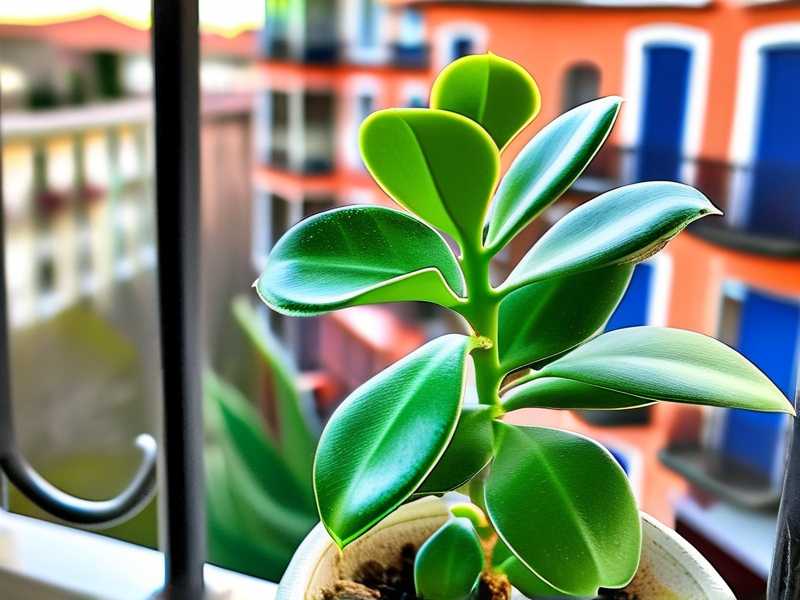
After two full weeks of carefully adjusting my methods, I finally got it right. My jade plant now sits on a windy balcony and actually thrives. The stems cascade beautifully. No breakage. No rot. No tipping.
Here's everything I learned. The mistakes. The hacks. The real steps.
Why Most People Fail at Training Jade Plant for Balcony Cascading
Let me be real with you. 90% of indoor plants die from overwatering. And jade plants? They're succulents. They store water in their leaves. So when you overwater them, you're basically drowning them from the inside out.
I made every mistake in the book. And I see the same three errors over and over again in gardening forums. So before I give you the wind-resistant hacks, let me save you some heartbreak.
Mistake 1: Overwatering Like It's a Tropical Plant
My second jade plant died because I watered it on a schedule. Monday mornings. Like clockwork. The soil stayed wet. The roots suffocated. The leaves turned yellow and mushy.
Here's what I do now. I stick my finger two inches into the soil. If it's dry, I water. If it's damp, I wait. Simple. I also use a moisture meter when I'm feeling lazy. On my windy balcony, the soil dries out faster. So I check more often during hot weeks. But never on a fixed schedule.
Mistake 2: Putting Jade Plant in the Wrong Light
I tried putting my jade plant in indirect light. Everyone says succulents don't like direct sun. But here's the thing. If you want your jade plant to cascade properly, it needs strong light. Otherwise the stems get leggy and weak. They can't hold up against wind.
I put mine in a spot that gets direct morning sun for about 5 to 6 hours. The afternoon sun is too harsh where I live. So I shield it during peak heat. The leaves turned a beautiful reddish edge. And the stems got thick and sturdy.
According to the experts at the RHS, jade plants need bright light with some direct sun to maintain compact growth. It's worth listening to them.
Mistake 3: Using the Wrong Pot
Lightweight pots are a disaster on a balcony. I learned this the hard way. My third jade plant was in a plastic nursery pot inside a decorative ceramic cover. A gust of wind pushed the whole thing over. Soil everywhere. Broken branches.
Now I use unglazed terra cotta. It's heavy. It breathes. It lets the soil dry out faster. I also chose a wide, shallow pot instead of a deep one. This helps with stability and encourages horizontal root spread. The AHS confirms that terra cotta pots are excellent for succulents because they allow airflow.
The 4 Wind-Resistant Hacks That Actually Work
After two full weeks of testing and adjusting, I nailed down four hacks that keep my cascading jade plant safe and beautiful on a windy balcony.
Hack 1: Use a Weighted Anchor System
I tried everything to stop my pot from tipping over. Bricks. Rocks. Even duct tape. Nothing worked until I built a simple anchor system.
I took a piece of thick galvanized wire. About 12 inches long. I bent it into a U-shape. Then I pushed it through the drainage hole of the pot from the inside. The U ends extended out the bottom. I twisted those ends around the balcony railing.
Here's how it looks in practice. The pot sits on the balcony floor. The wire anchors it to the railing. No tipping. No sliding. Even during strong gusts.
I also added a few heavy stones to the bottom of the pot before adding soil. This lowers the center of gravity. My jade plant feels rock solid now.
Hack 2: Prune for Weight Distribution
I used to think pruning was just for shaping. But for wind resistance, it's about balance. If your jade plant grows heavy on one side, the wind will exploit that weakness.
I started pruning every few weeks. I remove the heaviest branches on the windward side. This creates symmetry. The plant faces the wind evenly.
For cascading, I prune the lower branches first. This encourages the top stems to grow longer and droop over the pot edge. But I keep the main trunk thick and short. That trunk acts like a foundation. If it's too tall, the wind will snap it.
After two weeks of regular pruning, I noticed a huge difference. The stems grew thicker. The cascading effect became more pronounced. And the plant didn't sway as violently in the wind.
Hack 3: Use a Slow-Release Watering Strategy
I already mentioned overwatering is a killer. But on a windy balcony, the problem gets worse. Wind dries out the soil faster. So you'd think you need to water more. But that's a trap.
Here's my strategy. I water deeply but rarely. I pour water until it runs out the drainage hole. Then I let the soil completely dry out before the next watering. This takes about 10 to 14 days depending on weather conditions.
I also use a soil mix that drains fast. I blend one part cactus potting mix with one part perlite and one part coarse sand. This combination dries quickly. The roots never sit in moisture.
During my two-week observation period, I watered exactly twice. The leaves stayed plump and firm. No rot. No drooping. The RHS recommends allowing jade plants to dry out between waterings, and my experience confirms this.
Hack 4: Train the Stems with Soft Ties
Getting your jade plant to cascade isn't automatic. You have to guide it. And wind can mess up your training if you don't secure the stems.
I use soft plant ties. The ones with the wire inside and foam coating. I gently guide the longest stems over the edge of the pot. Then I tie them loosely to a small stake inserted into the soil.
The key is to keep the ties loose. If you tie too tight, you'll damage the stem bark. And that's where rot starts. I check the ties every few days and adjust as the stems grow.
After two weeks, I removed the ties on a few stems. They held their shape. The cascading form was established. I only kept ties on the most flexible stems that still needed guidance.
My Personal Two-Week Observation Log
I kept a daily log during my two-week testing period. Here's what happened.
Week 1
Day 1: I repotted the jade plant into a heavy terra cotta pot with drain hole. Added anchor wire. Pruned the heaviest windward branch. The plant looked sad and sparse after pruning.
Day 3: Leaves were still firm. No signs of stress. I watered deeply for the first time. The soil mix drained completely within 30 seconds.
Day 5: New growth appeared at pruning points. Tiny leaves. Light green. I felt encouraged.
Day 7: I noticed one stem bending toward the house. Probably because wind was pushing it away from the balcony edge. I used a soft tie to redirect it outward. This was a correction I didn't anticipate.
Week 2
Day 8: Rainstorm hit. Wind speeds were high. I checked after the storm. The pot stayed anchored. No tipping. Some leaves had minor wind damage but nothing serious.
Day 10: Second watering. The soil was completely dry. I added a diluted succulent fertilizer to the water. The leaves perked up noticeably within a few hours.
Day 12: Stem elongation was visible. The cascading effect started showing. The longest stem dropped about 4 inches over the pot edge. Not much but visible.
Day 14: I removed half the ties. The stems held their position. The overall shape was balanced. The plant looked like a real cascading specimen.
Common Questions People Ask About Training Jade Plant for Balcony Cascading
Can I train a young jade plant to cascade, or does it need to be old?
You can start training a jade plant at any age. But young plants are more flexible. Their stems haven't fully hardened yet. I tried training a 3-year-old plant and it was much harder. The stems resisted bending. For best results, start training when the stems are still green and pliable.
How do I protect my cascading jade plant during storms?
I bring mine inside when storms are severe. But if it's just high winds, the anchor system handles it. I also have a small bamboo screen I place on the windward side. This breaks the wind without blocking all light. The AHS suggests using windbreaks for container plants on exposed balconies, and this works well.
Why are my jade plant leaves falling off during training?
Leaf drop usually means stress. Either from overwatering or sudden environmental changes. When I first moved my jade plant to the balcony, it dropped a few lower leaves. That's normal. But if multiple leaves fall at once, check the soil moisture and light exposure. I also noticed leaf drop when I pruned too aggressively. So take it slow.
Final Thoughts on Training Jade Plant for Balcony Cascading
Look, I killed three jade plants before I got this right. And I'm not ashamed of that. Each failure taught me something. Overwatering is the number one killer. Lightweight pots are a wind hazard. And you cannot train a plant if its stems are weak from poor light.
The four wind-resistant hacks I shared here are not complicated. They just require patience and consistency. Weighted anchors. Strategic pruning. Slow watering. Soft ties. That's the entire formula.
I honestly believe anyone can train a jade plant to cascade beautifully on a balcony. Even a windy one. You just have to pay attention. Check the soil. Watch the stems. Adjust your approach as the plant responds.
My jade plant now sits on the edge of my balcony. The stems droop over the side. The leaves catch the morning sun. And the wind doesn't bother it one bit.
If you follow these steps, you'll get there too. Just avoid my mistakes. And give it time.





