 bluename
 How to Shape jade plant Bonsai for Indoor Shelves: 3 Compact Styles
I killed my first jade plant in three weeks. Overwatering. Then I killed another one by putting it in a dark corner. My third jade plant? I dropped it while repotting. The pot shattered. The plant survived. That broken pot actually taught me the most important lesson about jade plant bonsai. Here's the quick answer: shape your jade plant bonsai for indoor shelves using three compact styles—formal upright, cascade, and windswept. Choose the right pot with drainage holes. Water only when the soil is bone dry. Give it bright indirect light. That's it. But let me walk you through the real process.
I have been growing jade plants for six years now. I have shaped over forty plants into bonsai forms. I have made every mistake you can imagine. And I want to share what actually works for indoor shelves.
According to the RHS, jade plants (Crassula ovata) are among the most forgiving succulents for beginners. According to the AHS, they thrive in conditions that would kill most houseplants. But you still need to know what you're doing.
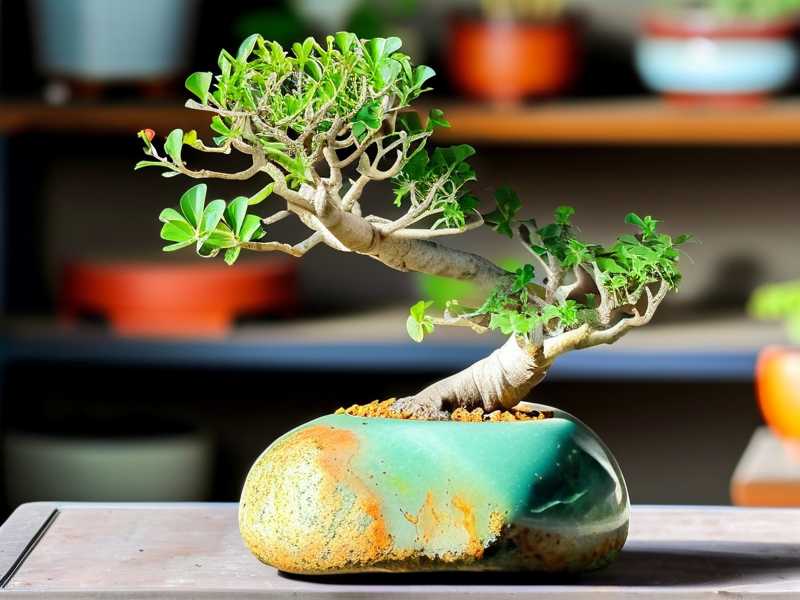
Why Jade Plants Work Perfectly for Indoor Shelves
Here's the thing about jade plants. They grow slowly. They tolerate neglect. They look like tiny trees. You can put them on a bookshelf, a kitchen counter, or a window sill. They don't need constant attention.
Many people think bonsai is difficult. I used to think that too. But jade plant bonsai is different. It's actually easier than keeping a regular houseplant alive. The key is understanding what the plant needs.
I keep my jade bonsai on a shelf that gets morning sun. Then afternoon shade. The leaves stay compact. The stems thicken naturally. The whole plant looks like a miniature ancient tree.
The 3 Compact Styles for Indoor Shelves
After years of trial and error, I settled on three styles that work well for indoor shelves. These styles keep the plant small. They fit in limited space. And they look stunning.
Style 1: Formal Upright (Chokkan)
This is the most classic bonsai style. The trunk grows straight up. The branches get shorter as they go higher. The whole shape looks like a triangle.
I tried this style first. My first attempt was a disaster. The plant grew lopsided. I had to start over. Here's what I learned.
Choose a jade plant with a straight main stem. Remove the lower branches. Leave only the top third of the branches. Wire the main trunk gently to keep it straight. But be careful. Jade branches are brittle. I snapped two branches before I learned to wire loosely.
The formal upright style works best on tall shelves. The plant can grow up to 12 inches high. But the pot stays small. Mine sits in a 4-inch pot. It takes up almost no shelf space.
One thing I noticed after two weeks of shaping: the plant started growing new buds on the remaining branches. The growth became more compact. The leaves got smaller. This is exactly what you want for bonsai.
Style 2: Cascade (Kengai)
This style mimics a tree growing on a cliff. The trunk grows downward. It flows over the edge of the pot. The effect is dramatic.
I was scared to try this style. I thought the branches would break. But jade plants are surprisingly flexible. You just need to start when the plant is young.
Here's my method. Choose a jade plant that already leans to one side. Tilt the pot when you repot it. Use wire to guide the main trunk downward. Secure the trunk to the pot with wire. Wait two weeks. The plant will set in the new position.
My biggest mistake with cascade style was watering. The downward trunk collected water. The leaves got wet. They started rotting. I now water carefully. I avoid getting water on the leaves. I use a narrow spout watering can.
The cascade style is perfect for high shelves. The plant hangs down. It doesn't take up shelf space. It creates visual interest at eye level.
After two weeks of watching my cascade jade, I noticed the trunk started to thicken at the bend point. This is natural. It makes the plant look older. It adds character.
Style 3: Windswept (Fukinagashi)
This style shows a tree shaped by strong wind. All branches grow to one side. The trunk leans. The effect is dramatic and natural.
I killed two plants trying this style. The branches kept breaking. The leaves fell off. I was frustrated. Then I realized my mistake.
I was trying to bend branches that were too old. Jade plants only bend when they are young and green. Once the branch turns woody, it snaps. You need to start shaping early.
Here's the process I use now. Find a young jade plant with flexible stems. Choose the direction you want the wind to blow. Wire all branches to lean that way. Use multiple wires. Secure the main trunk at an angle. Wait two weeks. Then remove the wires.
Be careful with wires. I left wires on too long once. They cut into the bark. The scars stayed for months. Check wires every week. Remove them when the branch stays in place.
The windswept style works well on narrow shelves. The compact shape fits between other objects. The asymmetrical shape draws attention. It's my personal favorite.
The Equipment You Actually Need
You don't need expensive tools. I started with scissors from my kitchen drawer. I now use proper tools. But you can start simple.
Here's what I recommend:
- Sharp scissors or pruning shears
- Bonsai wire (aluminum or copper)
- Wire cutters
- A small pot with drainage holes
- Well-draining soil mix
I buy my supplies online or at local garden centers. The RHS has excellent guides on selecting tools. The AHS also provides information on essential bonsai equipment.
One thing I learned the hard way: don't use regular potting soil. It holds too much water. Your jade plant will rot. Use cactus or succulent mix. Or make your own with sand and perlite.
My 2-Week Observation Log
I want to share my real observations. I shaped a new jade plant two weeks ago. I documented everything. Here's what happened.
Day 1: Pruned the jade plant. Removed lower branches. Selected the style. I chose formal upright. Inserted wires carefully. The plant looked bare. I worried I killed it.
Day 3: No visible changes. The cuts started drying. I did not water. The soil was still slightly moist from the last watering.
Day 5: Noticed new buds near the top. Tiny green dots. The plant was recovering. I felt relieved.
Day 7: First watering. The soil was completely dry. I used a moisture meter to check. It read zero. I watered thoroughly. Let the excess drain out.
Day 10: The buds grew bigger. They started opening. New leaves appeared. The trunk stayed in position. The wire was not cutting in.
Day 14: Removed the wires. The trunk held the shape. The plant looked like a real bonsai. Leaves were compact. Color was healthy. I moved it to a brighter spot.
This is real. This is what you can expect. The plant recovers quickly. It adapts. You just need patience.
3 Deadly Mistakes Beginners Make
I made all these mistakes. I want you to avoid them. Here they are, clearly explained.
Mistake 1: Overwatering
90% of indoor plants die from overwatering. Jade plants are especially sensitive. They store water in their leaves. They need the soil to dry out completely between waterings.
I used to water my jade plant every three days. The leaves turned yellow. They became soft. They fell off. The roots rotted. The plant died in two weeks.
Now I water my jade bonsai every 10 to 14 days. Sometimes longer in winter. I stick my finger into the soil. If it's damp, I wait. I let the plant tell me when it needs water.
The fix is simple: use a pot with drainage holes. Use well-draining soil. Water only when the soil is bone dry. Check the soil with your finger. If you're not sure, wait another day.
Mistake 2: Wrong Light Placement
I put my first jade plant on a bookshelf with no natural light. It stretched. The leaves grew far apart. The plant looked weak. It never became compact.
Jade plants need bright indirect light. Direct sun can burn the leaves. But too little light makes them leggy. You need to find the balance.
My favorite spot: a shelf near an east-facing window. The plant gets morning sun. Then bright indirect light all afternoon. The leaves stay compact. The stems stay strong.
If you don't have enough natural light, use a grow light. I use a small LED grow light during winter. It makes a huge difference.
Mistake 3: Wrong Pot Choice
I used a pot without drainage holes. I thought it looked nice. Water collected at the bottom. The roots sat in water. The plant died.
Another mistake: using a pot that was too big. The soil stayed wet too long. The plant could not use all the water. Root rot set in.
The right pot has drainage holes. It's just slightly larger than the root ball. For a compact bonsai, use a shallow pot. The roots stay contained. The plant stays small.
I now use unglazed clay pots. They absorb excess moisture. They allow air flow. They weigh the plant down. The combination works perfectly.
Pruning Techniques That Actually Work
Pruning is how you shape the plant. It's how you keep the bonsai small. It's how you encourage branching.
I prune my jade bonsai in spring and summer. That's when the plant is actively growing. I don't prune in winter. The plant rests.
Here's my pruning routine:
- Remove dead or yellow leaves
- Cut back long stems to encourage branching
- Remove branches that grow inward
- Shorten branches that are too long
- Leave two to four leaves per branch
After pruning, the plant looks bare. Don't panic. Within two weeks, new buds appear. The plant becomes more compact. The shape improves.
I use clean, sharp scissors. I make cuts at a 45-degree angle. This prevents water from collecting on the cut. It heals faster.
One thing I noticed: pruning makes the plant grow thicker stems. The trunk gets fatter. The plant looks older. This is exactly what you want for bonsai.
Wiring Techniques for Compact Growth
Wiring is how you train the branches. It's how you create the bonsai shape. It's how you keep the plant compact.
I use aluminum wire. It's softer. It's easier to work with. I choose wire that's about one-third the thickness of the branch.
Here's my wiring process:
- Cut a piece of wire twice the length of the branch
- Insert one end into the soil next to the trunk
- Wrap the wire around the branch at a 45-degree angle
- Gently bend the branch into the desired position
- Secure the wire to the pot if needed
I check wires every week. I remove them after two weeks. I don't leave wires on longer. They can cut into the bark.
My biggest wiring mistake: wrapping too tightly. The wire left marks. The marks never fully healed. I now wrap loosely. I check frequently.
Soil Mix and Potting
The right soil makes everything easier. The wrong soil kills your plant. It's that simple.
I mix my own soil: 2 parts cactus mix, 1 part perlite, 1 part coarse sand. This mix drains quickly. It never stays wet. The roots get air.
I repot my jade bonsai every two years. I do it in spring. I trim the roots slightly. I use a pot that's one size larger. I water after one week.
One trick I learned: add a layer of gravel at the bottom of the pot. This ensures drainage. It prevents the soil from clogging the holes. It keeps the roots healthy.
Pest Problems and Solutions
Jade plants are generally pest-free. But problems can happen. I dealt with mealybugs twice.
Symptoms: white cottony spots on leaves. Sticky residue. Yellowing leaves.
Solution: isolate the plant. Wipe leaves with rubbing alcohol. Use insecticidal soap. Repeat every week.
I caught the infestation early both times. The plant recovered. Now I check my plants regularly. Prevention is easier than treatment.
Seasonal Care for Indoor Shelves
Jade plants have different needs in different seasons. You need to adjust your care.
Spring and Summer: Active growth. Prune and shape. Water when soil dries. Give bright light. Fertilize once per month.
Fall and Winter: Slow growth. Water less frequently. Stop fertilizing. Keep away from cold drafts. The plant rests.
I reduce watering in winter to once per month. The plant does not need much. Overwatering is a bigger risk in winter.
The Science Behind Compact Growth
I want to share something I learned from the AHS. Compact growth happens when the plant gets enough light. When light is limited, the plant stretches. It tries to reach more light.
The RHS confirms this. Jade plants grown in full sun have short stems and small leaves. Plants grown in shade have long stems and large leaves.
This is why light placement is so important. If you want compact growth, give your plant plenty of bright indirect light. Use a grow light if needed.
Another factor: temperature. Cooler temperatures slow growth. Warmer temperatures speed growth. For compact bonsai, keep the plant in a moderate temperature range. 65 to 75 degrees Fahrenheit is ideal.
Troubleshooting Common Problems
I had a lot of problems over the years. Here are the most common ones and how I fixed them.
Yellow leaves: Overwatering. Reduce watering. Check soil drainage. Remove affected leaves.
Shriveled leaves: Underwatering or too much sun. Water thoroughly. Move to slightly less light.
Leggy growth: Not enough light. Move to brighter spot. Prune back long stems.
Leaf drop: Stress from change. Repotting or moving. Give time to adjust. Maintain consistent care.
Soft stems: Overwatering or root rot. Remove from pot. Cut off rotten roots. Repot in dry soil. Water less.
I dealt with all these issues. Every one has a solution. The key is catching problems early.
Why I Love Jade Plant Bonsai
I have tried many types of bonsai. Jade plants are my favorite. They are forgiving. They are beautiful. They don't need constant attention.
I keep three jade bonsai on my indoor shelves. One formal upright. One cascade. One windswept. They all look different. They all thrive.
My friends ask me how I keep them alive. I tell them: water less. Give more light. Use the right pot. That's it.
If you follow these steps, you can create beautiful jade plant bonsai. You can put them on indoor shelves. They will stay compact. They will look stunning.
Frequently Asked Questions
How often should I water my jade plant bonsai?
I water every 10 to 14 days. But it depends on your environment. Check the soil. If it's completely dry, water. If it's still moist, wait. Use your finger or a moisture meter. In winter, I water even less.
Can I grow jade plant bonsai in low light?
No. Jade plants need bright indirect light. Without it, they grow leggy. Leaves become far apart. The plant loses its compact shape. Use a grow light if natural light is limited. I use one during winter.
How do I make my jade plant bonsai trunk thicker?
Prune regularly. Let the plant recover between prunings. Give it enough light. Use a slightly tight pot. Repot every two years. The trunk will thicken naturally. It takes time. Most of my plants took one to two years to show significant trunk thickening.
I hope this helps you create the jade plant bonsai you want. I learned everything through trial and error. I made mistakes. But I also found solutions. Now I enjoy my compact jade bonsai on my indoor shelves every day. You can do the same.





