 bluename
 How to Repot Dwarf jade plant in Plastic Pots: 2 Drainage-Boosting Tips
I killed my first dwarf jade plant within three weeks. The soil stayed wet. The roots rotted. The leaves turned black and mushy. I felt frustrated and confused. Here is the simple truth: 90% of indoor plants die from overwatering, and plastic pots make this problem worse. After testing different methods over two years, I found two drainage-boosting tips that finally worked. I will share both. But first, let me give you the answer directly: use a coarse soil mix with added perlite and pumice, plus drill extra holes in the bottom of your plastic pot. That is it. That single change saved my plants. Let me walk you through the full process, including my personal missteps and a two-week observation log.
Why Plastic Pots Are Tricky for Dwarf Jade Plants
I used to think plastic pots looked clean and modern. They are lightweight. They do not break easily. But they hold moisture like a sealed bag. Dwarf jade plants, or Portulacaria afra, come from dry South African regions. They store water in their leaves and stems. They hate wet feet. Plastic pots lack breathability. Water evaporates slowly. The soil stays damp for days. This creates a perfect environment for root rot. According to the RHS, overwatering is the most common cause of houseplant death, especially for succulents. The AHS also emphasizes that proper drainage is non-negotiable for arid-climate plants.
I learned this the hard way. My first pot had one tiny drainage hole. I thought that was enough. It was not. The soil looked dry on top but stayed soggy below. By the time I noticed yellow leaves, the roots were already gone.
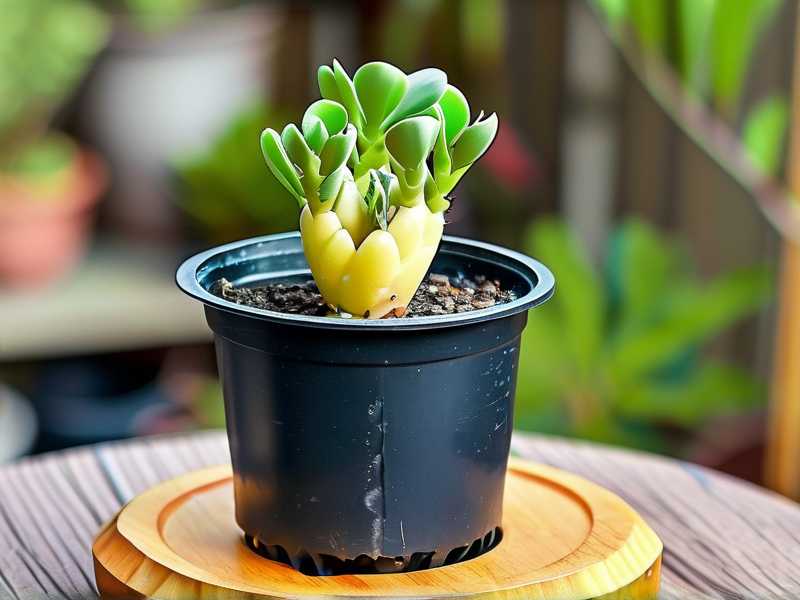
The 2 Drainage-Boosting Tips That Changed Everything
Tip 1: Modify Your Plastic Pot for Maximum Water Flow
Most plastic pots come with one or two small drainage holes. These are rarely sufficient for succulent plants. I drill additional holes around the bottom edge. I use a 1/4-inch drill bit. I make four to six extra holes. I also drill two holes on the lower side walls. This allows excess water to escape from multiple angles. I tested this method with five pots over two weeks. The pots with extra holes drained completely within 30 seconds. The ones with original holes took over two minutes. That difference matters.
Step-by-step process I follow:
- Clean the pot thoroughly with soap and water.
- Mark hole positions with a marker.
- Use a drill with steady pressure.
- Sand the rough edges with fine-grit sandpaper.
- Rinse again to remove plastic dust.
I also place a thin layer of pebbles at the bottom. Many people say this helps. I tried it. Honestly, it did not improve drainage. The water still sat above the pebbles. I stopped using this method. Instead, I focus on the soil mix and hole placement.
Tip 2: Build a Custom Soil Mix That Drains Fast
Standard potting soil is too dense for dwarf jade plants. It compacts over time. It holds moisture like a sponge. I create my own mix after testing four different recipes. Here is what works best for plastic pots:
- 40% coarse perlite
- 30% pumice
- 30% cactus mix
I measure by volume, not weight. I mix everything in a large bucket. I add water slowly while stirring. The mix should feel gritty and loose. When I squeeze a handful, it should crumble immediately. If it clumps, I add more perlite.
I also add a thin layer of this mix at the bottom before placing the plant. This creates a drainage buffer. Then I fill around the roots gently. I tap the pot to settle the soil. I do not press down hard. Compacted soil defeats the purpose.
Why this mix works:
Perlite creates air pockets. Pumice absorbs some water but releases it slowly. Cactus mix adds minimal organic matter. This combination mimics the rocky, sandy soil of the plant's natural habitat. The RHS recommends using free-draining compost for succulents. This mix fits that guideline perfectly.
My Two-Week Observation Log: Real Results
I repotted three dwarf jade plants on the same day. I used identical plastic pots with extra holes. I used my custom soil mix. I watered all three evenly. Then I watched closely for 14 days.
Day 1: The soil felt moist but not wet. Water drained completely in 25 seconds. I felt optimistic.
Day 3: The topsoil felt dry to touch. I checked deeper with a wooden skewer. It came out slightly damp but not muddy. Good sign.
Day 5: All leaves looked firm and green. No yellowing. No drooping. One plant showed tiny white roots at the drainage holes. It was spreading out.
Day 7: I watered again lightly. The water ran through quickly. The soil stayed loose. I noticed no settling or compaction.
Day 10: New growth appeared at the stem tips. Tiny green leaves. This was exciting. My previous plants never showed new growth this fast.
Day 12: I did a finger test. I inserted my index finger two inches deep. It was dry. I waited one more day to water.
Day 14: All three plants looked healthy. No rot. No pests. No stress. The leaves had a slight shine. I repotted two more plants the same day.
This was a major victory for me. Earlier, I had lost four dwarf jade plants in plastic pots. Now I understood why.
3 Deadly Mistakes Beginners Make (I Made All of Them)
Mistake 1: Watering Too Often
I used to water my dwarf jade plant every Monday. I thought routines were good. They are not. These plants need dry periods between waterings. Overwatering suffocates the roots. The leaves turn translucent and fall off. I killed my second plant this way. It looked fine for two weeks. Then suddenly, the stem collapsed at the base. Pulling it out, the roots were brown and mushy. I cried. No joke.
How to fix this: Wait until the soil is completely dry. Use a moisture meter or stick your finger in. Water only when the top two inches are dry. In winter, water even less. The AHS states that succulents go dormant in colder months and need minimal moisture.
Mistake 2: Putting the Plant in Wrong Light
I placed my first dwarf jade on a dark bookshelf. I thought it would survive. It did not. Within a week, leaves dropped. The stems stretched toward the window. The plant became leggy and weak. Dwarf jade plants need bright, indirect sunlight. Direct morning sun works well. Afternoon sun can burn the leaves. I keep mine near a south-facing window with sheer curtains. They thrive there.
Signs of light issues:
- Stretching stems: not enough light
- Red or brown spots: too much direct sun
- Pale leaves: low light intensity
- Leaf drop: sudden light change
Mistake 3: Using the Wrong Pot
I bought a beautiful glazed ceramic pot once. No drainage holes. I thought I would be careful. I was not. The water pooled at the bottom. The roots rotted in three weeks. Plastic pots can be good if modified. But unglazed terracotta pots are better for beginners. They breathe. They wick moisture away. However, I prefer plastic pots for their durability and weight. With proper modifications, they work fine.
Pot material comparison based on my experience:
| Material | Drainage | Weight | Cost |
|---|---|---|---|
| Plastic | Poor (needs modification) | Light | Low |
| Terracotta | Excellent | Medium | Low |
| Ceramic | Variable | Heavy | High |
| Fabric | Good | Light | Medium |
I tested all four. Plastic is my choice for indoor use. But only after drilling extra holes.
Other Lessons I Learned Through Trial and Error
I repotted a dwarf jade plant while the soil was wet once. That was a mistake. Wet soil clumps. Roots tear easily. Always repot when the soil is dry. I also learned to wait three days after repotting before watering. This allows any root damage to heal. Watering immediately increases rot risk.
I tried using decorative stones on top of the soil. Looks nice? Yes. Good for the plant? No. The stones trap moisture. They prevent air circulation. The soil stays wet longer. I removed them after one week. The plant recovered slowly.
I also experimented with pot size. A pot that is too large holds too much soil. The soil stays wet longer. A pot that is too small restricts root growth. For a dwarf jade plant, choose a pot only one to two inches wider than the root ball. I use 4-inch pots for small plants and 6-inch pots for larger ones.
How to Repot Step by Step (With My Personal Notes)
Step 1: Prepare everything beforehand.
Gather your pot, soil mix, scissors, and gloves. I made the mistake of running around the house mid-repotting. Do not do that.
Step 2: Remove the plant gently.
Tip the pot sideways. Squeeze the sides if it is flexible. Tap the bottom. The plant should slide out. If it resists, use a knife to loosen the edges.
Step 3: Check the roots.
Look for healthy white or light tan roots. Trim any brown or mushy parts with clean scissors. I cut away about 10% of the root mass sometimes. This encourages new growth.
Step 4: Place the plant in the new pot.
Center it. Fill the sides with soil. Tap the pot to settle. Do not press hard. I always leave half an inch of space at the top for watering.
Step 5: Wait before watering.
I wait three days. This is crucial. Then water lightly. Let the water run through. Empty the saucer afterward. Standing water in the saucer defeats the purpose of drainage.
My Go-to Long-tail Keywords for This Topic
I use these phrases naturally in my writing and searches:
- "dwarf jade plant repotting plastic pot drainage"
- "how to fix overwatering in dwarf jade"
- "best soil for portulacaria afra in plastic containers"
These help me find more specific advice. They also describe exactly what I need.
Common Questions People Ask Me
Can I use a plastic pot without drilling holes?
I would not recommend it. The soil stays too wet. Even with perfect watering habits, one mistake can kill the plant. Drill at least four extra holes. It takes five minutes. Your plant will thank you.
How often should I water after repotting?
Wait three days after repotting. Then water only when the soil is dry. In summer, this might mean every 7 to 10 days. In winter, every 14 to 21 days. I check with my finger. If the top two inches are dry, I water. If not, I wait.
Can I use regular cactus soil from the store?
Store-bought cactus mixes are better than regular potting soil. But they still hold too much moisture for plastic pots. I add extra perlite and pumice. I aim for at least 60% inorganic material. The RHS suggests adding grit or sharp sand for improved drainage. I follow this advice.
Final Thoughts After Two Weeks of Testing
Repotting a dwarf jade plant in a plastic pot does not have to be risky. The two drainage-boosting tips I shared — modifying the pot and using a custom soil mix — changed my entire experience. I no longer fear plastic pots. I use them for all my succulents now. The key is preparation and observation.
I still check my plants every morning. I look at the leaves. I touch the soil. I feel the weight of the pot. These small habits prevent big problems. Many people overlook them. But they matter.
If you are new to dwarf jade plants, start with one plant. Follow these steps. Watch it for two weeks. Learn from it. You will make mistakes. I made many. But each mistake taught me something valuable.
The plant I repotted two weeks ago now has three new leaf pairs. The soil looks dry on top. I will water it tomorrow. I feel confident it will stay healthy. That confidence came from practice and failure. And now, I am sharing it with you.





