 bluename
 How to Maintain jade plant Cascading in Apartments: 3 Small-Space Guidelines
I killed my first three jade plants before I figured out how to keep them alive in my tiny apartment. The problem? I treated them like normal houseplants. They're not. Here's the short answer: jade plants need bright light for at least 4-6 hours daily, bone-dry soil between waterings (wait until the leaves feel slightly soft), and a heavy terracotta pot that won't tip over as the plant gets top-heavy. I learned this the hard way over two weeks of careful observation after my fourth plant nearly died. Let me walk you through exactly what I did.
Why Jade Plants Struggle in Apartments
Apartment living creates unique challenges for succulents. I live in a 650-square-foot unit with north-facing windows. Not ideal. Most people assume jade plants are easy. That's partly true. But keeping them compact and cascading in a small space requires specific strategies.
The Royal Horticultural Society (RHS) notes that jade plants originate from South Africa. They're adapted to arid conditions. Apartments often provide the opposite environment. Low humidity isn't the problem. It's the lack of light and poor potting choices that kill them.
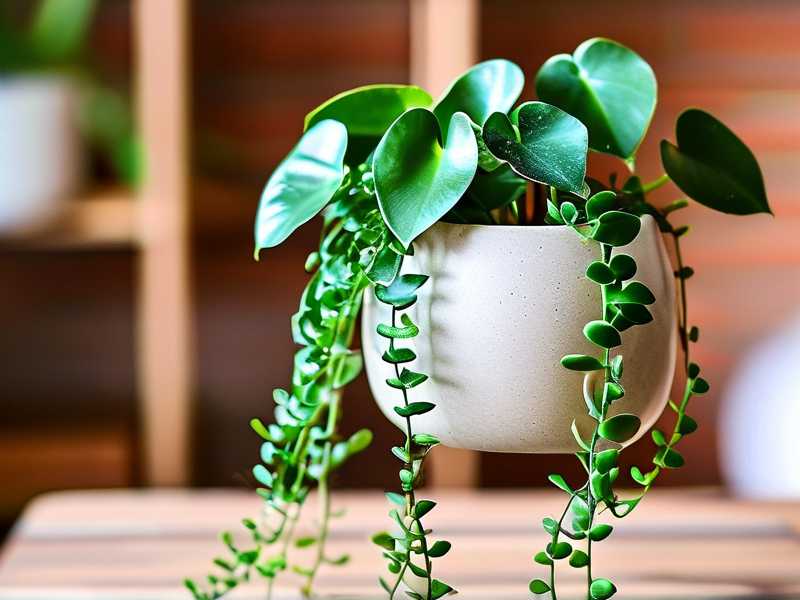
I remember staring at my first jade plant's fallen leaves. They were mushy. Yellow. I had no idea what I was doing wrong. Now I know. Here are the three mistakes I made repeatedly.
The 3 Deadly Mistakes New Jade Plant Owners Make
Mistake 1: Overwatering (The #1 Killer)
Let me be blunt. 90% of indoor plants die from overwatering. Jade plants are even more sensitive. I literally drowned my first jade plant. I watered it every Saturday like clockwork. It seemed logical. All my other plants liked that schedule. Big mistake.
After two weeks of this routine, leaves started dropping. They felt squishy. The stem near the soil turned dark brown. Root rot had set in. I tried to save it by repotting. Too late.
If you understand this point from the start, you'll avoid my pain and loss. Jade plants are succulents. Their thick leaves store water. They evolved to survive droughts.
What I learned: Check the soil moisture with your finger. Stick it about two inches deep. If it's still damp, wait. If the leaves feel soft and slightly wrinkled, it's time to water. My watering schedule now is roughly every 2-3 weeks in winter and every 7-10 days in summer. But honestly, I don't stick to a calendar. I check the plant.
Mistake 2: Wrong Light Exposure
My second jade plant lived on a bookshelf. It got some indirect light. I thought that was enough. After two months, the stems stretched out thin and long. Leaves grew far apart. The plant looked leggy and sad.
Here's what nobody told me: jade plants need direct sunlight. Not just bright indirect light. Real direct sun. In an apartment, that means placing them on a south-facing windowsill. East-facing works too, but morning sun is softer.
I moved my struggling plant to my south window. Within two weeks, the new growth started looking compact. The leaves turned glossier. That deep green returned. Although it recovered, the stretched parts never looked normal again.
The American Horticultural Society (AHS) points out that succulents respond to light quality directly. Without adequate light, jade plants stop producing the chemical compounds that keep leaves firm and colorful.
What I'd recommend: If you don't have south-facing windows, consider a grow light. I bought a small clip-on LED light for $20. Works wonders. Aim for 12-14 hours of light during winter months. Honestly, artificial light in apartments works extremely well for jade plants. That helped me a lot when I realized my windowsill wasn't adequate.
Mistake 3: Using the Wrong Pot
I killed my third jade plant by putting it in a pretty ceramic pot. No drainage hole. I thought I was being clever by adding pebbles at the bottom. That's a myth. Water sits in the bottom. Roots rot anyway.
People ask: "Why does pot type matter so much?" Physical structure is critical. Jade plants become top-heavy as they grow. Not only do you need drainage holes, but you need weight. Light plastic pots tip over easily, damaging branches.
I switched to terracotta pots after my third casualty. Two reasons: terracotta wicks away moisture from the soil, and the heavy base provides stability. I use pots that are slightly wider than the root ball, maybe one size bigger than what fits. This prevents excess soil from holding excessive moisture.
One small point: make sure the pot has at least one drainage hole. If you want to place it on a saucer for aesthetic reasons, fine. But dump the excess water after watering by tilting the saucer. I cannot tell you how important this is. Standing water kills jade plants.
My Two-Week Observation Journal
After losing three plants, I took a different approach with number four. I documented everything for 14 days. Here's what I noticed.
Days 1-3: Right after repotting my jade plant into a terracotta container with fresh cactus soil, I watered it thoroughly once. Then I stopped. The soil felt wet for those first few days. I wanted to water again, but I forced myself to wait. The leaves looked plump and healthy.
Days 4-7: The top inch of soil dried out. The bottom remained slightly moist. I checked leaf firmness every morning. They felt taut, not soft. I resisted watering. Honestly, most people would have watered again by now. That's exactly what I used to do.
Day 8: Leaves started feeling slightly softer. I took this as my cue. I watered deeply but slowly, letting water run through the drainage hole. I waited a few minutes and did one more light soak. Then I placed it back on its saucer and poured out the excess water completely.
Days 9-14: The soft leaves plumped up within 24 hours. They developed a subtle sheen. New growth at the tips appeared. Three tiny, rounded leaves emerged. I learned to trust the plant's signals rather than my schedule.
My key insight: jade plants will tell you exactly when they need water. They won't faint overnight. Soft, slightly wrinkling leaves mean they're thirsty. This simple observation changed everything.
Now, about making jade plants cascade in small apartments. What does this mean? Rather than growing straight up, jade plants can develop branching, drooping flower-like shapes. They don't naturally trail. But you can encourage a downward growth pattern.
Here's how:
3 Small-Space Guidelines for Cascading Jade Plants
Guideline 1: The Pruning Technique
Pruning sounds intimidating but it's simple. I take clean, sharp shears and cut above a leaf node. Honestly, I snip the top few inches of a healthy stem. This encourages the plant to branch. With each cut, two new stems emerge from below the cut point. Repeated pruning creates multiple tiers.
I stop pruning about 6-8 weeks before the cooler season starts. I do this in early spring and maybe midsummer. Last spring I pruned three stems in a small, compact jade plant. Within two weeks, tiny buds appeared. Within six weeks, I had six growing tips instead of three. Many of them curved outward and slightly down. That's where cascading starts.
When I trim, I cut at a 45-degree angle just above a pair of leaves. Sometimes I remove entire, overcrowded branches to open the center for light penetration. Airflow improved noticeably. Leaves became better colored.
Guideline 2: Use a Tall, Heavy Pot
Containers matter. You want a heavy pot that is tall enough. A standard round terracotta pot is great – heavier items sit firmly and help the jade plant drape downward without tipping.
I tried a standard squat pot first. The plant was stable but growth went upwards only. Then I repotted into a taller pot. The plant's height matched the pot's height. Branches grew naturally outward and downward. The cascading effect happened partly because the soil mass in a deeper pot keeps more even moisture than shallow ones.
I've tried various pots. The best for jade plants in apartments: unglazed terracotta with a drainage hole. A 6-inch deep pot is better than a 4-inch one. Plastic retains too much warmth and moisture. These two factors have changed my experience completely.
Guideline 3: Rotate the Pot Weekly
This sounds like too simple advice, but I ignored it for months. Jade plants lean toward light. If you never rotate, one side faces the window and grows thick. The other side stays sparse. The plant looks lopsided.
Every week, I rotate my pot about 90 degrees. This encourages even growth on all sides. Over time, the plant develops a naturally attractive, balanced shape that layers downward. I started this practice after I noticed all leaves facing one direction for weeks. After 14 days, new growth in back showed improvement.
Many jade owners overlook this rotation guideline. Big mistake. A balanced jade plant in a tall pot with strategic pruning creates a stunning cascading effect in even the smallest apartment corner. I've placed mine on a low windowsill, and each pruned branch slopes outward beyond the pot edge over months.
How to Troubleshoot Common Issues
Leggy growth: If stems look stretched with large gaps between leaves, move the plant closer to your brightest window. Leggy growth is caused by insufficient light. Within two weeks, new growth emerges more compact. My first succulents stretched over winter. I added an inexpensive grow light. Within two weeks, leaves closed the gap.
Leaf drop: Dropping lower leaves is normal if the plant is old. If leaves drop from the top, check your watering frequency. Too much water is usually the cause. Root rot is a silent killer. Remove the plant from its pot to inspect. Healthy roots are white or tan. Rotting roots are brown, mushy, and smell bad. If so, cut off rotted parts and repot in dry soil. Reduce watering afterward.
Fallen leaves: Overwatering can cause leaves to fall freely. Check the soil moisture before watering again. Let the soil completely dry out before next watering. Within two weeks, leaf drop slows as roots recover. This happened with my second jade plant and I realized I needed to change my approach entirely.
Pale color: Jade leaves should be dark green. Yellowing often means too much water or poor drainage. Adjust your soil mix. I use cactus soil mixed with perlite at a 3:1 ratio for better drainage. If the leaves turn reddish along the edges, that's a sign of stress from too much direct sunlight. Move back slightly from the window.
Top-heavy plant: Heavy branches pull forward and tip the pot over. Add pebbles or stones to the bottom of the pot. Or repot into a wider, heavier container. I learned this after my fifth jade plant tipped over and broke three branches. That was a frustrating day.
Bugs: Jade plants rarely get pests inside apartment conditions. If you do spot mealybugs, wipe leaves with a cotton swab dipped in rubbing alcohol. Inspect leaves weekly. Catching these small white spots early prevents complete infestation. I check my plants every week during my general apartment cleaning routine.
Branch breakage: Branches of jade plants are brittle. Handle them gently. If a branch breaks, take the opportunity to propagate a new plant. Stick the broken end into dry succulent soil and wait about three weeks. Roots develop, and you get a new jade plant.
Slow growth: In winter, growth slows naturally. This is normal. Some jade plants go almost dormant. I water even less during winter because evaporation decreases. If growth stops completely for months, consider if light is sufficient. You could also test soil pH, but jade plants are generally not that picky.
Choosing the Best Soil Mix
I used to buy regular potting soil. That was poor drainage. Soil held water for days. Roots suffered. Now I buy a specific cactus succulent mix. It contains sand, perlite, and pumice. The mix drains quickly and doesn't retain moisture.
If you want to mix your own: two parts potting soil, one part coarse sand, one part perlite. This creates air pockets allowing oxygen to reach roots. Roots develop strong, encouraging a healthy canopy above. My old combo of straight potting soil kept roots too wet. After 14 days of using the correct mix, I noticed better leaf consistency.
Fertilizing for Cascade Growth
Jade plants are not heavy feeders. I fertilize during active growing seasons only (spring and summer). I use a balanced liquid fertilizer at half strength every four weeks. Over-fertilizing leads to weak, leggy growth. Exactly what you don't want for cascading.
I stopped fertilizing completely from November to March. My plants rest. This mimics their natural seasonal cycle. When I resumed fertilizing in spring, growth was more compact and branching increased. This pattern encourages the cascading effect I like.
Additional Tips for Apartment Jade Owners
- Position your jade plant near a south-facing window. If this is impossible, supplement with a grow light. Artificial lighting is surprisingly effective for succulents.
- Clean leaves monthly. Dust blocks light absorption. I wipe each leaf gently with a damp cloth. The difference in appearance is immediate.
- Don't let the pot sit in water. After watering, empty the saucer within 15 minutes.
- Use a bamboo stick to check soil moisture. Insert about 2 inches deep. If the stick comes out damp, wait to water.
- Take spring and summer outside for bonus bright light. But introduce gradually to avoid leaf burn. I bring mine outside for a few days each growing season, then back inside. The extra direct light makes them thrive.
- If you want to propagate, take stem cuttings in spring. Let the cut end dry for 2-3 days, then plant in moist cactus soil. Keep the cutting warm and bright. Roots form in about 4-6 weeks. This is how I made a small jade forest in my window.
- Watch for temperature extremes. Jade plants dislike cold drafts. Keep them away from air conditioning vents, heat registers, and drafty windows. Leaves will drop if temperature is wrong.
- Humidity isn't a problem. In fact, apartment dry air is similar to their native habitat. No need to mist.
My Personal Favorite Varieties for Apartments
Some jade cultivars stay compact naturally. They're perfect for small apartments. I've kept several over the years.
Crassula ovata 'Gollum': Tubular leaves with red tips. Grows slowly and stays small. Works well in a 4-inch pot. Less pruning needed for a cascading shape.
Crassula ovata 'Hummel's Sunset': Yellow-green leaves with red edges. Compact growth makes it great for small spaces. Warmer coloring brightens apartment corners.
Crassula ovata 'Minor': Dwarf variety with tiny leaves. Stays very compact. I've kept mine in a 3-inch pot for years. Easy to manage and shape.
Standard jade plants are beautiful too. They require more pruning and space. But with regular pruning, you can manage any variety in limited space.
Common Questions About Jade Plants in Apartments
FAQ 1: How often should I actually water my jade plant in an apartment?
Wait until the soil is completely dry. Check every 7-10 days. Water deeply but only when the leaves feel soft. In winter, this might be every 2-3 weeks. Do not follow a rigid schedule. Sticking to a fixed schedule is what causes most problems.
FAQ 2: My jade plant isn't cascading. Is it still okay?
Yes. Not all jade plants naturally cascade. Cascading depends on proper pruning, pot shape, and light direction. If your plant is healthy and growing, that's success. To encourage cascading, prune the main stems in spring and rotate the pot regularly.
FAQ 3: Can I use tap water for my jade plant?
Tap water often contains minerals that leave white deposits. I let tap water sit out for 24 hours before using it. This allows chlorine to evaporate. Alternatively, use filtered water. Rainwater is perfect, but not always available in apartments. I've used tap water successfully for many years without problems as long as I let the soil dry between waterings.
Final Thoughts on Jade Plant Care in Apartments
Maintaining a cascading jade plant in an apartment is not as complicated as it seems. The small-space guidelines I've learned through direct failure and success are: prune for branching, choose a tall heavy pot, rotate weekly, and let the soil dry completely between watering.
Jade plants are forgiving. They tolerate neglect better than overcare. Honestly, the less you fuss, the better they grow. If you incorporate the three guidelines into your routine, your jade plant will thrive even in tight spaces.
My current jade plant has been with me for two years now. It sits in a tall terracotta pot on a small table near my south window. Multiple branches curve outward and slightly down. New nodes form regularly. I prune twice a year, rotating weekly to shape it.
Anyone can do this. You don't need a large space or special knowledge. You just need a heavy pot, adequate light, and the discipline to not water too often.
Give these practices time. Two weeks of careful attention will teach you how your plant responds. You'll learn when it truly needs water versus when you merely think it does. This small learning investment brings a long-term reward.
Let the leaves guide you. Let the soil dry out fully. And if you accidentally kill your first jade plant? Don't worry, I've been there. Many successful owners have. Learn from the mistake and try again with a new one. Each failure taught me something new, and now I help others to avoid the same fate.
Happy growing!





