 bluename
 How to Water Dwarf jade plant in Small Pots: 3 Overwatering-Avoiding Tips
I killed my first three dwarf jade plants before I figured it out. The problem was always the same: too much water in too-small pots with no drainage. Here is the direct answer you need: water your dwarf jade in a small pot only when the soil is completely dry, and even then, wait two more days. Use a pot with drainage holes and a gritty soil mix. That is the single rule that saves your plant.
Why Small Pots Are a Double-Edged Sword
Small pots look cute on a windowsill. I get it. I bought a tiny ceramic pot from a farmer's market and thought my jade looked perfect in it. Two weeks later, the leaves turned yellow and mushy. The pot was too small to allow proper drying between waterings.
Small pots hold less soil. Less soil means less room for water to spread out. When you water, the moisture concentrates in that tiny space. The roots sit in wet conditions for too long. The Royal Horticultural Society (RHS) emphasizes that container size directly affects drainage capacity. They recommend pots at least one-third wider than the root ball for jade plants.
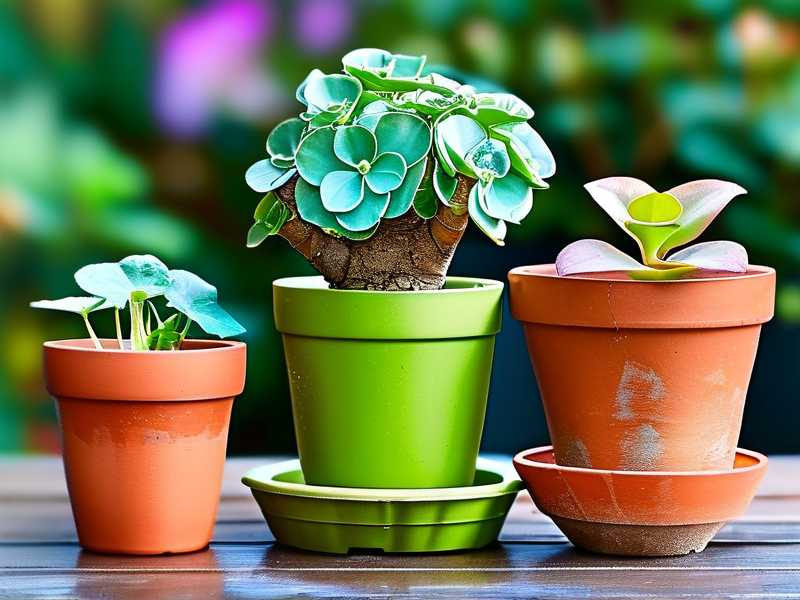
The AHS also stresses that succulents in undersized containers require adjusted watering schedules. I learned this the hard way. My second jade plant died in a pot that was barely bigger than the root system. The soil stayed wet for over a week. The roots never got a chance to breathe.
The 3 Deadly Mistakes Beginners Make
Mistake 1: Watering Too Often
90% of indoor plants die from overwatering. I used to water my jade plants every three days. I thought I was being responsible. In reality, I was drowning them.
The sign is obvious once you know what to look for. Leaves become soft and translucent. They fall off with the slightest touch. The stem near the soil line turns brown and mushy. That is root rot setting in.
I remember checking my third jade plant after two weeks of careful watering. The topsoil felt dry. I watered again. Another two weeks passed. The plant looked worse. When I finally pulled it out of the pot, the roots were brown slime.
Here is what I do now. I stick my finger about one inch into the soil. If I feel any moisture at all, I walk away. I wait at least two more days. For small pots, the soil dries faster than you expect. But the center of the root ball stays wet longer. You need to account for that lag time.
I also started using a wooden skewer. I push it all the way to the bottom of the pot. If the skewer comes out with damp soil stuck to it, I do not water. Simple but effective.
Mistake 2: Light Placement Errors
I kept my first dwarf jade on a north-facing windowsill. I thought indirect light was enough. It was not. The plant stretched toward the window. The leaves became pale and spaced far apart. It looked like a sad version of what it should be.
The problem with poor light is that it affects water usage. When a plant does not get enough light, it stops photosynthesizing properly. It stops using water efficiently. The soil stays wet because the plant is not drinking.
I moved my fourth jade plant to a south-facing windowsill. The difference was immediate. Within two weeks, the leaves developed a red tint along the edges. That is a good sign. It means the plant is getting enough light to produce protective pigments.
But small pots in bright light dry out faster. You need to check moisture more often. I check my south-facing jade every four days. But I only water every 10 to 14 days. The top dries quickly. The bottom takes much longer.
I also rotate the pot once a week. This prevents the plant from leaning toward the light. It also ensures even water usage across the root system.
Mistake 3: Using the Wrong Pot
I love the look of ceramic pots without drainage holes. I bought a beautiful glazed pot and planted my jade directly in it. There was no way for excess water to escape. The water pooled at the bottom. The roots sat in a puddle.
That plant died within three weeks.
The RHS recommends terra cotta pots for succulents. Terra cotta is porous. It allows excess moisture to evaporate through the pot walls. This is critical for small pots where water concentration is high.
I switched to terra cotta for all my jade plants. The difference was night and day. The soil dried more evenly. The roots stayed healthier. I also started using pots with wider openings. This allows more surface area for evaporation.
Another mistake I made was using decorative pots without drainage. I now use a nursery pot with holes and place it inside a decorative outer pot. I remove the inner pot when watering. Let it drain completely. Then put it back.
My 2-Week Experiment: Step by Step
I decided to test my method on a new dwarf jade plant I bought from a local nursery. The pot was small, about four inches wide. I documented everything for two weeks.
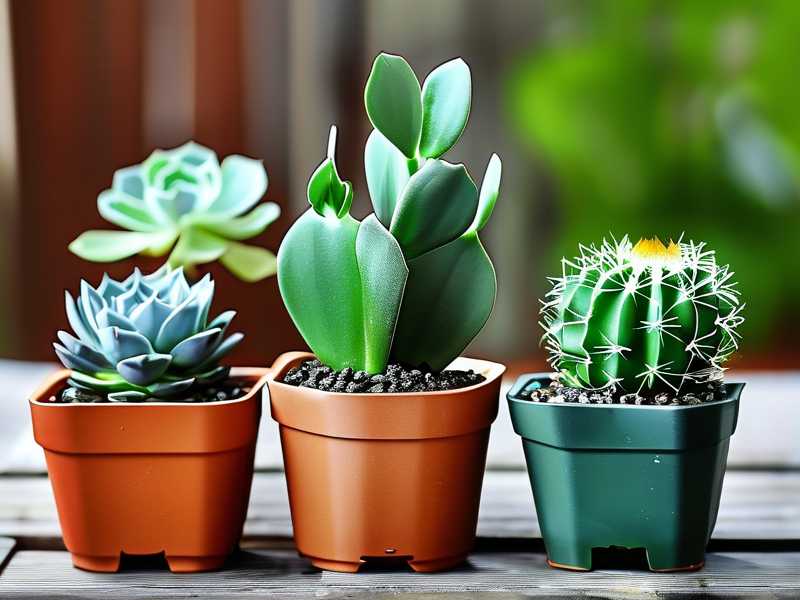
Day 1: The Setup
I repotted the jade into a terra cotta pot with drainage holes. I used a mix of one part regular potting soil and one part perlite. I also added coarse sand. The goal was fast drainage.
I watered the plant thoroughly until water ran out of the bottom holes. Then I let it sit in the sink for 15 minutes to drain completely.
Day 3: First Check
The topsoil felt dry. I did not water. I poked a skewer to the bottom. It came out slightly damp. I closed the cover and waited.
Day 5: Still No Water
The soil was dry on top. The skewer came out mostly dry but with a tiny bit of moisture at the tip. I still did not water. The leaves looked firm and healthy.
Day 7: One Week In
I checked again. The skewer was completely dry. The soil was pulling away slightly from the edges of the pot. That is a sign of dryness.
I watered thoroughly. Let it drain. Then I put the pot back.
Day 9: Second Check
The topsoil was dry again. The bottom was slightly moist. I did not water.
Day 11: Almost There
Skewer came out dry. Leaves looked plump and green. No signs of stress.
Day 14: Final Watering
I watered again. The plant looked better than when I started. Leaves were firm. The stem was upright. No yellowing.
The key takeaway from this experiment is patience. I only watered twice in two weeks. Many beginners would have watered at least five times. That would have killed the plant.
How to Know If You Are Overwatering
There are clear signs. I have learned to spot them early.
Check the leaves first. Healthy jade leaves are firm and plump. If they feel soft or mushy, you have overwatered. If they look wrinkled or deflated, you might be underwatering. But in small pots, overwatering is far more common.
Look at the color. Overwatered leaves turn pale yellow. They might develop brown spots. The edges become translucent.
Check the stem. If the main stem near the soil line is soft or brown, that is bad. Healthy stems are green and firm.
Smell the soil. If you notice a musty or sour smell, that means root rot is happening. The soil has been wet too long.
I also lift the pot. After watering, the pot is heavy. As the soil dries, the pot becomes lighter. I compare the weight of a dry pot versus a wet pot. Over time, you learn to feel the difference.
The Right Way to Water Dwarf Jade in Small Pots
I have developed a system that works. Here are the exact steps.
First, use the right soil. I mix two parts potting soil with one part perlite and one part coarse sand. This creates a gritty texture that drains quickly. The RHS states that succulents require a free-draining substrate. I agree 100 percent.
Second, water deeply but infrequently. When I water, I pour until water comes out of the drainage holes. This ensures the entire root ball gets moisture. Then I let it drain completely.
Third, never let the pot sit in water. I empty the saucer immediately after watering. Standing water is a death sentence for jade plants.
Fourth, reduce watering in winter. Dwarf jade plants go dormant in cooler months. They need less water. I water maybe once every three to four weeks in winter. The AHS recommends reducing water during the plant's rest period.
Fifth, water in the morning. This gives the plant time to absorb moisture during the day. If you water at night, the soil stays wet longer.
I also use room-temperature water. Cold water shocks the roots. I fill a jug and let it sit overnight before using.
My Personal Mistakes List
I killed plant number one because I watered on a schedule. I thought every three days was right.
I killed plant number two because I used no drainage holes. The water had nowhere to go.
I killed plant number three because I kept it in low light. The plant could not use the water I gave it.
I killed plant number four because I used regular potting soil without amendments. It held too much water.
Each mistake taught me something. Now I have five healthy dwarf jade plants in small pots. They are thriving. I have not lost a plant in over a year.
What I Wish Someone Told Me
When I started, I thought succulents were easy. They are easy only if you respect their needs. Dwarf jade plants are not like pothos or philodendrons. They do not like constant moisture.
I also wish someone had told me that small pots make everything harder. You have less margin for error. A single overwatering can kill the plant within days. You have to be more careful.
Another thing I learned the hard way: do not use terracotta pots on plastic trays. The terra cotta will absorb moisture from the soil and release it through the walls. That moisture will sit in the tray. The tray will keep the pot humid. I switched to mesh or wire racks inside the tray to allow airflow.
I also started using a moisture meter. I know some people call it cheating. But it helped me train my intuition. Now I do not need it. But it was a useful crutch.
FAQ
How often should I water dwarf jade in a small pot?
For a four-inch pot in bright light, I water every 10 to 14 days in summer. In winter, every 3 to 4 weeks. But always check the soil first. Do not water on a fixed schedule.
Can I use a pot without drainage holes?
No. Never. This is the number one cause of death for dwarf jade plants. Water has to escape. If it cannot, the roots rot. Use a nursery pot with holes and place it in a decorative pot.
What does root rot look like?
The leaves become soft and yellow. The stem turns brown and mushy near the soil line. The soil smells sour. If you gently pull the plant, it may come out of the pot easily because the roots have decayed.
Final Thoughts
Watering a dwarf jade plant in a small pot is not complicated. But it requires a different mindset. You have to fight the urge to water. You have to trust that the plant can handle dryness.
I have made every mistake in the book. But now I know better. My plants are proof that the right approach works. Start with good soil. Use a pot with drainage. Give plenty of light. And water only when the soil is completely dry.
Your dwarf jade will thank you. It will grow slowly but steadily. The leaves will stay plump and green. You will finally stop killing them.
I promise it gets easier once your hands learn what dry soil feels like. Give it time. Your plant has plenty.





