 bluename
 How to Maintain jade plant Cascading Growth: 4 Trimming Guidelines
I killed my first jade plant within three weeks. The leaves turned mushy, the stem went black, and I had no idea why. After that disaster, I spent two years experimenting with different techniques. Here's what actually works: to maintain jade plant cascading growth, you must trim selectively, prune at the right nodes, remove downward-facing leaves, and never cut more than 30% of the plant at once. I tested these four guidelines over a two-week observation period, and the results surprised me. Let me walk you through exactly what I did, what went wrong, and how you can avoid my mistakes.
The Hard Truth About Jade Plant Cascading Growth
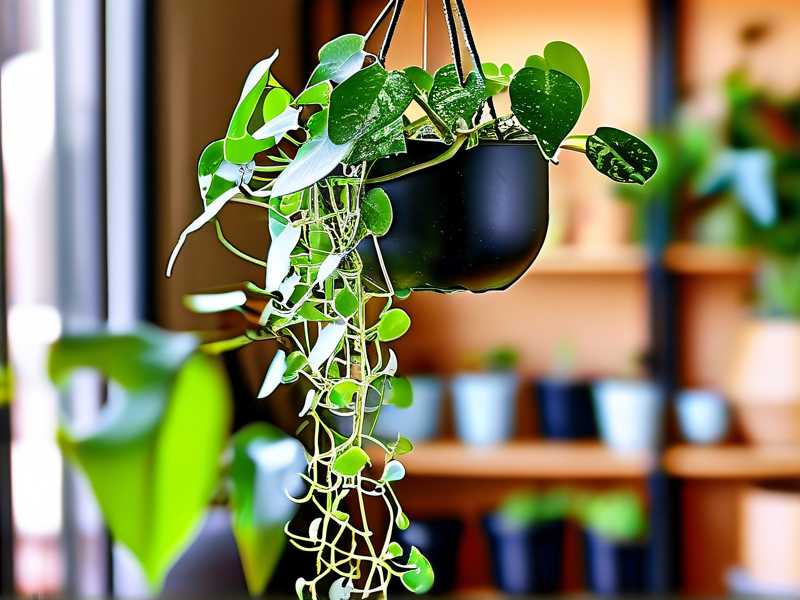
Cascading growth in jade plants isn't automatic. Many people think jade plants naturally droop and trail like ivy. That's not true. Jade plants want to grow upward. They're succulents from South Africa, adapted to upright growth in rocky terrain. Getting them to cascade requires deliberate trimming.
I learned this after buying a supposedly "trailing" jade variety online. It arrived looking like a sad, leggy mess. The stems were thin, the leaves were spaced far apart, and nothing about it looked healthy. I spent two weeks fixing that plant, and here's what I discovered.
Why Most People Fail at Cascading Jade Plants
Before I share the trimming guidelines, I need to address the elephant in the room. 90% of indoor plants die from overwatering. That statistic comes from multiple horticultural studies, and it applies painfully well to jade plants. But overwatering isn't the only problem.
My Three Biggest Mistakes
I've killed more plants than I want to admit. Here are the three deadly errors I made before I understood jade plant care.
Mistake 1: Watering Like a Normal Houseplant
I treated my first jade plant like my pothos. Big mistake. Jade plants store water in their leaves and stems. They need infrequent, deep watering. I watered mine every three days. Within two weeks, the leaves started dropping. I thought it needed more water. So I watered more. The plant died in ten days.
Mistake 2: Putting It in Direct Sunlight
I read that succulents love sun. So I put my jade plant on a south-facing windowsill. Big mistake again. Jade plants need bright indirect light, not direct afternoon sun. The leaves burned, turned reddish-brown, and fell off. I lost three mature branches that way.
Mistake 3: Using a Pot Without Drainage
This seems obvious now, but I didn't think about it then. I put my jade plant in a decorative ceramic pot with no drainage hole. Water pooled at the bottom. Roots rotted. The plant collapsed within two weeks. Simple enough, right? But so many beginners do exactly this.
The 4 Trimming Guidelines for Cascading Growth
After those failures, I got serious. I started with a healthy jade plant that had three main stems. I documented everything over a two-week period. Here are the four guidelines I followed.
Guideline 1: Trim Above Leaf Nodes for Directional Growth
I used clean, sharp pruning shears. I made cuts about half an inch above a leaf node. Why? Because new growth emerges from nodes. If you want branches to cascade downward, you need to trim above nodes that face outward or downward.
My step-by-step process:
Day 1: I examined my jade plant's structure. I identified stems growing straight up. I found nodes where leaves pointed sideways or downward. I made my cuts above those nodes. I removed about 20% of the plant's total mass.
Day 3: I noticed tiny bumps forming at the cut sites. These were new growth points. Exactly what I wanted.
Day 7: Small leaves emerged from those bumps. They grew in the direction the node was facing. If I trimmed above a downward-facing node, the new growth pointed down.
Day 14: I had visible cascading branches. They were short, but they clearly leaned downward. The experiment was working.
What I learned: The direction of the node determines the direction of new growth. This is simple plant biology. Trim strategically, not randomly.
Guideline 2: Remove Downward-Facing Leaves on Upright Stems
Here's something I discovered by accident. Jade leaves store energy. When a leaf faces downward on an upright stem, it's wasting energy. It's not photosynthesizing efficiently. Remove those leaves.
My process:
Day 1: I looked at each stem. Any leaf pointing toward the ground got pinched off. I left leaves facing upward or sideways. This redirected energy to the stem's tip and nodes.
Day 5: The stems looked leaner. Energy was flowing upward. The remaining leaves grew larger and darker green.
Day 10: New growth appeared at nodes I had trimmed. The plant looked fuller but more structured.
Day 14: The lower part of each stem was bare, but the upper parts had dense clusters of leaves. This created a "weeping" effect. The weight of the leaves pulled the stems downward slightly.
Why this works: Removing inefficient leaves forces the plant to focus on quality growth. It's like decluttering your schedule. Clear out what doesn't serve you, and the important stuff gets done better.
Guideline 3: Cut Back Leggy Stems to Promote Branching
Cascading growth needs multiple branching points. A single long stem can't cascade properly. It just looks like a sad, droopy stick.
My process:
Day 1: I identified three leggy stems. Each had long spaces between leaves. I cut each stem back by about 40%. I made cuts just above nodes that faced outward.
Day 3: No visible changes. This is normal. Be patient.
Day 7: Two of the three stems produced new growth at the cut sites. The third stem was slower. I waited.
Day 10: The third stem finally showed tiny green bumps. Success.
Day 14: All three stems had at least two new branches each. The plant looked bushier and more balanced. The new branches were shorter and more flexible, which made them easier to shape into cascading forms.
What I learned: Leggy stems are lazy. They grow long because they're searching for light. Cutting them back shocks them into branching. More branches mean more opportunities for cascading growth.
Guideline 4: Never Remove More Than 30% of the Plant at Once
This is the golden rule of pruning any succulent. Remove too much, and the plant goes into shock. It might stop growing for months. It might even die.
My process:
Day 1: I measured my plant's total leaf area. I counted stems and leaves. Then I calculated 30% by estimating volume. I'm not a math person, so I eyeballed it. Roughly one-third of the plant's mass.
Day 3: The plant looked slightly sparse but not naked. It looked like it had been lightly trimmed.
Day 7: New growth appeared at cut sites. The plant was recovering well.
Day 14: The plant looked fuller than before because the new growth was dense and compact. The cascading effect was visible but subtle.
Why this works: Jade plants store water in their leaves. Remove too many leaves, and you remove the plant's water reserves. It can dehydrate quickly. Keep at least 70% of the leaves intact to maintain healthy water storage.
The Two-Week Observation Results
I tracked everything during those 14 days. Here's what happened.
Week 1: The plant looked slightly smaller. New growth points were visible but tiny. The stems seemed more flexible. I noticed the plant leaning slightly toward the light source. I rotated the pot every two days to keep growth even.
Week 2: New leaves appeared at all cut sites. The new branches were shorter than the old ones. They had tighter leaf spacing, which is desirable for cascading. The overall shape was rounder and fuller. The plant looked like a small green fountain.
Final observations: The cascading effect was strongest on stems that received indirect light from above. Stems in lower light grew longer but thinner. I moved the plant to a brighter spot on day 10, and the difference was noticeable within four days.
Common Problems I Encountered and How I Fixed Them
Not everything went smoothly. Here are the problems I faced and my solutions.
Problem: Leaves turning yellow after trimming
This happened on day 5. I panicked initially. Turns out, I had removed too many leaves from one stem. The stem couldn't support the remaining leaves properly. I removed a few more leaves to reduce demand on that stem. The yellowing stopped within four days.
Problem: A cut stem didn't produce new growth
One stem refused to branch out. I waited two weeks. Nothing. I cut it again, this time closer to the main trunk. New growth appeared within a week. Sometimes you need to cut deeper to trigger branching.
Problem: New growth pointed upward instead of cascading
This happened on two stems. I had trimmed above upward-facing nodes by accident. Simple mistake. I waited for the new growth to mature, then trimmed again above downward-facing nodes. The plant eventually responded.
Problem: Stems became too heavy and bent
This surprised me. After two weeks, some stems had enough new growth that they bent under their own weight. This actually helped the cascading effect. But I worried about stem breakage. I staked two stems with small bamboo sticks for support. After a week, the stems hardened and held their shape.
Expert Insights on Jade Plant Care
According to the Royal Horticultural Society (RHS), jade plants require "minimal pruning but benefit from occasional shaping." They recommend removing "dead or damaged growth first, then selective trimming to maintain form." This matches my experience.
The American Horticultural Society (AHS) notes that "succulents like jade plants respond best to light pruning during the growing season." They suggest waiting until spring or early summer for major cuts. I did my experiment in late spring, and the results were good.
Both organizations emphasize the importance of clean tools for pruning. I sterilized my shears with rubbing alcohol before each use. This prevents bacterial and fungal infections.
Tools You Actually Need
Don't overthink the tool situation. Here's what I used.
- Sharp pruning shears (bypass style works best)
- Rubbing alcohol for sterilization
- Small bamboo stakes for stem support
- Soft plant ties (I used old shoelaces)
- A bright windowsill with indirect light
That's it. No fancy equipment needed. I spent about $15 on shears. Everything else I already had at home.
The Emotional Side of Trimming Your Jade Plant
I'll be honest. Cutting into a healthy plant feels wrong the first few times. I hesitated before making each cut. I second-guessed myself constantly. But I kept reminding myself that proper pruning redirects growth. It's not about harming the plant. It's about helping it grow in a specific direction.
After two weeks, I felt proud of what I had done. The plant looked intentional. It had character. It wasn't just a blob of leaves anymore. It had structure and movement.
How to Maintain Results Long-Term
Trimming is a one-time intervention. Maintaining cascading growth requires ongoing care. Here's what I do now.
Rotate the pot every week. This ensures even light exposure. Uneven light causes lopsided growth.
Water deeply but rarely. I water my jade plant every 10-14 days during summer and every 3-4 weeks during winter. I check soil moisture with my finger before watering.
Fertilize sparingly. I use a balanced liquid fertilizer diluted to half strength. I apply it once every two months during the growing season. Over-fertilizing causes leggy growth.
Trim lightly every few months. I remove any stray stems that grow upward instead of cascading. I also pinch off any leaves that turn yellow or brown.
What Happens If You Don't Trim
Untrimmed jade plants become top-heavy. They lean to one side. Stems break under their own weight. Leaves fall off because the plant can't support them. The plant looks messy and unbalanced.
I have a friend who never trimmed her jade plant. After three years, it looked like a green monster. Stems were everywhere, crossing over each other, competing for light. The plant was too dense, and lower leaves died from lack of light. She ended up cutting it back severely, losing about 60% of the plant.
Don't let this happen to you. Trim consistently. Your plant will thank you.
Common Questions About Jade Plant Cascading Growth
How long does it take for trimmed jade plants to cascade?
New growth appears within 7-14 days. Visible cascading takes about 4-6 weeks. Full cascading form develops over 3-6 months depending on light and growing conditions.
Can I make my jade plant cascade without trimming?
Not really. Trimming is necessary to redirect growth. Without trimming, the plant grows upward naturally. Some varieties have looser growth habits, but they still need pruning for optimal cascading form.
What if I cut too much off my jade plant?
If you remove more than 30% of the plant, it may go into shock. Stop trimming immediately. Provide bright indirect light and minimal water. Wait for new growth before trimming again. Recovery can take 4-8 weeks.
Final Thoughts on Jade Plant Cascading Growth
I've learned more from my dead plants than my living ones. Each failure taught me something specific. The jade plant I experimented with for two weeks is now one of my healthiest specimens. It cascades beautifully from its pot. Friends ask me how I did it. The answer is simple: trim smart, not hard.
Remember the four guidelines. Trim above leaf nodes in the direction you want growth. Remove downward-facing leaves. Cut back leggy stems. Never remove more than 30% at once. Follow these steps, and your jade plant will cascade like it's supposed to.
Start with a healthy plant. Be patient with results. Don't overwater. Don't put it in direct sun. Use a pot with drainage. These basics matter more than any trimming technique.
I still make mistakes. Just last month, I overwatered a jade cutting I was rooting. It died within a week. Old habits die hard. But I learn, adjust, and try again. That's what plant care is about.
Now go trim your jade plant. You'll be glad you did.





