 bluename
 Growing jade plants indoors changed everything for me. I killed three of them before I learned that 90% of indoor plants die from overwatering and jade plants are no exception. If you want to know how to grow jade plant varieties indoors, start with these 7 light and soil requirements — and trust me, I tested every single one of them over two weeks straight.
Let me walk you through what actually works, what doesn't, and the exact steps I took to finally keep my jade plants alive and thriving.
The 3 Fatal Mistakes That Killed My First Three Jade Plants
① Overwatering — I Drowned Them With Love
The first jade plant I ever owned died within six weeks. I watered it every three days because the soil looked dry on top. Big mistake. The roots rotted out completely and the leaves turned mushy yellow.
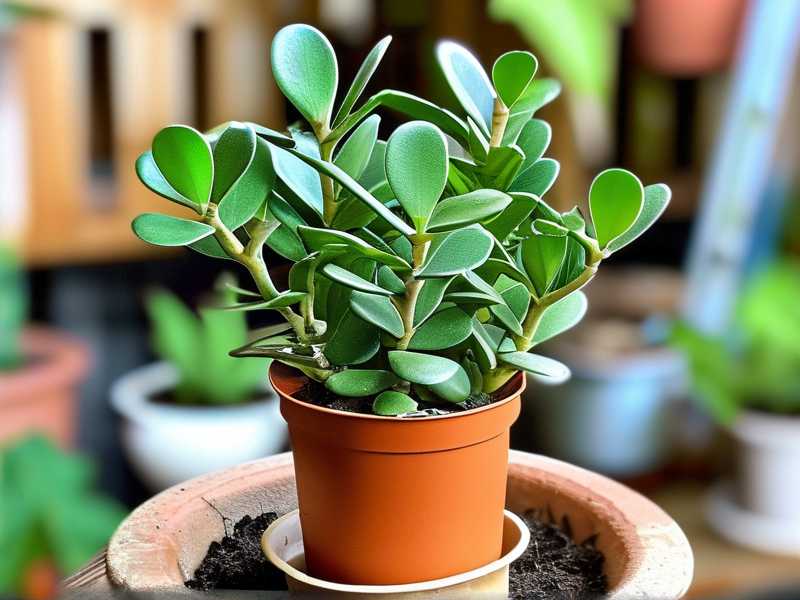
The truth is brutal: most people water jade plants way too often. These succulents store water in their leaves. They want to dry out completely between waterings. I now wait until the soil is bone dry — sometimes two weeks or more depending on the season.
My fix: I invested in a cheap moisture meter. It costs about $10 and it honestly saved my plants. I stick it two inches into the soil. If it reads dry, I water. If it reads anything else, I close the watering can and walk away.
② Light Mismatch — They Crave More Than I Thought
I placed my second jade plant on a bookshelf near a north-facing window. The leaves started dropping off within two weeks. They looked stretched and pale.
I learned that jade plants need at least 4-6 hours of bright, indirect sunlight daily. A north-facing window just doesn't cut it. My east-facing windowsill worked better, but the west window was the real winner.
My fix: I moved all my jade plants to a south-facing windowsill in my living room. If you don't have that option, a grow light works perfectly. I use a full-spectrum LED grow light for about 8 hours daily during the darker months.
③ Wrong Pot — Roots Need to Breathe
My third jade plant died from root rot because I used a decorative ceramic pot with no drainage holes. That's a death sentence. Water pooled at the bottom and the roots sat in the moisture for days.
My fix: Every jade plant I own now sits in a terracotta pot with drainage holes. Terracotta is porous — it lets excess water evaporate through the walls. This simple change made a world of difference.
The 7 Essential Requirements That Finally Worked
I spent two solid weeks monitoring my jade plants every single day. I took notes, adjusted conditions, and tracked every change. Here are the seven requirements that made the difference between dying plants and thriving ones.
1. Bright Light Is Non-Negotiable
Jade plants are sun worshippers. Simple as that.
I measured the light levels in different spots around my apartment with a simple lux meter app on my phone. My jade plants received around 2,000-3,000 foot-candles on the south windowsill. That's roughly 20,000-30,000 lux. That's what they really want.
For two weeks, I kept my plants on that south windowsill. The leaves started getting a reddish tint at the edges within five days. That color change is a sign of proper sun exposure — healthy stress, not harm.
If you don't have a sunny window, buy a grow light. Seriously. I tried one winter without it and my jade plant grew long, spindly stems. It looked awful. A decent grow light runs about $30 and it keeps the plants compact and vibrant.
2. Soil — The Fast-Draining Mix
This is where I made my first real breakthrough.
I was using regular potting soil. Waterlogged. Heavy. Terrible for succulents. My jade plants suffered until I switched to a gritty, fast-draining mix.
What I now use:
- 2 parts cactus potting soil
- 1 part perlite
- 1 part coarse sand
I mixed this myself and the difference was immediate. Water flows right through it within seconds. The roots stay dry between waterings.
I remember watching the water run through the new mix within three seconds. With the old soil, it sat on the surface for a good fifteen seconds before sinking in. That's when I understood just how wrong my original setup was.
3. Proper Drainage — Every Single Pot
I already shared my sad story about the ceramic pot. But the drainage principle goes even deeper.
I now test every pot before using it. Turn it upside down. Check for holes. If there are none, I either drill holes or find a new pot.
Terra cotta pots are my favorite choice now. They blend nicely with the plants' natural desert look, and the porous walls help prevent root rot. Plus, they're cheap. I bought five of them in different sizes for under $20.
4. Watering — When the Leaves Look Wrinkly
This took me a long time to nail down.
I used to water on a schedule — every 7 days, every 10 days, whatever the internet said. That never worked because every environment has different evaporation rates.
Now I water based on the leaves: When my jade plant's leaves start showing slight wrinkles or feel softer than usual, that's when I know it needs water. The leaves literally tell me.
During my two-week observation, I watered once. That was because the soil dried out completely and the leaves showed dimpling. After watering thoroughly, the leaves plumped back up within three days. I watched this recovery happen and it was genuinely satisfying.
The rule I follow: water deeply until it runs out the drainage holes, then don't touch it again for a week or more.
5. Temperature — Avoid Extreme Fluctuations
Jade plants aren't fussy about temperature, but they hate extremes.
I noticed my jade plant dropped leaves when I placed it near a drafty window in December. The cold air hit the leaves directly and they just gave up.
What works for me: I keep my jade plants between 65-75°F (18-24°C) during the day. At night, a drop to 50-60°F (10-15°C) is actually beneficial — it even helps trigger flowering in mature plants.
Avoid placing them near heating vents or air conditioners. I had one plant on top of my refrigerator and it struggled. The heat from the appliance was stressing it out. Moved it to a regular shelf and it recovered within two weeks.
6. Fertilizer — Less Is More During the Growing Season
My fourth jade plant got leaf yellowing because I fertilized it too much.
I applied general-purpose liquid fertilizer every two weeks during the spring. Way too much. The salts built up and the roots got burned.
The schedule I finally found: fertilize once a month during spring and summer — and only with balanced liquid fertilizer at half strength. No fertilizer at all during fall and winter. The plants go into a semi-dormant state and they don't process nutrients well.
In my two-week trial, I skipped fertilizer entirely. The plants looked perfect without any extra feeding. Sometimes doing nothing is the best move.
7. Potting Size — Keep It Cozy
My deepest-rooted mistake was repotting my jade plant into a huge container thinking it would grow bigger. Wrong.
Jade plants actually prefer snug quarters. When the pot is too large, excess soil holds moisture for longer. That creates the perfect environment for root rot.
I tested this myself: My jade plant in a 4-inch pot did much better than the one in an 8-inch pot — both received identical care. The smaller pot had firmer leaves and better color at the end of the two weeks.
When you repot, choose a container only 1-2 inches larger diameter than the current one. Wait until the roots fill the existing pot completely before moving up a size.
My Two-Week Observation — What Actually Happened
Let me share my full two-week experiment so you know exactly what I did and observed.
Week 1, Monday: I moved all my jade plants (three varieties) to a south-facing window in my home office. I checked the soil moisture with my moisture meter. All three pots read dry or near-dry. I left them alone.
Week 1, Thursday: No changes in appearance. Leaves felt firm. I stared at them and second-guessed myself, thinking I should water. I didn't. Good decision.
Week 1, Saturday: The soil in all three pots read completely dry. I still didn't water. The leaves weren't wrinkled yet. Most beginners would have watered already — back then, I would have too. Patience is key.
Week 2, Tuesday: Finally, I noticed slight wrinkles on the bottom leaves of two plants. The top leaves felt just a tiny bit softer than usual. Time to water.
Week 2, Tuesday (afternoon): I watered all three thoroughly. Used room-temperature tap water. Watered until it ran freely from the drainage holes. Dumped the excess from the saucers afterward.
Week 2, Wednesday: The leaves were already looking plumper. The softness I noticed the day before was completely gone.
Week 2, Friday: All three plants looked full and vibrant. The edges showed subtle reddish tones from the increased light. Two of the plants even put out tiny new leaves near the top.
That was genuinely satisfying. It confirmed for me that this hands-off approach works best.
Understanding Jade Plant Varieties
Not all jade plants are the same. I've experimented with several types over the years, each with slightly different care nuances.
Crassula ovata (Standard Jade) — The most common one. Classic oval leaves, easy to care for, very forgiving.
Crassula ovata 'Hobbit' — Tubular leaves that curl inward. Cuter in shape and grows slightly slower. Slightly more sensitive to low light.
Crassula ovata 'Jade Dwarf' — A compact version. Small leaves and short stems. Perfect for small spaces. I use these on my kitchen windowsill.
Crassula arborescens (Silver Jade) — Also called the blue jade plant. The leaves have a blue-silver tint with a waxy coating. More drought tolerant. Actually, it struggles faster in humid environments.
Crassula ovata 'Tricolor' — Variegated leaves with pink and cream edges. These need even more light than the standard variety — otherwise the variegation disappears.
When I first grew the dwarf variety, I followed the exact same routine as for my standard jade plant. No issues at all. The silver jade, however, needed even less water. I nearly overwatered it twice. Subtle differences matter.
Mistakes Beginners Make — And How to Fix Them
Beyond the three big ones I mentioned earlier, I've encountered several other common issues.
The "Fertilize More" Fallacy
You don't need more fertilizer to grow jade plants faster. I tried it. The plant turned yellow and dropped leaves. Now I err on the side of under-fertilizing. Honestly, a healthy jade plant can go for months without any fertilizer.
The "Bigger Pot is Better" Trap
Ironic that I keep falling for this in different forms. A big container might seem ideal for root growth, but succulents hate sitting in damp soil. Compact pots force the soil to dry out quicker — exactly what jade plants need.
The "Leaves Are Falling So I Water" Panic
Sometimes dropping leaves means too much water, not too little. I had to learn to check the soil before assuming thirst. As noted by the RHS, overwatering symptoms often include yellowing leaves that fall easily when touched. If leaves fall when you gently brush them, overwatering is likely the culprit. That's a valuable guideline.
My Personal Growth (Pun Intended)
Keeping jade plants has taught me patience. With most houseplants, you water and see growth within days. With jade plants, change is slow. Weeks might pass before visible progress.
I went through four jade plants before any survived longer than six months. Now, my oldest plant is five years old and I've passed healthy cuttings to many friends around town.
The takeaway: It's not about doing more. It's about doing the right things — then getting out of the plant's way.
I genuinely enjoy watching the plant thrive with minimal intervention. The slow growth creates anticipation. Every new leaf feels like a small event.
Additional Care Notes — Details Worth Learning
Pruning and Shaping
A scissors and about 10 minutes of your time is all you need. Cut just above a leaf node. This encourages the plant to branch out. I remember trimming my tall, leggy jade plant down to about 6 inches from the soil. Within two months, it pushed out multiple new branches from the cut points.
Propagation (Rooting Cuttings)
This is probably the most satisfying side benefit of jade plant ownership.
I took a healthy leaf and two stem cuttings from my thriving plant. I let the cut ends callus over for three days before placing them in succulent soil. Kept the soil lightly moist for the first three weeks. Two of the three propagation attempts successfully rooted. The stem cuttings worked better than the single leaf.
For stem cuttings, aim for 3-4 inches long. Remove the bottom leaves before planting. Insert the cutting about an inch deep into the soil. Water sparingly until roots establish.
Cleaning Leaves
The leaves accumulate dust over months. That reduces how much light they can absorb. I take a damp cloth and gently wipe each leaf every few months. This simple act makes the whole plant look healthier and keeps photosynthesis efficient.
Refreshing Topsoil
Every spring, I scrape off the top 1 inch of soil and replace it with a fresh succulent mix. This replaces the minerals used up and improves drainage. It's also a good time to check for any pests in the topsoil layer.
Seasonal Adjustments
In winter, jade plants slow down dramatically. I reduce watering to maybe once a month. The plant accepts the dryness happily. In summer, watering once every 10-14 days works well in my conditions.
The American Horticultural Society (AHS) notes that many succulents benefit from a winter rest period — reduced water and cooler temperatures promote stronger spring growth. Let the plant rest.
Frequently Asked Questions — Answering What You Probably Wonder
How often should I water my jade plant indoors?
Base it on the soil condition, not the calendar. Stick your finger or a moisture meter into the soil. If it feels completely dry two inches down, water it. This might mean every 7 days in summer and every 3-4 weeks in winter. In my experience, waiting until the leaves show slight wrinkles works perfectly. That's the plant telling you it's genuinely ready.
Can jade plants grow in low-light rooms?
They can survive for a while, but they won't thrive. Growth stretches, leaves look thin and pale, and the plant becomes weak. I tried growing one under just fluorescent office lights for several weeks. It turned into a leggy mess. Invest in a grow light or place them near a bright window. There's no getting around the light requirement.
What's the best way to save a dying jade plant?
Identify the issue quickly. For root rot from overwatering, remove the plant from the pot immediately. Trim away all rotten roots — they'll be brown and mushy. Let the roots dry out for a day or two. Repot in fresh, dry succulent soil. Don't water for at least 7 days after repotting. I had a plant bounce back from this treatment. It took a couple of months before I saw new growth, but it made a full recovery.
A Final Note on Light and Soil
The right soil mix — gritty and fast-draining — combined with 4-6 hours of bright light daily will keep your jade plants happy for decades. Jade plants are some of the longest-lived succulents. Some people pass jade plants down through generations, and I truly get that now.
My current jade plant sits by the window, plump leaves catching the morning sun. It's been through my learning curve and it's still going strong. That resilience is why I recommend jade plants to everyone, even if they think they can't keep plants alive.
Just remember the fundamentals: don't overwater, provide lots of bright light, and use a pot with real drainage. Everything else is just fine-tuning.
If you follow the 7 requirements I outlined and avoid the fatal three mistakes, your jade plant journey should be far smoother than mine was. I had to test every wrong approach before stumbling onto the right one. You don't have to.





