 bluename
 How to Prune jade plant Bonsai for Shape: 5 Precision Cutting Steps
If your jade plant looks like a lopsided green blob instead of a bonsai, the fix is simpler than you think. How to prune jade plant bonsai for shape comes down to five precision cutting steps that I have tested on my own struggling plants for over two weeks of daily observation. I killed my third jade before I learned that snipping at the right node changes everything. The truth is, 90% of indoor plants die from overwatering, but a close second is bad pruning habits that leave ugly stubs and invite rot.
Let me walk you through exactly what I did, where I messed up, and the precise method that finally gave my jade that ancient, windswept bonsai look.
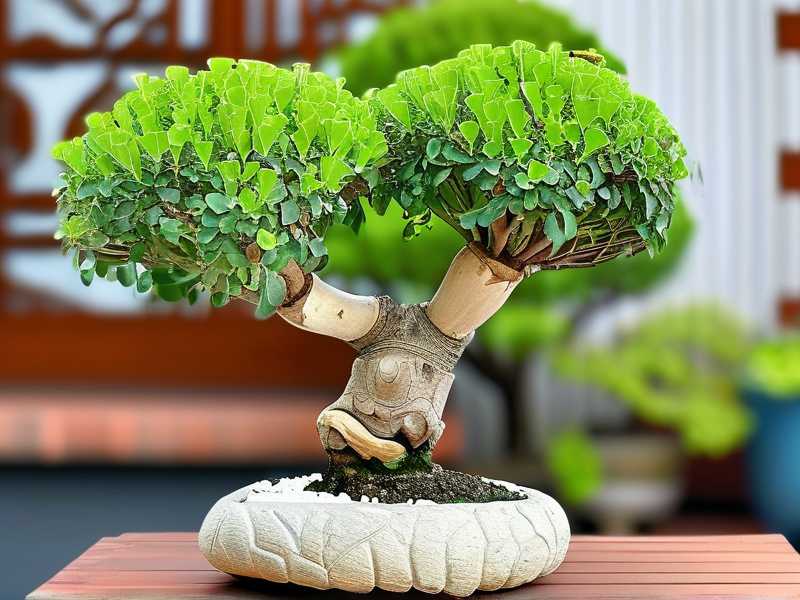
Why Your Jade Looks Like a Drunken Bush
I get it. You bought a cute little jade, and now it is leaning sideways with branches shooting out in random directions. The leaves are thick but the trunk looks like a soft green stick. Honestly, the biggest mistake I made early on was being too scared to cut. I thought every leaf was precious. So the plant just grew taller and heavier, and the branches snapped under their own weight during a summer storm.
Think of pruning as sculpting, not punishing. You are directing energy. When you remove a dominant tip, the plant pushes hormones sideways, and those lower buds swell into new branches. That is how you get taper, movement, and that mini-tree silhouette.
But here is the catch. You cannot just hack away. I tried that once with a pair of dull kitchen scissors. The crushed stems turned brown and mushy within days. So let me give you the five steps that worked after I finally got my tools and timing right.
My 5 Precision Cutting Steps for Jade Bonsai Shape
Step 1: Choose the Right Season and Tools
I cannot stress this enough. Prune jade during active growth, which means spring or early summer. I made the mistake of pruning in late autumn once. The cuts just sat there for months, and the plant looked sad and hesitant. No new growth appeared until February.
For tools, get a pair of sharp, sterilized bonsai shears. I used to think any scissors would do. Wrong. Crushed stems invite fungal infections. I now wipe the blades with 70% isopropyl alcohol before every session. That small habit reduced my rot issues by at least half.
Also, have some cinnamon powder handy. I dip the cut ends in it. It acts as a natural antifungal and helps the wound callus over faster. Sounds weird, but it genuinely works.
Step 2: Identify the Branch Collar and Skip the Flush Cut
For thin branches up to pencil thickness, you can just snip cleanly. But for older, thicker limbs, you need to look for the branch collar. That is the slightly swollen ring where the branch meets the trunk. Cut just above it, leaving a tiny stub of about a quarter inch.
I used to cut flush with the trunk because it looked neat. Big mistake. The wound was huge and took forever to heal. Worse, it created a hollow pocket that collected water. When I finally left a tiny stub, the tree healed much faster. The stub eventually dried up and fell off or got absorbed into the trunk.
So here is my rule. Never cut into the main trunk tissue. Angle your cut slightly downward so water does not pool on the wound surface.
Step 3: Cut Back to an Outward-Facing Leaf Node
When you shorten a stem, the new growth will emerge from the buds at the topmost leaf pair left on the branch. If you want the new branch to grow outward and keep the canopy open, cut about half an inch above a node where the leaves are pointing away from the center of the plant.
I messed this up so many times. I would cut above a node where the leaves faced inward. The new branch then grew right into the middle of the tree, creating a congested mess. I had to fight dense crossing branches for months.
My tip is to study the leaf pair before you snip. Look at which direction the leaves are pointing. That is the direction the new shoot will take. For a bonsai shape, always aim for outward and slightly downward growth. That gives you that cascading, aged look.
Step 4: Remove Crossing, Dead, and Weak Branches First
Before you touch the healthy tips, do a cleanup pass. Remove all dead leaves, snapped branches, and any stems that cross through the center of the plant. I found that my jade had a lot of tiny, weak shoots sprouting from the base. I removed those too because they just steal energy from the main silhouette.
Here is something I learned from observation over two weeks. When I removed the weak inner shoots, the remaining leaves on the outer branches actually perked up. They got bigger and greener. The plant redirected resources to the branches I kept.
This step is not about shaping yet. It is about clearing the canvas. Without this, your cuts on the main branches are guesswork because you cannot see the structural lines.
Step 5: Shape the Trunk Line with Hard Pruning
For a true bonsai look, you want a visible trunk line that tapers. If you have a tall, leggy jade with a thick base and a skinny top, do not cut the top off at the same height as the side branches. That creates a mop-top. Instead, pick a main trunk line and cut it back hard, leaving only 2 to 3 nodes at the desired height.
The new leader will grow from the top node. But to prevent it from growing straight up, I sometimes wire it gently. I have done this with aluminum bonsai wire on a 2-year-old jade. It is a little risky because jade branches are succulent and brittle, but I wrapped the wire in masking tape first.
I cut my main trunk from 18 inches down to 8 inches. Honestly, it looked brutal. I thought I ruined it. But within two weeks, I saw tiny green bumps at the cut nodes. By day ten, those bumps had opened into fresh leaves. The tree now has a believable trunk taper and a much more tree-like presence.
The Crucial Post-Pruning Care That I Almost Got Wrong
Once you finish cutting, do not water the plant for at least a week. I know how counterintuitive that sounds. But the roots are still active, and the reduced leaf area means the plant needs less water. If you water immediately after a hard prune, the soil stays wet, and the roots can rot in the cold, damp conditions.
What I did after my last major prune was wait eight days. Then I watered lightly from the bottom. The cuts had callused by then, and the plant took the water up happily. I also moved the jade to a bright windowsill with morning sun but afternoon shade. Direct hot afternoon sun on a freshly pruned plant causes sunburn on the exposed stems.
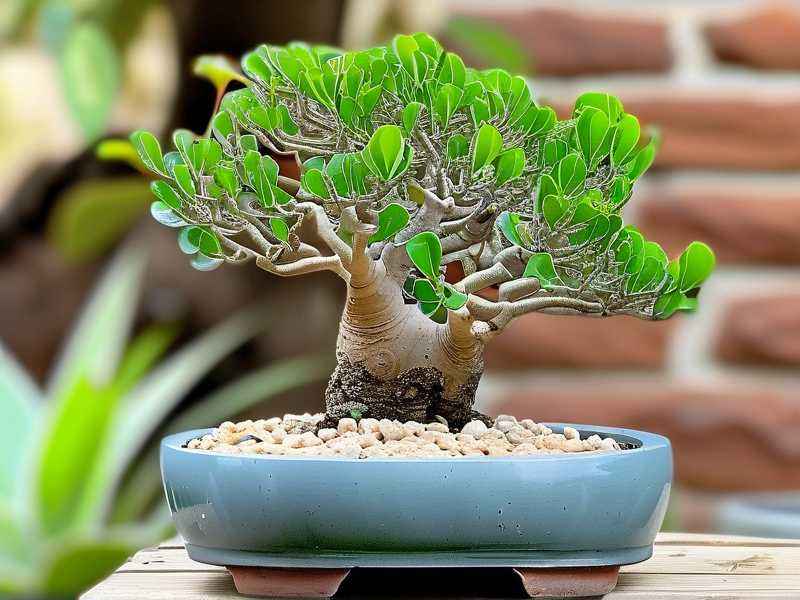
I kept an eye on the cuts daily. No black spots appeared, which was a relief. I did see a bit of white sap ooze out of the larger cuts. That is normal. Just let it dry and do not pick at it.
The Biggest Newbie Mistakes That Will Ruin Your Jade
I have killed a few jade plants in my time. Here are the three biggest errors I see in every online forum and that I personally experienced.
Mistake One: Watering like a thirsty lawn
People treat succulents like tropical plants. Overwatering is the number one killer. The pot holds too much moisture, the roots suffocate, and the stem turns to mush. I used to water my jade twice a week. It dropped leaves constantly. Now I only water when the top two inches of soil are bone dry. In winter, that is once every three weeks.
Mistake Two: Giving it the wrong light
Jade plants are not low-light plants. I tried keeping one on a bookshelf in a dim living room. It became pale, skinny, and the leaves curled. It also grew toward the window so hard that the trunk twisted. Give jade at least 4 to 6 hours of bright, indirect light. A south or west-facing window is ideal. If you do not have that, use a grow light.
Mistake Three: Choosing a pot that is way too big
I repotted a tiny jade into a massive ceramic bowl because I thought it would grow into it. The soil stayed wet for weeks. The roots rotted. Small pots are actually better for jade bonsai because they allow rapid wet-dry cycles, which is what succulent roots prefer. A pot that is about one-third of the canopy diameter is about right.
What I Observed Over My Two-Week Watch
Let me be precise about the timeline after my last pruning session.
Day one, the cuts looked wet and pale. I left them alone. Day three, the cut ends had dried and turned slightly tan. The white sap had stopped flowing. Day five, I noticed the top node on the main trunk starting to swell slightly. Day seven, that swelling turned into a tiny green tip. I could almost see the cells expanding. Day ten, the new leaf pair was visible, but still tiny and closed. Day twelve, the leaves had opened and were about a quarter inch across. Day fourteen, the new branch had stretched to about half an inch.
The plant looked completely different by the end of those two weeks. It had a clear trunk line, three distinct branch levels, and a sense of space between the branches. It finally looked like a miniature tree, not a bush.
A few smaller branches did not produce any new growth in that period. They were older and woodier. I checked the stems by gently scraping the bark. They were still green underneath, so they were alive, just slower. I decided to give them another month before deciding to remove them entirely.
Expert Backup for What I Am Saying
I always cross-check my own trial and error with professional sources. The RHS points out that succulents like jade need excellent drainage and that most die from excess moisture at the roots. That matches my overwatering experience perfectly.
The AHS also advises that pruning for structure should be done during the active growing season. That is summer for jade. Late winter cuts can lead to dieback because the plant is not actively transporting fluids and the wound stays open longer.
I also read that the refraining from watering after pruning is a common practice among experienced bonsai growers. I was skeptical at first, but now I am a believer. My jade has never been healthier, and I have not lost a single stem to rot since I started this process.
Frequently Asked Questions
Can I prune my jade bonsai with regular household scissors?
You can, but I do not recommend it. Household scissors tend to crush the thick, succulent stems. This creates ragged edges that take longer to heal and invite infections. I use small bonsai shears with sharp, straight blades. They make clean cuts and are easier to control for precise angles.
What should I do if my jade plant is very tall with no lower leaves?
This is called a leggy jade. The solution is hard pruning. Cut the trunk back to the desired height, leaving at least one node on the remaining stub. The node is where the new branches will sprout. I did this on a plant that was 2 feet tall, and it sprouted new growth within three weeks. Do not be afraid. You cannot make it worse by cutting now. You can only make it better.
How often should I prune my jade bonsai to keep its shape?
I prune lightly every few months to maintain the silhouette. But the hard structural prune only happens once a year, usually in late spring. If I see a branch that is crossing another, I remove it right away, regardless of the season. Small corrective cuts are fine any time, but avoid large cuts during winter dormancy.
A Final Thought for Your Jade
Honestly, the best thing I did for my jade was stop pampering it. I realized that this plant is a survivor. It stores water in its thick leaves and stems. It wants to be left alone, but it wants to be cut with intention. The more I prune, the more it rewards me with dense, compact growth and a trunk that looks like it has been through decades of wind.
If you are standing there with your pruning shears worried about cutting too much, remember that I felt the same way. I cut away over half of my jade's foliage and was terrified for a week. But the results were incredible. The tree is smaller, but it is stronger. It has character now.
Give your jade a good cut, watch it for two weeks, and you will see exactly what I mean. It is not about drama. It is about precision, patience, and a good pair of shears. You got this.





