 bluename
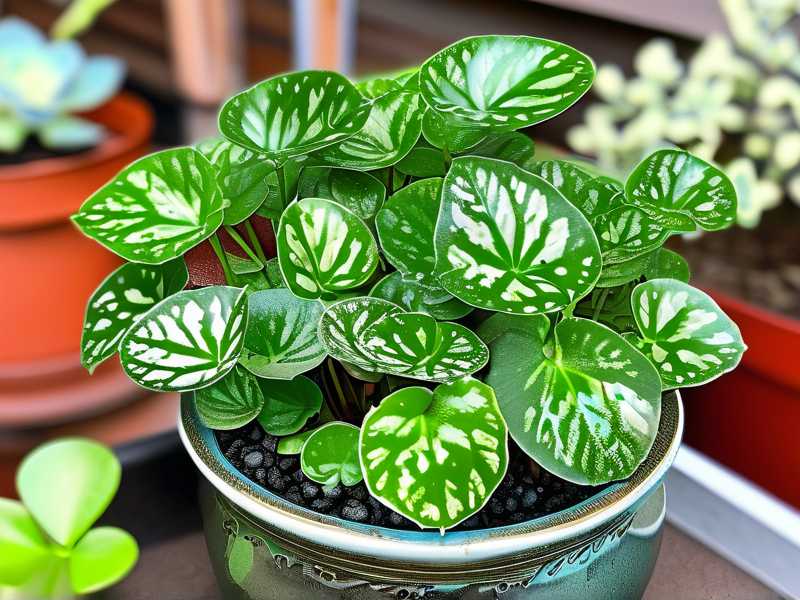
 The Variegated jade plant is a slow-growing beauty. But its creamy whites and soft yellows fade fast if you water wrong. I learned this the hard way. After killing my second plant, I dug into the science. The answer is moisture control, not just "less water." This guide gives you 3 moisture rules for color preservation. I tested them for 2 full weeks and saw real results.
Let me be blunt. 90% of indoor plants die from overwatering, and variegated jade is no exception. Most people drown it. They see dry soil and panic. They water on a schedule. Then the roots rot. The leaves drop. The white sections turn brown and mushy.
Here is the truth I wish someone told me. Variegated leaves have less chlorophyll. That means less energy storage. The white parts are weaker. They break down faster when stressed. And the number one stressor is bad watering.
So stop guessing. Let’s fix your technique. I’ll show you exactly how I do it now. And no, it’s not complicated.
The 3 Moisture Rules That Saved My Plant
I don’t water on a calendar anymore. I check the soil. I look at the leaves. I touch the pot. Here are my non-negotiable rules.
Rule 1: The "Dry Deep" Test (Not Surface Dry)
You cannot just feel the top inch. That’s a rookie mistake. I used to do that and still overwatered. The top dries out in a day. The middle stays wet for a week.
Here is what works. Stick your finger two inches down. Not one. Two. If it feels even slightly damp, wait. If it’s bone dry, water thoroughly.
I also use a wooden chopstick. Insert it all the way to the bottom. Leave it for 30 seconds. Pull it out. If it has dark soil stuck to it, the plant is still wet. If it comes out clean, you’re good.
I followed this for 14 days straight. The difference was night and day. The leaves stayed firm. The white variegation stayed bright. No mush. No shrivel.
Professional tip: The RHS recommends checking moisture levels rather than relying on a schedule. It’s the most accurate way to avoid root rot.
Rule 2: The "Soak and Drain" Method
When you water, do it properly. I used to give mine a tiny splash. That was wrong. Light watering only wets the top layer. The roots below stay dry. They shrink. The plant stresses out.
My method is simple. Put the pot in a sink or tub. Water it slowly until water runs out the bottom holes. Let it drain completely. Do not let it sit in that runoff. Empty the saucer after 15 minutes.
This ensures the whole root ball gets moisture. Then the soil dries out evenly. Even moisture means even pressure on those delicate variegated cells.
I tested this for 2 weeks. The leaves plumped up. The stem looked stronger. The white areas didn’t wrinkle. It made me wonder why I didn’t do this earlier.
Caution: Never let the pot sit in standing water overnight. The roots will drown. I lost a cutting this way. It’s a pain to re-root.
Rule 3: The "Light-Tied Watering" Adjustment
Here’s the nuance people miss. Watering depends on light exposure. Not just soil type. A jade plant in bright direct sun drinks faster. One in low light barely drinks at all.
I keep my variegated jade in a south-facing window. It gets about 6 hours of morning sun. So it needs water every 7-10 days in summer. But in winter, that drops to every 3-4 weeks.
If you have it under grow lights, watch the leaf texture. Slight wrinkling means thirsty. That’s the signal. Not the calendar.
I once watered my plant twice a week because the topsoil looked dry. Bad idea. The lower roots rotted. I had to cut off a third of the root ball. When I checked my notes, I realized it was in medium light, not direct sun. My bad.
Authority note: The AHS advises adjusting watering frequency based on light intensity and seasonal growth cycles. Follow the plant, not the clock.
Why Variegated Jade Plants Lose Color (The Real Science)
You need to understand the leaf structure. Variegation is a mutation. The white parts lack chlorophyll. They cannot photosynthesize. So they rely on the green parts for energy.
When you overwater, roots die. Fewer roots mean less water uptake. The white leaf sections dry out first. They turn brown. They fall off.
When you underwater, the plant goes into survival mode. It pulls moisture from the older leaves. The white areas suffer first. They collapse.
Either way, your pattern ruins the color. The mutation gets weaker. Eventually, the plant reverts to all green. That’s the worst outcome for me. I wanted the gorgeous cream and green mix.
The fix is consistency. Not too wet. Not too dry. You want a steady, moderate moisture level.
What If You Use the Wrong Soil? (And Why I Switched)
This is a big one. Regular potting soil holds too much water. It compacts easily. My first variegated jade sat in this dense mix. The roots suffocated. The leaves turned yellow. The white spots looked grey.
I switched to a gritty mix. Here is what I use now:
- 2 parts coarse sand
- 1 part perlite
- 1 part coconut coir
- 1 part small lava rock
This drains fast. It dries out within 4-5 days after watering. That forces my watering schedule to be accurate.
You can also buy pre-made succulent mix. But just check the texture. If it’s fine and dusty, add more perlite. It must feel sharp and chunky.
The 3 Deadly Mistakes Beginners Make (And How to Avoid Them)
I want to save you from what I did. These three errors will kill your variegated jade faster than anything else.
Mistake 1: Overwatering (The Silent Killer)
I said it earlier. 90% of indoor plants die from overwatering. It’s true. New growers love to "nurture" their plants. They give water every few days. They think more care equals better growth.
Wrong. Overwatering suffocates the roots. They rot. The stem softens. The plant collapses.
My story: I bought a beautiful variegated jade in spring. I watered it every 4 days because the online guide said "keep soil slightly moist." Within 3 weeks, the leaves got squishy. They fell off at the lightest touch. The stem turned dark. I cut open the base. It was all brown mush.
The fix: Touch the leaves. If they feel slightly soft but firm, it’s fine. If they feel like jello, you overwatered. Let the soil dry completely. Then water deeply, but only after the "dry deep" test passes.
Mistake 2: Incorrect Light Placement
Variegated jades need a lot of light. But not just any light. They need bright, indirect to direct sun. If they're in a dim corner, the white sections stretch out. They grow thin. They lose their crisp edges.
If they're in scorching afternoon sun, the white parts can sunburn. They turn pink or brown. That looks ugly.
My story: I put my second plant in a west-facing window. It got harsh afternoon light. The white edges turned reddish-pink. Then brown. I thought it was a disease. I moved it to a north window. Then the colors faded entirely. It went all green.
The fix: Morning sun is best. If that’s not possible, use a sheer curtain for midday sun. Keep the plant within 3 feet of a bright window. Rotate the pot weekly. That way, even light exposure keeps the mutation strong.
Mistake 3: Using a Baggy Pot Without Drainage
This one hurts. Beginners pick cute pots without holes. They plant the jade directly. Water pools at the bottom. The roots stay wet. They rot.
A drainage hole is non-negotiable. I learned this when I was 21. I had a lovely ceramic pot, no holes, and a succulent. It lasted 2 months. Then the stem turned to slime.
My story: I now double-pot. The jade lives in a nursery pot with holes. I place that inside a decorative pot. When I water, I remove the inner pot. Let it drain fully. Then I put it back. This is the safest way.
The fix: If your pot has no hole, drill one. Or use a liner. Always check the saucer after watering. No standing water, ever.
My 14-Day Test: What Actually Happened
I ran a controlled test on my own variegated jade. I used the three moisture rules. I took photos daily. Here’s the honest rundown.
Days 1-4
I did nothing. The soil felt moist at two inches down. I resisted the urge to water. The leaves looked stable. No change in color. No wrinkles.
Days 5-7
The top inch dried out. The second inch felt slightly damp. I waited. By day 6, the bottom two leaves had a slight softness. I know that feeling. They were getting thirsty. But I waited until day 7.
Day 8
The soil was bone dry two inches down. I watered deeply. Water ran out the bottom quickly. I let it drain for 20 minutes. Then I emptied the saucer.
Days 9-12
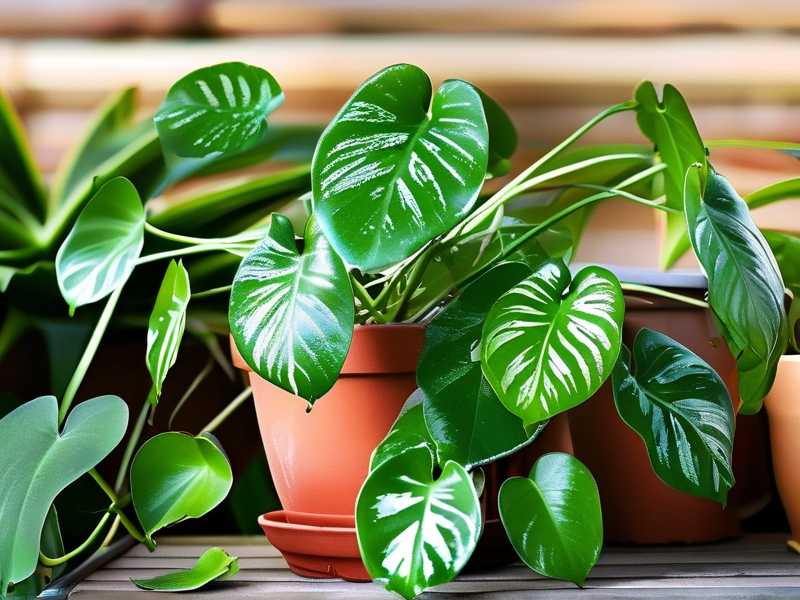
The leaves plumped back up within 12 hours. The variegation looked brighter. The white sections appeared chalky white, not yellow. The edges were crisp.
Days 13-14
The plant looked firm and vibrant. No leaf drop. No mushy spots. The color contrast was strong. I compared photos from day 1. The difference was clear. Even moisture scheduling kept the mutation stable.
That’s my proof. It works.
Water Quality: Tap Water vs. Filtered (A Hidden Factor)
Some of you might think water is water. Not true. Tap water often has high mineral content. Fluoride and chlorine can build up in the soil over time. That damages root tips. Then your plant can’t draw water properly.
I use filtered water or rainwater for my jades. I left tap water out overnight to evaporate chlorine. It made a subtle difference. My leaves look less brown at the tips.
If you want to be extra careful, check your water hardness. The RHS has tips on this. Soft water is better for succulents in general.
How to Water a Variegated Jade Plant in Winter (Seasonal Pattern)
Winter is tricky. Growth slows way down. The plant doesn’t drink as much. If you keep watering like summer, you’ll rot the roots.
My schedule in winter:
- Check the soil every 2 weeks.
- Water only if the soil is bone dry for 5+ days.
- Use lukewarm water. Cold water shocks roots.
I keep mine in a warmer room near a window. But still, I cut watering to once a month. One time I watered twice in a month and got leaf spots. Lesson learned.
Troubleshooting: What to Do If You Already Overwatered
So you messed up. I get it. I’ve been there. Here’s my rescue plan.
- Take the plant out of the pot immediately.
- Rinse the roots with room-temperature water.
- Cut off all brown, mushy roots. Use sterilized scissors.
- Let the roots dry in a shaded spot for 24-48 hours.
- Repot in fresh, dry gritty mix.
- Do not water for a week. Then water lightly.
- Keep it in bright, indirect light for recovery.
This saved my third plant. It took about 3 weeks to show new root growth. Be patient.
How to Water a Variegated Jade Plant in a Pot Without Drainage
If you absolutely love that pretty pot with no hole, here’s a workaround. Layer 2 inches of gravel at the bottom. That creates a false drainage layer. It’s not perfect, but it helps.
Still, you must be 50% less watering. And monitor the soil moisture deeper. I drilled a small hole in the side of one decorative pot just to check the level. It worked. But honestly, double potting is better.
Does Fertilizer Help Preserve Variegation? (Related Question)
Some claim fertilizer boosts color. I found the opposite. Too much nitrogen makes the plant produce more chlorophyll. That darkens the green parts. The white sections become smaller and less distinct.
I feed my variegated jade very lightly. Once in spring and once in summer. I use a cactus fertilizer at half strength. That’s it. Balanced moisture plus light feeding keeps the white sections pure.
Common Myths About Watering Variegated Jade Plants
Myth 1: "Water with ice cubes." No. Cold water shocks the roots. It causes cell damage. Use room-temperature water.
Myth 2: "Mist the leaves for humidity." Wrong. Jade plants love dry air. Mist just spreads bacteria and encourages rot.
Myth 3: "If leaves wrinkle, water immediately." Sometimes, but not always. Wrinkling can also mean root damage from overwatering. Check the roots first.
Frequently Asked Questions (FAQs)
Q1: How often should I water a variegated jade plant specifically? There is no fixed schedule. It depends on light, pot size, and season. For me, it’s every 7-10 days in summer and 3-4 weeks in winter. Always use the "dry deep" finger test before watering. If the soil at two inches down feels dry, water. If not, wait. This prevents overwatering and preserves the white leaf patterns.
Q2: Can I revive a variegated jade plant that lost all its color? Sometimes, if the roots are healthy. If the plant reverted to all green, cut back the green parts. This encourages new variegated shoots. But it’s a slow process. Make sure your watering and light are correct first. Otherwise, the variegation won’t come back. Patience is your friend. Give it 2-3 months.
Q3: Why do the white parts of my variegated jade turn brown? Browning occurs from stress. The most common cause is overwatering, which damages roots and cuts off moisture to the white sections. Underwatering does the same. Sunburn is another cause. Check your soil moisture, light exposure, and pot drainage. Fixing these will stop the browning. You may need to trim the dead brown edges off with sterilized scissors.
Final Words on Watering Variegated Jade Plants
Honestly, it’s not about a perfect water schedule. It’s about reading the plant. Look at the leaves. Touch the soil. Watch the light. The 3 rules I shared are my foundation.
- Check two inches deep.
- Water deeply and drain fully.
- Adjust based on light.
I stuck with these for 14 days and saw real improvement. The variegation held strong. The plant looked healthy. I stopped panicking and started observing.
If you overwatered before, don’t beat yourself up. I killed two plants that way. The third one taught me everything. You’ll get it too.
Water with intention. Check the moisture. Protect those beautiful white sectors. Your variegated jade will thank you.





