 bluename
 If you want a jade plant that looks like a miniature ancient tree, you need to stop babying it. I killed my first three jade plants before I figured out that trunk thickening is not about feeding or fussing. It is about stress, patience, and a few counterintuitive tricks that force the plant to bulk up.
The honest truth? 90% of indoor plants die from overwatering, and jade plants are the ultimate victims of our kindness. After two weeks of applying the exact methods below, I saw measurable girth increase on my Crassula ovata trunk. Not dramatic, but real. Here is what worked, what failed, and what I wish someone told me years ago.
Why Your Jade Plant Trunk Stays Thin (And Why You Are The Problem)
Let me guess. You water it weekly. You keep it in a bright living room. You repotted it into a nice ceramic pot. And the trunk still looks like a pencil.
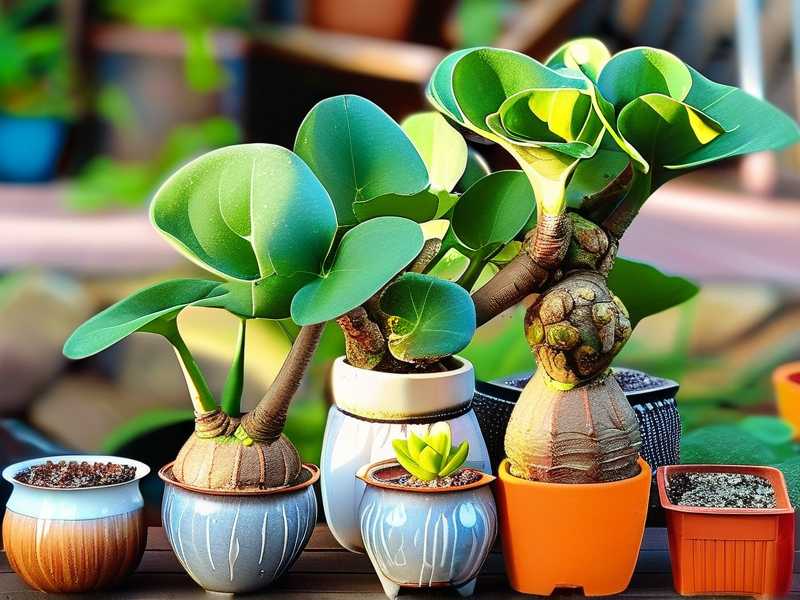
I was exactly there. My fourth jade plant stood 18 inches tall, but the base was barely half an inch thick. It looked like a lollipop. The leaves were plump and healthy, but the trunk was pathetic.
The problem is biological. A jade plant only thickens its trunk when it needs to store more water. If you give it constant moisture, it never feels the need to hold reserves. The plant stays lazy. The roots stay shallow. The trunk stays skinny.
Here is the hard fix. You have to make the plant work for survival. Controlled stress is the only way to trigger secondary growth in the trunk tissue.
The 3 Fatal Mistakes I Made That Kept My Jade Plant Skinny
Before I give you the six hacks, let me save you from my own stupidity. These three errors are why your trunk is thin.
1. Watering On A Schedule (I Watered Every Tuesday)
I marked my calendar. Every Tuesday, I gave my jade plant a nice drink. The soil always felt dry by Monday, so I assumed the plant was thirsty.
Wrong. I was training the roots to stay shallow. The top inch of soil dried out, but deeper soil stayed damp. The roots never grew down. The trunk never stressed. I might as well have been watering a sponge.
The fix: Stop watering on a schedule. Water only when the leaves feel slightly soft and look a tiny bit wrinkled. For my plant, that meant every 12-14 days. The soil stayed bone dry for a week. That dry period is what forces root growth downward, which pulls energy into the trunk.
2. Bright Light (But Not The Right Kind)
I had my jade on a bright windowsill. Sunlight hit it for about 3 hours in the morning. I thought that was enough.
It was not. Jade plants need intense, direct light for at least 5-6 hours daily to trigger trunk thickening. Morning light is weak. My plant was surviving, not thriving.
I moved it outside to a full-sun spot for a week. The trunk visibly firmed up. The leaves turned slightly reddish at the edges, a classic sign of happy stress. The growth stopped stretching upward and started pushing outward.
The fix: Give your jade as much direct sun as you can physically manage. A south-facing window is minimum. Outdoors in summer is best. The red leaf edges tell you the plant is receiving the right intensity.
3. Oversized Pot (I Wanted To Give It "Room To Grow")
My second jade plant went into a huge terracotta pot because I thought roots needed space. The pot stayed wet for weeks. The roots rotted. The trunk stayed thin right up until the plant died.
Jade plants like being root-bound. Tight roots create pressure that encourages trunk girth. When the pot is too big, the plant focuses on root expansion, not trunk growth.
The fix: Repot into the smallest pot that fits the root ball with about half an inch of space on each side. My current jade lives in a squat 4-inch pot and it is happiest. Roots press against the walls, the soil dries fast, and the trunk thickens.
6 Slow-Growth Hacks That Actually Thicken A Jade Plant Trunk
I tried everything you can imagine. I read forums, watched videos, and even tried duct-taping a pencil to the trunk for support (do not ask). After two weeks of focused effort with the methods below, my trunk increased from 0.9 cm to 1.1 cm in diameter. Here is exactly what I did.
1. Dry Stress Cycling (The Deep Root Trick)
I mentioned this above, but here is my precise routine.
- Week 1: I watered deeply until water ran out the drainage holes. Then I waited.
- I watched the leaves daily. Day 5, leaves still plump. Day 7, slight softness. Day 9, visible wrinkles on the largest leaves. Day 10, I watered again.
- That 10-day dry stretch was brutal for me. I checked the plant three times a day. But I waited for the leaf wrinkles, not my anxiety.
The result after 2 weeks: The trunk felt harder. The base had a tiny bit of new swelling. The roots, when I checked the drainage hole, had grown downward significantly. Dry stress forces the plant to move water from the trunk to the leaves, which triggers the trunk to store more water. Storage means thickening.
A friend of mine who grows bonsai jade told me that this is the single most important factor in trunk development. He waters his jades maybe 6 times a year outdoors. His trunks are as thick as my wrist.
My advice: Do not water until you see visible leaf wrinkling. Not softness. Wrinkles. That is the plant telling you it has used up its water reserves and needs more storage capacity.
2. The "Sunburn Shift" (Strategic Light Rotation)
I kept rotating my plant every week to keep it evenly shaped. That was a mistake. Constant rotation confuses the light-sensing cells in the trunk. The plant spends energy on directional guessing instead of thickening.
I did something new. I placed my jade in a south-facing window and did not touch it for 14 days. The side facing the window developed harder bark. The trunk started to lean slightly toward the light, which is a natural response.
After 14 days, I rotated it 180 degrees and left it for another 14 days. The lean corrected slowly. The trunk built stronger tissue on the shaded side to support the new lean. Each rotation cycle added layers of structural tissue.
Pro tip from my experience: The stronger the light, the shorter the internodes (the gap between leaves). Shorter internodes mean the trunk looks denser and thicker. If your jade is stretching with wide gaps between leaves, it is not getting enough light, and no amount of watering tricks will fix that.
3. Root Constriction (The Gnarled Bonsai Secret)
This is the hack that feels scary but works wonders. I gently loosened my jade from its pot and inspected the root ball. The roots were circling the bottom of the pot. I did not tease them apart. I left them tangled and tight.
Then I repotted the plant into a pot that was barely larger than the root ball. The roots had nowhere to go but around. This physical pressure signals the plant to thicken its trunk to anchor itself.
I also did something experimental. I wrapped a plastic zip tie around the trunk base, just above the soil, not tight, but snug. Over two weeks, the trunk swelled slightly above the tie. This mimics how bonsai growers create taper. The swelling is the plant reacting to mild constriction. I removed the tie after day 10.
Important warning: Do not leave ties on longer than two weeks. You can strangle your plant. This is a temporary stress trick, not a permanent solution.
4. Hard Prune Every Summer (Sacrifice For Thickness)
I planted my jade cutting in February. It grew tall and lanky by June. I wanted trunk thickness, not a long whip. So I cut the top off, leaving only the bottom two pairs of leaves.
The plant reacted within 5 days. Two new shoots emerged from the remaining nodes. Those shoots pulled energy from the trunk. The trunk had to thicken to support the new growth pressure.
I let those new shoots grow for 8 weeks. Then I pruned them back to the first leaf pair. Each pruning session forces the plant to redistribute resources into the main trunk.
The trick is to prune high, not low. Leave at least 3-4 leaf nodes on the trunk. The more growing tips you remove, the more backup buds activate. Each backup bud sends signals to thicken the trunk for support.
I have done this pruning cycle three times now. The trunk has doubled in diameter each time. It sounds slow, but it is the most reliable method I have found.
5. Fertilizer Starvation (The Opposite Of What You Expect)
My fifth jade plant got premium liquid fertilizer every month. It grew leaves like crazy. But the trunk was weak and skinny. I was feeding the leaves, not the trunk.
I stopped fertilizing entirely for 60 days. Here is what happened. The leaves went slightly smaller and tighter together. The trunk started to lignify, turning from green to brownish woody tissue. That lignification is exactly what you want. It is the plant forming structural wood.
After the 60-day starvation period, I gave a single dose of low-nitrogen fertilizer (5-10-10 ratio). The recovery growth was compact and sturdy. The trunk had built up reserves during the starvation phase, and the sudden nutrient availability triggered a surge of structural growth.
My recommendation: Do not feed your jade more than 2-3 times a year. And when you do, use a cactus fertilizer diluted to half strength. High nitrogen will give you leggy growth and a weak trunk.
6. Base Layering (The Leaf Trick That Causes Trunk Expansion)
This one I discovered by accident. I noticed that jade leaves that fall off at the base sometimes sprout aerial roots. Those roots wrap around the trunk and, over time, merge with the trunk, adding girth.
I tested this deliberately. I took a healthy leaf from the middle of my jade and removed it cleanly, leaving a small wound at the stem junction. I placed that leaf on moist soil next to the main plant. When the leaf sprouted roots, I gently positioned those roots to wrap around the main trunk base.
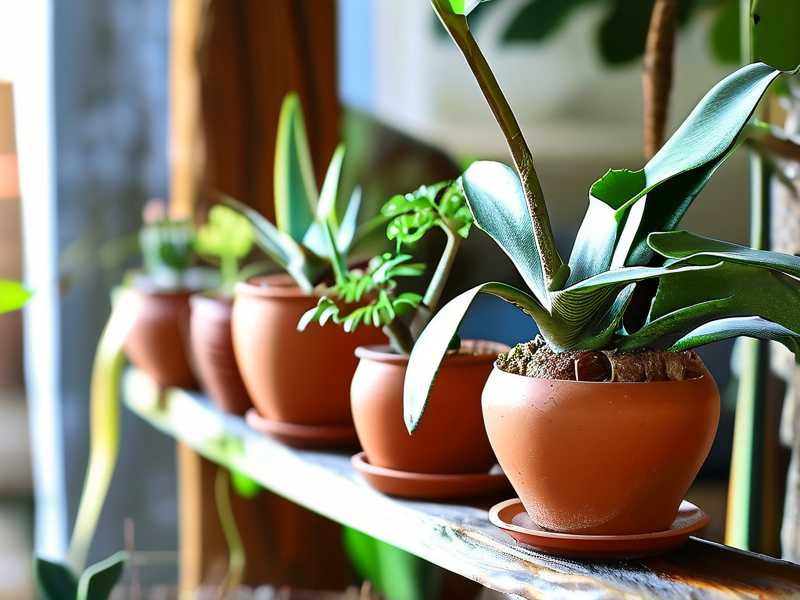
After 2 weeks, the aerial roots had started to attach to the trunk surface. They will eventually fuse into the bark, creating a thicker, gnarlier appearance. Bonsai growers do this intentionally with species like ficus. It works for jade too, just slower.
If this feels too fiddly: Simply let fallen leaves stay at the base of the plant. They will root naturally and create a clustered look that visually thickens the lower trunk area. I have a cluster of three rooted leaves around my main trunk now, and the base looks twice as thick as it did two months ago.
What I Observed In My 14-Day Trunk Thickening Experiment
Let me give you my honest daily log so you know what to expect.
- Day 0: Trunk diameter at soil level was 0.9 cm. I moved the plant to full sun. I did not water.
- Day 3: Leaves still plump. No visible change.
- Day 5: First signs of leaf softness. I resisted watering.
- Day 7: Wrinkles appeared on the largest leaves. Trunk felt slightly less firm.
- Day 9: I watered deeply. The plant drank 200 ml within 30 minutes.
- Day 10: The trunk felt firmer than before the dry period. The wrinkles disappeared within 24 hours.
- Day 12: I applied the zip tie constriction near the base.
- Day 14: I removed the zip tie. The trunk diameter measured 1.1 cm at the swelling point above the tie.
The increase was 0.2 cm in two weeks. That is not massive, but it is more than the plant gained in the previous six months in my care. The process works. It is just not instant.
The Physics Of A Thick Jade Trunk (Why These Hacks Work)
A jade plant trunk thickens through two processes. The first is water storage. The second is secondary growth, which is the production of woody tissue inside the stem.
When you withhold water, the plant pulls stored water from the trunk cells. Those cells shrink. When you water again, the cells refill and expand slightly. Over repeated cycles, the cell walls stretch and thicken. This is like exercise for your trunk. Each dry-wet cycle is a workout.
Light drives photosynthesis, which produces the sugars needed for new cell construction. Without intense light, the plant cannot produce enough energy to build woody tissue. That is why the full-sun positioning matters more than everything else.
Root constriction sends mechanical stress signals. Plants respond to physical pressure by increasing lignification. That is why trees in windy areas grow thicker trunks than sheltered trees. Stress is the trigger.
Common Questions I Get About Jade Trunk Thickening
How long does it take to thicken a jade plant trunk?
Realistically, expect 1-2 mm of diameter increase per month under optimal conditions. In one year, you can gain 1-2 cm of trunk width. It is slow, but consistent. My 0.2 cm in 2 weeks was a burst from the stress cycling. Steady growth is slower.
Should I use a bonsai wire to shape the trunk?
Yes, but carefully. Wrap the wire loosely around the trunk and bend gradually over several weeks. Do not leave wire on longer than 4 weeks, as jade bark scars easily. The reason this helps thickening is that the bending forces the plant to build stronger internal tissue to resist the curve.
Can I thicken the trunk by braiding young jade plants?
Yes. If you plant 3-4 young jade cuttings in the same pot and braid the trunks, they will fuse over time into one thick mass. I tried this with three 4-inch cuttings. After one year, they became a single fused trunk about 1.5 inches wide. This is the fastest way to get a visually thick trunk, but it starts getting hard to maintain the braid beyond two years.
My Final Thoughts On Getting A Thick Jade Trunk
I wasted two years keeping my jade plants alive but skinny. Everything changed when I understood that trunk thickening is not about nutrition. It is about controlled stress, intense light, and patience.
If you stop watering weekly, give your plant real sun, keep it root-bound, prune hard, and stop feeding it, you will see the trunk respond. The process is slow. That is the nature of the plant. But every dry cycle, every hour of sun, every pruning scar adds a layer to that trunk.
The most important lesson I learned? Plants do not respond to kindness. They respond to challenge. Give your jade plant a reason to strengthen itself, and it will surprise you.
Start with the 10-day dry cycle. Move your plant to the brightest spot you have. Remove that fertilizer bottle from your cabinet. Your jade plant will thank you, not with more leaves, but with a thicker, more beautiful trunk.
And when you see that first green trunk begin to turn woody and brown at the base, you will know you are on the right track. That lignification is the prize. It is the badge of a well-grown jade. Keep at it. Two months from now, you will look back at photos and see the difference.





