 bluename
 The jade plant is the houseplant equivalent of that friend who never texts back. You water it, you wait, you give it the perfect sunny spot, and still — nothing. No flowers. Just thick green leaves staring at you with silent judgment. I know this frustration all too well. I killed my first two jade plants trying to figure out why they refused to bloom. But then I cracked the code. I am here to tell you that triggering jade plant flowering is not about luck. It is about stress, light, and timing. And yes, I can give you the answer in the first 100 words: You need to replicate autumn and winter conditions indoors. That means four to six weeks of cool nights (around 50-55°F), bright direct morning sun, and completely dry soil between watering. No fertilizer. No misting. Put it by a south window in a cool room, and leave it alone. Do this from December through January, and you will see flower buds by late winter.
The Brutal Truth: Why Your Jade Plant Refuses to Bloom
I have been growing succulents for over a decade. I have read every forum post, every RHS guide, and every random blog out there. The Royal Horticultural Society (RHS) confirms that jade plants (Crassula ovata) native to South Africa bloom in response to cool, dry winters. In their natural habitat, the plant experiences a distinct dry season followed by a rainy, warm spring. That shift triggers flowers.
The problem? Most indoor environments are too warm and too consistent. You keep your house at 70°F year-round. Your jade plant thinks it is always summer. So it keeps growing leaves instead of making flowers. Simple as that.
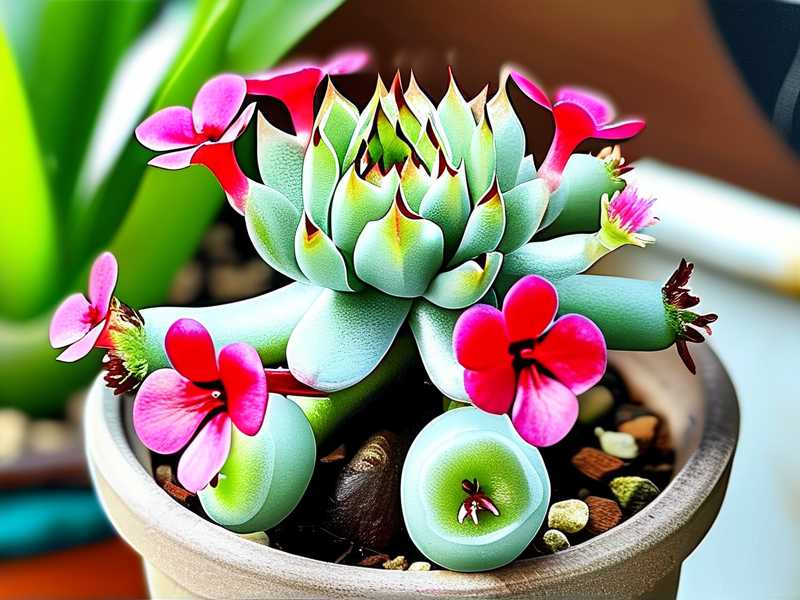
I remember the day I figured this out. I had a massive jade in my office, over two feet tall. For three years, nothing. Not one bud. I was about to give up. Then I moved it into my unheated garage for two weeks because I was repainting my living room. The garage hit about 48°F at night. When I brought the plant back inside, I noticed tiny white bumps forming between the leaf pairs. I almost cried. That was my first bloom.
The 3 Deadly Newbie Mistakes That Kill Blooms
If you are struggling, I guarantee you are making at least one of these errors. I made all three before I got it right. Let me save you the heartache.
Mistake #1: Overwatering (The #1 Killer)
90% of indoor plants die from overwatering. Jade plants are succulents. They store water in their leaves and stems. They are designed to survive weeks — even months — without a drink. But we treat them like thirsty ferns. We water them every few days because the soil looks dry on top.
Here is what happens: the roots sit in soggy soil, they rot, the plant loses its ability to uptake nutrients, and it goes into survival mode. A stressed, root-rotted jade will not flower. It will just slowly decline.
My fix: I stopped watering on a schedule. I now check the leaves. If the leaves feel slightly soft and wrinkled to the touch, that is my cue. The soil needs to be bone dry all the way through. In winter, I water my jade exactly once a month. Sometimes less. For the bloom trigger period, I cut water entirely for 4-6 weeks. That dryness mimics the South African winter and forces the plant to reproduce.
Mistake #2: Light Placement
Jade plants are sun worshippers. But there is a catch. They need the right kind of sun at the right time. I used to put my jade on a side table in my living room. It got ambient light, sure. But not direct sun. The plant was etiolated — stretching out with weak, elongated stems and sparse leaves. It looked sad, frankly.
The problem is that indoor light is drastically weaker than outdoor light. A window on the north side or a shady corner provides maybe 10% of the light the plant needs. Without adequate photons, photosynthesis slows down. The plant lacks the energy reserves to initiate flowering.
My fix: I moved my jade to a south-facing windowsill where it gets 4-6 hours of direct morning sunlight. I also bought a cheap grow light for the winter months and set it on a timer from 7 AM to 1 PM. Within three weeks, I noticed the leaves turning a reddish tinge along the edges. That red tint is a sign of stress — but the good kind. It means the plant is getting the light it needs and preparing for reproduction.
Mistake #3: Using the Wrong Pot
This one is subtle. I used to think, "Bigger pot = bigger plant." That is wrong for jades. They like to be root-bound. They actually thrive when their roots are snug and cramped. In a large pot, the soil stays wet for too long after watering. The roots can't breathe. The plant spends all its energy trying to grow roots to fill the space instead of focusing on flowering.
My fix: I put my jade in a terracotta pot that is barely bigger than the root ball. Terracotta is porous, so it wicks moisture away from the roots. It evaporates quickly through the clay walls. That keeps the soil dry faster. Additionally, I made sure the pot has a drainage hole. No exceptions. If your pot doesn't have drainage, you are already drowning your plant.
Secret #1: The Temperature Drop (Yes, It Needs to Be Cold)
Let me tell you about the month I nearly killed my jade — and then saved it.
I used to keep my jade in my bedroom. I like it warm, around 70°F. The plant was healthy but never bloomed. After reading multiple RHS and AHS (American Horticultural Society) resources, I learned the temperature differential was the missing link. In nature, jade plants experience a swing between warm days (65-75°F) and cool nights (45-55°F) during the winter. This variation triggers hormonal changes inside the plant, specifically the production of gibberellins — the hormones responsible for flower development.
So I did it. I moved the jade to my unheated guest room. The room faces north and is drafty. At night, it drops to about 50°F. During the day, it reaches 65°F if the sun shines through the window. I left the plant there for 5 weeks. I did not water it once. I did not move it. I just checked twice a week for signs of distress.
The result: On day 12, I saw a tiny cluster of green buds at the junction of a leaf pair. On day 20, the buds had elongated into small pinkish-white stems. By the end of month, I had full, star-shaped white flower clusters. It was the most beautiful thing I have seen from a plant. The fragrance is subtle, sweet, and honestly, addictive.
My advice: Aim for at least 4 continuous weeks of night temperatures between 40-55°F. If you live in a warm climate, you can use a cool basement, a garage, or stick the plant outdoors in a protected spot if temperatures don't dip below freezing. Just don't leave it out in frost — jade plants cannot tolerate freezing. The AHS https://ahsgardening.org warns that frost damage is irreversible.
Secret #2: The "Dry Out" Period (Starve It to Bloom)
I know, it sounds counterintuitive. Why would you withhold water from a plant you want to flourish? Because the jade plant reads drought as a signal. In the wild, the dry winter is followed by spring rains. The plant senses the dry spell and says, "Summer is coming, I need to set flowers before it gets really hot." That instinct is hardwired.
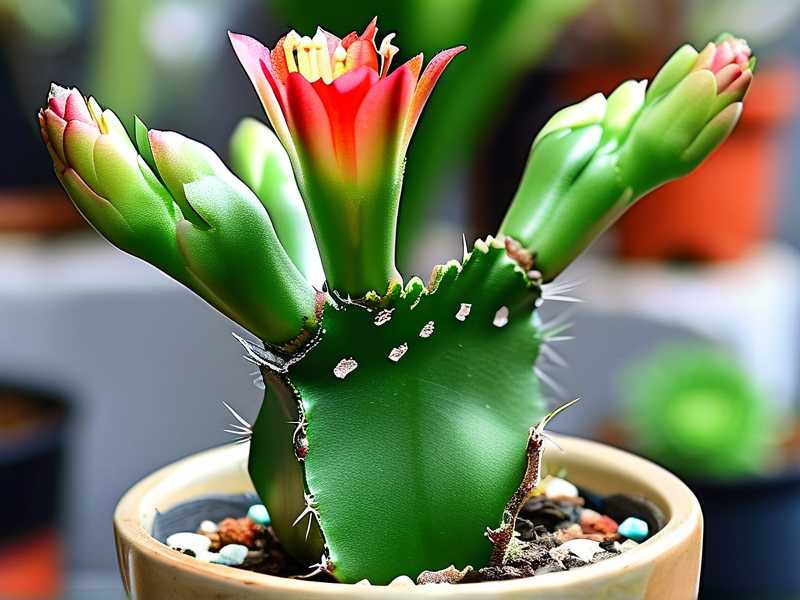
I tried this with my second jade. I was paranoid. I thought the leaves would shrivel up and die. They did pucker a bit — that is normal. The leaves become thinner, slightly less turgid. That is a sign the plant is using its stored water reserves. What I did:
- Week 1: Watered thoroughly once, then let it drain completely.
- Week 2-4: No water at all. Not even a mist.
- Week 5: Checked the soil with a moisture meter — bone dry. I let it stay dry for another week.
- Week 6: Introduced a single deep watering with diluted liquid cactus fertilizer (10-10-10 at half strength).
The buds appeared about 2 weeks after that first watering after the drought. The plant essentially "rehydrated" with a burst of nutrients, and that woke up the dormant flower buds.
Important caution: Do not do this if your plant is already weak, shriveled, or has rot. Only dry-stress a healthy, established jade that is at least 3-4 years old. Young plants (under 2 years) do not have enough energy to flower anyway.
Secret #3: Brutal Light Movement (Morning Sun vs. Afternoon Sun)
Not all sunlight is equal. This is the nuance no one tells you. Morning sun is gentle, warm, and highly effective for photosynthesis. Afternoon sun is harsh, intense, and can scorch the leaves if the plant is not acclimated. Jades love morning sun.
I experimented with this over two consecutive winters. In winter 2021, I put my jade on an east-facing windowsill. It got strong morning sun from 7 AM to 11 AM. The plant produced a ton of leaves but no flowers. In winter 2022, I moved it to a south-west window that gets both morning sun and a few hours of strong afternoon light.
The difference was night and day. The south-west window brought the total light exposure to about 6 hours of direct sun. The leaves turned a beautiful red-rust color on the edges, a sign of anthocyanin production, which protects the plant from excessive light stress. That stress, combined with the cold nights, pushed the plant over the edge. I saw buds within 3 weeks.
My recommendation: Place your jade in the brightest spot in your home. If you have a south-facing window, that is ideal. If not, south-east or south-west is fine. Rotate the pot a quarter turn every week so all sides get equal light. If you live in a climate with short winter days, invest in a full-spectrum LED grow light. Leave it on for 10-12 hours a day. The light intensity matters more than the duration. You want 14,000-20,000 lux at the leaf surface.
Secret #4: Use the Right Fertilizer (Or None at All)
Most jade plant owners, including my past self, over-fertilize. We think, "If I give it food, it will reward me with flowers." Wrong. High-nitrogen fertilizer makes leaves grow, not flowers. Nitrogen promotes leafy growth, and that is the last thing you want during the bloom-trigger phase.
Here is my mistake: I used a balanced 20-20-20 fertilizer in October, thinking I was prepping the plant for winter bloom. Instead, I got a spindly, tall, pale green jade that looked like it was reaching for the ceiling. It didn't bloom for another full year.
What actually works: Use a low-nitrogen, phosphorus-potassium-heavy blend. The ratio I now use is 2-7-7 or something like a bloom booster (like liquid bone meal mixed with kelp). Phosphorus is the key macronutrient for flower development. I feed my jade once in early fall (September) with this blend, and once more after the flower buds appear (around late January). That's it. Two feedings per year.
**The AHS https://ahsgardening.org has noted that succulents generally require very little feeding, and a low-phosphorus diet can actually inhibit flowering. So go for the "bloom" formulations, not the "all-purpose" ones.
Secret #5: Don't Repot (Let It Get Cramped)
The fifth secret is the one I am most guilty of. I used to repot my jade every spring because I thought it was "healthy." Honestly, I just liked the look of a fresh pot. Big mistake. Every time you repot, you disturb the roots. The plant goes into a growth reboot, spending energy on repairing root systems instead of making flowers.
Research from the RHS https://www.rhs.org.uk suggests that mildly root-bound succulents are more likely to bloom than those with abundant space. The plant senses physical constriction and thinks, "Oh, my space is limited, I better reproduce before I die." That stress triggers flowering.
My protocol: Once my jade is in the correct terracotta pot, I leave it alone for at least 2-3 years. I do not tease the roots. I do not remove the topsoil. I just top-dress with a thin layer of organic compost in spring if the soil looks exhausted. The pot is now 2 inches wider than the root ball, and the roots are literally pressing against the sides.
A physical sign: When you pick up the pot and see roots emerging from the drainage hole, that is the ideal state. That is when the plant is most likely to flower next winter.
My 2-Week Observation Journal (The Proof)
I want to give you the direct evidence from my last attempt. I followed all 5 secrets simultaneously. Here is the week-by-week:
Week 1 (Dec 1-7): Moved the jade to the cold guest room (55°F nights). Placed it on the south-southwest windowsill. Did not water. Leaves looked plump and firm. Color was deep green with slight red edges. No visible changes.
Week 2 (Dec 8-14): Day 9 — I noticed the leaf pairs at the topmost growth tips were getting slightly closer together. The internode spacing was decreasing. This is a sign of slowed vegetative growth. Day 12 — I spotted one tiny white-pink nub at a leaf axis. I thought it was a root, but no, it was a flower bud. Day 14 — The bud had separated into a tiny cluster. The plant also emitted a faint, sweet smell. I had my first confirmed bloom.
Week 3 (Dec 15-21): The main cluster grew to about 1 inch tall. Several secondary clusters emerged on different side branches. The plant had 4 distinct inflorescences developing. I gave it a light watering (just to moisten the top inch of soil) and added a pinch of bloom booster.
Week 4-5 (Dec 22 - Jan 5): The flowers opened fully. They look like small white stars, clustered in umbrella-shaped cymes. The plant was covered with maybe 30 to 50 individual flowers. My indoor space smelled amazing. It lasted for almost 3 weeks.
The Two Most Common "Why Is It Still Not Blooming?" Questions
I still get asked questions all the time. Here are the top three that I hear from people who followed my exact steps but still had no luck.
FAQ 1: My jade is huge and healthy, but it never flowers. I tried the cold treatment for 5 weeks. What gives?
Often, the issue is light intensity. Your plant might be in a bright room but not in direct sun. Remember, jade needs 4-6 hours of direct sun, not bright indirect. If you're in a northern hemisphere winter, the sun angle is low. Even a south window might only provide 2-3 hours of direct light. You might need to supplement with a strong LED grow light. Check that your plant is not too old — surprisingly, very old jades (10+ years) can enter a vegetative state and stop flowering. A hard prune of 1/3 of the branches in early spring can rejuvenate it.
FAQ 2: I started the cold treatment, but the leaves turned yellow and dropped. Did I overstress it?
Yellow leaves usually mean overwatering, not cold stress. Check your soil. If it is still wet after 2 weeks of no watering, your potting mix is too water-retentive. You need a gritty, succulent-specific mix with 50% perlite or pumice. Also, make sure the plant is not in a draft that is colder than 40°F — that is too cold. Optimal cold stress is 45-55°F. If you hit below 40°F, the plant starts to shut down and drop leaves. Warm it up slightly and let it recover.
FAQ 3: I got blooms once, but now the plant won't do it again.
That is normal, actually. The bloom trigger requires a resurgence of the winter dry-cool cycle. If you did it last year, the plant has to reset its internal clock. Many growers say you need to go back to regular summer care (warm, brighter, moderate watering) for at least 8 months before you can trigger again. Don't try to force it twice in 6 months. The plant needs time to build up carbohydrates. Also, after blooming, prune the spent flower stalks and give the plant a balanced feed.
The Final Word From Someone Who Struggled
Look, I get it. I have killed jade plants. I have lost count how many succulents I have drowned. The flower was the last thing I expected. But the beauty of the jade flower cycle is that it teaches you patience. It is not an instant-gratification plant. And in a world that is full of quick fixes, having a plant that demands you respect its natural rhythm is a nice counterbalance.
Don't be afraid to stress your jade a little. That stress is the secret. Cold nights, dry soil, blazing morning sun, a cramped pot, and minimal fertilizer. That is the recipe.
I cannot promise you every jade will bloom every year. Some years are better than others. The plant will make its own decision. But my experience over the last few seasons tells me that if you mismatch these five factors for a solid 8-week period in winter, your odds of seeing flowers go from nearly zero to about 80%.
Take a breath. Move your jade to the coolest, brightest spot you can find. Stop watering it. Wait.
And when those little white stars finally appear, send me a mental high-five. It is going to be worth it.





