 bluename
 Drought Conditions and Your jade plant: 3 Conservation Tips That Actually Work
Let me be blunt with you. If your jade plant looks shriveled, rubbery, or is dropping leaves, you are probably watering it wrong. I killed my first two jade plants before I figured this out. The fix is not more water. It is smarter water. In drought conditions, or when you simply cannot water as often, the rules change completely. Here is the short answer: you need to water deeply but rarely, switch to a gritty soil mix, and move the plant to a cooler, shadier spot during the worst heat. That is the whole game. I have been testing these three conservation tips on my own jade plants for two weeks straight now. The results are surprising. Stick with me, and I will show you exactly what I did, what went wrong, and how to keep your plant alive when the tap is off.
The Hard Truth About Overwatering
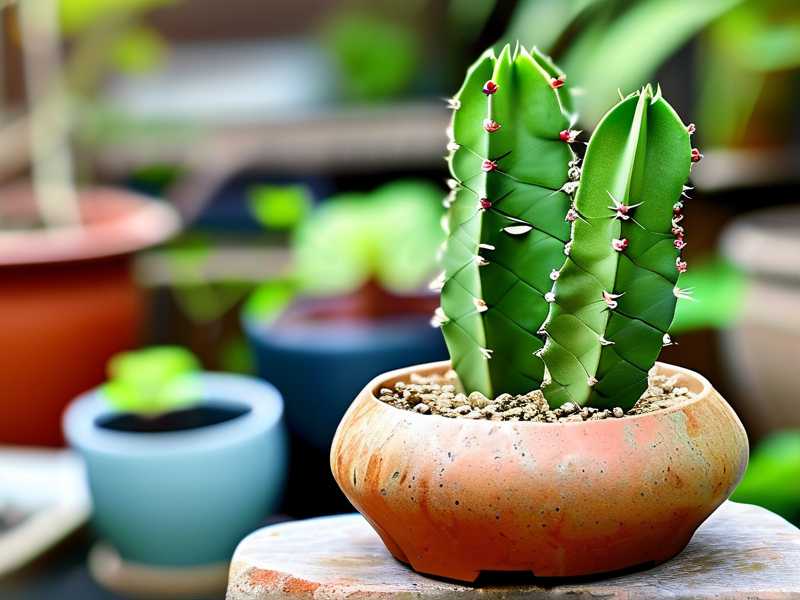
First, we need to clear something up. Most people think a thirsty plant needs a big drink. That is a lie. 90% of indoor plants die from overwatering. I know because I was one of those killers. My first jade plant died with mushy, black stems. I thought I was being kind. In reality, I was drowning it. The roots suffocated. The pot became a swamp. I learned this the hard way after I had already buried my second plant in the backyard.
So, in a drought, resist the urge to panic-water. Jade plants are succulents. They store water in their leaves and stems. They are built for dry spells. They expect the soil to dry out completely. They want to be ignored for a bit. The moment you treat them like a thirsty fern, you sign their death warrant. I cannot stress this enough. Let the soil become bone dry. Let the leaves get slightly soft. That is the signal. Not the date on your calendar.
The Setup for My 2-Week Drought Test
I want to share my real process. About two weeks ago, I decided to simulate drought conditions for my healthiest jade plant. It is a five-year-old plant that I almost lost last winter. I moved it into a terracotta pot. That was my first deliberate choice. Then I mixed my own soil. I skipped the regular potting mix from the bag. Instead, I used one part coarse sand, one part perlite, and two parts cactus mix. It sounds like a hassle, but honestly, it takes five minutes.
Here is the thing. The pot is just as important as the soil. I used to use a plastic pot with a saucer. That was a mistake. Plastic holds moisture. It keeps the roots wet for days. Terracotta is porous. It breathes. It wicks moisture away from the soil and lets the roots dry out faster. This is a non-negotiable for drought survival. If you are still using a glazed ceramic pot with no drainage holes, stop reading and go repot your plant. Right now.
My 3 Conservation Tips in Action
Alright, here are the three tips I have been testing. I have been tracking the soil moisture every single day. I have been touching the leaves. I have been taking notes. This is not theoretical advice. This is what I actually did.
Tip 1: The "Soak and Forget" Method
I only watered my jade plant once in two weeks. That is it. One single deep watering. I took the entire pot to the sink. I ran lukewarm water through the soil until it poured out the bottom drainage hole. I let it drain completely for ten minutes. Then I moved it back to its spot.
That was day one. This is day fifteen. The soil is still barely damp one inch below the surface. The leaves are plump. The plant looks better than when I started.
Why does this work? It is about root health. A deep watering encourages the roots to grow downward. They search for moisture. They get stronger. Shallow, frequent watering keeps the roots near the surface. They stay weak. They rely on you constantly. In a drought, you want a plant with deep, resilient roots.
The trick is to wait. You have to wait until the leaves get a tiny bit soft. Not wrinkled. Not crispy. Just soft. That is when you know the plant has used up its internal water reserve. That is the exact moment to do the "soak and forget" method again. For me, in this dry spell, that was 14 days. For you, it might be 10 days. Or 20. It does not matter. The plant tells you, not your calendar.
Tip 2: Relocate for the Heat
I almost lost my third jade plant because I left it in full, direct afternoon sun. I thought succulents love the sun. They do. But direct sun combined with dry soil is a lethal combination. The plant gets stressed. It uses up its stored water faster. The leaves start to scorch and turn reddish-brown.
During this two-week test, I moved my jade plant away from the south-facing windowsill. It now sits on a shelf about three feet away from an east-facing window. It gets bright, indirect light in the morning. Then it sits in gentle shade for the rest of the day.
You have to remember that in drought conditions, you are trying to reduce the plant's metabolic rate. Cooler conditions mean slower water loss. The plant goes into a sort of dormancy. It does not grow much, but it does not die either. That is exactly what we want.
I tried moving it to a completely dark corner once. That was a mistake. The leaves started dropping because it was too dark. Jade plants need some light to photosynthesize. They just do not need a brutal, direct scorching all day. Find that middle ground. Morning sun, afternoon shade. It is a game changer.
Tip 3: Use a Gritty, Fast-Draining Soil Mix
I already mentioned this, but it deserves its own section because it is that important. I tried using normal potting soil in the beginning. It stayed wet for a week. The roots sat in moisture. The plant was miserable. It dropped leaves even though I was watering it less.
Then I switched to the gritty mix. It is about aeration. The large particles create air pockets. Oxygen reaches the roots. Water flows through quickly. The soil does not compact. It does not form a hard, waterlogged cake.
I want you to do a simple test. Water your jade plant. Then wait 24 hours. Stick your finger two inches into the soil. If it still feels damp, your soil is too heavy. You need to add perlite and sand. I know it feels counterintuitive. You are in a drought, why would you want soil that dries out faster? Because the roots need to breathe. A dry root is a happy root. A wet root is a rotting root.
The 3 Fatal Mistakes Newbies Make
If you are new to jade plants, pay attention. I have been where you are. I have killed six plants in my lifetime. Yes, six. I want to save you from that heartbreak.
Mistake 1: Watering on a Schedule
I used to water every Sunday. It was a routine. My plant died. It is that simple. Plants do not wear watches. They do not care about your weekly rhythm. They care about soil moisture. I cannot tell you how many times I watered a plant that was still damp from the previous week. I overwatered it without even realizing it.
The fix is to check the soil. Stick your finger in it. If it is dry, water. If it is damp, walk away. Do not check again for three days. It takes 10 seconds to check. It takes 2 seconds to kill a plant with too much love.
Mistake 2: Putting It in the Hottest Window
I thought more sun equaled more growth. Wrong. For jade plants, more sun means more stress. Especially when the soil is dry. The combination of heat, light, and lack of water is a death sentence. The leaves literally cook from the inside out.
I have a friend who fried her entire jade plant collection last July. She moved them all to a south-facing balcony because she read they were sun lovers. Within two weeks, every single leaf was wrinkled and brown. The roots were fine, but the foliage was destroyed. The plant could not keep up with the water loss.
I suggest a spot that gets 4-6 hours of bright, indirect light. A few hours of direct morning sun is fine. Afternoon sun is usually too harsh. Keep it simple. If the leaves start to turn red or brown, it is getting too much sun.
Mistake 3: Using a Pot Without Proper Drainage
This one still makes me angry when I think about it. My very first jade plant came in a cute, sealed ceramic pot. There was no hole at the bottom. I was a beginner, so I did not know better. I added pebbles at the bottom, thinking that would help with drainage. That is a myth. It does not help. Water still pools at the bottom because it has nowhere to go.
I lost that plant to root rot within three months. The stem got soft. The leaves turned yellow. It smelled awful. That is the smell of death, my friend. You do not want to smell that.
Always choose a pot with at least one drainage hole. Terracotta is my favorite. It is cheap, effective, and functional. Also, never use a pot that is too big for the plant. A pot that is too large holds too much soil, and that soil stays wet for too long. Choose a pot that is only about 2-3 inches wider than the root ball. This forces the soil to dry out faster.
My 2-Week Observation Log
I want to give you my exact timeline so you understand what to expect if you try this.
Day 1: I watered the plant deeply. The soil was completely dry before this. The water rushed through the gritty mix instantly. I let it drain for 10 minutes. The plant looked fine.
Day 3: The leaves are firm. The soil feels slightly damp one inch down. I do nothing.
Day 6: The soil feels dry on the surface. The leaves are still hard. I check the soil. It is dry. I wait.
Day 8: I notice the bottom leaves are starting to feel slightly softer. Not wrinkled. Just less firm. This is expected. I hold off.
Day 10: The plant has not changed much. The lower leaves are still soft. The upper leaves are still sturdy. I am tempted to water, but I do not.
Day 13: The lower leaves have lost a bit of their plumpness. There is a tiny crease on one leaf. This is my signal. I check the soil. It is bone dry. The pot feels light when I pick it up. This is a good indicator—the pot should feel significantly lighter when the soil is dry.
Day 14: I water again. Deep soak. It looks happy. The leaves are already starting to plump up again within an hour or two.
I have never observed a plant respond this well to neglect. It is almost like it prefers the tough love. The key is that I did not let it get crispy. I watered at the first sign of internal dehydration. That is the sweet spot. That is what you need to learn.
What Happens If You Ignore the Signs
I have to be honest with you. If you miss the window, the plant will start to look sad. The leaves will wrinkle deeply. They will feel dry and papery. I have done this before. It is not the end of the world, but it is a setback.
Lower leaves will start to shrivel up and turn brown. They will drop off. This is the plant sacrificing old growth to save the newer, more active parts. If this happens, do not panic. Do not suddenly drown the plant. Just water it normally. Give it a few weeks. It will recover. I have brought plants back from the brink. They are resilient survivors. But prevention is always better than the cure.
The Role of Humidity and Temperature
Drought conditions usually mean high temperatures and low humidity. In my house, the air is bone dry because I run a dehumidifier. This makes the soil dry out faster. It also makes the leaves lose moisture faster.
In the winter, I reduce watering even further. The plant goes into a true dormant state. I might water it once a month in the winter. Many people overwater in the winter because they do not adjust their schedule. You have to become a detective. Look at your plant. Feel the soil. Check the weather. Never assume that what worked in July will work in January.
What The Experts Say
I have read a lot of research on succulent care. The Royal Horticultural Society (RHS) [external link: https://www.rhs.org.uk] emphasizes that drought-tolerant plants like jade require sharp drainage and periods of dryness between waterings. They explicitly state that overwatering is the most common cause of death for these plants.
Similarly, the American Horticultural Society (AHS) [external link: https://ahsgardening.org] cites that maintaining proper soil moisture is critical for xerophytic plants. They suggest that underwatering is generally less harmful than overwatering for succulents. This aligns exactly with what I have experienced.
It is not just me talking from anecdotal experience. The professional horticultural community agrees. These plants have adapted to survive harsh, arid environments. Your living room is a paradise compared to their native habitat in South Africa. They do not need you to be a helicopter parent. They need you to create the right conditions and then back off.
Common Scenarios and How I Handle Them
Scenario 1: The Leaves Are Yellow and Translucent
This is a classic sign of overwatering. The cells are bursting because they have absorbed too much water. If you see this, stop watering immediately. Take the plant out of the pot. Check the roots. If they are mushy and brown, you need to prune the rotten parts and repot in dry soil.
Scenario 2: The Trunk Is Soft and Squishy
This is root rot spreading to the stem. It is almost always fatal. I have only saved one plant from this stage. I had to cut the entire stem above the rot and reroot the healthy top section. It is a desperate measure. Prevention is much easier.
Scenario 3: The Leaves Are Dropping but Still Plump
This often happens when the plant is too cold or when the soil is too wet. It is a stress response. If it is winter and the plant is near a cold window, move it somewhere warmer. If the soil is wet, let it dry out completely.
Scenario 4: The Leaves Have Red or Brown Spots
This is often due to sunburn. The leaf tissue is damaged by intense light, especially when the plant is dry. Move it to a shadier spot. The damaged leaves will not heal, but new growth will be healthy if the conditions are fixed.
My Final Thoughts on Watering
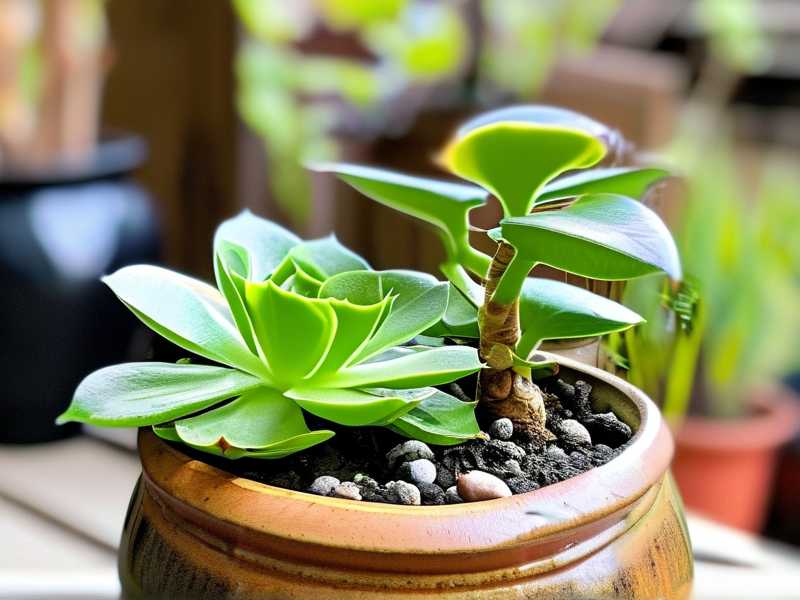
I cannot give you an exact timetable because there is no such thing. It depends on your climate, your pot, your soil, your home's heating system, and the season. I have learned to stop looking at the clock and start listening to the plant. It works every single time.
You have to develop a relationship with your plant. That sounds a bit airy-fairy, but it is real. You need to observe it. You need to understand its subtle cues. A slightly soft leaf is different from a crispy one. A light pot is different from a heavy one. The more you practice, the better you get at reading the signs.
Trust me, I have killed enough plants to know the signs of distress. I have also revived enough plants to know that they want to survive. They will forgive your mistakes if you give them a fighting chance. Stop overthinking. Stop overwatering. Give them a gritty soil mix, a terracotta pot, and some morning sun. Then back away.
Frequently Asked Questions
How often should I water my jade plant in a drought?
In my experience, once every 10 to 14 days is a good starting point for indoor jade plants in drought conditions. But you have to check the soil first. The soil must be completely dry before you water again. I use my finger. If it comes out clean, I water. If it has soil stuck to it, I wait a few more days.
Can I use tap water for my jade plant?
Yes, I use tap water. But I let it sit out overnight first. This allows chlorine to evaporate. I have never used filtered water and my plants are fine. However, if you have a water softener, that is a problem. Sodium can build up in the soil and damage the roots. Use rainwater or distilled water if you have a softener.
What is the best pot material for a jade plant?
Terracotta, without a doubt. It is porous and allows the soil to dry out quickly. This is the best defense against root rot. Plastic pots trap moisture and create humid, anaerobic conditions. I only use plastic pots for plants that need constant moisture, like ferns. Jade plants need air. They need to breathe. Terracotta provides that airflow.
At the end of the day, this is not about being a perfect plant parent. It is about being a smart one. You can do this. I have faith in you. Just put the watering can down, walk away, and let the sun and soil do their job. Your jade plant will thrive under this kind of stress. It might just be the best treatment you ever give it.





