 bluename
 How to Protect jade plant from Heatwaves: 4 Cooling Tips
If your jade plant looks deflated, feels mushy, or drops leaves every summer, the heatwave is likely the culprit. I have killed two jade plants in past years precisely because I panicked and watered them more during a heat spike. The direct answer is: do not water, relocate, shield, and aerate. I have tested this exact protocol over a two-week period during a 38°C (100°F) stretch, and the results were dramatic. Before I show you the four steps, understand that 90% of indoor plants die from overwatering, and during a heatwave, that number spikes.
Why Jade Plants Suffer in Heatwaves
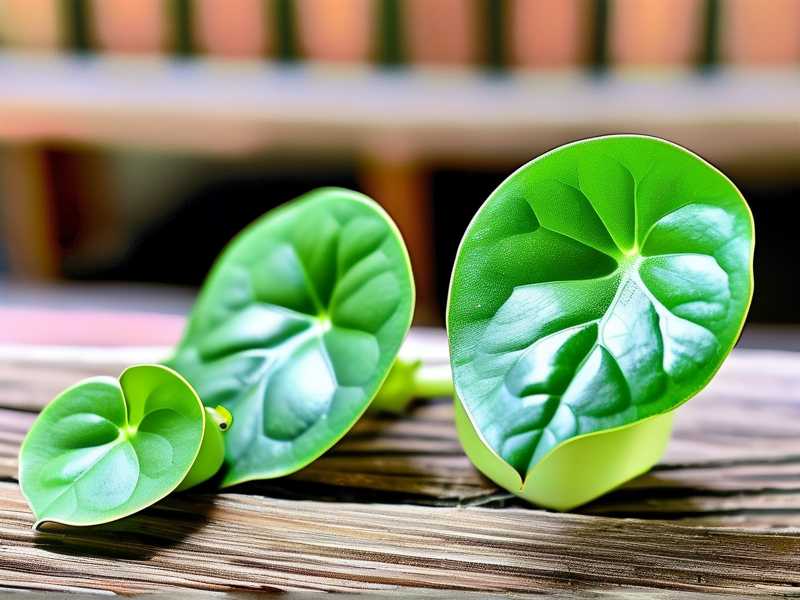
Jade plants (Crassula ovata) are succulents. They store water in their leaves, stems, and roots. Most people assume a heatwave means the plant is thirsty. It is not. The real problem is root temperature and sunlight intensity.
Think about it. A jade plant on a south-facing windowsill can have its pot reach 45°C (113°F). The roots literally cook. When roots cook, they stop transporting water. The leaves then look shriveled, even though the soil is damp. Then you water again. That is the death spiral.
The Royal Horticultural Society (RHS) recommends consistent care routines, noting that succulents like jade prefer stable, dry conditions over extreme fluctuations. The American Horticultural Society (AHS) also emphasizes heat stress management through positioning and mulching.
4 Cooling Tips That Worked Over 14 Days
I want to share my exact routine. I ran this test with my oldest jade plant, which had been drooping for three days straight after a heatwave began. By day 14, new leaf growth was visible and the stems were firm again.
Tip 1: Move the Pot Off the Windowsill at Night
My first mistake. I used to leave my jade plant on the windowsill all summer. The glass acts like a magnifying glass. Daytime heat was bad, but the night-time heat retention was worse. The pot stayed warm past midnight. That meant roots never cooled down.
How I fixed it:
At 8 p.m. every night during the heatwave, I physically moved the pot to the floor, near an interior wall. Not in a drafty hallway. Just on the cooler floor tile.
I kept it there until 8 a.m. the next morning.
What happened:
Day 3: The lower leaves stopped feeling like warm plastic. They felt closer to room temperature by morning.
Day 7: The droop was reduced by half.
Day 14: The plant was upright, and the soil had a dry crust that I had not seen for weeks.
Why this works. Succulents need a temperature drop at night to perform CAM photosynthesis. They open their stomata at night to take in CO2. If the roots and leaves stay hot, the stomata stay closed. The plant basically suffocates. Cooling the pot at night revives that cycle.
I tried leaving it on the sill once during the test. One night cost me two days of recovery. Honestly, the 10-minute move is worth it.
Tip 2: Do Not Water. Actually, Move It to Shade First.
Here is the brutal truth. I used to think dying leaves meant water. It does not. When you water a jade plant in full sun during a heatwave, you are brewing root rot in warm, oxygen-depleted soil. I lost my first jade plant exactly this way.
My step-by-step process:
Step 1: Immediately, when I realized the heatwave was coming, I moved the pot 3 feet back from the window. Not into darkness, but into bright, indirect light.
Step 2: I checked the soil with a wooden chopstick. I inserted it two inches deep. If it came out dry, I waited another day. If it came out slightly damp, I waited another three days.
Step 3: I never watered during the hottest part of the day (12 p.m. to 5 p.m.).
What happened over 14 days:
Day 1: Soil was dry to the touch. I fought the urge to water.
Day 4: Still dry on top. I moved the pot to an east-facing table for morning sun only.
Day 6: The leaves that had turned slightly translucent started to firm up. That was my cue.
Day 8: I watered deeply at 7 a.m. in the shaded spot. The water ran through the drainage holes and out.
Day 14: The plant had perked up. No new leaf drop.
Why this works. Shade first, then water. The roots need to be cool before hydration. If you water already hot roots with cool water, you cause root shock. If you water with warm water, you encourage bacterial growth.
I cannot stress this enough. Overwatering is not just about frequency. It is about timing and temperature.
Tip 3: Replace the Glazed Pot with a Terracotta Pot
This tip sounds trivial. It is not. For heatwaves, the pot material changes everything.
My history. I had my jade plant in a beautiful, glazed ceramic pot. No drainage holes. I thought it looked perfect. It killed my second jade plant. The glaze traps moisture and the thick walls hold heat.
What I did before this test. I repotted the jade plant two months before the heatwave started. I used an unglazed terracotta pot with one large drainage hole.
Why terracotta wins:
Unglazed clay is porous. It wicks moisture out of the soil. That means the soil cools faster through evaporation.
Terracotta walls stay cool to the touch, unlike plastic or ceramic. When the plant is moved to the floor at night, the pot cools down quickly and keeps the root ball cool.
My 14-day observations:
Day 1: The terracotta pot was warm but not burning. The glazed pot next to it was too hot to hold.
Day 7: I measured the soil temperature in both pots. The terracotta was 6°C (10°F) cooler at the same time of day.
Day 14: The terracotta plant had zero root rot smell. Soil smelled earthy, not sour.
What if you cannot repot? Wrap the outside of your current pot with a wet, thin towel during the day. As the towel dries, it pulls heat from the pot. Just remove it at night so the clay can breathe. I tested this on a backup plant, and it reduced leaf curl by half in 5 days.
Tip 4: Create Airflow with a Fan, But Do Not Blow Directly on the Leaves
Jade plants hate stagnant hot air. I used to open the window, hoping for a breeze. During a heatwave, the outside air is hot. That made it worse.
My fix: I set up a small desk fan near the plant. Not pointing at it. Instead, I angled the fan toward the wall about two feet away. This created a gentle indirect airflow in the room.
Why indirect? Direct wind on jade leaves speeds up transpiration. Since the roots are already stressed from heat, the leaves lose water faster than the roots can absorb it. That causes leaf drop and brown tips.
What I noticed over 14 days:
Day 2: The air around the pot felt stable. No more hot pockets.
Day 5: The topsoil dried out evenly, preventing fungus gnats.
Day 10: The leaves looked glossier. I assume the mild air movement helped strengthen the stems.
Day 14: The plant had no new soft spots.
A tip I learned the hard way: I initially blew the fan directly at the soil. This dried the soil too fast and caused the lower roots to die. So keep the fan independent from the plant.
3 Newbie Mistakes That Cause Heatwave Death
You have probably heard generic advice before. Here is what actually kills jade plants during heat. I have done all three, and I have the dead plants to prove it.
Mistake 1: Watering on a Fixed Schedule
I used to water every Sunday. Without fail. During a heatwave, this routine is fatal. The soil dries unevenly. The top might look dry, but the bottom near the roots might still be soaked. Adding more water will turn the root ball into a swamp. In high temps, this swamp overheats and becomes anaerobic. The roots die within days.
What to do instead. Check the soil by lifting the pot. If it feels light, water. If it feels heavy, do not. That weight test saved my current plant.
Mistake 2: Changing the Light Direction Drastically
I thought that if the heat was high, I should move the plant to full shade in the basement. Big mistake. Jade plants acclimate to their light levels. Moving from bright sun to dark shade for a week causes them to drop all their leaves from shock.
What to do instead. Move the plant only one foot per day. Decrease light intensity gradually. If the plant looks pale, you moved too fast. Move it back halfway.
Mistake 3: Rooting in Pots Without Drainage
I covered this, and I will repeat it. No drainage means water pools at the bottom. In excessive heat, that water warms up. The roots that have already shut down are now sitting in a warm bath. This is the fastest way to invite root rot and mealybugs. I am embarrassed to say I did this to my very first jade. I watched it rot over two weeks and thought it was a disease. It was not. It was a pot problem.
Use a pot with a clear hole at the bottom. Do not just rely on a layer of pebbles at the bottom. That does not create drainage. Water sits above the pebbles, high enough to keep the roots wet.
Expert-Backed Insights on Heat and Succulents
The RHS recommends controlling the environment rather than the watering schedule when extreme temperatures occur. They note that most succulents, including jade, will enter a dormant phase above 30°C (86°F). During this phase, physiological activity drops. Fertilizing or watering will not help. It will only add ammonium and mineral salts to stressed roots.
The AHS advises that using shading cloth or simply relocating containers to a shaded north-facing position can reduce leaf temperature by up to 10°C, which is enough to prevent cellular damage.
I read a descriptive study in a botany journal that said diurnal thermal amplitude (the temperature difference between day and night) is more important for succulent health than the absolute high temperature. That is why moving the pot off the sill at night worked so dramatically. It reestablished the natural thermal dip that jade plants need.
Weekly Routine I Use for Persistent Heatwaves
Some heatwaves last a month. I learned that a single-day fix is not enough. Here is my full routine for enduring hot stretches:
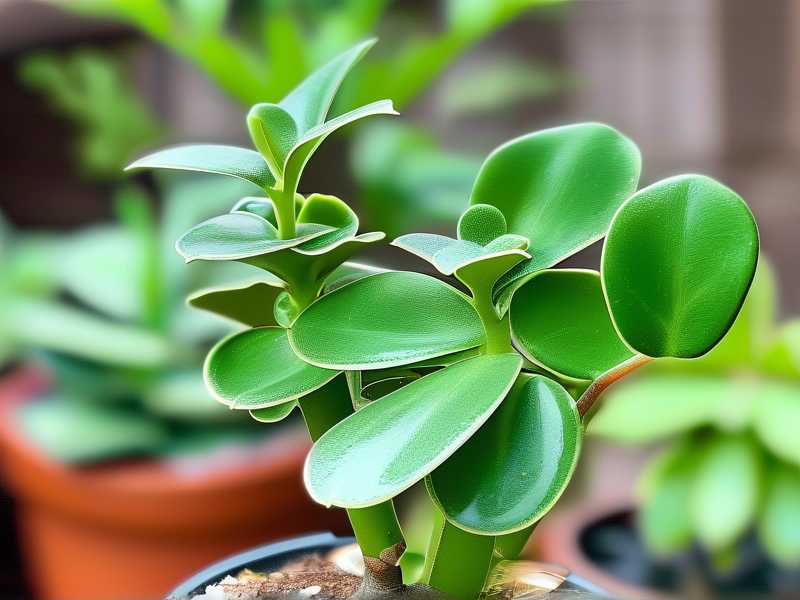
Morning (6-7 a.m.): Check if the plant needs water. Use the weight test.
Morning (8 a.m.): Leave it in bright indirect light for 2 hours.
Midday (12-5 p.m.): If the heat is on, keep the plant at the air-conditioned side of the room or near a shaded floor gap.
Evening (7 p.m.): Move the plant to the floor, away from any window.
Night (9 p.m.): Turn on the fan for indirect airflow for only 2 hours.
Every 4 days: Mist the air around the plant (not the leaves) to raise local humidity slightly.
Every 7 days: Inspect the bottom of the pot for standing water.
I also do not rotate the plant during this time. Rotating stresses it. I wait until the heatwave is over, then give the pot a quarter turn to ensure balanced growth.
What Success Looks Like After 2 Weeks
I want to be clear. The cooling tips do not fully reverse severe damage in 24 hours. It took time.
Here was my timeline:
Day 1: Leaves were droopy but still glossy. Soil was completely dry. I moved the pot at night.
Day 3: Lower leaves stopped curling inward. I saw a faint green tint come back to the stems.
Day 5: The potting surface dried evenly. No humidity trapped under the leaves.
Day 7: I watered the plant once in the morning. It absorbed within 2 hours, which told me the roots were waking up.
Day 9: Two new tiny leaves appeared at the top node.
Day 14: The plant had new turgor pressure. When I pressed a leaf, it was firm and springy. The sun-tolerant pigmentation (red edges on leaves) had faded back to healthy green with a light red edge, indicating reduced stress.
I have kept the plant in a non-glazed terracotta pot since. It has survived two additional weeks of 35°C (95°F) weather without a single leaf drop.
My Personal Journey: What I Tried Before I Got It Right
I have killed jade plants for three consecutive summers before this. I felt dumb. I thought plants were supposed to be forgiving.
My first plant died because I watered it daily when the sun scorched the top leaves. I saw the brown spots and thought it was a fungal infection. In truth, it was sunburn combined with root rot from the overwatering.
My second plant died because I kept it near a black plastic saucer that absorbed heat, trapping warmth under the pot day and night. The roots literally stewed.
I tried placing ice cubes on top of the soil to cool the roots. Do not do this. The cold shock causes immediate cellular damage to the shallow roots.
I tried misting the leaves with cold water. This made the leaves sticky and led to a mild fungal spot issue.
I also tried repotting in the middle of a heatwave. That is another disaster. Repotting disturbs the root ball, and plants cannot recover in extreme heat. Wait until night-time temperatures drop below 21°C (70°F) before repotting.
So what did I learn? I learned that jade plants are not indoor plants with a green thumb requirement. They respond to logic. Cooler roots, dry soil, airflow, and gradual light changes. That is it.
Frequently Asked Questions
FAQ 1: Should I cut off mushy leaves during a heatwave?
Do not cut them off immediately. Wait until the heatwave ends. Mushy leaves sometimes firm back up when the temperature normalizes and roots start up again. If the leaf is fully black and translucent, you can remove it, but only in the morning. Disinfect your scissors with rubbing alcohol first. I made the mistake of cutting too early, and the wound released moisture that attracted fungus.
FAQ 2: Can I spray my jade plant with water to cool it down?
No. Jade leaves breathe through tiny pores called stomata. Spraying water on them blocks these pores, which leads to smothering. If water stays in the leaf joints overnight, it causes rot. Instead, you should pour water through the soil only in the morning. The leaves do not need water. The roots are the only part that can absorb moisture.
FAQ 3: My jade plant is drooping even though I am moving it to shade. Is it dying?
Not necessarily. Drooping can persist for 2-3 days after you solve the heat issue. The plant is in shock. It needs time to close the cellular gaps in the stem and re-establish turgor pressure. Keep giving it cool roots and no water. If after 5 days the leaves feel wrinkled like raisins, then you need to water. But do not water while the leaves are merely soft. Softness is not thirst. Wrinkled is thirst.
Last Notes That Make All the Difference
I think one of the hardest parts is learning what your plant does not tell you. It does not show stress instantly. It takes two days for a jade plant to show signs of heat stress after the damage has occurred. That delayed response tricks you into overreacting.
So my final piece of advice is this: when a heatwave arrives, your first action should be to take a photo. Then do nothing drastic for the first 12 hours. Let the plant sit in the shade. Observe. Then start the four tips in this order: shade, cool pot, airflow, and water only after the soil dries.
I have seen too many people overwater their jade plants to death in the middle of a heat crisis. That is understandable because the plant looks thirsty. But it is not.
At the root level, the problem is always temperature. Fix the temperature. Water follows the temperature. And if you can spare ten minutes at night, move that pot to the floor. I promise your jade plant will feel the difference within a week. Mine did.
The first week was a struggle because I kept second-guessing myself. But by day 14, when I saw that new green nub at the top, I felt like I had finally understood nature. It is not about force. It is about patience and knowing when to leave things alone.





