 bluename
 If your jade plant is dropping yellow leaves, you need to prune them off today, check the soil, and stop watering for at least two weeks. That's the short answer. I know it sounds drastic. But I've killed three jade plants before I figured this out, and every single one died the same way. Yellow leaves on a jade plant almost always mean one thing: too much water around the roots.
I'm writing this because I wish someone had told me this five years ago. My first jade plant was a gift from my mom. It sat on my windowsill looking gorgeous for about four months. Then the leaves started turning yellow, one by one. I panicked and watered it more. Yeah, that made it worse.
So let me walk you through exactly what I do now. This is the same process I used two weeks ago on my current jade plant, and I'll share what I saw day by day.
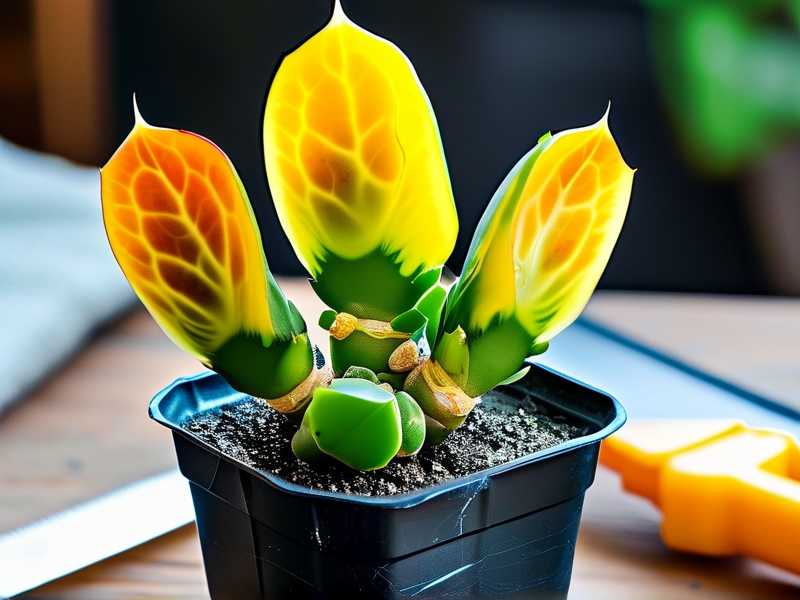
Why Jade Plant Leaves Turn Yellow in the First Place
Before you grab your pruning shears, you need to understand what's actually happening. Otherwise you'll just trim the symptoms and the problem comes right back.
Jade plants are succulents. They store water in their thick leaves and stems. That's their whole survival strategy. In their native habitat in South Africa, they go months without rain.
When you water them like a regular houseplant, their roots sit in wet soil. The roots can't breathe. They start to rot. The plant then pulls water and nutrients from its older leaves to try to survive. Those leaves turn yellow, get soft, and eventually drop off.
Here's a stat that changed how I think about all my houseplants: 90% of indoor plants die from overwatering. I read that in a study summary a few years back and honestly, it tracks with every plant I've lost.
The RHS puts it bluntly too. Most succulent problems in home environments come down to watering and drainage, not pests or disease. The AHS says something similar in their succulent care guides. If the soil stays wet, you're fighting a losing battle.
So the yellow leaves aren't the disease. They're a symptom. Pruning them helps the plant look better and stops the rot from spreading. But you also have to fix the water situation.
What You'll Need Before You Start Cutting
I keep this list in my head now, but when I was starting out I actually wrote it on a sticky note. No shame in that.
- Sharp pruning shears or scissors. Clean them with rubbing alcohol first. I use a cotton ball and just wipe the blades.
- A small bowl or tray to catch the cuttings.
- Cinnamon powder (optional but I swear by it). It's a natural antifungal for the cut ends.
- Fresh, dry, well-draining soil mix if you're repotting.
- A terracotta pot with a drainage hole. More on this later.
That's it. You don't need fancy tools. I used regular kitchen scissors for two years before I bought actual shears.
The 3 Health-Restoring Cuts
Okay, here's the actual pruning process. I've broken it into three cuts, because each one serves a different purpose. You might not need all three every time. But if your jade plant has yellow leaves, you'll probably do at least two of them.
Cut 1: Remove the Yellow Leaves Themselves
This is the obvious one. But there's a right way and a wrong way.
Don't just yank the leaf off. You'll tear the stem and leave a wound that's easy for bacteria to enter. I learned this the hard way on my second jade plant. I pulled a yellow leaf and a whole chunk of stem came with it.
Instead, use your shears or even your fingernails. Gently pinch the leaf right where it meets the stem. If it's truly ready to come off, it'll pop away with almost no resistance. If it holds on tight, it's not ready yet. Leave it for another few days.
I check my jade plant every morning with my coffee. It sounds obsessive but it takes thirty seconds. Any leaf that's yellow and slightly soft gets removed. Any leaf that's yellow but still firm stays put for now.
Why does this matter? Because a yellow leaf is dead weight. The plant is still sending energy to it, trying to save it. Once you remove it, that energy gets redirected to the healthy growth.
Cut 2: Trim the Leggy or Rotting Stems
This is the cut most people are scared of. I was too. But it's necessary if the rot has moved from the leaves into the stems.
Here's how to tell. Squeeze the stem gently between your thumb and forefinger. A healthy jade stem is firm, almost like a green bean. A rotting stem is soft, squishy, and might feel hollow. It may also look darker than the rest of the plant.
If you find a soft stem, you need to cut it back. Keep cutting in small sections until you hit firm, healthy green tissue. Sterilize your shears between cuts. I know that sounds like overkill but it genuinely matters. You don't want to spread rot to the healthy parts.
I did this two weeks ago on my current plant. One lower stem had gone soft. I cut it back about three inches before I found healthy tissue. Then I dipped the cut end in cinnamon powder and let it callus over for a day.
The plant looked a little lopsided after that. I won't lie. But within a week, I could see new growth starting near the cut. That's the trade-off. You lose a stem now, you save the whole plant later.
If you want to propagate the healthy stem cuttings, that's a bonus. Let them dry for a day or two, then stick them in dry soil. Don't water them for at least a week. I've had about a 70% success rate with this method.
Cut 3: Shape the Plant to Improve Airflow and Light
This is the cut that prevents future problems. It's less urgent than the first two, but it's how you keep your jade plant healthy long-term.
Jade plants naturally grow into a tree-like shape. But indoors, they can get crowded. Leaves press against each other. Moisture gets trapped between them. That's a recipe for fungal issues and more yellow leaves.
So once you've removed the yellow leaves and any rotting stems, look at the overall shape. Are there branches growing inward toward the center? Are there clusters of leaves that are so dense you can't see through them?
Those are the ones to thin out. Cut them back to a node, which is the little bump where leaves or branches emerge. New growth will come from that node.
I try to open up the center of the plant so light can reach the inner leaves. I also remove any branches that are crossing each other and rubbing together. Those rubbing points become wounds, and wounds become entry points for problems.
After my pruning session two weeks ago, I probably removed about 15% of the plant's total volume. That felt like a lot at the time. But honestly, the plant looks better now. It's not as bushy, but it's healthier.
My 2-Week Observation: What Actually Happened
I want to walk you through what I observed after doing these three cuts. This is the part most articles skip. But I think it's the most useful part.
Day 1 to Day 3
The plant looked a little shocked. That's normal. I had just removed a bunch of leaves and one stem. The remaining leaves were still green but seemed slightly less plump.
I did not water it. This is crucial. After pruning, a jade plant needs to dry out. The cuts need to callus over. If you water immediately, you're inviting rot into the fresh wounds.
I kept it in its usual spot, which is a south-facing window with bright, indirect light. I didn't move it. I didn't fertilize it. I basically left it alone.
Day 4 to Day 7
By day five, I noticed something interesting. The remaining leaves seemed to perk up. They looked firmer. I think this is because the plant was no longer wasting energy on the yellow leaves I had removed.
The cut stem had formed a dry, grayish callus over the end. That's exactly what you want. It means the plant is healing.
I still didn't water. I checked the soil with a wooden skewer. I stuck it all the way to the bottom of the pot. When I pulled it out, it was completely dry. But I waited two more days anyway. Jade plants can handle drought way better than they can handle wet feet.
Day 8 to Day 14
On day nine, I watered for the first time since pruning. I watered thoroughly until water ran out the drainage hole. Then I dumped the excess water from the saucer immediately.
By day twelve, I could see tiny new leaves emerging from the nodes near my cuts. They were small, maybe the size of a grain of rice. But they were there.
On day fourteen, the plant looked noticeably better. The remaining leaves were dark green and glossy. The new growth was visible. And there were no new yellow leaves.
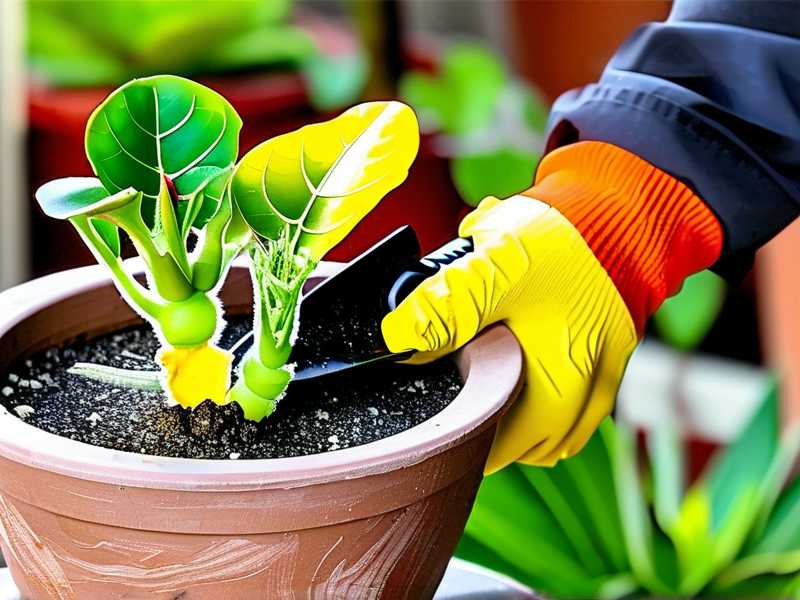
That's the whole point. When you fix the underlying problem and remove the damaged tissue, the plant recovers.
The 3 Biggest Mistakes New Jade Plant Owners Make
I've made all three of these. Multiple times. So I'm not judging. But if you can avoid them, your jade plant will thank you.
Mistake 1: Overwatering
I know I've mentioned this already. But it's the number one killer. And it's worth repeating.
Jade plants don't need water on a schedule. They need water when their soil is completely dry. Not slightly dry. Not dry on top. Completely, bone-dry, pull-the-skewer-out-and-it's-dusty dry.
In the summer, that might mean watering every two weeks. In the winter, it might mean watering once a month. It depends on your home's humidity, temperature, and the size of the pot.
I used to water my jade plant every Sunday. I thought I was being consistent. But consistency isn't the goal. The goal is to mimic their natural environment, which is dry.
Now I water when the leaves start to look slightly less plump. That's the plant telling me it's thirsty. Not before.
Mistake 2: Wrong Light
Jade plants need bright light. Not direct, scorching afternoon sun, but bright, indirect light for most of the day.
I once put a jade plant on a north-facing windowsill. It survived, but it got leggy. The stems stretched out, trying to reach for light. The leaves got smaller and paler. It wasn't happy.
Then I moved it to a south-facing window with a sheer curtain. That's the sweet spot. The curtain filters the harsh midday sun but lets plenty of light through.
If your jade plant is getting yellow leaves and the soil is dry, light might be the issue. Too little light can cause leaves to yellow and drop. But that's less common than overwatering. Usually it's both problems working together.
Mistake 3: Wrong Pot or No Drainage
This one is sneaky. You can do everything else right and still have problems if your pot is wrong.
Jade plants need a pot with a drainage hole. Period. No exceptions. I don't care how pretty the pot is. If it doesn't have a hole, don't use it for a jade plant.
I learned this the hard way. I had a beautiful ceramic pot with no drainage. I put a layer of rocks at the bottom, thinking that would help. It didn't. The soil stayed wet. The roots rotted. The plant died.
Now I use terracotta pots exclusively for my jade plants. Terracotta is porous, so it wicks moisture away from the soil. It also has a drainage hole. And it's cheap.
The size matters too. Don't put a small jade plant in a huge pot. The excess soil holds excess water. Use a pot that's just one or two inches wider than the root ball.
What the Experts Say
I'm not a botanist. I'm just someone who has killed a lot of jade plants and learned from it.
But the RHS confirms that succulents like jade plants are far more likely to suffer from overwatering than underwatering. Their guidance is clear: let the soil dry out completely between waterings.
The AHS recommends a well-draining cactus or succulent mix for jade plants. Regular potting soil holds too much moisture. You can also mix in perlite or coarse sand to improve drainage.
I do both now. I use a cactus mix and I add extra perlite. It looks a little chunky, but the plant loves it.
Frequently Asked Questions
Can I propagate the stems I cut off?
Yes, and you should. Jade plants propagate easily from stem cuttings. Let the cutting dry for a day or two until the cut end calluses over. Then stick it in dry cactus soil. Don't water for at least a week. After that, water sparingly until you see new growth.
I've propagated dozens of jade plants this way. It's genuinely one of the easiest plants to propagate. Just be patient. It can take a month or more for roots to form.
How often should I prune my jade plant?
I do a light cleanup every month or so, just removing any yellow or shriveled leaves. A more thorough pruning, like the three cuts I described above, I do once or twice a year. Usually in spring or early summer when the plant is actively growing.
If you see yellow leaves or soft stems, prune immediately regardless of the season. Don't wait.
What if the yellow leaves keep coming back after pruning?
If yellow leaves return after you've pruned and adjusted your watering, you probably haven't fixed the root cause. Check your soil. Is it draining well? Check your pot. Does it have a drainage hole? Check your watering schedule. Are you letting the soil dry completely?
If all of those are fine, consider root rot. You may need to unpot the plant, inspect the roots, and trim away any that are brown and mushy. Repot in fresh, dry soil. It's a drastic step, but it can save the plant.
Final Thoughts
Jade plants are tough. They survive neglect better than they survive kindness. That's the counterintuitive truth I wish I had known years ago.
If your jade plant has yellow leaves, don't panic. Remove the yellow leaves. Trim any soft stems. Open up the plant so air and light can reach the center. Then step back and let it dry out.
Two weeks from now, you'll see new growth. I did. And I'm not a plant expert. I'm just someone who finally learned to stop watering so much.
Your jade plant will forgive you. Just give it time, light, and a lot less water.





