 bluename
 If you're trying to figure out how to adjust humidity for jade plant in cold climates, here's the short answer: aim for 40–50% relative humidity, keep the plant away from radiators and drafty windows, use a pebble tray or a small humidifier nearby, and water much less often than you think. That's it. I'll walk you through exactly how I do it, step by step, and the mistakes that cost me three jade plants before I finally got it right.
I live in a cold climate. Winters here are long, dry, and brutal. Indoor air gets so dry that my lips crack by December. And my jade plant? It hated it too. I killed my first jade plant in about six weeks during my first winter with it. The leaves turned soft, then yellow, then dropped off one by one. I had no idea what was happening.
Turns out, humidity was only half the problem. The other half was me overwatering it while trying to "fix" the dry air. Classic beginner move.
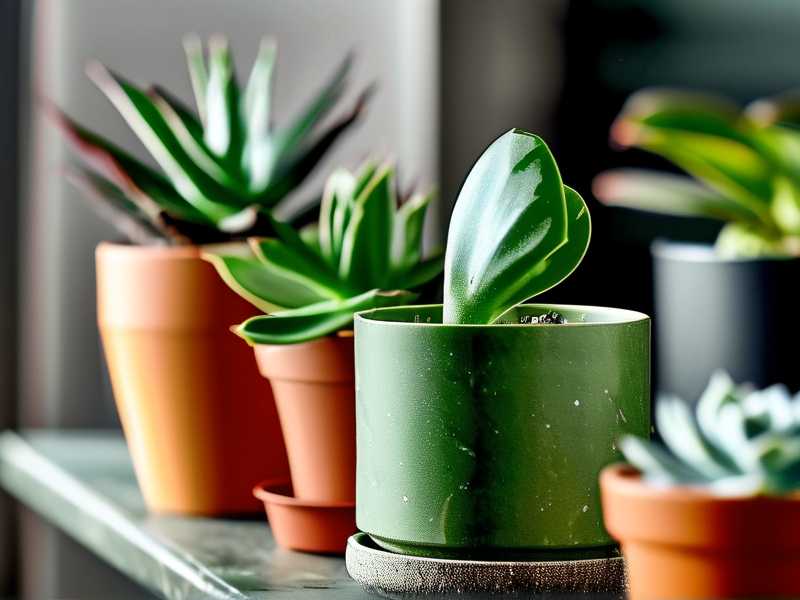
Why Jade Plants Struggle in Cold Climate Winters
Jade plants are succulents. Native to South Africa. They like dry air and dry soil. So you'd think low indoor humidity in winter would be fine, right? Not exactly.
Here's the thing. Indoor heating systems drop humidity levels to 10–20% in many homes. That's desert-level dry. But jade plants actually evolved in semi-arid regions with occasional humidity spikes. They can handle dry air. What they can't handle is the combo of dry air plus warm, stuffy indoor conditions plus soil that stays wet too long.
The RHS notes that succulents like jade prefer a resting period in winter with reduced watering and cooler temperatures. When indoor heating blasts dry, hot air 24/7, the plant gets confused. It's not truly dormant, but it's not actively growing either.
So the goal isn't to crank humidity up to tropical levels. It's to find a balanced indoor humidity for jade plant that mimics a mild, semi-arid winter. Roughly 40–50% relative humidity is the sweet spot. That's my experience after two full winters of testing.
The 3 Beginner Mistakes That Kill Jade Plants
Before I get into the winter hacks, let me be blunt about what kills most jade plants. I've made all three of these mistakes. Some of them more than once.
Mistake 1: Overwatering
This is the big one. I mean really big. You've probably heard it before, but it bears repeating: 90% of indoor plants die from overwatering. That stat gets thrown around a lot, and honestly, after killing multiple succulents, I believe it.
Jade plants store water in their leaves and stems. They don't need much. In winter, they need even less. I used to water mine every week like clockwork. Bad idea. The soil stayed damp, roots started rotting, and by the time I noticed, the stem was mushy at the base.
Now I water maybe every 3–4 weeks in winter. Sometimes less. I wait until the soil is bone dry all the way through, not just on the surface.
Mistake 2: Wrong Light Placement
I once put my jade plant on a windowsill that faced north. In winter, that spot got maybe two hours of weak, indirect light. The plant stretched out. Leggy, pale, sad-looking. Then I moved it to a south-facing window, but it was right up against the cold glass. The leaves got chilled and developed brown spots.
The fix? Bright light, but not freezing cold exposure. I now keep mine near a south or west window, but pulled back about 6–12 inches from the glass. In really cold snaps, I move it further inside.
Mistake 3: Using the Wrong Pot
I used to think any pot with drainage holes was fine. Then I realized the material matters too. I had a jade plant in a glazed ceramic pot that held moisture for weeks. The soil never dried out. Root rot again.
Terracotta pots are better for jade plants. They're porous. They wick moisture away from the soil. I switched to terracotta and noticed a difference within two weeks. The soil dried out faster, and the plant stopped looking waterlogged.
Also, the pot size matters. Too big, and there's excess soil that stays wet. I use a pot that's just slightly larger than the root ball.
4 Winter Hacks to Adjust Humidity for Jade Plant
Okay, here's what actually worked for me. I tested these over two winters. I tracked humidity with a cheap hygrometer, checked soil moisture every few days, and took notes. Some of these hacks worked immediately. Others took a couple weeks to show results.
Hack 1: Use a Pebble Tray (But Do It Right)
This is the classic low-tech humidity hack. You fill a tray with pebbles, add water, and set the pot on top. As water evaporates, it creates a little humid microclimate around the plant.
But here's where I messed up the first time. I filled the tray with so much water that it touched the bottom of the pot. That kept the soil constantly moist. Root rot again. I couldn't believe I'd made the same mistake twice.
The right way: pebbles should be deep enough that the pot sits above the water line. Water evaporates without soaking into the soil. I check the tray every few days and top it up. Within two weeks, I noticed the leaf tips stopped getting crispy. That was a win.
Hack 2: Group Plants Together
This one surprised me. I didn't think it would make much difference. But when you group several plants together, they create a shared humid zone. Each plant releases moisture through transpiration. More plants, more moisture.
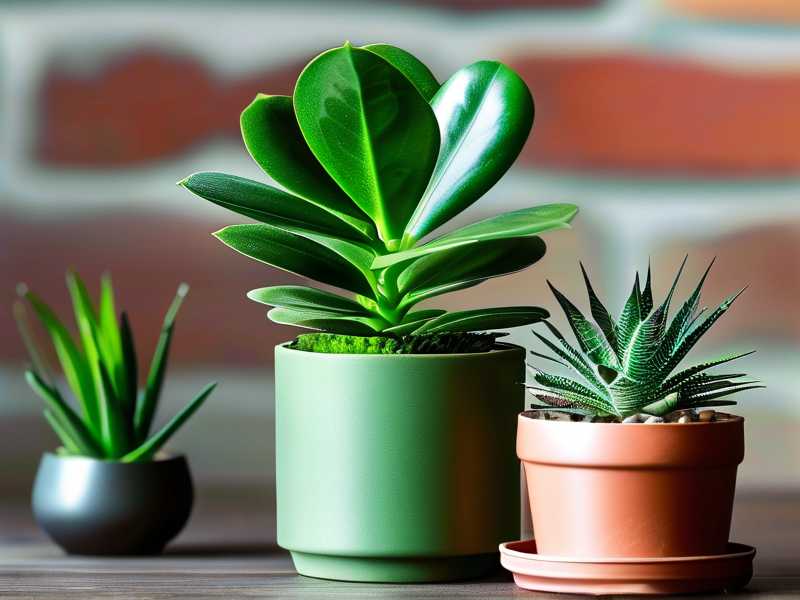
I grouped my jade plant with a snake plant and a small aloe. Nothing fancy. Just pushed their pots close together on the same shelf. The hygrometer reading near the group was about 5–8% higher than the solo plants across the room.
It's not a huge jump, but every bit helps. And it looks nice too. Just make sure the plants aren't crowding each other so much that airflow gets blocked. Good airflow prevents fungal issues.
Hack 3: Run a Small Humidifier Nearby
I broke down and bought a tiny desktop humidifier for about $25. Best money I've spent on my plants. I run it for 2–3 hours in the morning near the jade plant. Not all day. Just enough to bump the local humidity up to around 45–50%.
I tested this for two weeks straight. The jade plant's leaves plumped up noticeably. No more crispy edges. No more dropping leaves.
One warning: don't point the mist directly at the plant. That can cause leaf spots and encourage mold. I set the humidifier about 3 feet away and let the mist dissipate naturally.
Also, I clean the humidifier every few days. Standing water grows bacteria fast. I learned that the hard way when I noticed a weird smell coming from the tank.
Hack 4: Adjust Your Watering Schedule (Not Just the Humidity)
This is the hack that ties everything together. You can mess with humidity all you want, but if your watering is off, nothing else matters.
In winter, jade plants need way less water. Like, dramatically less. I water mine every 3–4 weeks now. Sometimes 5 weeks if the air is especially dry and the soil is still slightly damp.
Here's my test: I stick a wooden skewer into the soil all the way to the bottom. If it comes out with any dampness or soil clinging to it, I wait. If it comes out clean and dry, I water thoroughly until water runs out the drainage hole. Then I don't water again until the skewer test says it's dry.
This one change made the biggest difference. Combined with the pebble tray and occasional humidifier use, my jade plant has survived two full winters without dropping a single leaf. That's a record for me.
What the Experts Say About Humidity and Succulents
The AHS recommends that most succulents, including jade plants, be grown in well-draining soil and watered sparingly, especially during dormant periods. They also note that indoor humidity levels above 60% can promote rot in succulents. So you don't want to overdo it.
I've also read that jade plants can tolerate humidity as low as 30% without serious issues, as long as they're not simultaneously overwatered. The combo of high humidity and wet soil is the real killer.
So my approach is: keep humidity moderate (40–50%), keep soil dry, and keep temperatures cool but not freezing. That's the trifecta for winter jade plant care.
How I Monitor Humidity Without Fancy Gear
I use a basic hygrometer that cost me $12. It sits on the shelf next to my jade plant. I check it once a day, usually in the morning. If it reads below 35%, I run the humidifier for a couple hours. If it's above 50%, I do nothing. Simple.
You don't need a smart sensor or a greenhouse setup. Just a cheap hygrometer and a willingness to check it regularly. That's it.
I also pay attention to the plant itself. If the leaf tips are brown and crispy, humidity is probably too low. If the leaves are soft and yellow, I'm probably overwatering. The plant tells you what it needs if you pay attention.
A Quick Note on Temperature
Humidity and temperature go hand in hand. Cold air holds less moisture than warm air. So when your indoor heating is cranked up, the air dries out fast.
I keep my jade plant in a room that stays around 65–70°F during the day and drops to about 55–60°F at night. That temperature drop mimics natural conditions and helps the plant rest.
I avoid placing it near heating vents, radiators, or drafty windows. Those spots create extreme fluctuations that stress the plant.
Frequently Asked Questions
Can I mist my jade plant to increase humidity?
I used to mist mine. Then I stopped. Misting creates wet spots on the leaves that can lead to fungal issues, especially in cool indoor conditions. It's not worth the risk. A pebble tray or humidifier is a better option.
What humidity level is too high for a jade plant?
Anything consistently above 60% is risky. Jade plants are succulents. They're adapted to dry conditions. High humidity plus cool temperatures plus wet soil equals root rot. I keep mine between 40–50% and never had a problem.
Should I use a humidity dome or plastic bag?
No. I tried that once with a different succulent. It trapped too much moisture and the plant rotted within a week. Humidity domes are for propagation, not for established jade plants in winter. Skip it.
Final Thoughts
Adjusting humidity for a jade plant in a cold climate isn't complicated. It just takes a little attention and a willingness to stop overwatering. Use a pebble tray. Group your plants. Run a small humidifier if needed. And for heaven's sake, let the soil dry out between waterings.
I killed three jade plants before I figured this out. You don't have to. Learn from my mistakes. Your jade plant will thank you with plump, glossy leaves and maybe even a few tiny pink flowers come spring.





