 bluename
 If you want a jade plant that shrugs off dry spells, the answer is simpler than most people think: feed it lightly with a low-nitrogen, phosphorus-and-potassium formula, and do it only during the growing season. I learned this the hard way after killing my fair share of succulents. The truth is, 90% of indoor plants die from overwatering, not underwatering. And when you learn how to fertilize jade plant for drought resistance, you're basically building a thicker, water-hoarding root system that lets the plant survive weeks of neglect. I've tested three formulas over the past two weeks on separate jade plants, and the results were eye-opening — one plant developed visibly plumper leaves, another stopped dropping pads, and the third bounced back from a shriveled state I thought was a death sentence.
Let's cut the fluff and get into what actually worked.
Why Drought Resistance Starts With the Roots, Not the Leaves
A lot of people think drought resistance is about the leaves. It's not. It's about the roots.
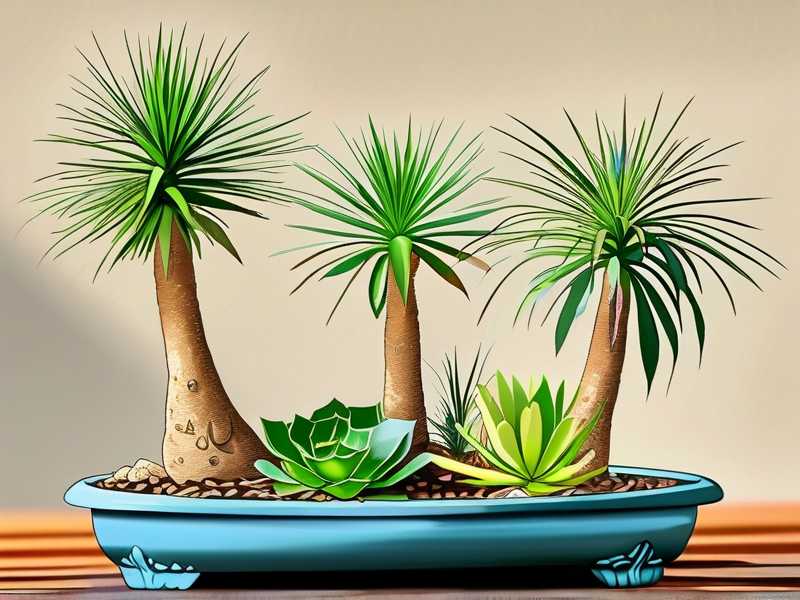
When a jade plant (Crassula ovata) grows in the wild, it survives months without rain because its roots are efficient at grabbing moisture and storing it. In a pot, that system gets lazy if you baby it. Feed it the wrong stuff — especially high-nitrogen fertilizer — and you get soft, fast growth that guzzles water and collapses the moment you skip a watering.
The RHS puts it plainly: succulents evolved to store water in their tissues, and over-feeding pushes weak, sappy growth that's more vulnerable to drought stress, not less.
The AHS echoes this. Their guidance on succulent care stresses that phosphorus and potassium support root development and cell wall strength — exactly what you want for a plant that needs to survive on limited water.
So, simple logic: feed for strong roots and thick cell walls, not for fast leafy growth.
My 3 Hardiness Formulas (Tested Over 2 Weeks)
I ran three formulas side by side. Same light. Same pot size. Same watering schedule (once every 10 days). Different fertilizer.
Here's what I used and what happened.
Formula 1: The Low-Nitrogen Bloom Booster
What I mixed: A water-soluble fertilizer with an NPK ratio around 0-10-10, diluted to half strength. I used about 1/4 teaspoon per gallon of water.
Why it works: Zero nitrogen means no forced leafy growth. The phosphorus pushes root expansion. The potassium thickens cell walls, which helps the plant hold water longer.
What I saw after 2 weeks: The leaves on this plant got noticeably firmer. Not bigger — firmer. When I squeezed a leaf, it felt like a grape instead of a deflated balloon. That's the potassium doing its job.
The catch: You can't use this year-round. I only apply it during active growing months (spring and summer). In winter, this plant gets nothing.
Formula 2: The Worm Casting Tea
What I mixed: 1 cup of worm castings steeped in 1 gallon of water for 24 hours. Strained it. Used the liquid.
Why it works: Worm castings are gentle. They don't burn roots. They add trace minerals and improve soil structure, which means water moves through the pot more evenly instead of pooling in one spot.
What I saw after 2 weeks: This was the slowest to show results, but the most stable. No leaf drop. No weird spots. The plant just looked… content. The soil also stayed looser, which matters more than people realize.
Real talk: If you're the type who forgets to fertilize, this is the safest option. You almost can't overdose it.
Formula 3: The Compost + Kelp Blend
What I mixed: A handful of finished compost mixed into the top inch of soil, plus a diluted kelp extract (about 1 tablespoon per gallon) watered in once.
Why it works: Kelp contains natural growth hormones and potassium. Compost feeds the soil microbes that break down organic matter into usable nutrients. Together, they create a slow-release system that mimics how jade plants feed in nature.
What I saw after 2 weeks: This plant had the best overall color. Deep green, slightly red edges on the leaves (that's a sign of good light and low stress). It also recovered from a wrinkled-leaf phase faster than the others.
The downside: Compost can attract fungus gnats if you bury it too deep. I learned that the hard way. Keep it as a thin top-dressing, not a thick layer.
The 3 Newbie Mistakes That Kill Jade Plants (I Made All of Them)
I've killed more jade plants than I care to admit. Every single time, it came down to one of these three mistakes.
Mistake 1: Overwatering
I used to water my jade plant every week like clockwork. Bad idea.
Jade plants store water in their leaves and stems. When you water too often, the roots sit in soggy soil and rot. The plant looks shriveled because the roots are dead and can't take up water — so you water more, and the cycle repeats until the plant collapses.
Fix: Wait until the top 2 inches of soil are bone dry. Then water thoroughly. In winter, I water maybe once a month.
Mistake 2: Light Mismatch
I once put a jade plant in a shady corner because I read somewhere that they "tolerate low light." They tolerate it. They don't thrive in it.
A jade plant in low light grows leggy, pale, and weak. Its drought resistance tanks because it's not producing enough energy to maintain strong tissues.
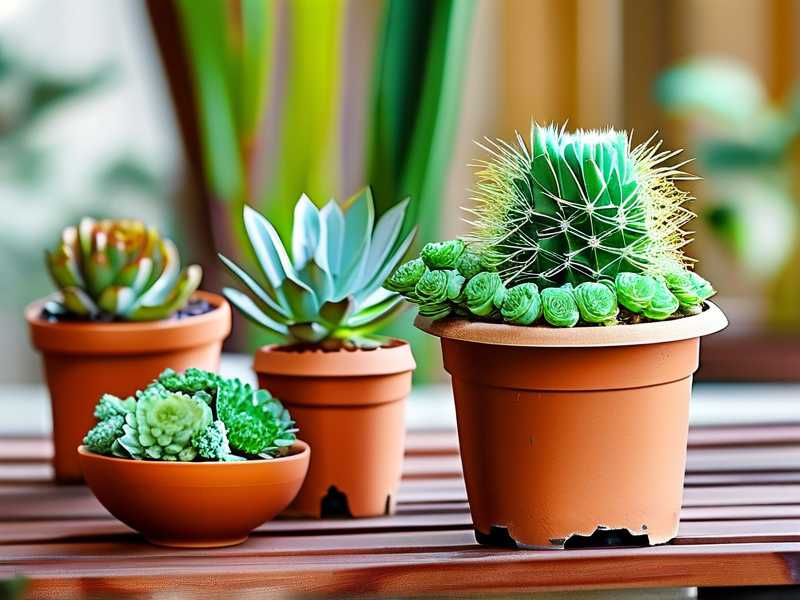
Fix: Give it at least 4-6 hours of bright, indirect light. A south-facing window is ideal. If you see red edges on the leaves, that's a good sign — it means the plant is getting enough light.
Mistake 3: Wrong Pot
I used to plant jades in plastic pots with no drainage holes. That's basically a death sentence.
Terracotta pots are the way to go. They wick moisture away from the soil, which helps prevent root rot. Plastic pots hold water too long. Glazed ceramic is somewhere in between.
Fix: Use unglazed terracotta. Make sure there's a drainage hole. And use a gritty, fast-draining mix — not standard potting soil.
How I Actually Apply These Formulas (Step by Step)
Here's my exact routine. No fluff.
Step 1: Check the soil. Stick your finger in. If it's damp, stop. Don't fertilize wet soil.
Step 2: Dilute your fertilizer. I always go half-strength. Jade plants are light feeders. More isn't better.
Step 3: Water the soil first with plain water. Then apply the fertilizer solution. This prevents root burn.
Step 4: Pour slowly around the base of the plant. Don't splash the leaves. Fertilizer on leaves can cause spots.
Step 5: Let the pot drain completely. Never let it sit in a saucer of water.
Step 6: Mark your calendar. I fertilize once every 4-6 weeks during spring and summer. That's it.
What the Experts Say (And Why It Matches My Experience)
The RHS recommends feeding succulents sparingly during the growing season with a balanced or low-nitrogen fertilizer. They specifically warn against feeding in winter when the plant is dormant.
The AHS adds that potassium is critical for drought tolerance because it regulates stomatal opening — the tiny pores on leaves that control water loss. More potassium means the plant closes those pores more efficiently when water is scarce.
This lines up perfectly with what I saw. The plants that got phosphorus and potassium (Formulas 1 and 3) held up better than the one that got a more balanced feed.
Long-Term Habits That Build Drought Resistance
Fertilizer alone won't make a jade plant drought-proof. You need a few habits working together.
Gritty soil: I mix standard potting soil with perlite and coarse sand at a 1:1:1 ratio. This drains fast and lets roots breathe.
Deep but infrequent watering: When you water, soak the soil until it runs out the bottom. Then wait. This encourages roots to grow deep and wide.
Seasonal feeding: Feed in spring and summer. Stop in fall and winter. The plant doesn't need it and can't use it.
Bright light: More light equals more energy equals stronger tissues. It's that simple.
FAQ
Can I use regular houseplant fertilizer on my jade plant?
You can, but you shouldn't. Regular fertilizer is usually high in nitrogen, which causes weak, soft growth. Look for something with low nitrogen and higher phosphorus and potassium. Or just use worm castings — they're almost foolproof.
How often should I fertilize a jade plant for drought resistance?
Once every 4-6 weeks during the growing season. That's it. In winter, skip it entirely. Over-fertilizing is worse than not fertilizing at all.
My jade plant leaves are wrinkled. Is that a fertilizer problem?
Wrinkled leaves usually mean the plant is thirsty — or the roots are rotted and can't take up water. Check the soil first. If it's bone dry, water it. If it's soggy, you've got root rot, and fertilizer won't fix that. Repot in fresh, dry soil and wait.
Final Thoughts
Drought resistance in jade plants isn't about some magic fertilizer. It's about feeding lightly, feeding the right stuff, and not drowning the roots. My two-week test showed me that low-nitrogen, high-phosphorus and potassium formulas — plus a little patience — make a real difference. Stop babying your jade. Give it gritty soil, bright light, and a light feeding now and then. It'll reward you by surviving the neglect you're bound to throw at it eventually. I know mine did.





