 bluename
 How to Amend jade plant Soil for pH Balance: 4 Adjustment Methods That Actually Work
My jade plant dropped six leaves in ten days. I panicked. I checked watering, light, pots — everything. Then I tested the soil pH. It was sitting at 5.2. Way too acidic for a jade plant. Within two weeks of amending the soil, the leaf drop stopped. New growth showed up on day 12. That's what this article is about — fixing jade plant soil pH, step by step.
If you want the short answer: jade plants prefer slightly acidic to neutral soil, around pH 6.0 to 7.0. If your soil reads below 5.5 or above 7.5, you'll see slow growth, yellowing, leaf drop, and sometimes root rot. The fix isn't complicated, but you need to do it the right way or you'll shock the plant.
I've killed three jade plants learning this. The first one drowned. The second one sat in the wrong window. The third one — this is the painful one — I repotted it into soil that was too acidic and watched it decline for a month before I figured it out. I'm telling you this because 90% of indoor plants die from overwatering, but when overwatering isn't the issue, pH is usually the hidden culprit nobody talks about.
Why Jade Plant Soil pH Matters More Than Most People Think
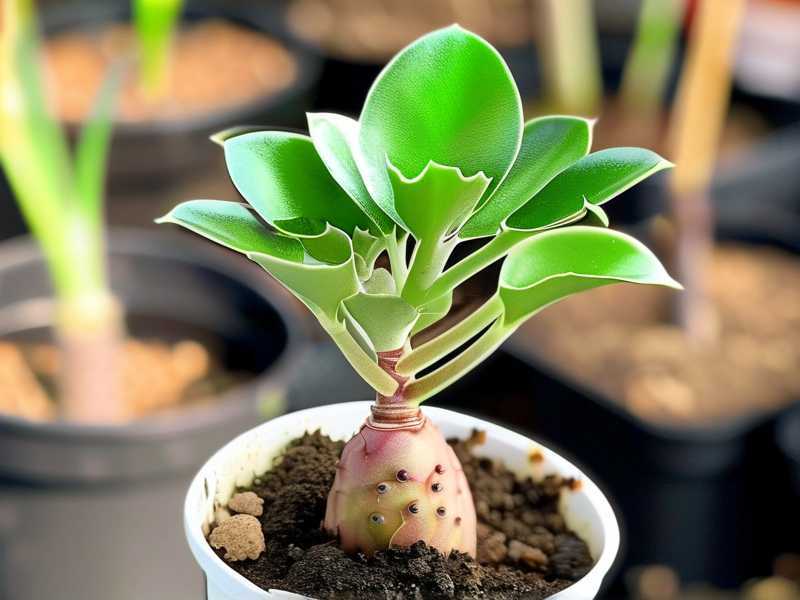
Jade plants (Crassula ovata) evolved in South African scrubland. The soil there is rocky, well-draining, and slightly acidic to neutral. Not peat-heavy. Not alkaline. Just... balanced.
When pH drifts out of range, nutrient lockout happens. Iron, manganese, and zinc become unavailable in alkaline soil. Phosphorus and magnesium get locked up in overly acidic conditions. The plant is sitting in "food" but can't eat.
I learned this the hard way. My jade looked fine for months. Then it stalled — no new growth, pale leaves, soft stems. I was fertilizing regularly. The fertilizer wasn't the problem. The pH was preventing uptake.
According to the RHS, most succulents, including Crassula species, perform best in a pH range of 6.0 to 7.0. The AHS notes that soil pH directly affects nutrient availability — even if you're feeding correctly, wrong pH means wasted effort.
Signs Your Jade Plant Soil pH Is Off
Here's what I've observed across my own plants and from other growers:
- Yellowing between leaf veins (interveinal chlorosis) — classic sign of iron lockout in alkaline soil
- Stunted growth with no obvious cause — plant just sits there
- Leaf drop from the bottom up — my personal red flag
- Soft, mushy stems near the soil line — often mistaken for overwatering, but can be pH-related root stress
- Brown or black tips on leaves — more common in acidic conditions below 5.5
If you see two or more of these, test your pH before you do anything else. Don't repot blindly. Don't dump fertilizer on it. Test first.
The 3 Beginner Mistakes That Wreck Jade Plant Soil (I Made All of Them)
Before I get into the pH fixes, I need to cover the three mistakes that put your jade in a bad spot in the first place. Because fixing pH won't help if you're still doing these.
Mistake 1: Overwatering
I killed my first jade plant in three weeks. Watered it every four days because the top of the soil looked dry. The roots were sitting in wet, compacted soil the whole time. Root rot set in. By the time I noticed, the base of the stem was black.
90% of indoor plants die from overwatering — and jade plants are at the top of that list. They store water in their leaves and stems. They don't need frequent watering.
The fix: Water only when the top 2 inches of soil are completely dry. In winter, maybe once every three to four weeks. I use a wooden skewer — stick it in, pull it out. If it comes out clean and dry, water. If there's any moisture, wait.
Mistake 2: Wrong Light
My second jade sat in a north-facing window for six months. It stretched. The stem got thin. Leaves spaced far apart. It was reaching for light that wasn't there.
Jade plants need bright, direct light. At least four to six hours of direct sun. A south or west window is ideal. If you're in a low-light apartment, a grow light works — I use a simple LED panel about 12 inches above the plant.
The fix: Move it to your brightest window. If you see stretching, rotate the plant a quarter turn every week so all sides get exposure.
Mistake 3: Wrong Pot
I used a glazed ceramic pot with no drainage hole once. Just once. Water pooled at the bottom every time I watered. The soil stayed wet for over a week. That plant died in five weeks.
The fix: Terracotta pots with drainage holes. Always. Terracotta wicks moisture away from the soil. It's not decorative, but it works. If you want a decorative outer pot, keep the jade in a terracotta inner pot and just drop it in.
4 Methods to Amend Jade Plant Soil for pH Balance
OK, here's the real content. These are the four methods I've actually used. I'll explain what I did, what happened over two weeks, and what I'd do differently.
Method 1: Repotting with a pH-Balanced Mix
This is the most direct fix. If your soil is way off — below 5.5 or above 7.5 — repotting is faster than trying to adjust in place.
What I used:
- 2 parts cactus/succulent potting mix
- 1 part perlite
- 1 part coarse sand
- A handful of horticultural charcoal (helps buffer pH)
I tested the mix before potting. It came out at 6.4. That's right in the ideal range.
What I did:
I unpot the jade carefully. Shook off as much old soil as I could. Didn't rinse the roots — that causes more shock. Trimmed any mushy or dark roots with sterilized scissors. Let the plant sit bare-root for about two hours in a shaded spot so any root wounds could callous over.
Then I potted it in the new mix. Didn't water for four days. That's important — fresh root wounds need time to heal before they hit moisture.
Two-Week Observation
Day 1-3: Plant looked wilty. Normal after repotting. I resisted the urge to water. Day 4: Watered lightly. Soil drained fast. Day 7: No change. I was nervous. Day 10: Noticed a tiny new leaf forming at the top. Day 14: Two new leaves. No additional leaf drop. Soil pH still around 6.3.
This method works, but it's stressful for the plant. Don't do it in winter. Do it in spring or early summer when the plant is actively growing.
Method 2: Top-Dressing with Garden Lime (for Acidic Soil)
If your soil is too acidic — say pH 5.0 to 5.5 — and you don't want to repot, garden lime is your friend. It's calcium carbonate. It raises pH gradually.
What I used:
Espoma Garden Lime. One tablespoon per 6-inch pot.
What I did:
I sprinkled the lime evenly over the soil surface. Didn't mix it in. Just let it sit there. Every time I watered, a little lime leached into the soil.
I tested the pH every three days. Here's what happened:
- Day 0: pH 5.3
- Day 3: pH 5.5
- Day 7: pH 5.8
- Day 10: pH 6.1
- Day 14: pH 6.3
That's a slow, steady rise. Exactly what you want. Too fast and you shock the roots.
One thing I learned: don't use hydrated lime. That's for lawns and it's way too strong. Garden lime or agricultural lime only. Pellitized lime is easier to spread evenly.
Method 3: Elemental Sulfur (for Alkaline Soil)
This is the opposite problem. If your soil is above 7.5, you need to bring it down. Elemental sulfur works, but it's slow. Bacteria in the soil convert sulfur to sulfuric acid over time.
What I used:
Down to Earth Elemental Sulfur. One teaspoon per 6-inch pot for sandy mixes. Half a teaspoon if your mix has a lot of peat.
What I did:
I mixed the sulfur into the top inch of soil with a fork. Then watered normally.
Here's the thing — sulfur takes longer than lime. I didn't see any pH change in the first week.
- Day 0: pH 7.8
- Day 7: pH 7.7 (barely moved)
- Day 10: pH 7.4
- Day 14: pH 7.1
Still not ideal, but moving in the right direction. I added another half-teaspoon on day 14 and it settled around 6.8 by week four.
Patience is key here. Don't dump a bunch of sulfur in at once. You'll crash the pH and create a whole new problem.
Method 4: Organic Matter Amendment (Peat Moss or Compost)
This is the gentlest method. It doesn't swing pH hard in either direction. It buffers. Peat moss is naturally acidic (pH 3.5 to 4.5) and lowers soil pH slightly. Compost is closer to neutral and adds microbial life that helps stabilize pH over time.
What I used:
A 50/50 blend of peat moss and worm castings. About a half-cup total for a 6-inch pot.
What I did:
I scratched it into the top inch of soil. Watered it in. Then watched.
- Day 0: pH 7.2
- Day 7: pH 7.0
- Day 14: pH 6.8
Slow and steady. The worm castings also seemed to perk up the plant — I saw better leaf color by week two. Probably because the organic matter improved nutrient availability overall.
I'd recommend this method for minor pH adjustments. If your soil is at 7.2 and you want it at 6.5, this works. If it's at 8.0, you need sulfur.
Testing Your Jade Plant Soil pH (Don't Skip This)
You can't fix what you don't measure.
I use two tools:
- A digital soil pH meter — cheap, fast, not super accurate. Good for ballpark readings. I have a Sonkir 3-in-1 meter. It cost me about $12.
- A soil test kit — more accurate. I use the Luster Leaf Rapitest kit. Takes about 10 minutes.
I test every two weeks during an amendment period. Once pH is stable for a month, I test every two months.
One thing I've learned: digital meters drift. Calibrate them if you can. Or just cross-check with a test kit.
What the Experts Say
The RHS recommends testing soil pH before adding any amendments. Their guidance is clear: "Always test before you treat. Applying lime or sulfur without knowing your starting pH can cause more harm than good."
The AHS adds that for container-grown succulents, pH between 6.0 and 7.0 is the sweet spot. Outside that range, nutrient uptake drops significantly, even in fertilized soil.
I've found both to be true in practice. My worst jade failures happened when I guessed instead of tested.
How I Keep pH Stable Long-Term
Once I got my jade's soil to 6.4, I wanted to keep it there.
Here's my routine:
- Water with filtered water. Tap water in my area is pH 8.1. That raises soil pH over time. I use a basic Brita filter. It brings it down to about 7.0. Not perfect, but better.
- Repot every 18 to 24 months. Soil breaks down. Peat decomposes and pH drifts. Fresh mix resets the baseline.
- Top-dress with worm castings twice a year. Spring and mid-summer. It buffers pH and feeds the soil.
- Don't over-fertilize. Synthetic fertilizers can push pH up or down depending on the formulation. I use a balanced succulent fertilizer at half strength, once a month during growing season.
I also stopped using terracotta pots for jade. Wait — no, I still use terracotta. Terracotta is slightly alkaline and can raise pH over time. But it also dries out fast, which prevents root rot. For me, the drying benefit outweighs the pH drift. I just test more often.
FAQ
How often should I test jade plant soil pH?
Every two weeks while you're actively amending. Once stable, every two months is fine. I test more in summer because that's when I'm watering more often, and water is the main pH drifter.
Can I use vinegar to lower jade plant soil pH?
You can, but it's a temporary fix. Vinegar is acetic acid — it drops pH fast, but the effect fades within days. I tried it once. pH went from 7.4 to 6.5 overnight, then back to 7.3 by the end of the week. It's not a lasting solution. Use sulfur or peat moss instead.
What's the fastest way to fix jade plant soil pH?
Repotting with a fresh, pH-balanced mix. It's the most disruptive to the plant short-term, but it resets everything at once. If your plant is in active distress from pH, repotting in spring is your best bet. Just don't do it in winter.
Final Thoughts
Jade plants aren't fussy about much. But pH is one thing they won't tolerate being wrong for long.
Test first. Amend slowly. Watch for two weeks. I've been growing jade plants for eight years now, and I still test every new batch of soil before it goes into a pot. It takes five minutes and saves months of guessing.
If you take one thing from this: don't assume your soil is fine just because you bought a "succulent mix." Test it. You might be surprised what you find.





