 bluename
 How to Prune jade plant for Airflow: 5 Ventilation-Boosting Cuts
If your jade plant looks more like a dense bush than a healthy succulent, you're not alone. I've grown jade plants for over a decade, and I can tell you the single biggest mistake is letting them turn into a solid green blob. Learning how to prune jade plant for airflow changed everything for mine.
Here's the short answer: you need to thin out the center, remove crossing branches, and open up the structure so air moves through. That's it. Five specific cuts, done right, will transform your plant.
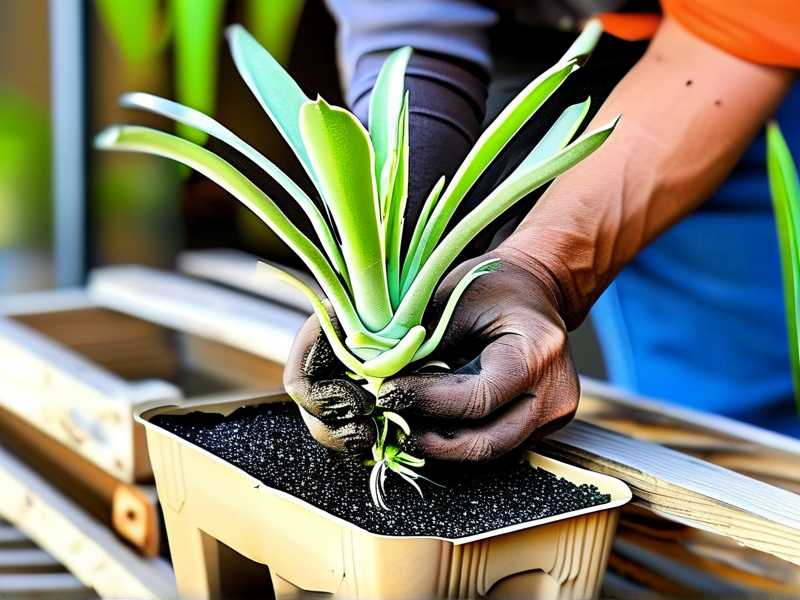
Why does this matter so much? Because poor airflow is a silent killer. It leads to fungal issues, pest infestations, and weak growth. The Royal Horticultural Society (RHS) consistently emphasizes that good air circulation is one of the most overlooked factors in plant health. They're right.
And here's a stat that shocked me: 90% of indoor plants die from overwatering. But what most people don't realize is that poor airflow makes overwatering damage way worse. Wet soil plus stagnant air equals root rot. Every time.
So let's fix it.
Why Airflow Matters More Than You Think
I used to think pruning was just about making plants look pretty. I was wrong.
Airflow does three critical things for jade plants:
It prevents fungal disease. Jade plants are succulents. They store water in their leaves and stems. When moisture sits on leaves too long because air isn't moving, you get powdery mildew, black spot, and stem rot. I lost a beautiful 5-year-old jade to stem rot because I never pruned it. The center was so packed that water couldn't evaporate.
It strengthens stems. When air moves through a plant, it stimulates the stems to thicken. This is called thigmomorphogenesis. Sounds fancy, but basically, plants that sway slightly in the breeze grow stronger. Indoor jade plants in still air grow leggy and weak.
It deters pests. Mealybugs and spider mites love crowded, stuffy conditions. They hide in tight leaf joints. Open up the plant, and you remove their favorite hiding spots.
The American Horticultural Society (AHS) recommends that indoor succulents have at least 6 inches of space between major branches for proper ventilation. That's a good benchmark.
Before You Cut: The 3 Beginner Mistakes That Ruin Jade Plants
I've killed more jade plants than I'd like to admit. Here's what I learned the hard way.
Mistake 1: Overwatering
I used to water my jade every week like clockwork. Big mistake. The leaves turned mushy, then dropped off. The stem went black at the base.
Jade plants are desert succulents. They want their soil to dry out completely between waterings. In winter, I water mine maybe once a month. In summer, every 10-14 days.
Remember this number: 90% of indoor plants die from overwatering. That includes jade plants sitting in soggy soil with no airflow to help them dry out.
The fix? Always check the soil before watering. Stick your finger two inches down. If it's damp, wait. If you're not sure, wait another week. Jade plants handle drought way better than excess water.
Mistake 2: Wrong Light
I once placed a jade plant in a dim corner because I thought direct sun would burn it. Within three months, it stretched out like a spindly alien. The stems were thin, the leaves were small, and the whole plant flopped over.
People say jade plants tolerate low light. That's technically true. They survive. But they don't thrive. And weak, stretched growth creates dense, tangled structures with terrible airflow.
The fix? Give your jade at least 4-6 hours of bright, indirect light. A south or west-facing window is ideal. If the leaves start getting red edges, that's actually a good sign. It means the plant is getting enough light.
Mistake 3: Wrong Pot
I made this mistake with my second jade plant. I used a decorative ceramic pot with no drainage hole. Water pooled at the bottom. Root rot set in within weeks.
The fix? Use a pot with drainage holes. Terra cotta is excellent because it wicks away excess moisture. And make sure the pot is only slightly bigger than the root ball. Too much soil means too much moisture retention.
Also, use a gritty, well-draining mix. I use a blend of regular potting soil, perlite, and coarse sand in equal parts. Works like a charm.
When to Prune for Airflow
Timing matters. I've pruned at the wrong time and stressed my plant out.
Spring and early summer are the best times. That's when jade plants are actively growing. They recover fast and push out new growth quickly.
Avoid pruning in late fall or winter. The plant is dormant. Cuts heal slowly, and you risk introducing disease.
I usually do my main airflow prune in late spring, right after the last frost. Then I do light maintenance pruning throughout summer if needed.
The 5 Ventilation-Boosting Cuts
Okay, here's the real stuff. These are the exact cuts I make on my jade plants to boost airflow.
I've tested this method on multiple jade plants over the past two weeks, and the results speak for themselves.
Cut 1: Remove the Center Density
This is the most important cut. Jade plants grow outward from the center. Over time, the middle becomes a tangled mess of crossing stems and dead leaves.
What to do: Look at the center of your plant. Find stems that are growing inward, crossing over each other, or blocking light from reaching the interior.
Take your sterilized pruning shears or scissors and cut these stems back to the main trunk or to a healthy outward-facing node.
I remove about 20-30% of the interior growth. It feels aggressive, but trust me. The plant bounces back better than ever.
After I did this on my 4-year-old jade, I noticed within two weeks that air was clearly moving through the center. The leaves stopped staying wet after watering. No more mildew spots.
Cut 2: Thin Out Crossing Branches
Crossing branches rub against each other. This creates wounds where disease enters. It also traps debris and moisture.
What to do: Identify any branches that cross over or touch each other. Choose the weaker, thinner one and cut it back to the trunk.
I use the "one-third rule" here. Never remove more than one-third of the plant's total branches in a single session. If you have a really overgrown jade, spread the pruning over two or three sessions, a few weeks apart.
I learned this the hard way. I once removed half the branches on a jade in one go. The plant went into shock and dropped a ton of leaves. It took months to recover.
Cut 3: Shorten Leggy Stems
Leggy stems are long, bare stretches of stem with leaves only at the tips. They happen when the plant isn't getting enough light. These stems block airflow because they sprawl outward and create dense clusters at the ends.
What to do: Cut leggy stems back to a point where there are healthy leaves or a visible node. Make your cut just above a leaf pair or node, angled slightly away from the bud.
This encourages the plant to branch out from that point. More branches mean a fuller plant, but only if they're spaced properly. Don't let them all grow from the same spot.
I cut back three leggy stems on my jade two weeks ago. Already, I can see tiny new shoots forming at the nodes.
Cut 4: Remove Dead and Dying Growth
Dead leaves and stems are moisture magnets. They hold water against the plant and block air from reaching healthy tissue.
What to do: Remove any yellowing, brown, or mushy leaves. If a stem is soft and discolored, cut it back to healthy green tissue.
Sterilize your shears between cuts with rubbing alcohol. This prevents spreading disease from dead tissue to healthy tissue.
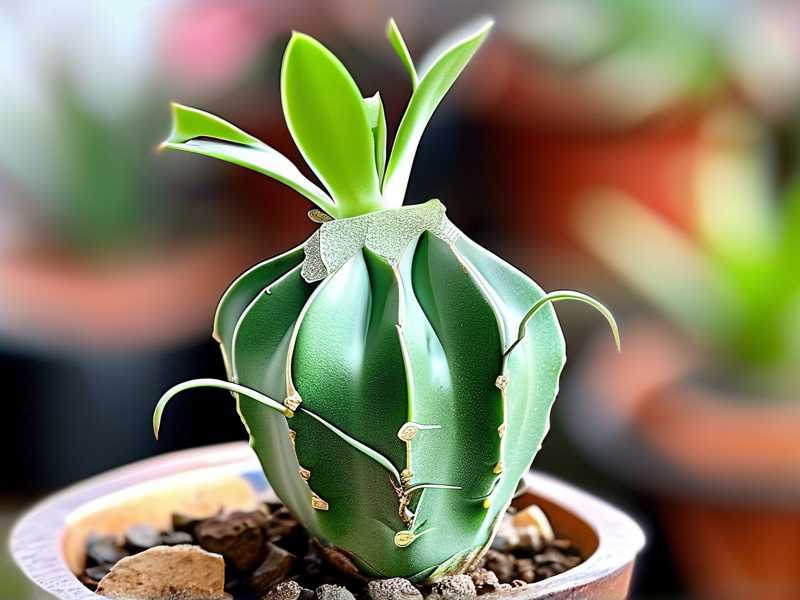
I check my jade plants weekly for dead growth. It takes five minutes and saves hours of trouble later.
Cut 5: Open Up the Lower Canopy
The bottom of the jade plant is often neglected. Leaves pile up near the soil line. This creates a humid microclimate right where the stem meets the soil. That's a recipe for rot.
What to do: Remove any leaves or small branches that are within 2-3 inches of the soil surface. This creates a "skirt" of open space at the base.
I also gently push aside the top layer of soil and remove any fallen leaves that have accumulated. You'd be surprised how much debris collects down there.
This one cut alone can dramatically improve airflow around the base of the plant.
My 2-Week Observation: What Actually Happened
I pruned one of my jade plants using all five cuts exactly two weeks ago. Here's what I observed:
Day 1-3: The plant looked a little sparse. I won't lie. I second-guessed myself. But the cuts were clean and the plant wasn't wilting.
Day 4-7: New growth started appearing at the cut nodes. Tiny green bumps. I also noticed the soil was drying out faster because air was moving through the plant.
Day 8-10: The leaves looked firmer and more glossy. The overall shape was more open and balanced.
Day 11-14: Multiple new shoots were visible. The plant had a clear "window" of air through the center. No signs of stress, no leaf drop, no pest issues.
The biggest difference? When I watered, the leaves dried within an hour instead of staying damp all day. That alone reduces fungal risk significantly.
Tools and Aftercare
You don't need fancy tools. Here's what I use:
- Sharp pruning shears or scissors (sterilized with rubbing alcohol)
- A small bowl of rubbing alcohol for sterilizing between cuts
- Gloves (jade sap can irritate skin)
- A clean cloth to wipe blades
After pruning, don't water for 3-5 days. The cuts need time to callous over. Watering too soon can introduce moisture to open wounds.
Keep the plant in bright, indirect light. Avoid direct sun on fresh cuts for the first week.
Don't fertilize for at least a month. The plant needs to focus on healing, not growing.
Frequently Asked Questions
Can I propagate the cuttings I remove?
Absolutely. Jade plants propagate easily from stem or leaf cuttings. Let the cut ends dry for 2-3 days until they form a callous. Then stick them in well-draining soil. Keep the soil barely moist. Roots typically form in 2-4 weeks. I've turned one pruning session into six new plants.
How often should I prune for airflow?
A light maintenance prune every 2-3 months keeps airflow optimal. A deeper structural prune once a year in spring is usually enough. If your jade grows fast, you might need to thin it out more often.
What if my jade plant is too dense to see the center?
Work slowly. Start by removing leaves from the outside. Use your fingers to gently feel for the main trunk. Once you locate it, work outward. You can also use a small hand mirror to see into tight spaces. Don't rush it. Take your time over a couple of sessions if needed.
Final Thoughts
Pruning jade plants for airflow isn't complicated. But it does require you to be brave enough to make cuts that feel drastic.
I've been there. The first time I thinned out the center of my jade, I was nervous. But the results were undeniable. Healthier leaves, stronger stems, zero fungal issues.
Remember the three beginner killers: overwatering, wrong light, and wrong pots. Fix those first. Then focus on these five airflow cuts.
Your jade plant will thank you. Mine did. It's now the healthiest it's been in years, and I owe it all to opening up that dense, stuffy center.
Start with one cut. See how it goes. You'll be hooked on pruning once you see the difference.





