 bluename
 How to Adjust Humidity for jade plant in Greenhouses: 3 Balance Tips
I killed three jade plants before I finally understood what was going wrong. It wasn't the watering schedule. It wasn't the soil mix. It was the humidity inside my greenhouse, and I had completely ignored it for two years. If you're trying to figure out how to adjust humidity for jade plant in greenhouses, here's the short answer: keep it between 30% and 50%, use a hygrometer before you change anything, and never let the air stay stagnant above 60%. That's it. Everything else in this article is the messy, real-world story of how I got there.
Why Jade Plants Hate Humid Greenhouses
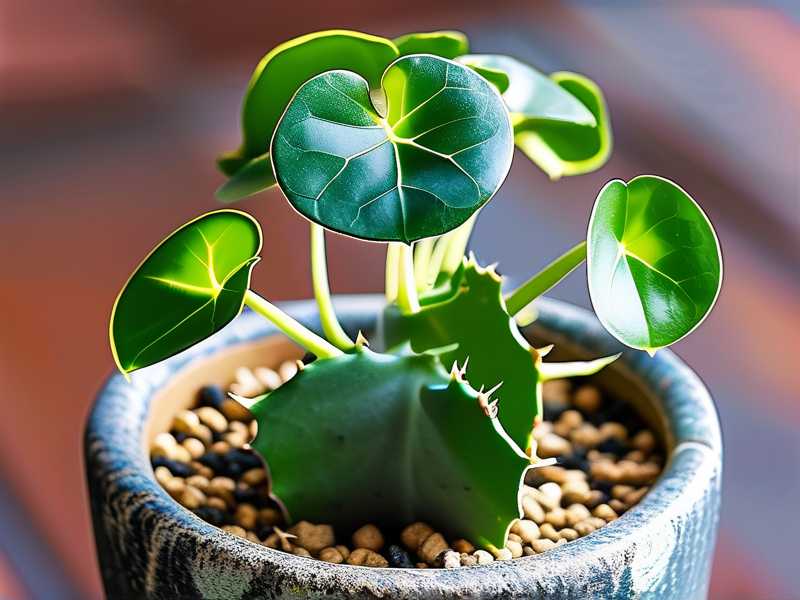
Jade plants are succulents. They come from South Africa, where the air is dry and the rain comes in short bursts.
Their leaves store water. Their roots hate sitting in moisture. When humidity climbs above 55% or 60% inside a greenhouse, you're basically recreating a rainforest. And jade plants are not rainforest plants.
According to the RHS, most succulent houseplants perform best in low to moderate humidity. That matches everything I've seen in my own greenhouse. The AHS also notes that succulents are far more tolerant of dry air than damp, still air. I learned this the hard way.
My First Greenhouse Mistake (And What It Cost Me)
I built a small polycarbonate greenhouse in my backyard three summers ago. I filled it with jades, aloes, and a few echeverias. I was so proud.
By week two, the jade leaves were developing soft brown spots. I thought it was sunburn. I moved them out of direct light. Nothing improved.
By week three, the stems were mushy near the soil line. Root rot. Classic. And then I read that line I should have known all along: 90% of indoor plants die from overwatering.
But here's the thing nobody told me. Overwatering isn't just about how much you pour. It's about the air around the plant. High humidity means water can't evaporate from the soil surface. The roots stay wet. Rot sets in. The plant dies.
That was jade plant number one gone. Number two followed six months later for the same reason. Number three, I finally bought a hygrometer.
The 3 Balance Tips That Actually Worked
After losing those plants, I spent two weeks doing nothing but monitoring and adjusting. I checked humidity three times a day. I wrote notes. I nearly drove myself crazy. But here's what I found.
Tip 1: Measure Before You Adjust Anything
You cannot fix humidity if you don't know what it is.
I bought a cheap digital hygrometer for twelve dollars. I placed it at canopy level, not on the floor, because humidity stratifies. The floor might read 45% while the top of your jade reads 65%.
During my two-week observation, I discovered my greenhouse hit 72% humidity every morning between 6 AM and 9 AM. That was my problem window.
Without measuring, I would have guessed wrong. I probably would have added a fan and called it a day. But 72% at dawn meant condensation was forming on leaves overnight, and that's a fungal disease invitation.
So buy a hygrometer. Check it morning, midday, and evening. Write it down. You'll spot your problem hours fast.
Tip 2: Ventilation Beats Dehumidification Every Time
I tried a small electric dehumidifier first. It was noisy, it used power constantly, and it only dropped humidity by about 8%.
Then I installed two small solar-powered vent fans. One low, one high. The difference was immediate.
Within 48 hours, my morning humidity dropped from 72% to 51%. By day five, it was stable at 44% during the day and 48% at night.
The principle is simple. Moving air carries moisture away. Stagnant air holds it against the leaves.
I run those fans from 7 AM to 7 PM in summer. In winter, I run them for two hours in the morning and one hour in the afternoon. That's enough to keep the air from going stale without dropping temperatures too low.
If you can't install fans, just crack a vent or door for an hour each morning. It's not as precise, but it works.
Tip 3: Group Smart, Not Tight
Here's something I wish I'd known earlier. Plants transpire. They release moisture into the air. If you cram twenty pots into a tiny greenhouse, they create their own humid microclimate.
I used to pack my jades together because it looked full and lush. Big mistake.
Now I space them at least six inches apart. I also keep a small gap between the jade shelf and the wall. Air moves through. Humidity stays even.
If your greenhouse is small, consider rotating plants. Keep half inside for a month, half outside, then swap. It's more work, but it prevents the humidity spike that comes from overcrowding.
The Three Beginner Mistakes That Kill Jade Plants
I've made all of these. Every single one. So if you're doing them too, don't feel bad. Just fix them.
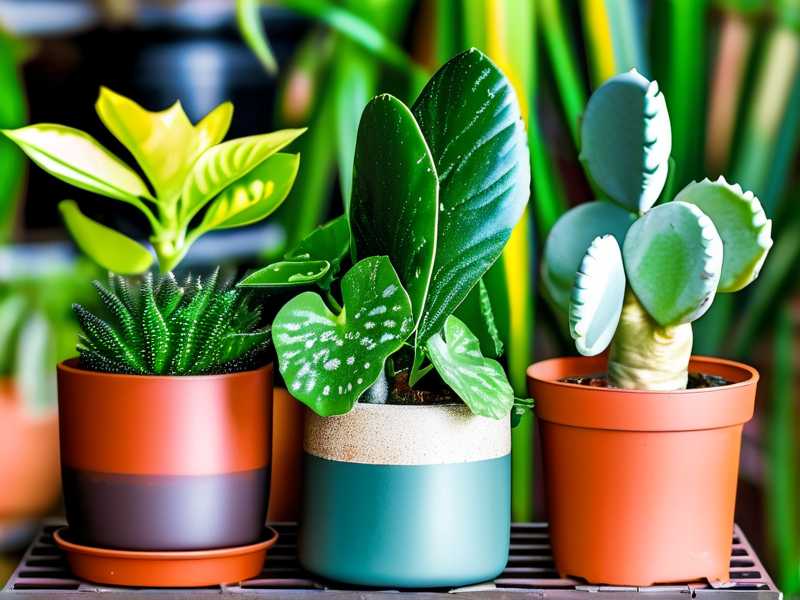
Mistake 1: Overwatering
Everyone does this. I did it for years. The soil looks dry on top, so you water. But jade roots go deep, and the bottom of the pot is still wet.
In a greenhouse, high humidity slows evaporation even more. So you water on a schedule, and the soil never dries out.
Fix: Water only when the soil is dry two inches down. Use a wooden skewer to check. If it comes out clean, water. If it comes out with soil stuck to it, wait.
Mistake 2: Light Mismatch
Jade plants need bright light. But in a greenhouse, bright light plus high humidity equals soft, stretched growth. The plant reaches for light and weakens.
I once put a jade in a shaded corner of my greenhouse because I thought it would be safer from sunburn. It stretched six inches in a month. The stems were thin as pencils.
Fix: Give jade plants four to six hours of direct sun. If your greenhouse gets too hot, use shade cloth, not deep shade. Aim for bright, filtered light.
Mistake 3: Wrong Pot
I used a glazed ceramic pot with no drainage hole for my first jade. I know. I know. Terrible.
In a greenhouse, any pot that holds water is a death sentence. Terra cotta breathes. Plastic doesn't. Glazed ceramic is the worst.
Fix: Use unglazed terra cotta with a drainage hole. Always. No exceptions. If you love a decorative pot, set the terra cotta inside it and empty the decorative pot after watering.
What Two Weeks of Monitoring Taught Me
I kept a notebook for fourteen days. Here's what I recorded.
Day 1: Humidity 68% at 7 AM. Leaves felt slightly soft. Day 3: Added second fan. Humidity 58%. Day 5: Humidity 49% at 7 AM. Leaves firming up. Day 7: No new spots. Old spots drying. Day 10: Humidity stable at 42-47%. New growth visible at tips. Day 14: Plant looks healthy. No rot. No mold.
Two weeks. That's all it took once I started measuring and ventilating.
Before that, I spent two years guessing. I repotted, I changed soil, I moved plants around. Nothing worked because the humidity was wrong.
Seasonal Adjustments You Shouldn't Skip
Greenhouse humidity changes with the seasons. In summer, it spikes. In winter, it drops when you heat the space.
Summer: Run fans all day. Water in the morning so excess moisture evaporates by evening.
Winter: Heaters dry the air. Humidity might drop below 30%. That's fine for jade plants, but watch for crispy leaf tips. If you see them, group plants closer together to create a slightly humid microclimate.
Spring and fall: These are your easy months. Aim for 40-50%. Vent during the day. Close up at night.
Tools That Actually Helped Me
You don't need much. Here's my short list.
A digital hygrometer. Twelve dollars. Non-negotiable.
A small oscillating fan. Battery or solar. Moves air without blasting your plants.
A wooden skewer. For checking soil moisture.
Terra cotta pots. Cheap, breathable, perfect.
A notebook. Old school. But writing down numbers helped me see patterns I would have missed.
What the Experts Say (And Why It Matters)
The RHS recommends checking humidity levels for succulents regularly, especially in enclosed spaces like greenhouses. They note that good air circulation is more important than precise humidity numbers.
The AHS adds that succulents are adapted to survive drought, not damp. Their root systems are designed to dry out quickly between waterings.
I followed that advice. I stopped chasing perfect humidity and started focusing on airflow. That's when everything changed.
Frequently Asked Questions
What humidity level is too high for jade plants in a greenhouse?
Above 60% is risky. Between 60% and 70%, you'll start seeing soft spots and fungal issues. Above 70%, root rot becomes almost certain if the soil stays wet. Keep it under 50% if you can.
Can I use a dehumidifier instead of fans?
You can, but I don't recommend it as your only solution. Dehumidifiers pull moisture from the air, but they don't create air movement. Stagnant air still causes problems. Use fans first. Add a dehumidifier only if fans aren't enough.
How often should I check humidity in my greenhouse?
Twice a day minimum. Morning and late afternoon. If you're seeing problems, check three times a day for two weeks. Once you know your greenhouse's patterns, you can check less often. But during seasonal changes, go back to daily checks.
Final Thoughts
Adjusting humidity for jade plants in a greenhouse isn't complicated. But it does require paying attention.
Measure with a hygrometer. Ventilate with fans. Space your plants. Use terra cotta. Water only when dry.
Those five habits saved my remaining jade plants. I haven't lost one in eighteen months. And I stopped guessing.
If you're struggling with a jade plant right now, start with humidity. Check it today. You might be surprised by what you find.





