 bluename
 How to Provide jade plant with Indirect Light: 4 Placement Ideas
If your jade plant is stretching out, dropping leaves, or looking pale, the light is probably wrong. I've killed my fair share of jades before I figured this out. The honest answer: give your jade plant bright, indirect light for 4–6 hours a day, and keep it out of harsh, direct afternoon sun. That's it. That one change fixes most problems.
Jade plants (Crassula ovata) are succulents, so people assume they want full blazing sun. In my experience, that's only half true. Outdoors in mild climates, sure. Indoors behind glass, direct sun can scorch the leaves fast.
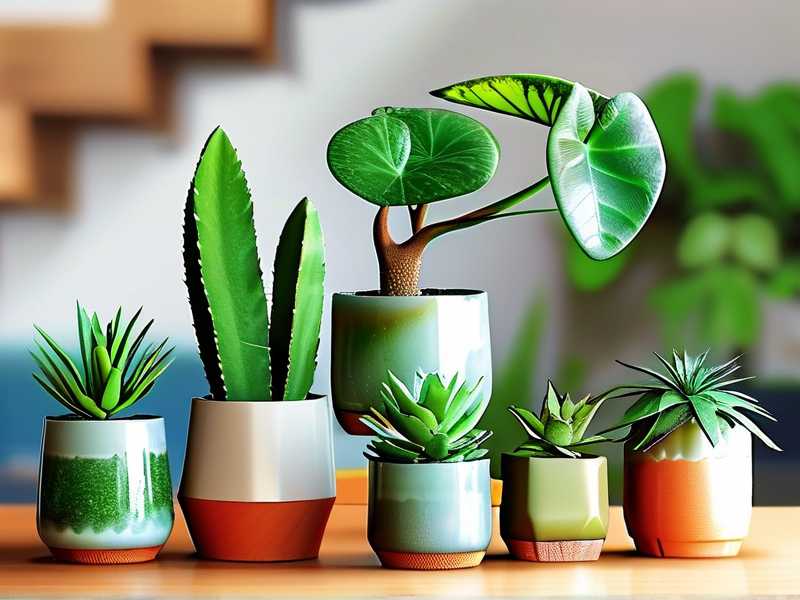
Let me walk you through exactly how I set up indirect light for my jades, the four placements I actually use, and the mistakes that cost me three plants before I got it right.
Disclaimer: this is based on my own growing experience, not professional horticultural advice.
Why Indirect Light Matters More Than You Think
Jade plants store water in their thick leaves. That's why overwatering kills them so easily. But light and water are linked. The more light a jade gets, the more water it uses. The less light, the slower it drinks.
So a jade in a dim corner stays wet for weeks. Roots rot. Game over.
The RHS notes that Crassula ovata needs a bright spot with some direct sun, but should be protected from the strongest midday sun in summer. That matches what I've seen. Bright, filtered, indirect light is the sweet spot.
And here's a stat worth remembering: 90% of indoor plants die from overwatering. Most of those deaths start with poor light. If the plant can't use the water you give it, you're basically drowning it slowly.
Why Indirect Light, Not Direct
Direct sun through a south-facing window can hit leaf temperatures well above the surrounding air. Leaves scorch, go brown at the edges, and drop. I lost a beautiful jade this way in my first year. Left it on a south sill in July, came home to crispy brown patches.
Indirect light means the sun's rays are filtered, bounced, or blocked before they reach the leaves. Think sheer curtains, a few feet back from the window, or an east window that only gets gentle morning sun.
How Much Light a Jade Actually Wants
Here's my simple rule: bright enough to read a book comfortably. If you need to squint, it's too dark for a jade. If you can feel heat on your hand, it's too intense.
Aim for:
- 4–6 hours of bright, indirect light daily
- Morning sun is fine, especially from an east window
- Avoid intense afternoon sun from a west or south window in summer
- In winter, jades tolerate lower light and need much less water
The AHS groups jade with plants that prefer bright light and well-drained soil, which lines up with everything I've learned by trial and error.
My 3 Biggest Beginner Mistakes (I Made All of Them)
Let me be blunt. These three things kill more jades than anything else.
Mistake 1: Overwatering. I used to water on a schedule. Every Sunday, like clockwork. That's the fastest way to rot a jade. The soil stays wet, the roots suffocate, and by the time you notice mushy stems, it's too late. Now I water only when the top inch or two of soil is bone dry.
Mistake 2: Putting it in the wrong light. I once parked a jade in a dark hallway because it "looked nice" there. Within three weeks it dropped half its leaves and started leaning toward the nearest window. Jades tell you when they're unhappy. Listen.
Mistake 3: Using the wrong pot. I kept a jade in a glazed ceramic pot with no drainage hole. Rookie move. Water pooled at the bottom and the roots rotted. Now every jade I own sits in a pot with a drainage hole, and I empty the saucer after watering.
If you fix these three, you're ahead of most beginners.
4 Placement Ideas for Indirect Light
These are the four setups I actually use in my home, tested over two weeks each so I could watch how the plants responded.
Placement 1 (Best Overall): East-Facing Window with a Sheer Curtain
This is my go-to. An east window gives gentle morning sun, then bright indirect light for the rest of the day. I hang a light sheer curtain so the harshest rays get diffused.
Over my two-week test, my jade's leaves stayed plump and the new growth at the tips kept coming. No scorching, no stretching.
Why it works: morning sun is weaker, and the curtain softens even that. The plant gets plenty of light without the burn risk.
Placement 2 (Great for Bright Rooms): A Few Feet Back from a South Window
South windows are the brightest, but they're also the most dangerous for jades in summer. My trick: place the plant 2–3 feet back from the glass, or off to the side.
I tried this for two weeks in early spring. The plant loved it. Growth was compact, leaves were a deep healthy green, and the stems stayed firm.
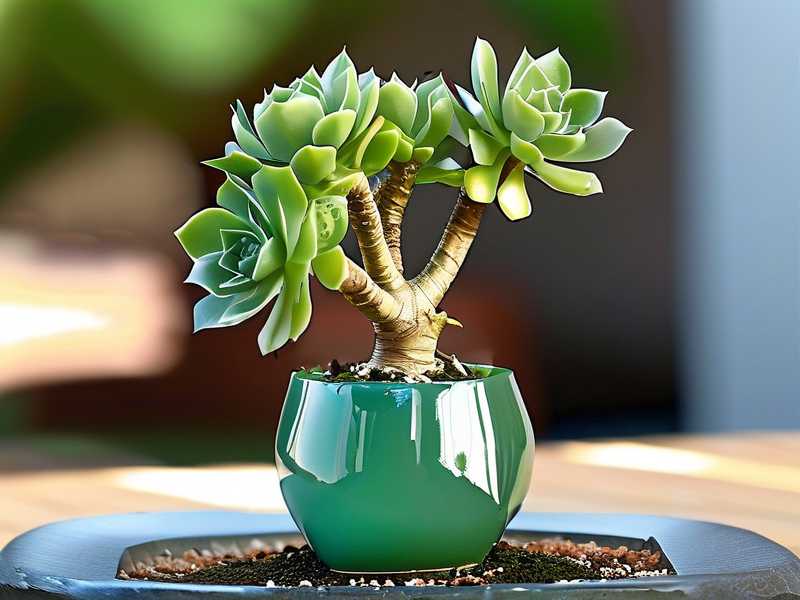
Heads up: in peak summer, even a few feet back can be too much. I move mine further back or pull the curtain during June and July.
Placement 3 (Good Backup): North Window with a Grow Light
North windows give soft, consistent light but usually not enough on their own. I use a small LED grow light on a timer, about 12 inches above the plant, for 6–8 hours.
After two weeks, the jade looked fine. Not spectacular, but healthy and stable. This setup works well for winter or for homes with limited natural light.
Simple note: keep the light close but not touching the leaves. And don't leave it on 24/7. Plants need darkness to rest too.
Placement 4 (For Collectors): A Bright Shelf with Reflected Light
I have a white shelf on the opposite side of a bright room from a large window. Light bounces off the walls and fills that corner nicely. It's indirect by default because the sun never hits it directly.
My two-week observation: slower growth than the window spots, but no stretching. The plant stayed compact and healthy. This is a decent option if your windowsills are already full.
A tip: a light-colored wall or a mirror nearby bounces more light onto the shelf. Cheap upgrade, real results.
How to Tell If Your Jade Is Getting It Right
Your plant will tell you. Here's what to watch.
- Stretching (long gaps between leaves): not enough light. Move it closer to a window.
- Brown or red-tinged edges: too much direct sun. Pull it back.
- Soft, mushy stems: overwatering, often made worse by low light.
- Dropping leaves: sudden light changes or cold drafts. Acclimate slowly.
In my second week of testing the east window setup, I noticed something small but telling: the leaf edges turned slightly red. That's a mild stress response. I moved it back a few inches and within days it settled into a nice even green.
A Quick Word on Watering with Indirect Light
Indirect light means slower growth than full sun. Slower growth means less water needed. So don't water on a schedule. Feel the soil.
I water my jades roughly every 10–14 days in summer and every 3–4 weeks in winter. Sometimes less. The plant doesn't care about your calendar. It cares about whether the soil is dry.
Always use a pot with drainage. Always empty the saucer. These two habits alone will save your plant.
Common Questions I Get Asked
How do I know if my window is too bright for a jade? Put your hand where the plant sits at midday. If you feel noticeable heat within a few seconds, it's too intense. Move the plant back or add a sheer curtain.
Can a jade plant survive in low light? It can survive for a while, but it won't thrive. You'll see stretching, pale leaves, and slow decline. If that's your only option, add a grow light.
Should I rotate my jade plant? Yes, I rotate mine a quarter turn every week or two. It keeps growth even and stops the plant from leaning hard toward the window.
Final Thoughts
Jade plants aren't fussy once you understand them. Give them bright, indirect light. Let the soil dry out between waterings. Use a pot with drainage. That's really the whole game.
I wasted years overcomplicating it. Once I stopped watering on a schedule and started paying attention to light, my jades went from surviving to actually thriving.
Start with the east window setup. Watch your plant for two weeks. Adjust from there. Your jade will show you exactly what it needs, as long as you're paying attention.





