 bluename
 How to Choose jade plant Pots for Outdoor Gardens: 3 Weather-Resistant Styles
If you want the short answer, here it is: for outdoor jade plants, pick a pot that drains fast, breathes well, and can handle freezing nights and blazing afternoons without cracking. Terracotta, glazed ceramic, and frost-proof composite stone are the three styles I trust after killing more jade plants than I'd like to admit. Actually, my first outdoor jade died in a cute little plastic pot that turned into a swamp after one rainy week. That was lesson one.
Jade plants (Crassula ovata) store water in their thick leaves, so they hate sitting in wet soil. Outdoors, that problem gets worse because rain doesn't care about your watering schedule. The RHS puts it plainly: most houseplants, jade included, suffer more from overwatering than underwatering. I've watched that play out in my own backyard more times than I want to count.
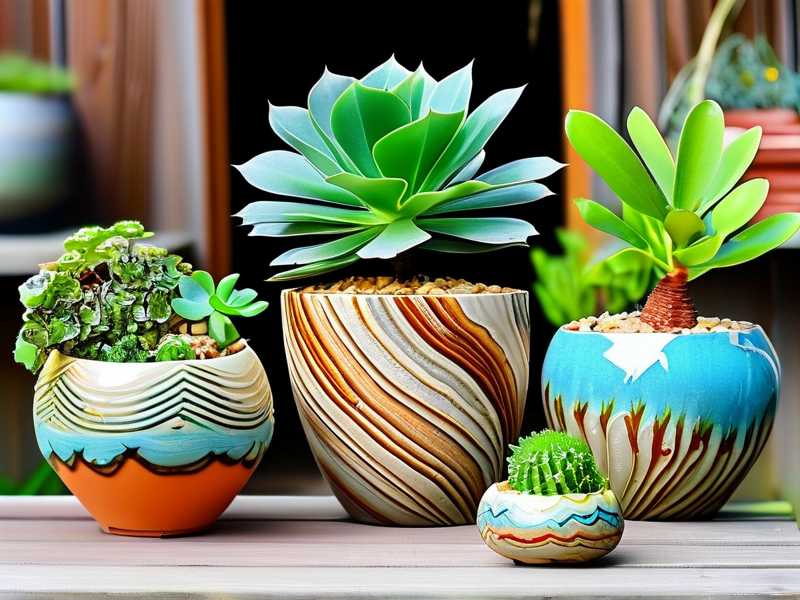
So before you grab any pot off the shelf, let's talk about what actually works outside, where wind, frost, and summer sun all gang up on your plant.
Why Outdoor Jade Plants Need Different Pots Than Indoor Ones
Indoor jade plants live in a controlled bubble. Outdoor ones deal with rain, temperature swings, and drying wind. A pot that's fine on a windowsill can be a death sentence on a patio.
I learned this the hard way. I moved a healthy jade from my kitchen counter to the back deck in a sealed glazed pot with no drainage hole. Two weeks later, the base of the stem was mushy. Root rot. Gone.
The three big mistakes I see new growers make:
① Overwatering — yes, it's still the number one killer outside, especially when rain does the watering for you. Remember this: 90% of indoor plants die from overwatering, and the outdoor number isn't much better when drainage is poor.
② Wrong light — jade loves sun, but a sudden move from shade to full afternoon sun scorches the leaves. I've seen edges turn red and crispy within days.
③ Wrong pot — heavy, sealed, or too-small containers trap moisture or cook the roots. This is the mistake that sneaks up on people.
Get the pot right and the other two problems get much easier to manage.
What to Look For in Any Outdoor Jade Pot
Before styles, let's cover the non-negotiables. Skip these and no pot will save you.
Drainage holes are mandatory. Not optional. Not "I'll drill them later." Actual holes at the bottom.
Fast-draining soil matters too. I mix regular potting soil with perlite and coarse sand, roughly 50/50 soil to grit. Jade roots want air.
Size should be snug, not huge. A pot only slightly wider than the root ball works best. Oversized pots hold extra wet soil that the roots can't reach, which stays damp and invites rot.
Weight helps outside. Light pots tip over in wind. A jade plant is top-heavy, so a heavier container keeps it upright during storms.
Material decides how fast things dry out. Porous materials like terracotta wick moisture away. Sealed materials hold it in. That single difference changes your whole watering routine.
Now the three styles I actually recommend.
Style 1: Unglazed Terracotta — The Breathable Classic
Terracotta is my default for outdoor jade, especially in hot, dry climates like parts of California or Australia.
The clay is porous, so air and moisture move through the walls. That means soil dries faster, which is exactly what jade wants. I've used plain terracotta saucers and pots for years, and my jade plants in them rarely rot.
The catch: terracotta cracks in hard freezes. If you garden in Canada, the UK, or northern US states, an unglazed terracotta pot left outside through winter will likely split. I lost a beautiful wide terracotta bowl that way after a cold snap.
My fix: use terracotta during the growing season and move the plant indoors or into a shed before the first hard frost. Simple as that.
Also, terracotta dries out fast. In a heatwave, you might water every two or three days. That's more work, but it's hard to overwater, which I'll take any day.
Best for: warm, dry, sunny climates and growers who tend to overwater.
Style 2: Glazed Ceramic — The Rain-Resistant Option
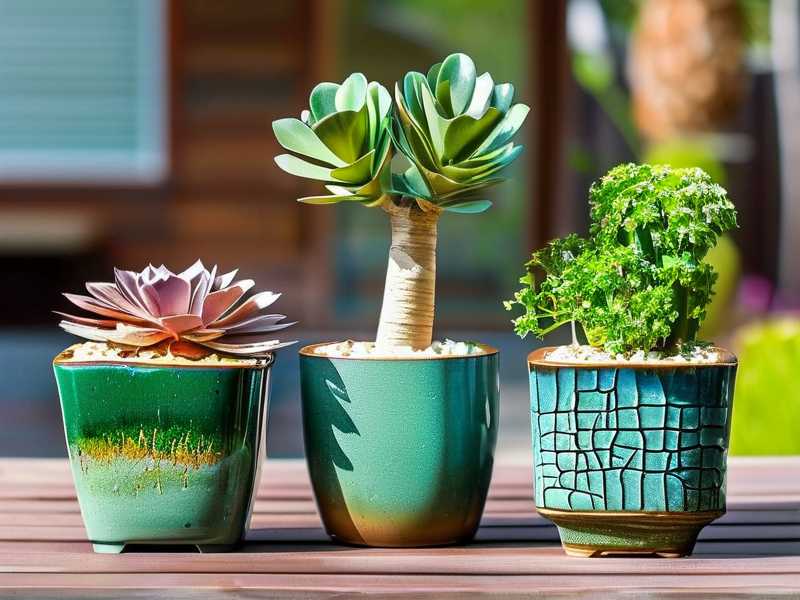
Glazed ceramic looks great and sheds water. The shiny coating means almost no moisture escapes through the walls, so it holds water longer than terracotta.
Here's where people get tripped up. Because it holds moisture, a glazed pot outside during a rainy season can drown your jade fast. I tried a gorgeous blue glazed pot one spring, and after a week of rain, the soil stayed soaked. I had to repot to save the plant.
So if you go glazed, two rules: make sure there's a real drainage hole (many decorative glazed pots have none), and use an even grittier soil mix. A layer of gravel at the bottom doesn't help, by the way. That's a myth. It just raises the water table inside the pot.
The upside? Glazed ceramic handles cold better than plain terracotta and looks polished on a patio. Many glazed pots survive light frosts, though not a deep freeze.
Best for: rainy regions, as long as drainage is excellent, and for growers who want a tidy look.
Style 3: Frost-Proof Composite or Stone-Look Pots — The Cold-Climate Workhorse
If you live somewhere with real winters, this is your best bet. Composite resin and fiberstone pots are designed to handle freeze-thaw cycles without cracking.
I switched to a large composite pot two winters ago, and it's still perfect. Snow sat on it for weeks, temperatures dropped well below freezing, and no cracks. The jade stayed dormant and came back strong in spring.
These pots are usually heavier and pricier, but they last. They also hold moisture moderately, somewhere between terracotta and glazed, so drainage still matters.
One thing to watch: cheap resin pots can get brittle in UV light over time. Buy from a brand that states frost-proof and UV-resistant. The AHS notes that container plants in cold climates need pots rated for winter, since a cracked pot exposes roots to lethal cold.
Best for: Canada, the UK, northern US, and anywhere with freezing winters.
My Two-Week Test and What I Noticed
I ran a simple side-by-side last summer. Same jade cuttings, same soil mix, three pots: terracotta, glazed ceramic, and composite.
After two weeks in full morning sun with one rainstorm in the middle:
The terracotta plant dried out fastest and looked the most compact and healthy. No mush, no stress. The glazed pot stayed noticeably wetter two days after the rain. The soil was still damp when the others were dry. The composite pot landed in the middle and my plant seemed happy.
That test confirmed what I suspected. Material changes everything about moisture. Pick based on your climate, not just looks. Contact with experienced growers taught me that too. Nobody picks the pretty pot twice after losing a plant.
A Few Extra Tips I Wish I Knew Sooner
Always raise the pot slightly off the ground with pot feet or bricks so water drains freely and air moves underneath.
In rainy seasons, consider moving jade under an eave or onto a covered porch.
Repot in spring, not autumn, so roots settle before any cold.
Skip self-watering pots outdoors. They keep soil consistently wet, which is the opposite of what jade needs.
When in doubt, go smaller and grittier. Your jade will thank you.
FAQs
Can jade plants stay outside in winter? Only if your winters stay above freezing, or if you use a frost-proof pot and protect the plant. In most of Canada, the UK, and northern US states, bring jade indoors or into a sheltered spot before the first frost.
Do outdoor jade pots need drainage holes? Yes, always. Without them, rainwater collects and roots rot. No gravel layer fixes a missing drainage hole.
Which pot material is best for rainy climates? Unglazed terracotta, as long as you can protect it from freezing, or a well-draining composite pot. Avoid sealed glazed pots unless drainage is excellent and you can shelter the plant.
Choosing the right pot for an outdoor jade plant really comes down to your climate and how much rain you get. Terracotta for dry heat, glazed ceramic for style with careful drainage, and frost-proof composite for cold winters. Get that part right, keep the soil gritty, and your jade will reward you for years. I wish I'd known all this before my first three attempts. Learn from my mistakes, and skip straight to a pot that works.





