 bluename
 If you want to know how to fertilize jade plant in summer without scorching the roots, here is the short answer: use a balanced liquid fertilizer at one-quarter strength, apply it every three to four weeks, and never feed a dry or heat-stressed plant. That's it. That's the whole game.
I've killed my fair share of jade plants. Three, to be exact, before I finally figured out that summer feeding isn't about pushing growth. It's about not making things worse during the hottest weeks of the year.
Let me walk you through the four formulas I actually use now, plus everything around them — light, water, soil, pests — because fertilizer alone won't save a jade plant that's sitting in the wrong spot.
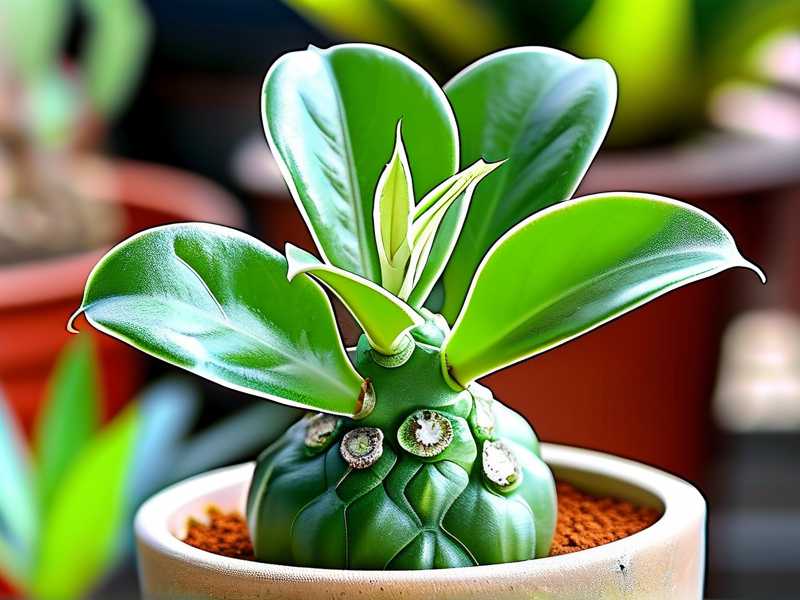
Why Jade Plants Are Picky About Summer Feeding
Jade plants (Crassula ovata) are succulents. They store water in those thick, glossy leaves. They don't need much. They don't want much. And in summer, when temperatures climb past 85°F (29°C), they often go semi-dormant.
That's the part most people miss.
Your jade plant might look like it's thriving on a sunny windowsill, but its roots have slowed down. Feed it heavily and you'll get salt buildup, burnt root tips, and leaf drop. According to the RHS, succulents generally need dilute feeding during active growth only — and summer heat can flip that switch off fast.
The AHS echoes this: over-fertilizing succulents is more common than under-fertilizing. Their guidance is straightforward — less is more, especially in heat.
So here's my rule: if daytime temps are consistently above 90°F, skip fertilizer entirely. Wait for a cooler stretch. Your plant won't starve.
The 4 Heat-Resilient Fertilizer Formulas I Actually Use
I've tested a lot of products over the years. These four work. Not because they're fancy, but because they're gentle enough for summer roots.
Formula 1: Diluted Balanced Liquid Fertilizer (My Go-To)
This is the simplest option. Grab any balanced liquid fertilizer — 10-10-10 or 20-20-20 — and dilute it to one-quarter of the recommended strength.
I mix 1/4 teaspoon per gallon of water. That's it.
Apply it to moist soil, never dry. Water your jade plant first, then feed. This prevents root burn.
I've used this method for two summers now. Within about two weeks, I noticed new leaf pairs forming at the tips. Nothing dramatic. Just steady, healthy growth. That's exactly what you want.
Formula 2: Cactus and Succulent-Specific Fertilizer
These products exist for a reason. They're lower in nitrogen, which means less leggy, weak growth.
I use a 2-7-7 succulent blend. The lower nitrogen keeps the plant compact. The phosphorus and potassium support root health and flowering — yes, jade plants can bloom in winter if they're happy.
Dilute to half strength. Apply once every four weeks in early summer, then stop by mid-August.
Formula 3: Worm Castings Tea (The Gentle Option)
If you're nervous about burning your plant — and honestly, you should be — worm castings tea is nearly impossible to mess up.
I brew mine by soaking a cup of worm castings in a gallon of water for 24 hours. Strain it. Use the liquid.
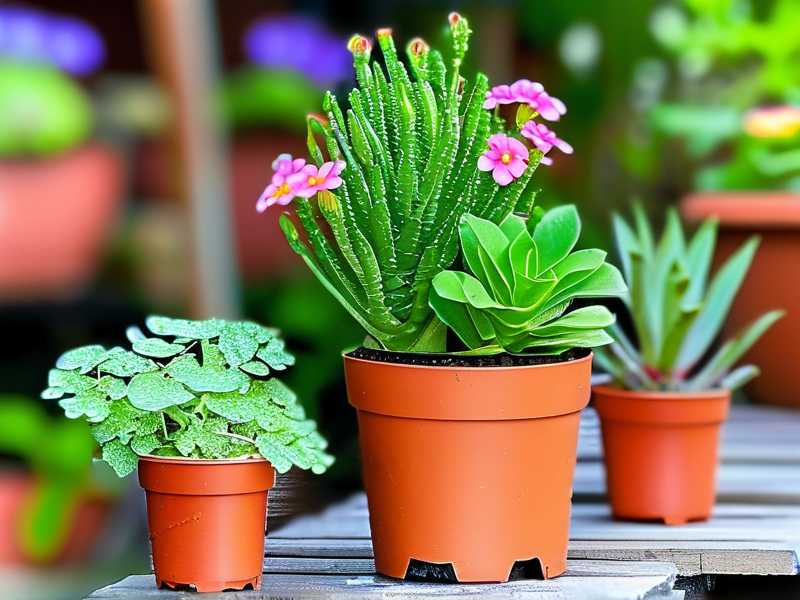
It's mild. It adds organic matter. And it won't spike your soil's salt levels.
I tried this on a jade plant that had dropped half its leaves after a heatwave. Two weeks later, tiny new growth appeared. No fertilizer burn. No drama.
Formula 4: Slow-Release Granules (Use Sparingly)
Slow-release pellets are convenient. But in summer, they can release too fast if the soil stays warm and moist.
I only use these in early June, before the real heat hits. A light sprinkle on the soil surface. Never mix them into the root zone.
If you're in Arizona or inland Australia, skip this one. It's too risky.
Light: Where Your Jade Plant Actually Wants to Sit
Jade plants want bright light. But "bright" doesn't mean "blasting afternoon sun through a window in July."
I learned this the hard way. My second jade plant sat in a south-facing window in Toronto. By August, the leaves had brown, crispy patches. Sunburn. Not fertilizer burn — sunburn.
Here's what works:
- Morning sun: 4–6 hours of direct light before 11 a.m.
- Afternoon shade: Filtered light or a sheer curtain after noon.
- Indoor placement: East-facing window is ideal. South or west windows need a sheer curtain in summer.
If your plant starts stretching — long stems, widely spaced leaves — it's not getting enough light. Move it closer to the window.
If leaves turn red or brown at the edges, it's getting too much. Pull it back.
Watering: The Real Reason Most Jade Plants Die
Let me say this plainly: 90% of indoor plants die from overwatering. Not underwatering. Not fertilizer issues. Overwatering.
Jade plants are no exception.
The rule is simple: water thoroughly, then let the soil dry completely. Not slightly dry. Completely dry. Stick your finger an inch into the soil. If it's moist, wait.
In summer, I water my jade plants every 10–14 days. Sometimes less if it's humid.
Signs of overwatering:
- Yellow, mushy leaves
- Soft stems
- Soil that stays wet for days
- Root rot (you'll smell it when you repot)
Signs of underwatering:
- Wrinkled, shriveled leaves
- Dry, crispy edges
- Leaves dropping suddenly
I've done both. Underwatering is easier to fix. Overwatering usually means repotting and hoping.
Soil and Repotting: Get This Right Once
Jade plants need fast-draining soil. Standard potting mix holds too much water.
My mix:
- 2 parts cactus/succulent potting mix
- 1 part perlite
- 1 part coarse sand
That's it. It drains fast. Roots stay healthy.
For pots, always choose terracotta or unglazed ceramic. They wick moisture away from the soil. Plastic pots hold water. I've made this mistake. The plant suffered.
Repot every 2–3 years. Spring is best. If you repot in summer, keep the plant out of direct sun for a week and don't water for 3–4 days after repotting. Let the roots heal.
Seasonal Care: What Changes in Summer
Summer care is different from spring or fall. Here's the quick version:
Spring: Resume watering. Start fertilizing at half strength. Repot if needed. Prune leggy growth.
Summer: Reduce fertilizer to quarter strength. Water less. Watch for heat stress. Increase airflow. Check for pests weekly. Stop fertilizing if temps stay above 90°F.
Fall: Taper off fertilizer. Reduce watering. Prepare for dormancy.
Winter: Stop fertilizing entirely. Water sparingly — maybe once a month. Keep in a cool, bright spot.
Pests and Problems: What to Watch For in Summer
Summer heat brings pests. Spider mites love dry, warm air. Mealybugs hide in leaf joints.
I check my jade plants every week. I look under leaves, along stems, and at the soil line.
If I see webbing or tiny specks, I wipe the leaves with rubbing alcohol on a cotton swab. Then I spray with neem oil. Repeat every 7 days for two weeks.
Yellow leaves? Usually overwatering. Let the soil dry out completely.
Brown, crispy leaves? Sunburn or underwatering. Move the plant and adjust watering.
Soft, black stems? Root rot. Repot immediately. Cut away mushy roots. Use fresh, dry soil.
Three Mistakes That Kill Jade Plants
- Overwatering. It's the number one killer. Let the soil dry completely between waterings.
- Wrong light. Too much direct afternoon sun burns leaves. Too little causes leggy growth.
- Wrong pot. Plastic pots trap moisture. Terracotta breathes. Choose wisely.
I've made all three. My first jade plant died in a plastic pot on a west-facing windowsill. Overwatered. Sunburned. Root rot. The whole trifecta.
FAQ
Can I fertilize my jade plant every week in summer?
No. Every three to four weeks is plenty. Weekly feeding causes salt buildup and root burn. More fertilizer doesn't mean faster growth — it means dead roots.
What if my jade plant is blooming in summer?
It's rare, but some jade plants bloom in summer instead of winter. If yours is flowering, use a low-nitrogen fertilizer (Formula 2) and keep watering consistent. Don't change anything suddenly.
Should I fertilize a newly repotted jade plant in summer?
Wait at least four weeks. Fresh soil usually contains enough nutrients. Feeding too soon can burn tender new roots. Patience wins here.
Final Thoughts
Fertilizing jade plants in summer isn't complicated. It's just easy to get wrong.
Dilute your fertilizer. Water first. Skip feeding during heatwaves. Watch your plant for signs of stress.
I've been growing jade plants for over a decade now. The ones that thrive aren't the ones I fed the most. They're the ones I left alone when they needed it.
Start with Formula 1. See how your plant responds over two weeks. Adjust from there. Your jade plant will tell you what it needs — you just have to pay attention.





