 bluename
 How to Choose jade plant Soil for Bonsai Pots: 6 Compact Root Mixes
Let me guess why you are here. Your jade plant looks a little sad in that shallow bonsai pot. Maybe the leaves are softening. Maybe the soil stays wet for way too long.
I have killed more jade plants than I want to admit. The first one rotted in three weeks because I used regular potting soil in a cute little bonsai dish. That mistake taught me more than any guide ever could.
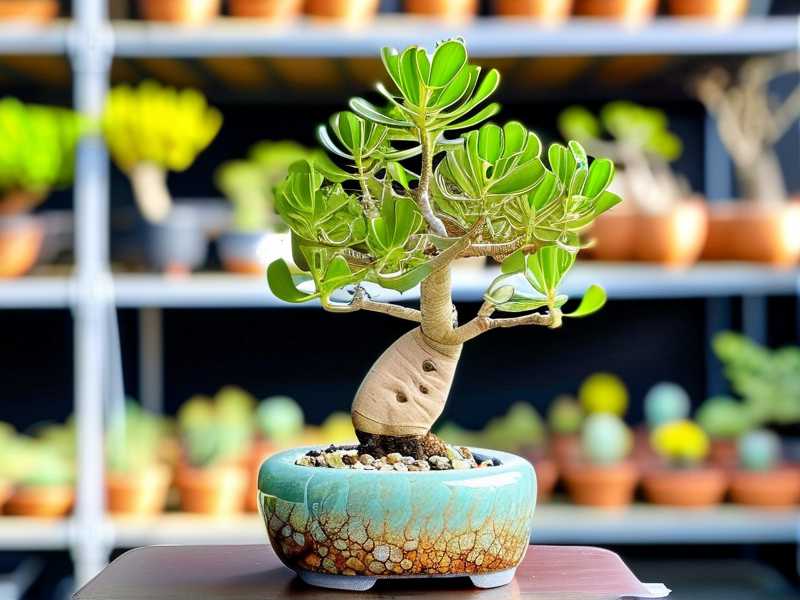
Here is the short answer before we dive in. The best soil for a jade plant in a bonsai pot is a gritty, fast-draining mix. Aim for roughly 60 to 70 percent inorganic material and 30 to 40 percent organic matter. In a shallow pot, drainage matters even more than in a standard planter.
Why Jade Plants and Bonsai Pots Are a Tricky Pair
Jade plants, or Crassula ovata, store water in their thick leaves and stems. That is their superpower. It is also their weakness when the roots sit in soggy soil.
Bonsai pots are shallow by design. They look beautiful and they keep the plant compact. But shallow pots dry out faster on top and stay wet longer at the bottom. That combo is rough on jade roots.
The Royal Horticultural Society recommends free-draining compost for succulents like jade. I trust that advice completely because it matches what I see in my own pots. You can read more at the RHS website if you want the full breakdown.
The American Horticultural Society also stresses that succulents hate wet feet. That phrase sounds dramatic until you watch a jade plant turn to mush. Check their resources at AHS for more succulent care basics.
So the goal is simple. Give the roots air, let water pass through fast, and never let the mix turn into a wet brick.
What Makes a Good Jade Plant Soil Mix for Bonsai Pots
I look for four things in any mix I use for jade plants in shallow pots.
First, drainage. Water should run out of the holes within seconds of watering. If it pools on top, your mix is too heavy.
Second, aeration. Roots need oxygen. Gritty components create tiny air pockets that keep roots happy.
Third, slight moisture retention. Pure gravel dries too fast in a shallow pot. You want a little organic matter to hold some moisture.
Fourth, weight. Bonsai pots are shallow and top-heavy plants can tip. A mix with some weight, like pumice or granite grit, helps keep things stable.
I also avoid anything that compacts. Peat-heavy mixes turn into a dense sponge over time. That is a death sentence for jade roots.
My 6 Compact Root Mixes for Jade Plants in Bonsai Pots
I have tested all of these over the past few years. Some worked great. One was a disaster. I will tell you which one flopped.
Mix 1: The Classic Gritty Blend
Equal parts pumice, coarse perlite, and sifted potting soil. I use this for most of my jade bonsai. It drains fast but holds just enough moisture.
I watched a jade plant in this mix for two weeks. The leaves stayed firm and the soil dried out in about five days. That is close to perfect for a shallow pot indoors.
Mix 2: The Pumice-Heavy Mix
60 percent pumice, 20 percent coco coir, 20 percent worm castings. This one is great if you tend to overwater. It is almost impossible to keep too wet.
I used this on a jade that had root rot. After trimming the roots, I repotted it in this mix. Two weeks later, new roots were already forming.
Mix 3: The Akadama and Pumice Combo
50 percent akadama, 25 percent pumice, 25 percent lava rock. This is a more traditional bonsai mix. It looks clean and holds shape well.
Akadama breaks down over time, so you need to repot every one to two years. I learned that the hard way when my mix turned to mud after 18 months.
Mix 4: The Budget-Friendly Blend
40 percent perlite, 40 percent cactus soil, 20 percent chicken grit. This is what I recommend for beginners. It is cheap and easy to find.
Chicken grit sounds weird but it works. It is just crushed granite. Make sure you get the insoluble kind, not the kind that dissolves.
Mix 5: The Lava Rock and Coco Coir Mix
50 percent lava rock, 30 percent coco coir, 20 percent compost. Lava rock is porous so it holds a little water inside while draining fast outside.
I tried this mix on a jade plant that lived outdoors in summer. It handled heavy rain without rotting. That sold me on it.
Mix 6: The Mix That Failed Me
I once used 70 percent peat moss and 30 percent perlite. It looked fine at first. Within two weeks, the soil surface grew mold and the jade dropped leaves.
Peat moss compacts and stays wet. In a shallow bonsai pot, it is a nightmare. I repotted that plant into Mix 1 and it recovered, but it took a month.
So skip the peat-heavy recipes. They are not worth the risk.
How to Pot Your Jade Plant in a Bonsai Pot
Start with a pot that has drainage holes. No holes, no jade. I mean it.
Cover the holes with mesh screens. This keeps soil in and lets water out.
Add a thin layer of grit at the bottom. This is not for drainage, despite what many people say. It just keeps fine soil from washing out.
Position the plant so the base of the trunk sits just below the rim. You want room for a little soil mound around the trunk.
Fill around the roots with your chosen mix. Tamp it down gently with your fingers. Do not press hard.
Wait five to seven days before watering. This lets any broken roots heal. I know it feels wrong to wait, but it matters.
Watering Jade Plants in Bonsai Pots
Here is the rule I live by. Water deeply, then let the soil dry almost completely.
In a shallow bonsai pot, that might mean watering every five to seven days in summer. In winter, it might be every three to four weeks.
Stick your finger into the soil. If it feels moist at the top inch, wait. If it is dry, water until it runs out the bottom.
Never let the pot sit in a saucer of water. That is how root rot starts. I lost a beautiful variegated jade that way.
The 3 Mistakes That Kill Most Jade Plants
Mistake one: overwatering. I cannot say this enough. 90% of indoor plants die from overwatering. Jade plants are at the top of that list.
Mistake two: wrong light. Jade plants need bright light. A sunny south-facing window is ideal. Low light makes them leggy and weak.
Mistake three: wrong pot. A pot without drainage holes is a coffin for jade roots. Also, a pot that is too large holds too much wet soil.
I made all three mistakes with my first jade. It died in a month. Now I know better.
Light and Fertilizer Basics
Give your jade at least four to six hours of direct sun. If your window does not provide that, use a grow light. I run mine for 12 hours a day in winter.
Feed with a balanced succulent fertilizer diluted to half strength. Do this once a month in spring and summer. Stop feeding in fall and winter.
I tried full-strength fertilizer once. The tips of the leaves burned. Lesson learned.
Seasonal Care for Jade Bonsai
Spring is for growth. Repot if needed, prune lightly, and start fertilizing.
Summer means more water but also more airflow. Watch for pests like mealybugs. I check the leaf joints every week.
Fall is about slowing down. Reduce water and stop fertilizing by mid-fall.
Winter is rest time. Keep the plant cool but above 50°F. Water sparingly. I barely water mine from November to February.
Frequently Asked Questions
Can I use regular potting soil for a jade bonsai? No. It holds too much water. You need a gritty mix with at least 50 percent inorganic material.
How often should I repot a jade plant in a bonsai pot? Every one to two years. The soil breaks down and roots need fresh space.
Why are my jade leaves turning yellow and mushy? That is almost always overwatering. Let the soil dry out completely and check for root rot.
Final Thoughts
Choosing the right soil for your jade plant in a bonsai pot is not complicated. It just takes a little knowledge and the willingness to learn from mistakes. I killed three jade plants before I figured it out. You do not have to.
Go gritty. Go fast-draining. And when in doubt, water less. Your jade will thank you with thick, shiny leaves for years to come.





