 bluename
 How to Eliminate jade plant Scale Bugs: 3 Natural Remedies That Actually Work
There’s a special kind of frustration that comes from seeing your beloved, glossy-leaved jade plant dotted with strange, sticky bumps. You notice a loss of that vibrant green shine, maybe some yellowing leaves, and a tacky residue on the surface. If you’re nodding along, you’ve likely met the jade plant scale bug. As a long-time indoor gardener, I’ve faced this exact invasion. The temptation to reach for harsh chemicals is strong, but I’ve learned that the gentler, natural path is not only safer for my home and plants but often more effective in the long run. In this guide, I’ll share the three natural remedies for scale on succulents that I personally used to rescue my jade plant, complete with my two-week battle log, the mistakes I made, and how you can avoid them.
Understanding your enemy is the first step. Scale insects are sneaky. They attach themselves to stems and the undersides of leaves, forming a hard or soft protective shell (the “scale”) and sucking the sap directly from your plant. This weakens the jade, stunts its growth, and that sticky “honeydew” they excrete can lead to sooty mold. The good news? They can be defeated without synthetic pesticides.
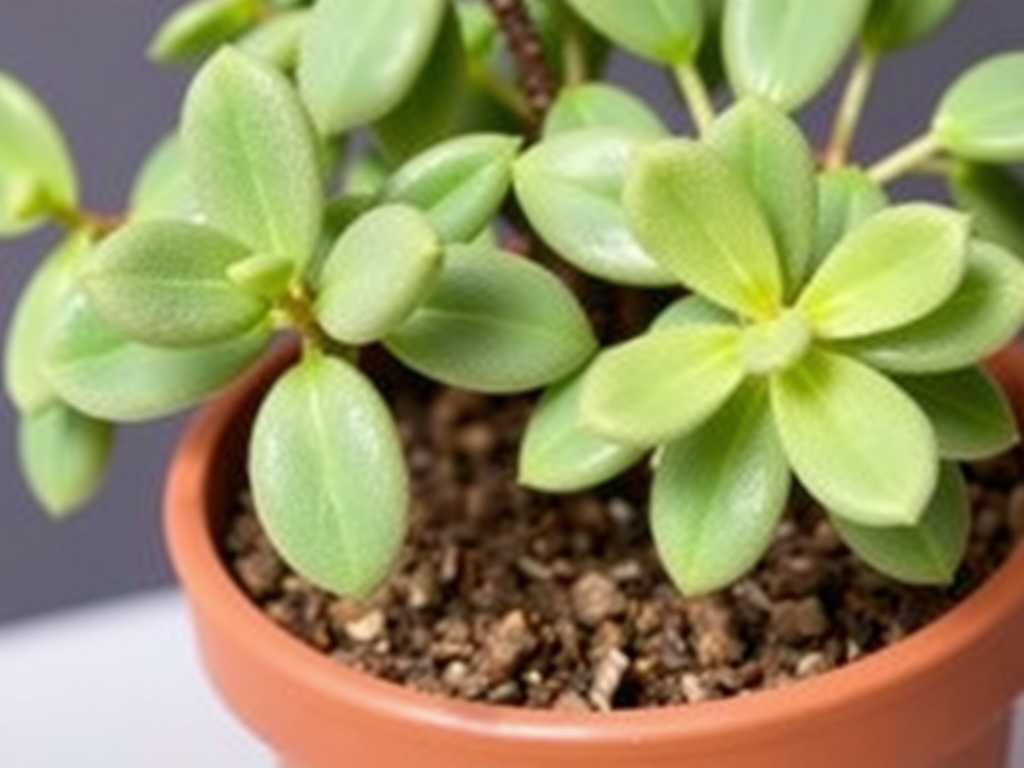
My Battle Plan: A Two-Week Natural Treatment Regimen
I committed to a 14-day program, treating my plant every 4-5 days. Consistency is crucial, as it disrupts the life cycle of the scale. Here are the three methods I employed, starting with the simplest.
Remedy 1: The Manual Removal and Rubbing Alcohol Method
This is your first line of defense and is surprisingly satisfying. Manual scale removal is non-negotiable for a heavy infestation.
- My Tools: A pair of tweezers, cotton swabs, isopropyl alcohol (70%), a soft toothbrush, and a bowl of soapy water.
- My Step-by-Step Process:
- I isolated my jade plant immediately to prevent the scale from spreading to my other houseplants.
- Under a bright light, I used the tweezers to gently pry off every visible scale insect I could find. I dropped them directly into the soapy water where they drown.
- For smaller clusters or stubborn spots, I dipped a cotton swab in rubbing alcohol and dabbed it directly onto each insect. The alcohol penetrates their waxy coating, dehydrating and killing them on contact.
- For broad, gentle cleaning on sturdy stems, I lightly dampened the soft toothbrush with the alcohol solution and brushed carefully.
- The Mistake I Made: I didn’t check the leaf axils (where the leaf meets the stem) thoroughly enough. Scale loves to hide there. A few survivors led to a minor resurgence around day 10.
- The Fix: On my next treatment, I used a magnifying glass and was painstakingly meticulous, paying special attention to every nook and cranny.
- Observation (Days 1-14): Immediate visual improvement. The sticky residue lessened within days. By the second treatment (day 5), most adults were gone. This method is essential for immediate population control but must be combined with another remedy for eggs and crawlers.
Remedy 2: The Potent Neem Oil Solution
For the broader treatment, I turned to neem oil for jade plant pests. According to the American Horticultural Society (AHS), neem oil works as both an antifeedant and a growth disruptor, making it an ideal organic choice. It doesn’t just kill on contact; it affects the insect’s hormonal system.
- My Recipe: I mixed 1.5 teaspoons of cold-pressed neem oil with 1 teaspoon of mild liquid castile soap in 1 liter of lukewarm water. I shook it vigorously in a spray bottle to emulsify.
- My Application:
- I tested the spray on one leaf and waited 48 hours to check for phytotoxicity (luckily, my jade was fine).
- In the evening (to prevent potential leaf burn from sunlight), I thoroughly sprayed the entire plant, ensuring I drenched the tops and bottoms of leaves, stems, and the soil surface. The goal is to coat every surface.
- I placed the plant in a shaded, well-ventilated area to dry.
- The Mistake I Made: I sprayed during a warm, sunny afternoon before moving the plant. This caused minor, temporary spotting on a few leaves where the oil magnified the sun’s rays.
- The Fix: I strictly applied treatments in the late evening from then on, and the spotting did not spread or cause long-term damage.
- Observation (Days 1-14): After the first application, I noticed a slowdown in honeydew production. After the second application (day 5), the tiny, pale yellow crawlers (juvenile scale) I spotted under magnification appeared immobilized. By the third application (day 10), the plant looked clean and felt noticeably less sticky. The new growth emerging at week two was completely scale-free.
Remedy 3: The Horticultural Oil Smothering Technique
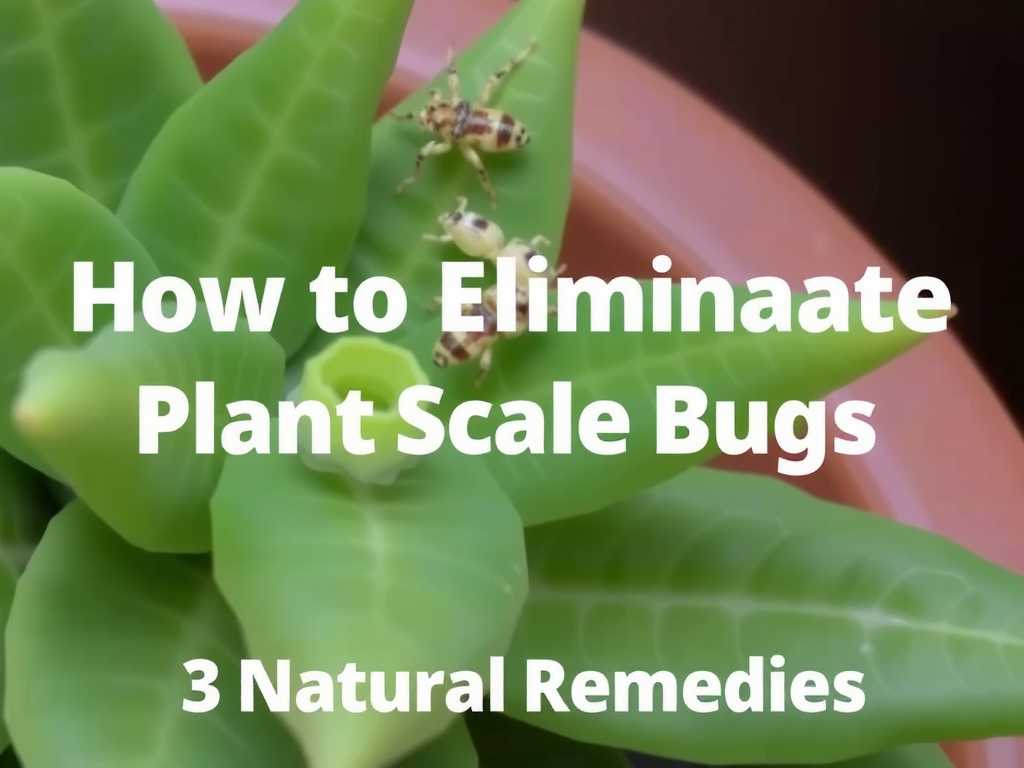
For my final treatment rotation, I used a ready-to-use, plant-based horticultural oil. These oils work by physically smothering the scale insects, blocking their breathing pores. The RHS (Royal Horticultural Society) notes that these oils are effective against a range of sap-sucking pests while having low toxicity to beneficial insects and mammals.
- My Process:
- I ensured my plant was well-watered a day before application to reduce stress.
- Following the label instructions meticulously, I sprayed the oil evenly over the entire plant, creating a fine, complete coat. Coverage is everything.
- I avoided spraying when temperatures were forecast to exceed 80°F (27°C).
- Observation (Days 7-14): I used this in rotation with neem oil on my second and third treatment days. It provided an excellent physical barrier. When I inspected with my magnifying glass after it dried, it seemed to seal over any remaining tiny insects. Combined with my manual removal, this one-two punch was highly effective. The plant’s overall vigor began to improve in the second week.
The Two-Week Verdict: Did These Natural Cures Work?
By day 14, my jade plant was transformed. The sticky honeydew was completely gone. No new scale insects were visible to the naked eye or under magnification. The leaves regained their firmness and began to get their glossy sheen back. The yellowing on a few older leaves halted. Most importantly, the tiny new buds at the stem tips were growing clean and healthy. The combination of physical removal, neem oil’s systemic action, and horticultural oil’s smothering effect proved to be a winning, non-toxic strategy. Patience and relentless consistency were the real keys.
Addressing Your Top Concerns
Can a jade plant recover from a severe scale infestation? Absolutely. Jade plants are remarkably resilient succulents. Even if the infestation was bad and you’ve lost some leaves, once the scale is eradicated and the plant’s energy is no longer being siphoned off, it will focus on new growth. Provide it with appropriate light, careful watering, and a light feeding during its growing season to support its recovery.
How often should I inspect my plants to prevent future outbreaks? Make it a habit during your regular watering routine. Once every week or two, quickly scan the stems and underside of a few leaves. Catching scale early, when it’s just a few individuals, makes management infinitely easier. Quarantine any new plants for a few weeks before placing them near your collection.
Are these remedies safe for all my succulents? While generally safe, always test any spray (neem oil, horticultural oil, soap solution) on a small, inconspicuous part of the plant first and wait 2-3 days. Some succulents with farina (a powdery coating like on echeverias) can have their bloom damaged by sprays. For these, you might rely more heavily on targeted manual removal with alcohol swabs.
Seeing your jade plant return to health is incredibly rewarding. These natural methods require a bit more elbow grease than a chemical spray, but they protect your home environment, your other plants, and the long-term health of your jade. Stay observant, be persistent, and your plant will thank you with years of lush, pest-free growth.





