 bluename
 How to Stop jade plant Leaf Drop from Overfertilization: 5 Fixes
I’ve been there. You stare at your beloved jade plant, its plump, vibrant leaves now littering the soil below. You panic, wondering if it’s a pest, a disease, or underwatering. But if you’ve been diligent with feeding, hoping to boost its growth, the culprit might be your kindness. Jade plant leaf drop from overfertilization is a heartbreakingly common issue for enthusiasts. It’s not neglect; it’s often an excess of love in the form of plant food. In my years of nurturing succulents, I’ve learned that these resilient plants thrive on neglect more than nurture when it comes to nutrients. This guide is born from my own mistakes and the successful, sometimes tedious, recovery process I personally implemented over a critical two-week period.
Understanding why this happens is key. Jade plants are adapted to survive in poor, rocky soils. Their roots are efficient but sensitive to strong mineral salts found in fertilizers. An overdose creates a toxic environment in the soil, disrupting water uptake and essentially “burning” the roots. The plant’s distress signal? It sacrifices leaves to conserve energy and survive. The fixes aren’t about adding more things; they’re about strategic intervention and patience.
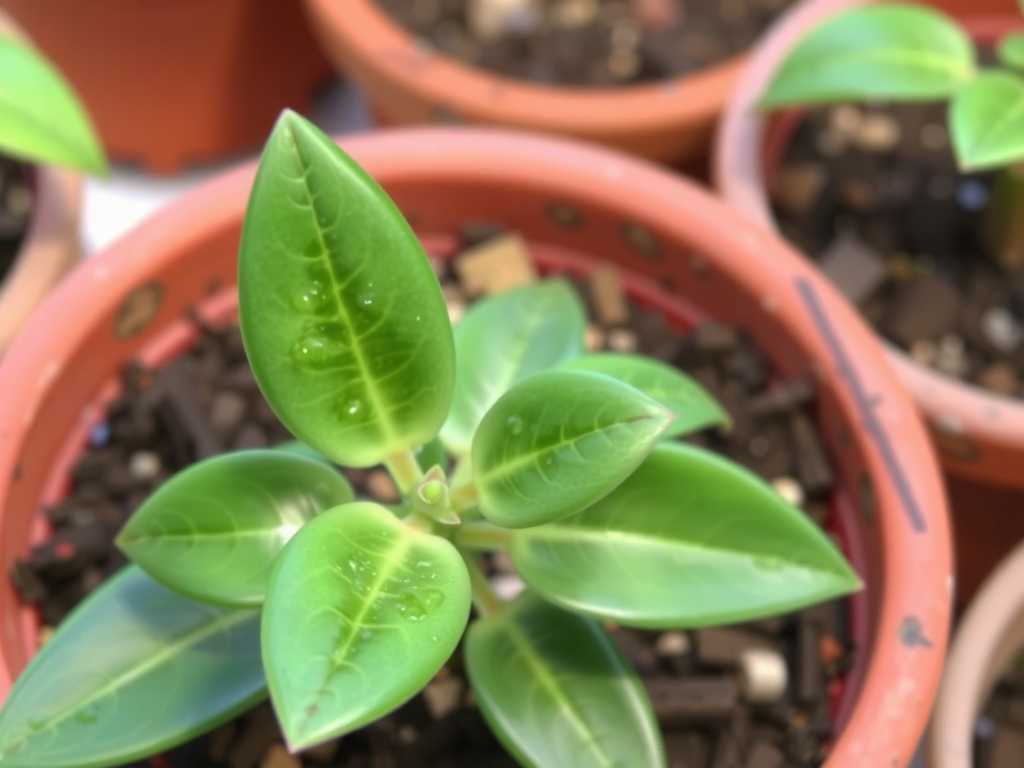
Immediate Action: The First 48-Hour Rescue Protocol
When you suspect overfertilization in jade plants, time is of the essence. Don’t wait for more leaves to fall.
The Great Flush: Leaching the Soil My first and most critical step was soil leaching. This isn’t a gentle watering. I took my suffering jade to the sink. Using lukewarm, filtered water (to avoid chlorine shock), I slowly poured a large volume—about four to five times the volume of the pot—through the soil. The goal is to dissolve and flush out the excess soluble salts. I let the water run freely out of the drainage holes for several minutes. I repeated this process twice, with a 30-minute break in between to allow for thorough drainage. According to the Royal Horticultural Society (RHS), leaching is the most effective first aid for fertilizer burn, as it physically removes the salts from the root zone.
Root Inspection and Assessment After flushing, I let the plant drain completely for a few hours. Then, I gently tipped it out of its pot to inspect the damage. This step felt scary, but it was necessary. I was looking for root rot—brown, mushy, or black roots that smell foul. Healthy jade roots are firm and white or light tan. Using sterilized scissors, I carefully trimmed away any clearly dead or rotten roots. A light dusting of cinnamon powder (a natural antifungal) on the cuts helped prevent infection. This hands-on inspection confirmed the problem was chemical, not just cultural, solidifying my diagnosis of fertilizer toxicity.
The Recovery Phase: Creating a Healing Environment
With the emergency handled, the real test began: fostering an environment where the plant could recover on its own terms. This phase required restraint.
The Potting Mix Overhaul I realized the old soil was likely saturated with salt residues, even after flushing. Repotting was my next move. I chose a clean pot with excellent drainage—only slightly larger than the root ball to prevent moisture retention. The new mix was crucial: a gritty, well-draining succulent and cactus blend. To make it even more forgiving, I amended a store-bought mix with extra perlite and coarse sand (about a 2:1:1 ratio of potting soil, perlite, and sand). This creates an airy, fast-draining environment that prevents future salt buildup and gives the stressed roots room to breathe. The American Horticultural Society (AHS) emphasizes the importance of a porous medium for container plants prone to overwatering and overfeeding, as it mimics their natural, arid habitat.
The Strategic Watering Pause Here’s where I made my first big mistake during recovery: I watered too soon. After repotting, the instinct is to water the plant in. I did, and within days, a few more leaves yellowed and dropped. The plant was in shock; its roots were damaged and couldn’t absorb water efficiently. Wet soil around compromised roots is an invitation for rot. I corrected course immediately. For my jade, I waited a full seven days after repotting before giving it a modest drink. I then adopted the “soak and dry” method thoroughly: watering only when the soil was completely dry several inches down, and then watering deeply until it drained. This cycle encourages root health without promoting stagnation.
Long-Term Care Reformation: Preventing a Relapse
Stopping the leaf drop is one thing; ensuring it never happens again is another. This meant completely rethinking my feeding regimen and care routine.
The Radical Fertilizer Fast I committed to a complete fertilizer holiday. For the entire two-week observation period and beyond, I used absolutely no plant food. A jade plant’s growth is slow, and its nutrient needs are minimal. The fresh potting mix contained enough nutrients to sustain it for months. I learned that during active growth (spring and summer), feeding a jade plant should be done at most once a month, and with a fertilizer diluted to half or even a quarter of the recommended strength. I now exclusively use a balanced, water-soluble fertilizer (like a 10-10-10) heavily diluted, and only after the plant has been recently watered to avoid root burn.
Optimizing Light and Environment Recovery isn’t just about the roots; it’s about overall plant vigor. I ensured my jade received plenty of bright, indirect light. Direct, harsh afternoon sun can add stress, so I provided morning sun or filtered light. I also made sure it was in a spot with good air circulation and stable, warm temperatures, away from drafts. A happy plant is more resilient and can better recover from setbacks like overfertilization. I monitored it not for new growth initially, but for a cessation of leaf loss—a sign it had stabilized.
My Two-Week Observation Diary: The Ups and Downs
This wasn’t a linear success story. Here’s my honest log:
- Days 1-3: After flushing and repotting, leaf drop continued at a slow rate (1-2 leaves per day). This was expected as the plant shed the most damaged parts. I resisted the urge to interfere.
- Days 4-7: The mistaken early watering caused a slight spike in yellowing. After I stopped and let the soil dry, the dropping slowed noticeably.
- Days 8-10: A turning point. Leaf drop virtually stopped. The remaining leaves felt firm, not soft or wrinkled.
- Days 11-14: Stability. No new leaves fell. The plant’s stem remained firm and green. While there was no new growth (and I didn’t expect any), the plant looked steady and was clearly holding onto its foliage. The fixes had worked.
Common Questions from Fellow Plant Lovers
Can a jade plant recover from severe fertilizer burn? Yes, absolutely, if there is still healthy stem tissue. The process is slow and requires patience. Focus on the fixes above: remove the source of toxicity (flush/repot), provide ideal conditions, and wait. Recovery can take months, but jades are remarkably tenacious.
How do I know if it’s overfertilization and not overwatering? The symptoms are frustratingly similar: leaf drop and yellowing. Overwatering often leads to uniformly soft, mushy, translucent leaves and a soggy stem base. Overfertilization damage typically shows as leaves that may yellow, brown at the tips or margins, and then drop, while the stem remains firm. A crust of white salt residue on the soil surface or pot rim is a dead giveaway for fertilizer excess.
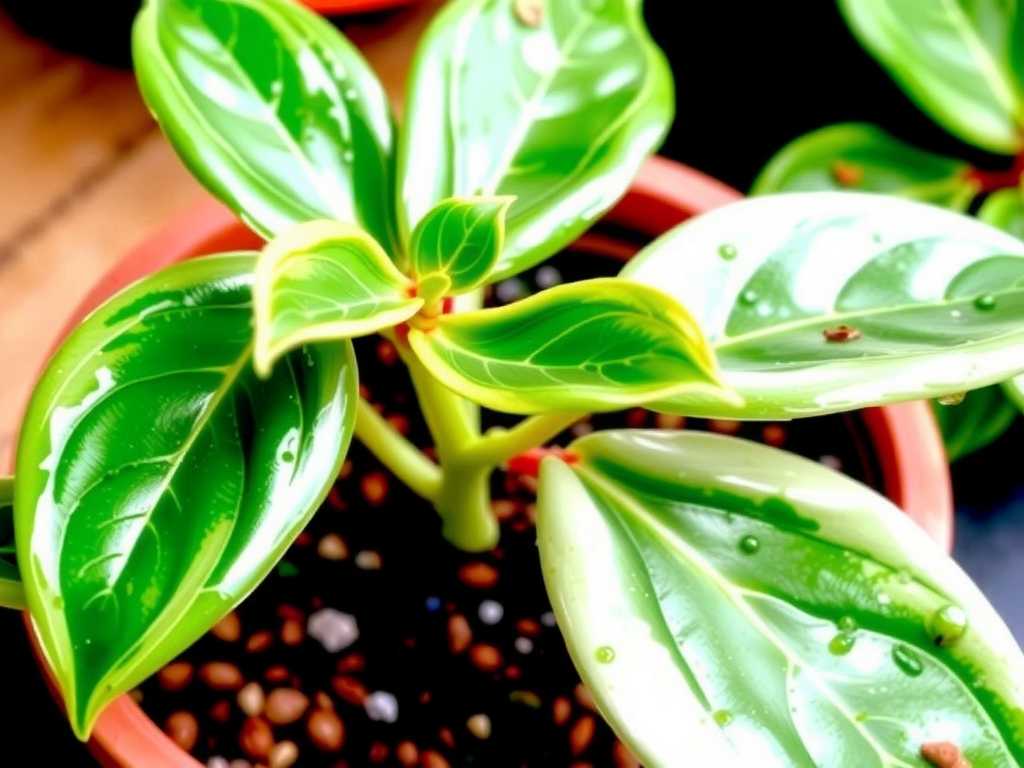
What is the absolute best fertilizer practice for jade plants going forward? Less is unequivocally more. Adopt a “weakly, weekly” mindset during the growing season, but for jades, make that “weakly, monthly.” Use a balanced, diluted liquid fertilizer only on damp soil, and only from spring to early fall. In winter, cease feeding entirely. Remember, a slightly underfed jade is always healthier than an overfed one.
Seeing your jade plant shed leaves is alarming, but understanding the cause is the first step to saving it. The journey from overfertilization to recovery is a lesson in restraint. It teaches us to work with the plant’s natural, slow-paced rhythm rather than forcing growth. By acting swiftly to flush the soil, repot into a gritty mix, initiating a fertilizer fast, and optimizing care, you give your plant the best chance to stabilize and thrive. My two-week vigil was a testament to the power of simple, correct actions over constant intervention. Your jade doesn’t need more food; it needs a stable, stress-free home to reclaim its lush, leafy glory.





