 bluename
 How to Fix jade plant Leaf Yellowing from Light Stress: 5 Proven Fixes
I’ve been there. You walk over to your beloved jade plant, a symbol of resilience and prosperity, only to find its normally plump, emerald-green leaves turning a sickly yellow. That pang of worry is immediate. Is it overwatering? Underwatering? A pest? But if your plant sits near a bright window, the culprit might be simpler and more surprising: light stress. Yes, even sun-loving succulents like jade plants (Crassula ovata) can get too much of a good thing. Through my own trial and error, I’ve learned that diagnosing and fixing jade plant leaf yellowing from light stress is a precise process. In this guide, I’ll share the five fixes that worked for me, based on a two-week rescue mission that brought my plant back from the brink.
Understanding Light Stress: It’s Not Just About Sunburn
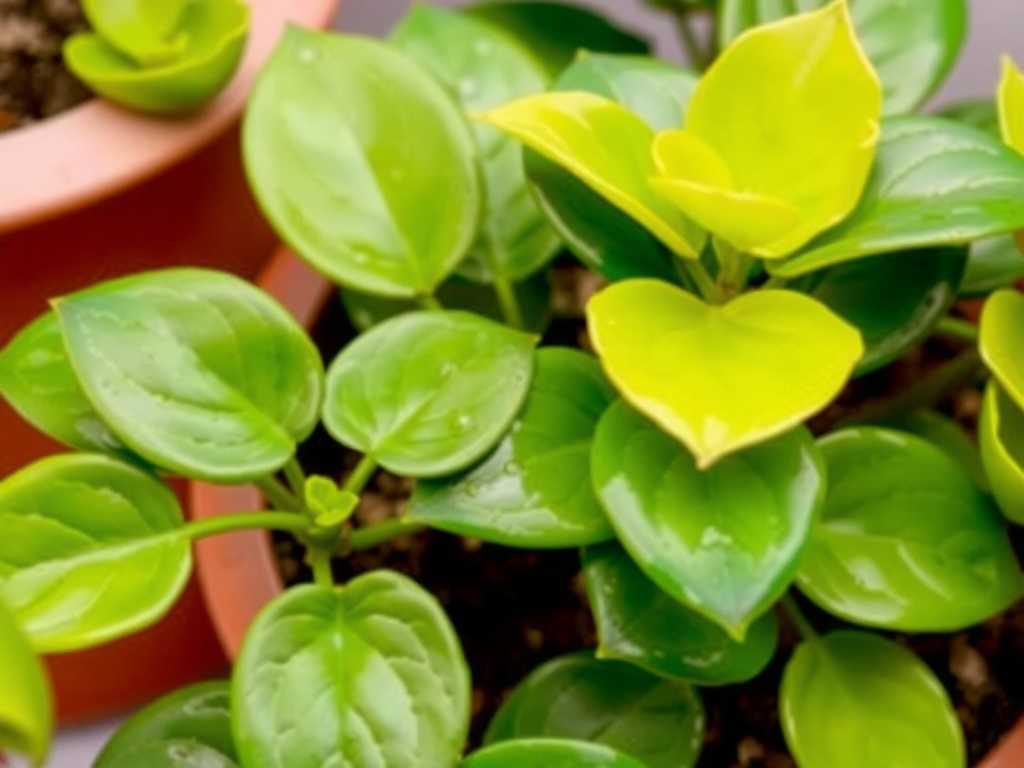
Most plant guides warn about etiolation—the stretching and weakening that happens with too little light. However, the yellowing of jade plant leaves is a classic, often-misread sign of too much intense light. This isn't always the dramatic brown, crispy sunburn we imagine. The Royal Horticultural Society (RHS) notes that sudden exposure to high-intensity light can cause chlorophyll breakdown, leading to photobleaching or yellowing before scorching occurs. My plant showed this perfectly. It was in a south-facing window, thriving for months, until the intense summer sun arrived. The leaves, especially those facing the glass, started losing their vibrant green, turning a pale, yellowish hue. They felt thinner, less turgid. This was my first clue: light stress on jade plants often manifests as a general paling or yellowing, particularly on the most exposed foliage.
My 5-Step Fix for Light-Induced Yellowing
I committed to a two-week corrective regimen, observing changes every two days. Patience was key, as plants don’t recover overnight.
1. The Gradual Relocation: A Game of Inches The immediate fix is to reduce light intensity, but abruptly moving a plant from bright light to deep shade shocks it further. I moved my jade plant about three feet back from the south-facing window, still in the same bright room but out of the direct midday beam. Alternatively, I could have used a sheer curtain to diffuse the light. The American Horticultural Society’s (AHA) Plant Heat-Zone Map concept reminds us that indoor light intensity can mimic outdoor heat zones; a south window in summer is a high-intensity zone. Over the first week, I observed no new yellowing. The existing yellow leaves didn’t revert to green (they rarely do), but they stopped spreading. The mistake I avoided: I didn’t repot or fertilize. Adding more stress or nutrients during recovery is counterproductive.
2. The Hydration Rebalance: Rethinking Water Here’s the tricky part. A stressed jade plant under bright light and heat may use water faster, but its compromised roots and leaves can’t handle soggy soil. I performed my classic finger test—checking the soil 2 inches deep—and only watered when it was completely dry. However, I used the “soak and dry” method more carefully, ensuring excess water drained freely to prevent root rot, which can mimic yellowing from above. My observation after 10 days: the newer, greener leaves felt firmer after a careful watering. The yellow leaves remained soft. This confirmed the damage was localized and the plant was hydrating its healthy tissue properly.
3. The Strategic Pruning: Energy Redirect By day 10, it was clear which leaves were too far gone—persistently yellow and slightly limp. Using sterilized, sharp pruning snips, I carefully removed only the most severely affected leaves. This isn’t about aesthetics; it’s about helping the plant redirect its energy to producing new, healthy growth and repairing stressed-but-salvageable leaves. I made clean cuts close to the main stem. Important note: Don’t remove more than 20-25% of the foliage at once. I only took about 10 leaves off my medium-sized plant. Within 4-5 days of pruning, I noticed tiny new buds forming at the leaf nodes below the cuts. The plant’s energy was now focused on regeneration.
4. Environmental Harmony: Temperature and Airflow Light stress is often compounded by heat. A sun-baked windowsill can become an oven. I placed a small digital thermometer near the plant and saw temperatures spiking above 85°F (29°C) in the afternoon. High heat accelerates moisture loss and stress. Improving gentle airflow with a oscillating fan on low, set at a distance, helped cool the plant and strengthen its stems. I also made sure it wasn’t near a heating or cooling vent, as sudden temperature swings add stress. Creating a stable, moderate environment is crucial for recovery from jade plant sun damage.
5. The Long-Term Light Acclimation Plan After two weeks, my plant was stable: no new yellowing, firm green leaves, and promising new growth. The final fix is permanent, intelligent placement. Jade plants need bright light, but often “bright indirect light” is better than harsh direct sun all day. I eventually moved it to an east-facing window where it gets the gentle morning sun for 4-5 hours. This provides the high-quality light it craves without the punishing afternoon intensity. If you only have a south or west window, using a sheer curtain is a perfect long-term solution. The goal is to prevent yellow leaves on Crassula ovata by providing consistent, appropriate intensity.
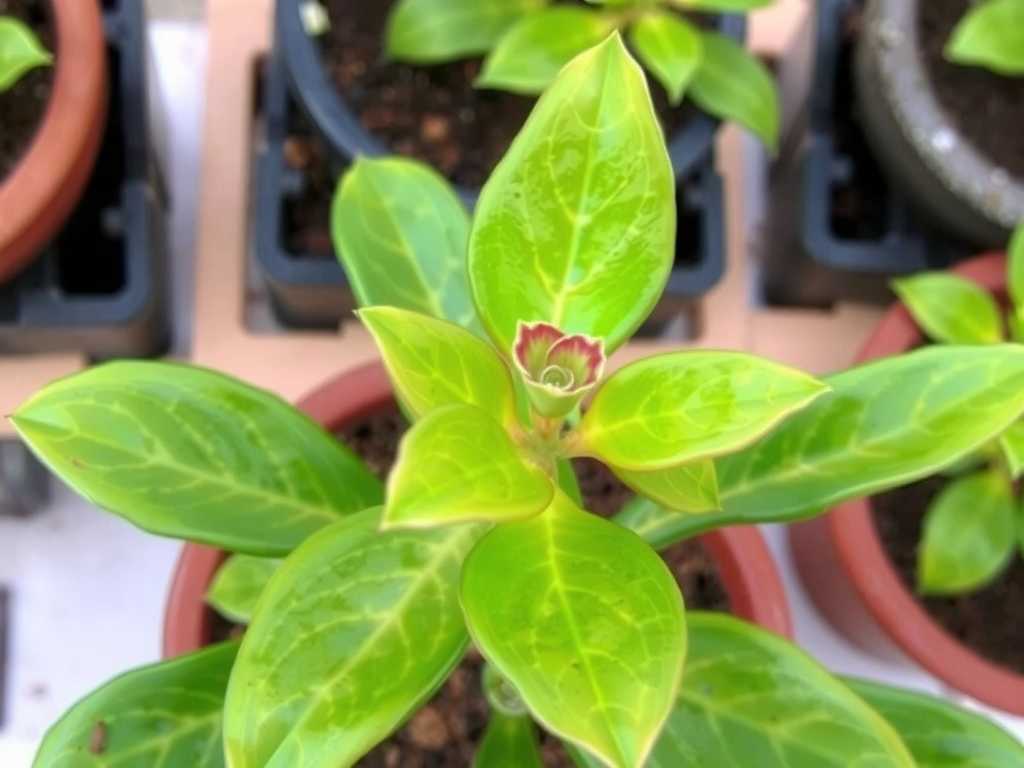
Observing the Recovery: A Two-Week Timeline
- Days 1-3: Immediate halt to the spread of yellowing after moving the plant.
- Days 4-7: Plant stability confirmed. Soil moisture routine re-established.
- Days 8-10: Strategic pruning performed. Noticed improved firmness in remaining green leaves.
- Days 11-14: Visible new bud development. Plant clearly directing energy to new growth.
Why These Fixes Align with Plant Biology These steps work because they address the core issue: photoinhibition. When light exceeds a plant's capacity to use it for photosynthesis, it creates reactive oxygen species that damage cells, starting with chlorophyll. Reducing intensity stops the damage. Careful watering supports metabolic recovery without causing root anoxia. Pruning removes sinks for resources that the plant is struggling to maintain. Experts like Dr. Linda Chalker-Scott, a horticulture professor, emphasize that plant recovery from abiotic stress (like light) requires removing the stressor first and foremost, then providing stable supportive care—exactly what this 5-fix plan does.
Common Questions from Fellow Plant Lovers
Can yellow jade leaves turn green again? No, once a leaf has yellowed significantly due to light stress, it has lost too much chlorophyll to recover. The leaf will not turn back to green. The best course is to remove severely yellowed leaves so the plant can focus its energy on new, healthy growth. Slightly pale leaves may regain some color with corrected light.
How do I tell if yellowing is from light or overwatering? This is critical. Light-stress yellowing typically starts on the sides most exposed to the light source, and the leaves may feel thin or papery. Overwatering yellowing is often more uniform or starts on lower leaves, and the leaves and stem will feel soft and mushy. The soil will also stay wet for too long. When in doubt, check the roots and the soil moisture first, as overwatering is more immediately dangerous.
What is the ideal light for a jade plant long-term? Jade plants thrive in bright, indirect light for 4-6 hours daily. An east-facing window is often ideal. They can tolerate some direct sun, but the intense afternoon sun through a south or west window, especially in summer, is often too strong. If you use a grow light, 6-8 hours of full-spectrum LED light at a moderate intensity is excellent. The key is consistency and avoiding sudden, drastic changes.
Seeing your jade plant’s leaves turn yellow can be alarming, but with a systematic approach, it’s a completely solvable problem. The journey from stressed to thriving hinges on correctly diagnosing light as the issue, then methodically reducing intensity, balancing care, and setting up a sustainable environment. My two-week experiment proved that plants are remarkably resilient when we listen to their signals. By providing the right quality of light—not just the maximum quantity—you’ll be rewarded with a jade plant that displays the deep green, lush foliage it’s famous for, for years to come.





