 bluename
 How to Treat jade plant Nitrogen Deficiency: 4 Growth-Boosting Fixes
You’ve noticed it, haven’t you? That once vibrant, plump-leaved jade plant of yours is starting to look a bit… off. The rich green is fading to a pale, yellowish hue, especially on the older leaves. New growth seems slow, almost reluctant, and the leaves might feel thinner. You water it on schedule, give it plenty of light, but it just doesn’t have that lush, vigorous look anymore. I’ve been there, staring at my favorite Crassula ovata with a sinking feeling. After years of collecting succulents, I’ve learned that these symptoms often point to one common but fixable issue: jade plant nitrogen deficiency.
Nitrogen is the engine of growth. It’s a fundamental building block of chlorophyll, the molecule that makes plants green and fuels photosynthesis. Without enough of it, your jade plant is essentially running on empty. The good news? This isn’t a death sentence. It’s a clear signal from your plant, and with the right nitrogen deficiency fixes, you can restore its health and vigor. In this guide, I’ll walk you through the exact steps I took to diagnose and cure this problem in my own collection, sharing my two-week observation log, the mistakes I made along the way, and the solutions that delivered real, visible results.
Understanding the Signs: Is It Really a Nitrogen Shortage?
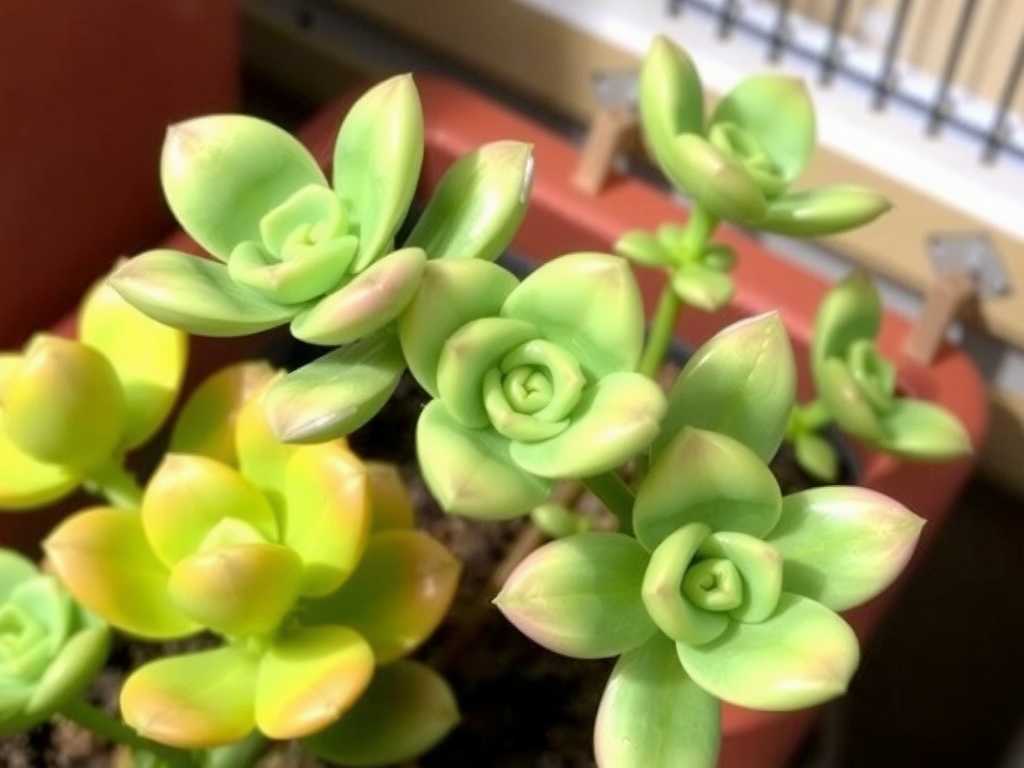
Before you start any treatment, accurate diagnosis is crucial. Nitrogen deficiency has a specific signature. The yellowing (chlorosis) typically begins on the older, lower leaves because the plant moves the limited available nitrogen to support new growth. This is a key differentiator. If the newest leaves are yellowing first, you might be looking at an iron deficiency or overwatering issues.
Look for these clear indicators:
- Progressive Yellowing: Starts from the bottom of the plant, moving upward. Leaves turn a uniform pale green, then yellow.
- Stunted Growth: New leaves and stems are smaller and develop slowly. The plant’s overall expansion seems to halt.
- Leaf Texture Change: Leaves may lose their characteristic succulence and feel softer or thinner.
I almost misdiagnosed my own plant because I missed one detail: light exposure. A jade in too much direct sun can also show yellowing. However, sun stress often causes a more general or patchy discoloration, sometimes with red or brown edges, not the systematic bottom-up pattern of nitrogen lack. The Royal Horticultural Society (RHS) notes that nutrient deficiencies often manifest in predictable patterns, and this directional yellowing is a classic textbook case for nitrogen.
The 4 Growth-Boosting Fixes for Jade Plant Nitrogen Deficiency
Here are the four methods I personally tested and implemented, moving from the gentlest correction to the most direct intervention.
Fix 1: The Gentle Refresh – Repotting with New Soil
Sometimes, the simplest solution is the best. Over time, potting soil breaks down and loses its nutrient content. If your jade has been in the same pot for years, it may have simply exhausted the available nitrogen.
My Action Steps:
- I chose a pot only slightly larger than the old one (jades prefer being snug).
- I used a fresh, well-draining cactus and succulent mix. To boost its nutritional base, I amended it with about 20% worm castings—a fantastic, mild organic source of nitrogen and other beneficial microbes.
- I carefully removed the plant, gently loosened the root ball, and placed it in the new soil.
My 2-Week Observation & The Pitfall: For the first week, there was little change—which I expected. The plant was settling in. By the end of the second week, I noticed the yellowing on the older leaves had stopped progressing. The overall plant color seemed more stable, and a tiny new bud appeared at a stem tip. The pitfall? I initially over-watered right after repotting, fearing transplant shock. This is a mistake! Fresh soil holds moisture. I waited until the leaves showed a slight softness before giving it a thorough drink, which prevented potential root rot.
Fix 2: The Organic Route – Using Liquid Fertilizers
For a more immediate yet gentle nutrient boost, liquid fertilizers are excellent. They are quickly available to the roots. I prefer organic options like fish emulsion or seaweed kelp fertilizer for a broader spectrum of nutrients.
My Action Steps:
- I selected a liquid seaweed fertilizer with a balanced N-P-K ratio (like 1-1-1).
- Crucially, I diluted it to half the strength recommended on the label. Jade plants are light feeders, and a full dose can shock a deficient plant. The American Horticultural Society (AHS) emphasizes “weakly, weekly” feeding for container plants, advising that under-fertilizing is always safer than overdoing it.
- I applied this diluted solution during a regular watering session, ensuring the soil was moist first to prevent root burn.
My 2-Week Observation: This was where the treatment for nitrogen deficiency showed the most visible early results. Within 7-10 days, the pale leaves began to regain a hint of green. It wasn’t a full reversal, but the sickly yellow tint diminished. New growth appeared more vigorous. The key was consistency and dilution. I applied this weak solution every other week for two months.
Fix 3: The Targeted Solution – Applying a Balanced, Water-Soluble Fertilizer
When a deficiency is clear, a fertilizer with a slightly higher first number (Nitrogen) in its N-P-K ratio can help. A balanced formula like 10-10-10 or one tailored for succulents is ideal.
My Action Steps & The Major Pitfall:
- I chose a water-soluble 10-10-10 fertilizer.
- Here was my big mistake: In my eagerness, I used the full recommended dose. Within days, the leaf tips on some older leaves showed slight browning—a sign of mild fertilizer burn.
- My Solution: I immediately flushed the soil with plenty of clean water to dilute the excess salts. For the next application, I used a quarter-strength dose.
My 2-Week Observation (Post-Correction): After the flush and switching to a quarter-strength dose every 4 weeks, the plant responded beautifully. The remedy for pale jade leaves was in full effect. The green color deepened noticeably across the entire plant. Two new sets of leaves emerged from multiple branches, and they were a healthy, dark green from the start. This fix, once applied correctly, provided the most dramatic turnaround in foliage color.
Fix 4: The Long-Term Regimen – Establishing a Preventative Feeding Schedule
Curing the deficiency is only half the battle. Preventing its return is how you ensure a thriving, resilient jade plant.
My Action Plan: I now follow a seasonal feeding schedule:
- Spring & Summer (Growing Season): I apply a half-strength dose of liquid seaweed or a balanced succulent fertilizer once per month.
- Fall & Winter (Dormant Season): I stop fertilizing completely. The plant’s growth slows, and it does not require extra nutrients. Fertilizing in winter can lead to weak, leggy growth.
This proactive approach, informed by both my experience and expert guidelines from sources like the RHS on seasonal plant care, has kept all my succulents in peak condition without any further deficiency scares.
Your Questions, Answered
Can yellow jade plant leaves turn green again? Leaves that have turned completely yellow are unlikely to regain their deep green color. The plant will often eventually shed these leaves. The goal of treatment is to stop the progression and ensure all new growth is healthy and green. The existing green on slightly pale leaves will deepen.
How often should I fertilize my jade plant to avoid deficiency? During the active growing season (spring and summer), fertilizing once a month with a diluted, balanced fertilizer is sufficient. Less is more. Over-fertilizing can cause salt buildup, root damage, and ironically, poor nutrient uptake. In fall and winter, cease feeding entirely.
Are coffee grounds a good home remedy for nitrogen deficiency in jades? I do not recommend directly adding coffee grounds to your pot. While they contain nitrogen, they are slow to decompose and can create a dense, moisture-retentive layer that promotes fungal growth and compacts the soil—a disaster for succulents that need sharp drainage. If you wish to use them, compost them fully first, then use the finished compost as a soil amendment.
Watching a jade plant struggle with nitrogen deficiency can be worrying, but it’s a problem with straightforward, effective solutions. The journey from pale, sluggish growth to vibrant, robust health is incredibly rewarding. Whether you choose to repot, use a gentle organic feed, apply a targeted balanced fertilizer, or—like I do now—a combination of these within a sensible schedule, the key is observation, patience, and moderation. Start with the gentlest fix appropriate for your plant’s situation, give it time to respond over a couple of weeks, and adjust your care accordingly. Your jade plant’s return to its gloriously green, plump-leaved self will be the best proof that you’ve cracked the code.





