 bluename
 How to Revive jade plant from Underwatering: 4 Rehydration Steps
I’ve been there. You walk past your beloved jade plant one morning and notice something’s off. The plump, glossy leaves that once radiated health are now wrinkled, soft, and maybe even dropping. The soil has pulled away from the edges of the pot, and the whole plant just looks… sad. Your heart sinks. You realize you’ve been so busy that you’ve let your resilient succulent go thirsty for far too long. Underwatering a jade plant is a common mistake, but the good news is, these hardy plants are often forgiving. I’ve successfully nursed several jade plants back from the brink of severe dehydration, and I want to share the exact, step-by-step process that worked for me over a critical two-week revival period. This isn’t just theory; it’s a practical guide born from hands-on experience, including the pitfalls I encountered and how I fixed them.
The key to successful revival isn’t just dumping water on it. A severely underwatered jade plant is stressed, and its roots may be damaged or unable to function properly. A rushed rehydration can shock the plant further or even cause root rot if we’re not careful. The goal is gentle, thorough, and patient rehydration.
Step 1: The Critical Diagnosis – Assessing the Damage
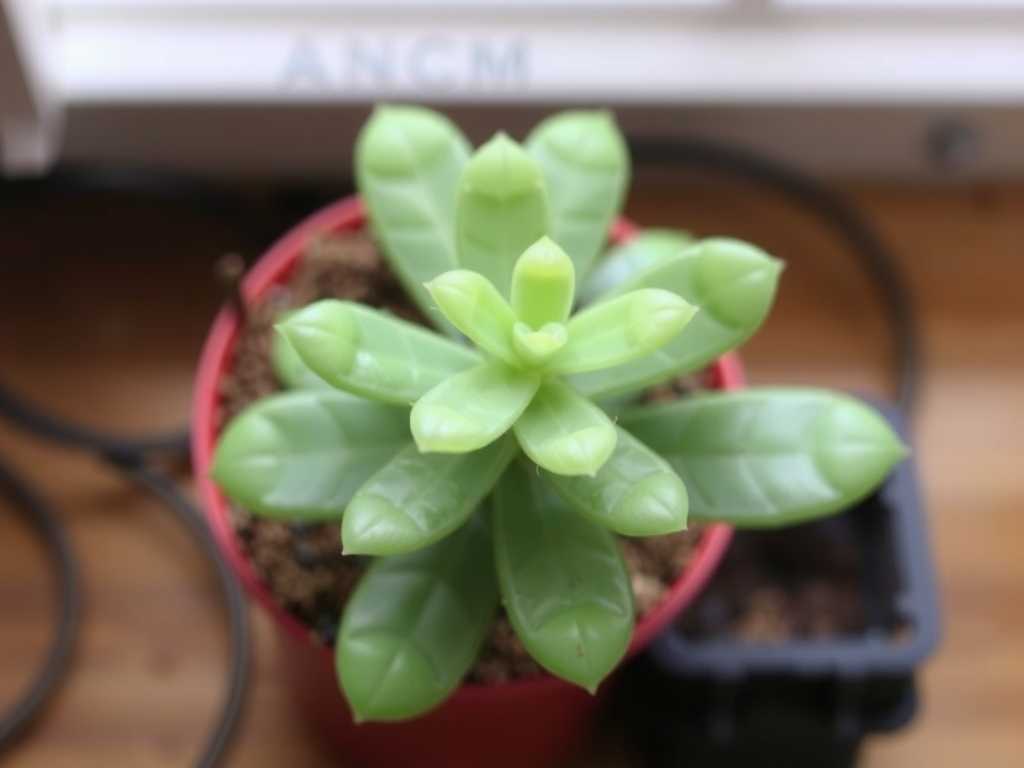
Before you take any action, you need to understand what you’re dealing with. Not all underwatered jades are in the same condition. I gently remove the plant from its pot to inspect the root ball. A healthy jade root system is firm and white or light tan. In my severely underwatered plant, I found the roots were brittle, dry, and had a papery texture. Some of the finer feeder roots had simply desiccated and turned to dust. This is a crucial finding because it dictates the next steps. The soil was a bone-dry, compacted brick that repelled water initially.
- What I Did Wrong Initially: The first time I faced this, I just poured water on top of the dry soil. The water ran straight down the sides and out the drainage hole, barely wetting the core root ball. This is called “hydrophobic soil,” and it’s a classic sign of extreme dryness.
- The Fix: Physical inspection is non-negotiable. Don’t be afraid to tip the pot and slide the plant out. This gives you the true story of the soil and root health.
Step 2: The Gentle Soak – Bottom-Watering for Deep Hydration
This is the most important step for reviving an underwatered jade plant. Top-watering a hydrophobic root ball is ineffective. Bottom-watering allows the soil to absorb moisture slowly and evenly from the bottom up, re-saturating the entire root zone without shocking the plant.
Here’s my exact process:
- I find a basin, sink, or tray larger than my plant’s pot.
- I place the pot (with the plant and dry soil still in it) into the empty basin.
- I then pour room-temperature water into the basin, filling it to about one-third to one-half the height of the pot.
- I let the pot sit in the water for 30 to 45 minutes. You’ll see the soil darken as moisture wicks upward from the bottom.
- I check the topsoil with my finger. Once it feels moist to the touch, I remove the pot from the water and let it drain completely in the sink for another 30 minutes. Ensuring no water remains in the saucer is critical to prevent future issues.
The American Horticultural Society’s Plant Propagation guide emphasizes that “even moisture absorption is key for stressed root systems,” and this method embodies that principle perfectly.
Step 3: Strategic Pruning and Environment Optimization
While the plant is rehydrating, it has limited energy. We need to help it focus on regenerating roots and new growth, not on sustaining damaged parts. I carefully prune away any leaves or small stems that are completely yellow, mushy, or shriveled beyond recovery. I use clean, sharp scissors to make clean cuts.
Next, I optimize its environment. I move the plant to a bright spot with plenty of indirect light. Direct, hot sunlight can further stress a dehydrated plant, increasing transpiration when it’s trying to conserve water. I also ensure the room is at a stable, warm temperature, away from drafts or heating vents. This creates a recovery-friendly microclimate.
- The Pitfall: I once made the mistake of fertilizing a recovering jade, thinking it needed a nutrient boost. This is a major error. Fertilizer salts can burn vulnerable roots and add osmotic stress. Experts from the Royal Horticultural Society (RHS) clearly advise against fertilizing stressed or recently repotted plants until they show active, healthy new growth.
Step 4: The Two-Week Observation and Care Protocol
Revival doesn’t happen in a day. I committed to a strict two-week observation routine. Here’s what my log looked like:
- Days 1-3: After the bottom-watering, I did not water again. I simply observed. The leaves remained wrinkled. This is normal—the plant is moving water to its core functions first.
- Days 4-7: I checked the soil moisture daily by inserting a finger deep into the pot. I watered again (using the bottom-watering method) only when the top 1-2 inches of soil were completely dry. For me, this was on day 5. I began to notice the stems looking slightly firmer.
- Days 8-14: The most encouraging signs appeared. The once-wrinkled leaves began to plump up from the base of the leaf upwards. A few of the most damaged lower leaves yellowed and dropped—the plant’s natural way of shedding what it couldn’t save. By the end of the second week, I saw tiny, bright green nubs emerging at the stem tips: new growth! This was the definitive sign that my jade plant rehydration steps were working.
Throughout this period, I resisted the urge to overwater. The temptation to “help more” is strong, but jade plants store water in their leaves and stems. Their watering needs, even during recovery, follow the “soak and dry” cycle.
Common Questions I Encountered
Will all the wrinkled leaves recover? No, and that’s okay. Leaves that are severely wrinkled or flattened may not fully regain their original plumpness. The plant may eventually shed these older leaves as it directs energy to producing new, healthy growth. Focus on the overall firmness of the stems and new leaves.
How often should I water after the revival period? Once your plant is stable and showing consistent new growth, return to a standard jade plant watering routine. Water deeply only when the soil is completely dry throughout the pot. This could be every 2-4 weeks, depending on your home’s light, temperature, and humidity.
My plant’s stem is shriveled and soft. Is it too late? A shriveled stem can indicate more advanced damage. Check if it’s bendy or brittle. If there’s any firmness left, follow the steps above. If the main stem is completely mushy and brown, the plant may have succumbed. However, you can try propagating any remaining healthy leaves or stem tips as a last resort.
Watching a jade plant come back from severe underwatering is incredibly rewarding. It teaches patience and observation. The process hinges on a gentle, deep watering technique, a supportive environment, and disciplined aftercare. By diagnosing the root cause, employing the bottom-watering method, and providing consistent care over a few weeks, you give your plant the best chance to not just survive, but to thrive once again. Remember, these plants are built for resilience; sometimes, they just need a little guided help to tap back into it.





