 bluename
 How to Fix jade plant Leggy Growth in Low Light: 5 Bushiness Hacks
There’s a special kind of plant-parent heartbreak that comes from watching your once-sturdy jade plant slowly transform into a spindly, awkward mess. You’ve placed it in what you thought was a decent spot, but instead of the compact, tree-like form you adore, it’s stretching desperately towards the nearest light source, leaving long, weak stems with sparse leaves. I know this feeling intimately. For years, I struggled with jade plant leggy growth, especially in the less-than-sunny corners of my home. It felt like a losing battle until I decided to approach the problem systematically. Through trial, error, and a lot of patience, I developed a practical, five-step plan that doesn’t just stop the stretching but actively encourages a lush, bushy comeback. This guide is the result of my real-world experience, including the mistakes I made and the solutions that finally worked over a dedicated two-week observation period and beyond.
Let’s be clear: legginess is a survival mechanism. Your jade plant (Crassula ovata) is etiolating—stretching its stems to capture more photons. While we can’t always provide the six hours of direct sun these succulents crave, we can outsmart the situation. The goal isn’t just damage control; it’s to trigger your plant’s innate ability to branch out and densify. The following hacks for a bushier jade are a combination of strategic pruning, optimized care, and clever manipulation of light. I applied them to my own struggling plant, and the transformation was remarkable.
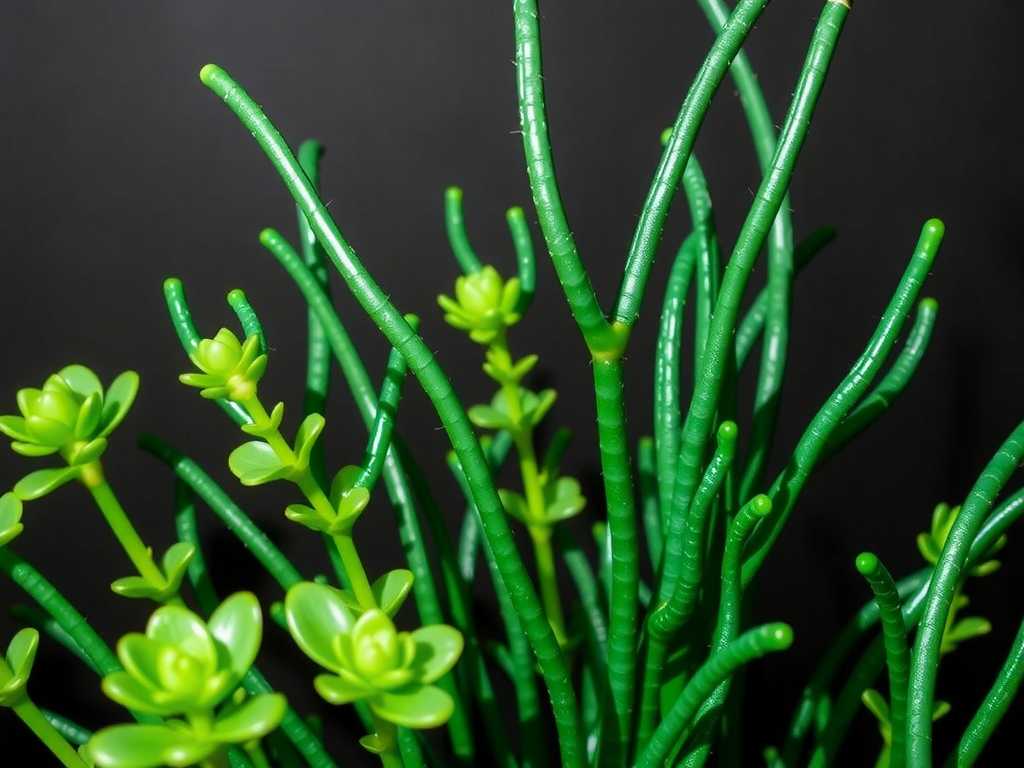
Understanding the "Why" Before the "How"
Before we dive into the fixes, it’s crucial to understand that light is the primary dictator of your jade’s structure. The Royal Horticultural Society (RHS) consistently notes that insufficient light is the leading cause of etiolation in succulents, leading to weak, elongated growth. My plant was a textbook case, sitting on a shelf about eight feet from a north-east facing window—a recipe for stretching. Recognizing this was step zero. Every action we take from here on addresses either the light deficit itself or the plant’s response to it.
Hack #1: The Strategic "Pinch and Prune" Method
This is the most immediate and impactful step. Passive waiting won’t work; you must actively redirect your plant’s energy.
My Process and Two-Week Observation: Armed with clean, sharp pruning shears, I identified the leggiest stems. I didn’t go full buzz-cut immediately. Instead, I chose one or two long stems and made a clean cut just above a pair of leaves—this is called a “leaf node.” The node is where new growth will emerge. For very sparse stems, I sometimes cut further back, even if it felt drastic. After pruning, I left the cut ends to callus over for a day or two in a dry spot before resuming normal care. The first week was quiet, with no visible change. I started to worry I’d been too harsh. But by the end of the second week, tiny, bright pinkish-green nubs appeared at the nodes just below my cuts. This was the breakthrough—the plant was redirecting its energy from vertical growth to creating two or more new branches from that single point. This is the fundamental secret to fixing leggy jade plants: pruning forces branching.
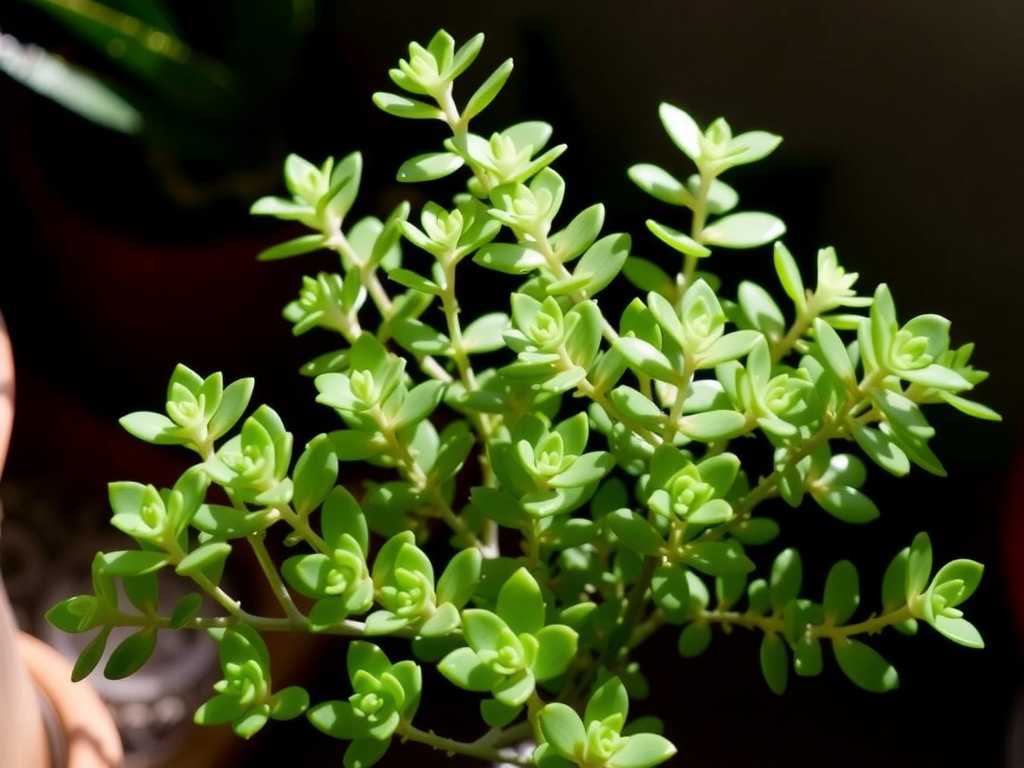
The Pitfall I Encountered: My initial mistake was using dull scissors, which crushed the stems rather than slicing them. This created a ragged wound that took longer to heal and looked unsightly. The fix was simple: invest in proper, sterilized tools. It makes a world of difference for the plant’s recovery.
Hack #2: Rotate, Relocate, and Reflect Light
You must maximize every photon available. Simply pruning without improving light access is a temporary fix.
My Process and Two-Week Observation: First, I committed to rotating my plant a quarter-turn every time I watered it (about every 2-3 weeks). This ensures all sides get their time in the “best” light, promoting even growth. Next, I played “light detective.” I used a simple light meter app on my phone (not lab-accurate, but great for comparisons) to test spots around my home. I moved my jade from its dark shelf to a console table directly in front of that north-east window. The light reading nearly doubled. Finally, I employed a reflector. I placed a large, white foam board on the room-side of the plant. This bounced window light back onto the darker side of the jade. The difference in the density of new growth on the reflected side versus the non-reflected side was noticeable within the two-week mark. The new leaves were closer together on the stem—a direct sign of improved light satisfaction.
Hack #3: The Water-and-Feed Tightrope Walk
Leggy growth often coincides with incorrect watering. In low light, soil stays wet longer, and the plant’s growth slows, meaning it uses less water. Overwatering in dim conditions leads to soft, weak growth that exacerbates the leggy look.
My Process and Two-Week Observation: I adopted the “soak and dry” method religiously. I would water thoroughly until it ran from the drainage holes, then I would not water again until the soil was completely dry all the way to the bottom of the pot. I checked this with a wooden chopstick. I also adjusted my fertilizing. During the active growing season (spring/summer), I used a balanced, water-soluble fertilizer diluted to half the recommended strength, and only once a month. In low light, the plant can’t utilize a full dose, and excess salts can harm the roots. This disciplined approach prevented further weak, elongated growth and supported the sturdy new branches emerging from my pruning cuts.
Hack #4: The Supportive Role of Proper Potting Mix
A dense, moisture-retentive soil is the enemy in a low-light scenario. It keeps roots soggy and stressed, preventing them from supporting healthy, compact top growth.
My Process: I repotted my jade into a mix specifically designed for drainage. I used a standard cactus/succulent potting mix as a base, but I amended it further with extra perlite and coarse sand (about a 2:1:1 ratio of mix:perlite:sand). This created an airy, fast-draining environment. While repotting, I checked the roots—they were healthy but slightly cramped. Upsizing the pot by only one inch (about 2.5 cm) gave them room without leaving too much damp soil around them. A terracotta pot, which breathes and wicks away moisture, is an excellent choice here.
Hack #5: Propagation: Your Secret Weapon for Instant Fullness
Here’s the most satisfying hack. Those leggy stems you pruned off? Don’t throw them away. They are your tools to create a fuller-looking plant instantly.
My Process and Two-Week Observation: I took the healthy tip cuttings from my pruning session, let them callus for a few days, and then planted several of them directly into the soil around the base of the mother plant. I kept this soil slightly more moist than usual for the mother plant to encourage rooting. By the end of the two-week period, the cuttings were still firm and showed no signs of wilting—a good indicator that roots were beginning to form. Within a few more weeks, they were established. This technique, often highlighted by succulent experts for creating instant volume, gave the pot a denser, bushier appearance from the soil level up. It’s the ultimate visual fix while you wait for the mother plant to branch out from your prunings.
Putting It All Together: My Maintenance Schedule
The magic happened when I combined these hacks into a consistent routine. Here was my schedule after the initial interventions:
- Weekly: Rotate the plant slightly. Wipe down leaves to remove dust (it blocks light!). Check for new growth nodes.
- Bi-Weekly: Feel the soil for moisture. Observe stem firmness and leaf spacing.
- Monthly (Spring/Summer): Apply half-strength fertilizer with one watering.
- Seasonally: Reassess light quality as seasons change. Consider using a supplemental grow light for 4-6 hours a day during dark winters—this was a game-changer for maintaining compact growth year-round. The American Horticultural Society (AHA) acknowledges that for indoor gardeners in northern climates, full-spectrum LED grow lights are a viable solution for providing essential light energy when natural sunlight is insufficient.
Will my jade plant ever go back to its original compact shape on the already-long stems? No, the elongated growth will not shorten or become dense again. The existing long, bare stems will remain as they are. However, the power of pruning means that from those bare stems, you can encourage new, compact branches to grow. Over time, as these new branches mature and you continue to prune them strategically, they will become the dominant, bushy feature of the plant, and the old leggy stems will serve as a structural “trunk.” Patience is key.
Can I just put my leggy jade plant in direct sun all of a sudden? Absolutely not. This is a critical mistake. A plant acclimated to low light will scorch severely if moved abruptly into intense, direct sunlight. The transition must be gradual. Start with just one hour of morning sun, slowly increasing the exposure over 2-3 weeks. This process, called hardening off, allows the plant to build up protective pigments.
Is it better to use a grow light or to prune more aggressively? They are complementary tools, not an either/or choice. A grow light addresses the root cause (light deficiency) and prevents future legginess. Pruning addresses the existing symptom (long stems) and encourages branching. For the best results, use both. A grow light provides consistent energy, while strategic pruning directs how the plant uses that energy to become bushier.
Reviving a leggy jade plant is a journey of understanding and gentle intervention. It requires accepting that some growth cannot be reversed but focusing on the powerful potential for new, better growth. By combining the decisive action of pruning with the optimized care of smarter light use, disciplined watering, and supportive soil, you command your plant’s growth pattern. The process I followed, documented over those crucial first two weeks and sustained thereafter, transformed my lanky specimen into a proud, branching centerpiece. Remember, your jade wants to be bushy; you just need to give it the right signals and conditions to remember how. Start with a single strategic prune, maximize your light, and watch as your plant rewards your effort with lush, compact vitality.





