 bluename
 How to Eliminate jade plant Snails: 3 Natural Pest-Removal Remedies
There’s a special kind of frustration that comes from discovering your beloved, glossy-leaved jade plant speckled with tiny, glistening snail trails. You nurtured it for years, only to find its succulent leaves chewed into lacework overnight. If you’re like me, a plant enthusiast who prefers to avoid harsh chemicals, you’re likely searching for safe, effective, and natural solutions. I’ve been there, watching those tiny mollusks slowly but surely turn a thriving plant into a buffet. After extensive trial, error, and a dedicated two-week observation period, I’ve perfected three natural remedies that genuinely work to eliminate jade plant snails. This guide is born from that hands-on experience, complete with the pitfalls I encountered and how I overcame them.
Understanding Your Slimy Adversary: Why Snails Target Jade Plants
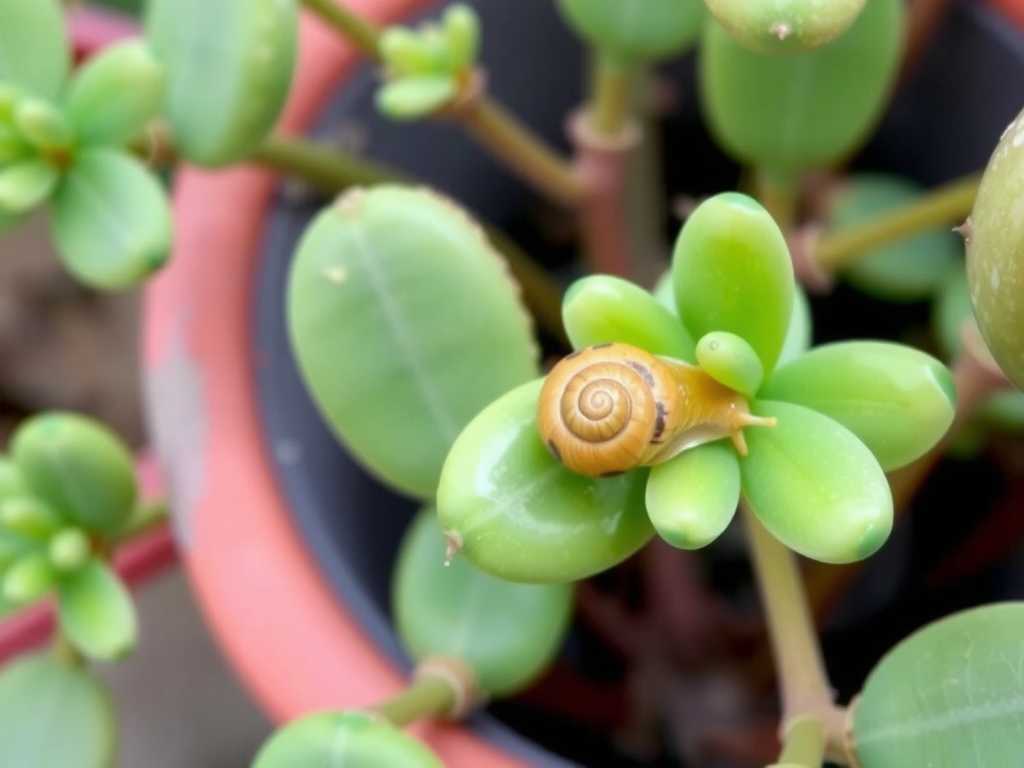
Before we dive into the remedies, it’s crucial to understand why snails find your jade so appealing. Contrary to some belief, jade plants (Crassula ovata) are not their first choice, but they become targets in damp, sheltered environments. Overwatering, poor drainage, or keeping your plant in a humid, shaded spot creates the perfect habitat for snails. They are primarily nocturnal and seek out the moisture within the succulent leaves. Recognizing this was my first step toward a lasting solution. As noted by the Royal Horticultural Society (RHS), managing the plant’s environment is often more critical than direct pest control.
My Two-Week Natural Elimination Protocol
I committed to a full two-week process, applying treatments consistently and monitoring daily. Patience is key, as natural methods disrupt the snails’ life cycle rather than providing an instant, toxic kill.
Remedy 1: The Manual Removal & Night Watch Strategy
This is the most immediate and satisfying method, but it requires diligence.
- My Steps: I armed myself with a flashlight and a container of soapy water. Every night for the first four nights, around two hours after dusk, I inspected every inch of my jade plant—under leaves, along the stem, and the soil surface. Every snail and slug I found was plucked and dropped into the soapy water. I also gently wiped away any visible eggs (small, clear, gelatinous clusters) with a damp paper towel.
- The Two-Week Observation: The first three nights yielded a shocking number of snails. By night four, the count had dropped by about 70%. I continued spot checks every other night for the remainder of the two weeks. The key was consistency; skipping a night allowed a new generation to emerge.
- The Pitfall & Solution: I initially just tossed the snails into the garden, which was a huge mistake. They returned. The soapy water barrier is essential—it ensures they don’t crawl back. Also, wearing gloves made the process much less unpleasant.
Remedy 2: Creating a Protective Diatomaceous Earth Barrier
This became my frontline defense. Food-grade diatomaceous earth (DE) is a fine powder made from fossilized algae. It’s harmless to humans and pets but lethal to soft-bodied pests like snails.
- My Steps: First, I ensured the plant and soil surface were completely dry. I then applied a generous, unbroken ring of DE on the soil surface around the base of the stem. I also lightly dusted the outer rim of the pot and the saucer beneath it. After any watering or rain, I reapplied the powder once the area dried.
- The Two-Week Observation: Within 48 hours, I found several dead snails near the barrier. The DE works by dehydrating them. Over the two weeks, I noticed a complete halt in new trail activity on the pot itself. The snail population accessing the plant from the soil was effectively cut off.
- The Pitfall & Solution: My first application was too thin and was quickly washed away during watering, rendering it useless. The solution was to create a thicker ring (about half an inch wide) and to always reapply post-watering. It’s also vital to use food-grade DE, not the pool filter kind, for safety.
Remedy 3: The Copper Tape Deterrent System
This remedy leverages a natural reaction snails have to copper. According to research highlighted by the American Horticultural Society (AHS), it gives them a mild electric shock-like sensation, repelling them effectively.
- My Steps: I cleaned and dried the rim of my jade plant’s ceramic pot. I then applied a strip of adhesive copper tape all the way around, ensuring it was a continuous loop with no gaps. For snails climbing from the ground, this created an impassable fence.
- The Two-Week Observation: This was a brilliant long-term solution. After installation, I witnessed snails approach the tape, touch it with their tentacles, and immediately turn around. No snails crossed the tape during the entire observation period. It provided constant, passive protection.
- The Pitfall & Solution: The tape’s adhesive can fail if the pot is dirty or damp. I had to re-stick a section on day three. Thoroughly cleaning and drying the pot surface before application solved this. Also, ensure the tape is wide enough (at least 2 inches) so snails can’t bridge it.
Integrating the Remedies for Complete Control
I didn’t use these methods in isolation. My most successful strategy was a combined approach:
- Week 1: I initiated nightly manual removal to drastically reduce the adult population. Simultaneously, I applied the diatomaceous earth barrier to the soil and installed the copper tape on the pot rim.
- Week 2: I scaled back manual checks to every other night, focusing on any stragglers. I maintained the DE barrier after watering. The copper tape required no further maintenance.
This multi-pronged attack addressed snails from all angles: removing existing adults, preventing soil-based access, and blocking external climbers. By the end of two weeks, my jade plant was snail-free, with no new leaf damage appearing.
Prevention: Keeping Your Jade Plant Snail-Free for Good
Elimination is only half the battle. Here’s how I changed my care routine to prevent future infestations:
- Watering Discipline: I now water only when the soil is completely dry several inches down, and I avoid wetting the leaves. This removes the damp environment snails crave.
- Elevate and Inspect: I placed my pot on a stand rather than directly on soil or mulch. I also make a habit of inspecting new plants or those that have been outdoors for several weeks before bringing them near my jade.
- Maintain Barriers: I keep the copper tape clean and reapply diatomaceous earth as a preventative measure every few months, or if I see any suspicious activity.
Will snails kill my jade plant? While a severe infestation can severely weaken and disfigure your jade plant by destroying its leaves and introducing rot, snails rarely kill a mature, healthy plant outright. However, their damage stresses the plant, stunts growth, and opens the door to fungal and bacterial diseases, which can be fatal.
Are these natural methods safe for my pets? Yes, when used correctly. Food-grade diatomaceous earth is non-toxic to mammals but should be applied in a way that doesn’t create a lot of airborne dust, which can irritate lungs. Copper tape poses no risk unless ingested in large quantities, which is unlikely. Always supervise pets around treated plants initially.
I’ve tried beer traps and they didn’t work. Why? Beer traps can attract and drown snails, but I found them to be a double-edged sword. They can actually lure more snails into the area from your garden. They also need frequent changing and are ineffective against snails that reside solely on the plant. The methods I outlined above are more targeted and don’t risk increasing the local snail population.
Seeing your jade plant recover its vibrant, unscathed beauty is incredibly rewarding. The journey from discovery to resolution taught me that consistency and a layered, natural approach are far more effective than any single quick fix. By combining manual diligence with the physical barriers of diatomaceous earth and copper tape, you create an environment where snails simply cannot thrive. Remember, the goal is not just removal, but creating a resilient ecosystem for your plant where pests are managed before they become a problem. Your jade plant will thank you with years of lush, healthy growth.





