 bluename
 How to Stop jade plant Leaf Drop from Pests: 5 Insect-Control Fixes
There’s nothing more disheartening than watching your beloved, plump-leaved jade plant start to shed. You water it right, give it plenty of light, and yet, leaves keep piling up at the base. If this sounds familiar, you’re not alone. For years, I assumed my jade’s leaf drop was a watering issue. It wasn’t until I took a magnifying glass and looked closely that I discovered the real culprits: tiny, sap-sucking pests. The connection between pests and leaf drop in jade plants is direct—these insects drain the plant’s vitality, causing leaves to yellow, weaken, and eventually fall. In this guide, I’ll share the five insect-control fixes that finally stopped the leaf drop for me, based on my own hands-on, two-week battle to save my plant.
Understanding the Enemy: Common Pests That Cause Jade Plant Leaf Drop
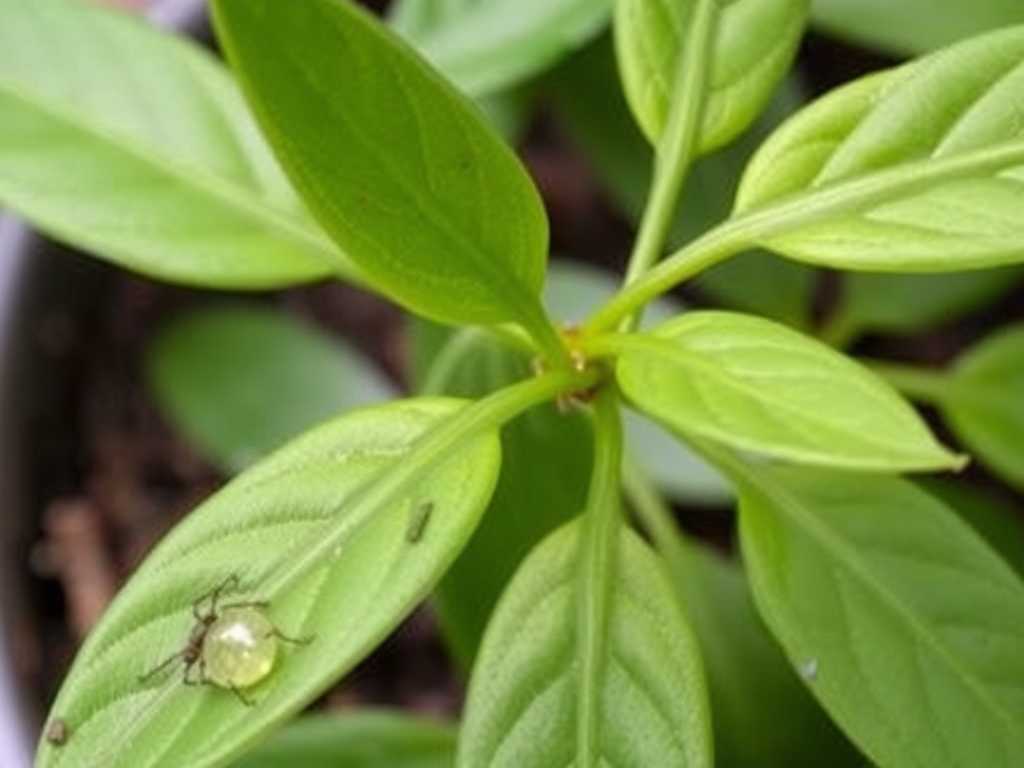
Before you can fix the problem, you need to know what you’re fighting. Jade plants are typically tough, but they’re vulnerable to a few persistent pests. The Royal Horticultural Society (RHS) notes that indoor succulents like jade are often attacked by pests that thrive in warm, dry, indoor conditions—exactly the environment we create for our plants.
The main offenders are mealybugs, spider mites, and scale insects. Mealybugs look like tiny bits of cotton fluff tucked into leaf axils. Spider mites are nearly invisible but leave behind fine webbing and stippled, yellow leaves. Scale appear as small, brown, bumpy shells stuck to stems and leaves. All of them have one thing in common: they pierce the plant tissue and feed on the sap. This feeding stress is what directly leads to jade plant leaves falling off. The plant loses nutrients and moisture, and the damaged leaves can’t recover.
My 5-Step, 2-Week Insect Control Protocol to Halt Leaf Drop
I developed this protocol after my favorite jade specimen began a severe leaf drop episode. I committed to monitoring and treating it daily for two weeks. Here’s exactly what I did, including the mistakes I made along the way.
Week 1: Isolation and Initial Eradication
The moment I confirmed pests, I sprang into action. The first few days are critical.
Step 1: Immediate Quarantine and Physical Removal My first move was to isolate the infected jade plant from my other houseplants. This is non-negotiable to prevent a full-blown infestation. Next, I took it to the sink for a thorough physical cleaning. Using a steady stream of lukewarm water, I sprayed down every leaf, top and bottom, and every stem to dislodge as many pests as possible. I then used a cotton swab dipped in 70% isopropyl alcohol to dab directly on every single mealybug and scale insect I could see. The alcohol dissolves their protective coating on contact.
The Mistake I Made: I was too gentle with the water stream the first time. A timid spray won’t dislodge spider mites or eggs. On day two, I used a stronger spray setting (being careful not to damage the leaves) and saw a much greater number of tiny pests wash away.
Step 2: The Soapy Water Spray Down After the physical removal, I applied an insecticidal soap spray. I mixed 1.5 teaspoons of a mild, liquid Castile soap with a quart of water in a spray bottle. I thoroughly drenched the entire plant, ensuring the soapy solution contacted every surface. Insecticidal soaps work by breaking down the insects’ outer layer, causing them to dehydrate. I left the soap on for about 20 minutes, then rinsed it off with clean water to prevent potential soap residue from harming the plant’s pores.
The Result After 3 Days: The leaf drop slowed noticeably. Where I was collecting 5-7 leaves daily, I was now down to 2-3. The visible adult pests were gone, but I knew eggs could still be lurking.
Step 3: Introducing Neem Oil as a Preventative Barrier On day four, after the plant was completely dry, I applied a neem oil solution. Neem oil is a fantastic organic insecticide and miticide that also disrupts the pest life cycle. I mixed 1 teaspoon of cold-pressed neem oil and ½ teaspoon of Castile soap (as an emulsifier) into a quart of warm water, shaking vigorously. I sprayed the plant until it was dripping, paying special attention to the hard-to-reach crevices. I did this in the evening to prevent any potential sunburn on the wet leaves.
Week 2: Persistence and Observation
The battle isn’t won after one treatment. Pests have life cycles, and eggs will hatch.
Step 4: The Repeat Treatment Cycle I repeated the neem oil application every 4 days for the duration of the two-week period. Consistency is key. According to the American Horticultural Society (AHS), breaking the reproductive cycle is essential for control, and most organic treatments require repeat applications. In between neem sprays, I did quick daily checks with my magnifying glass.
The Mistake I Made: I almost skipped the day 8 treatment because the plant looked great. I’m glad I didn’t. During my check that morning, I spotted a few new, tiny spider mites moving on an underside of a leaf. The repeat treatment wiped them out before they could establish.
Step 5: Systemic Insecticide for Stubborn Cases (A Last Resort) For one particularly stubborn jade that had a heavy scale infestation, the above steps weren’t enough to stop jade plant leaf drop completely. After 10 days, it was still losing a leaf every other day. I opted for a systemic insecticide containing imidacloprid, applied as a soil drench. The plant absorbs this, making its sap toxic to sucking insects. This is a powerful tool and should be used with care, especially indoors.
The Result After 14 Days: For the plants treated with neem and soap, leaf drop had completely stopped by day 12. New, healthy growth was emerging. The plant treated with systemic insecticide stopped dropping leaves by day 10. The key was persistence.
Creating a Hostile Environment for Future Pests
Treatment is half the battle. Prevention is the other. Pests target stressed plants. Ensure your jade gets plenty of bright, indirect light and that you water it deeply but infrequently, only when the soil is completely dry. Overwatering is a primary stressor. Regularly wipe down leaves with a damp cloth to remove dust, which spider mites love. A healthy jade plant is your best defense against pests causing jade leaf loss.
Why Won't the Leaves Stop Falling? Even after treatment, some damaged leaves will still fall. This is normal. The plant is shedding the irreparably injured parts. Focus on the new growth—if it’s healthy and pest-free, you’re on the right track.
Can I Use Rubbing Alcohol Directly on the Plant? Yes, but with caution. Spot-treating with a cotton swab is very effective. Avoid spraying a concentrated alcohol solution over the entire plant, as it can damage the waxy coating on the leaves, especially in direct sun.
How Often Should I Inspect My Plants for Pests? Make it a habit during your weekly watering. Turn over a few leaves, look at the new growth, and check the stems. Early detection makes control infinitely easier and is the true secret to keeping your jade plant lush and full.
Seeing your jade plant recover its vigor is incredibly rewarding. The journey from a shedding, pest-ridden specimen to a robust, glossy-green plant is entirely possible with a methodical approach. It requires patience, consistent action over a period like two weeks, and a willingness to look closely at your plant. By understanding the link between insects and leaf drop, employing a staged treatment plan, and focusing on plant health, you can solve this frustrating problem. Your jade plant will thank you with years of sturdy, beautiful growth.





