 bluename
 How to Treat jade plant Potassium Deficiency: 4 Yellow-Leaf Fixes
You’ve nurtured your jade plant for years, watching it thrive with plump, emerald-green leaves. Then, one day, you notice it. A faint, sickly yellow creeping from the edges of those once-perfect leaves. It starts subtly, but soon, more leaves follow, developing crispy brown tips and a general look of weakness. If this sounds familiar, you’re likely facing a classic case of jade plant potassium deficiency. I know the panic and frustration firsthand. After my own prized, decades-old jade began showing these exact symptoms, I embarked on a mission to diagnose and cure it. Over two weeks of careful intervention and observation, I not only reversed the damage but learned exactly how to treat jade plant potassium deficiency effectively. Let me walk you through the four fixes that worked for me, the mistakes I made along the way, and how you can restore your plant’s vibrant health.
Understanding the Role of Potassium in Your Jade Plant
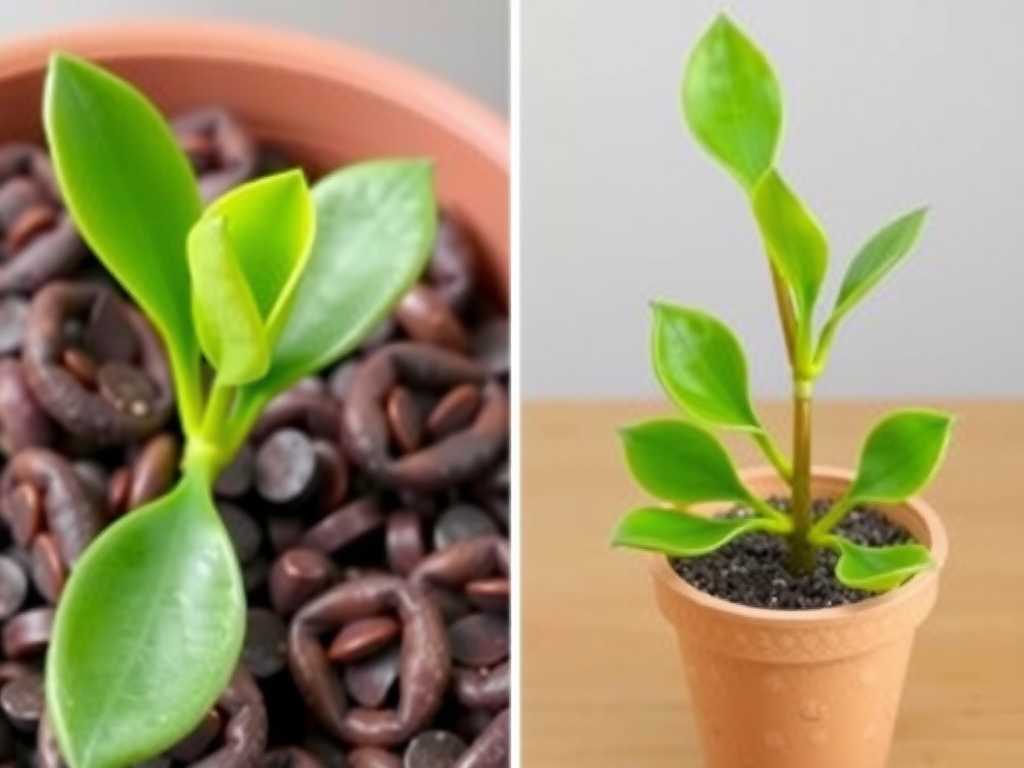
Before we dive into the fixes, it’s crucial to understand why potassium is so important. Think of potassium as your plant’s essential regulator and defender. It doesn’t build new leaves like nitrogen does; instead, it manages critical internal processes. Potassium is vital for activating enzymes, moving water and nutrients within the plant, and, most importantly for our issue, regulating the opening and closing of stomata—the tiny pores on leaves used for breathing and water release. A deficiency cripples these functions. The plant struggles to manage water efficiently, leading to the telltale symptoms: chlorosis (yellowing) starting at the older, outer leaf edges and margins, often progressing to necrotic (dead) brown, scorched-looking tips and edges. The plant’s overall growth becomes stunted, and its resistance to diseases and environmental stress plummets. According to research cited by the Royal Horticultural Society (RHS), potassium is a “major nutrient” essential for overall plant vigor and resilience, underscoring why addressing a shortfall is non-negotiable.
Diagnosis First: Confirming Potassium Deficiency
My first mistake was jumping to conclusions. Yellow leaves can signal many issues—overwatering, poor light, or other nutrient deficiencies. I had to be sure. I compared my plant’s symptoms to a guide from the American Horticultural Society (AHA), which clearly outlined that potassium deficiency typically manifests in older leaves first, as the plant moves the limited nutrient to support new growth. The yellowing pattern was distinct: a bright yellow border framing a still-green center, unlike the uniform yellowing of nitrogen deficiency. I also checked the roots by gently tipping the pot. They were firm and white, ruling out root rot from overwatering. This diagnostic step saved me from applying the wrong fix. If you’re unsure, consider a soil test kit for the most accurate reading.
Fix 1: The Immediate Foliar Feed (The Quick Response)
For a rapid intervention, I turned to a foliar spray. This method delivers potassium directly through the leaves, providing relief much faster than soil applications. I used a balanced, water-soluble fertilizer with a good potassium value (the third number in the N-P-K ratio, like 3-4-5). I diluted it to half the recommended strength to avoid leaf burn—a common pitfall.
My Process & 2-Week Observation:
- On Day 1, I thoroughly misted the leaves, especially the undersides, early in the morning to allow absorption before the sun intensified.
- I repeated this every 4 days for two weeks. The Result: Within the first 5-7 days, the yellowing on the most recently affected leaves visibly halted. The leaves didn’t revert to green (damaged tissue rarely does), but they stopped getting worse. New growth emerging during this period appeared healthier and more robust. This was a clear sign the plant was accessing the nutrient it craved. The Mistake I Made: I initially sprayed in the late afternoon, and water droplets lingered overnight, potentially inviting fungal issues. Switching to morning applications solved this.
Fix 2: Soil Amendment with Potassium-Rich Fertilizer (The Long-Term Solution)
While foliar feeding is a great急救, correcting the soil deficiency is essential for lasting health. I needed a fertilizer higher in potassium. I chose a formulation labeled for promoting bloom and fruit strength (like a 5-10-10), as these are typically higher in potassium (K).
My Process & 2-Week Observation:
- On the same Day 1, after foliar spraying, I applied the granular fertilizer to the soil surface at the package’s recommended rate for potted plants.
- I watered it in deeply until water ran from the drainage holes, ensuring the nutrients were carried to the root zone. The Result: This was the cornerstone fix. Over the two-week period, combined with the foliar feed, the plant’s overall posture improved. The stems seemed firmer, and the slight wilting I hadn’t fully noticed until it was gone disappeared. The older, severely yellowed leaves did not recover—I eventually pruned these—but the decline in other leaves completely stopped. The Mistake I Made: In my eagerness, I was tempted to add extra fertilizer “for good measure.” I’m glad I resisted. Over-fertilization can cause salt buildup in the soil, damaging roots and creating a whole new problem. Patience and following instructions are key.
Fix 3: Incorporating Organic Potassium Sources
For a more gradual, soil-building approach, I also incorporated organic matter. This improves soil structure and provides a slow-release nutrient source. My go-to is wood ash from untreated hardwood. It’s very high in potassium (potash). Banana peels, dried and ground into a powder, are another excellent homemade fertilizer for potassium-loving plants.
My Process:
- I lightly sprinkled a thin layer (no more than a tablespoon) of cooled wood ash onto the soil surface of my large jade pot and gently scratched it in.
- I then watered normally. Important Note: Wood ash can raise soil pH. Jade plants prefer neutral to slightly acidic soil, so this should be used sparingly and only occasionally. The 2-Week Observation: This fix works in tandem with the others. I didn’t see a dramatic change from this alone, but it contributed to the overall recovery strategy. It’s a fantastic method for maintaining potassium levels after the initial deficiency is corrected.
Fix 4: Ensuring Proper Watering and Drainage
This is the unsung hero of nutrient uptake. Even with perfect fertilizer, poor watering habits can lock potassium in the soil or, conversely, leach it away. Potassium uptake is closely tied to water movement in the soil. My jade was in a well-draining succulent mix, but I realized my watering had become inconsistent—sometimes too frequent, sometimes letting it get bone dry for too long.
My Adjusted Process: I committed to the “soak and dry” method. I would water deeply only when the soil was completely dry several inches down. This cycle of thorough wetting and drying promotes healthy root function and optimal nutrient absorption. The 2-Week Observation: Regulating my watering was perhaps the most impactful change alongside fertilization. The plant’s metabolism seemed to stabilize. Leaves plumped up, and the combined effect of available potassium and efficient water use turbocharged the recovery. The yellow leaves stopped appearing entirely by the end of week two.
Preventing Future Potassium Deficiencies in Jade Plants
After this experience, I revised my care routine. I now use a balanced, diluted liquid fertilizer formulated for succulents during the active growing season (spring and summer), but only once a month. I’ve also repotted the plant into fresh succulent soil to refresh the nutrient base. Monitoring light exposure (they need plenty) and avoiding temperature stress are also part of the holistic prevention plan.
Common Questions from Fellow Plant Lovers
Can a jade plant recover from severe yellowing? Yes, but patience is required. Leaves that have turned completely yellow or have extensive brown, crispy sections will not turn green again. The goal of treatment is to stop the progression. The plant will eventually shed these damaged leaves on its own, or you can prune them for aesthetics once new, healthy growth is established.
How often should I fertilize my jade plant to avoid deficiencies? Less is more. During the active growing seasons of spring and summer, fertilize once a month with a balanced, water-soluble fertilizer diluted to half-strength. Stop fertilizing entirely in fall and winter when the plant is dormant. Over-fertilization is a more common and dangerous problem than under-fertilizing for succulents like jade.
Are coffee grounds good for treating a potassium shortage in jade plants? This is a common misconception. While used coffee grounds contain some nutrients, they are not a reliable source of potassium. Their primary benefit is as a source of nitrogen and organic matter. More importantly, they can compact soil and make it too acidic for jades over time. For correcting a specific potassium deficiency, a targeted fertilizer or wood ash is a far more effective choice.
Watching my jade plant rebound from that worrying yellow haze was incredibly rewarding. The journey taught me that plant care is often about subtle adjustments and understanding the underlying language of symptoms. By accurately diagnosing the potassium deficiency and applying these four layered fixes—the quick foliar relief, the foundational soil correction, the supportive organic amendment, and the crucial watering discipline—I provided a complete recovery path. The transformation over those two weeks confirmed that with the right knowledge and a consistent hand, you can absolutely restore your jade plant to its lush, green glory. Remember, the key is to act methodically, observe closely, and trust the process. Your resilient jade will thank you for it.





