 bluename
 How to Fix jade plant Leaf Brown Spots: 5 Causes + Elimination Fixes
There’s nothing more disheartening for a plant lover than seeing your trusted, glossy jade plant develop those unsightly brown spots. I’ve been there, staring at the once-perfect leaves, feeling a mix of worry and confusion. Is it dying? Did I do something wrong? If you’re searching for a clear, actionable guide on how to fix jade plant leaf brown spots, you’ve come to the right place. I’ve battled this issue head-on in my own collection, and over a dedicated two-week observation period, I identified the real culprits and tested the fixes that truly work. This guide isn’t just theory; it’s a practical walkthrough of my experience, complete with the mistakes I made and how I corrected them.
Understanding the “why” is absolutely crucial before jumping to the “how.” A brown spot is merely a symptom, and treating it incorrectly can do more harm than good. According to the Royal Horticultural Society (RHS), correctly diagnosing plant ailments is the first and most critical step in effective plant care. So, let’s put on our detective hats and explore the five most common causes, moving from the most to the least frequent in my experience.
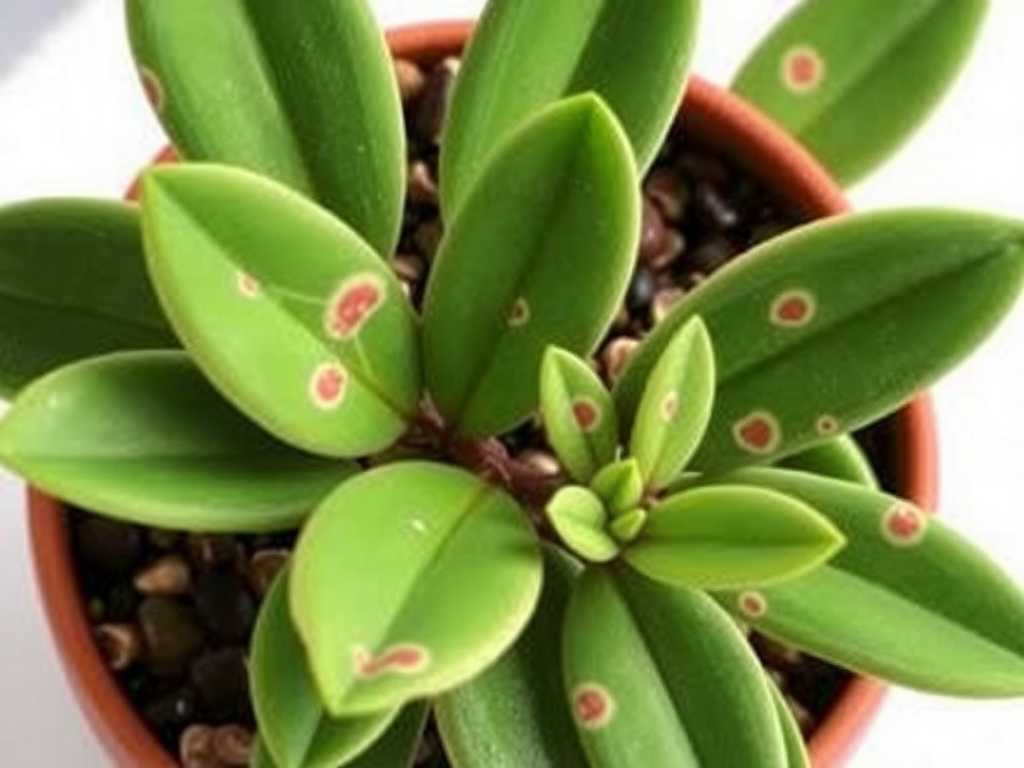
Overwatering: The Silent Root Killer
This was, without a doubt, the primary cause of brown spots on my jade plant. Jade plants are succulents, storing water in their thick leaves and stems. Their roots are not designed to sit in moist soil.
- What to Look For: The brown spots from overwatering often start as soft, mushy, dark brown or yellow patches, frequently on the lower leaves first. The spots may spread, and the leaf eventually drops. The soil will feel wet long after watering.
- My Mistake and The Fix: I was watering on a weekly schedule, not checking the soil. My fix began with an immediate cessation of watering. I gently removed the plant from its pot to inspect the roots—a classic sign of trouble was the presence of mushy, black roots (root rot). Using sterilized scissors, I pruned away all affected roots. I then repotted the plant into a fresh, dry, well-draining cactus/succulent mix and a pot with excellent drainage holes. I did not water it for a full week after repotting to allow the roots to heal.
The Two-Week Observation: The existing brown spots on some leaves dried out and became scab-like, but they did not spread to new growth. No new soft spots appeared. The plant’s overall firmness improved. This confirmed that the root cause was being addressed.
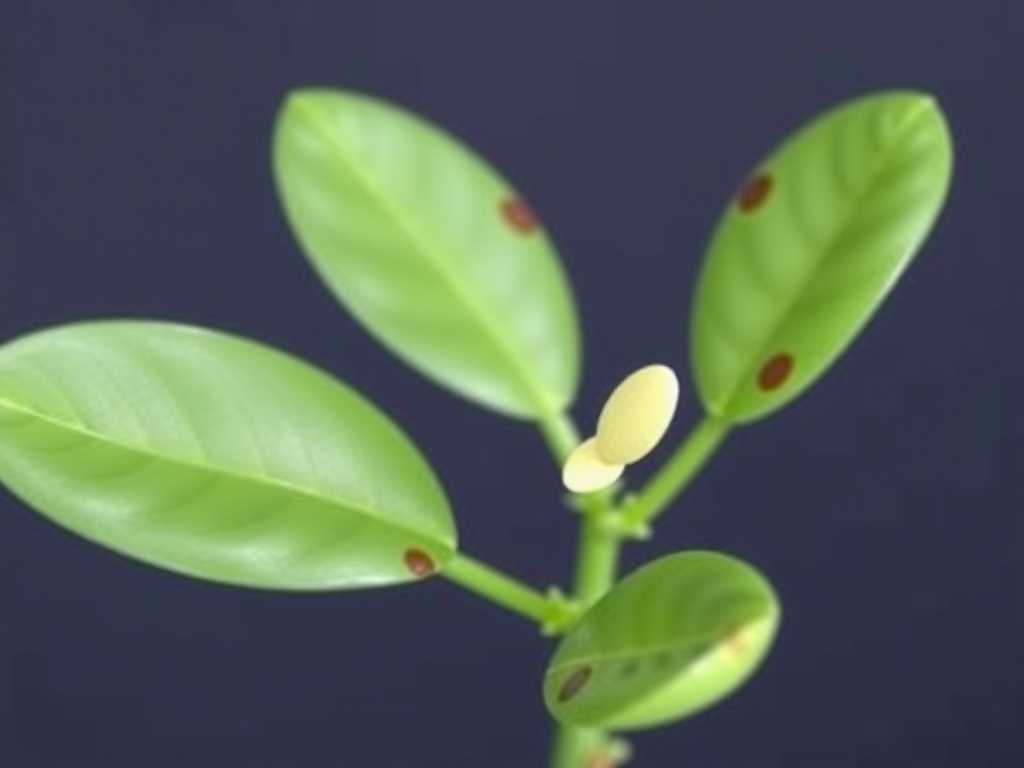
Underwatering and Heat Stress
While less common than overwatering, a severely thirsty jade plant can also signal distress through brown spots. This often combines with heat stress from too much direct, hot sun.
- What to Look For: These spots are typically dry, crispy, and light brown, often starting at the leaf edges or tips and sometimes in the center of leaves facing the sun. Leaves may also appear wrinkled or shriveled.
- My Mistake and The Fix: I had one jade on a south-facing windowsill during a heatwave, and I forgot to adjust my watering. The fix was a thorough, deep watering. I placed the pot in a sink and watered slowly until water ran freely from the drainage holes, ensuring the entire root ball was moistened. I also moved it a few feet away from the intense afternoon sun to a spot with bright, indirect light.
The Two-Week Observation: The crispy spots remained (damaged leaf tissue cannot heal), but their progression stopped immediately. New leaves emerged healthy and firm, and the older leaves plumped back up. The plant’s recovery was swift once its water needs were met.
Fungal or Bacterial Leaf Spot Disease
This was a trickier diagnosis. These are pathogens that thrive in the same conditions as overwatering: poor air circulation and wet foliage.
- What to Look For: Fungal spots often have a concentric ring pattern or a yellow halo around the brown spot. Bacterial spots may look water-soaked or oily. They can spread rapidly from leaf to leaf.
- My Mistake and The Fix: My mistake was misting my jade plant’s leaves, thinking it would help with humidity. This created the perfect damp environment for fungus. First, I isolated the plant. Then, I removed all severely affected leaves with sterilized tools. I improved air circulation around the plant with a small fan. For treatment, I used a copper fungicide spray, applying it lightly to all leaf surfaces as directed by the American Horticultural Society (AHS), which notes copper-based products can be effective for both fungal and bacterial issues in succulents.
The Two-Week Observation: This required patience. New spot formation ceased within 4-5 days of the first treatment. I applied a second spray a week later as a preventative measure. The existing spotted leaves were eventually shed by the plant as it pushed out clean, new growth.
Sunburn: A Shock to the System
Yes, even sun-loving jades can burn! This happens when a plant that’s been in lower light is suddenly moved into intense, direct sunlight without acclimatization.
- What to Look For: Sunburn appears as flat, scorched, beige or light brown patches exclusively on the sides of the leaves facing the light source. The spots are dry and do not spread like a disease.
- My Mistake and The Fix: I made this error after bringing a jade home from a nursery and immediately placing it on a blazing hot patio. The fix was simple but crucial: I moved it to a location with bright but filtered light (like behind a sheer curtain). I gradually increased its exposure to direct sun over 2-3 weeks.
The Two-Week Observation: The sunburn scars were permanent but contained. The plant stopped producing new spots the moment it was moved, and all subsequent new growth was perfectly adapted to the brighter light.
Pest Infestations (Scale & Mealybugs)
Sap-sucking pests like scale insects or mealybugs can cause localized damage that appears as yellowing or brown spots where they feed.
- What to Look For: Look closely for the pests themselves! Scale look like small, brown, bumpy shells stuck to stems and leaves. Mealybugs look like tiny bits of white cotton. The brown spots from their feeding are often accompanied by sticky honeydew residue.
- My Mistake and The Fix: I initially missed a small scale infestation on the underside of a leaf. Upon discovery, I physically removed every scale insect I could find using a cotton swab dipped in rubbing alcohol (isopropyl alcohol). For a larger infestation, I’ve successfully used insecticidal soap, spraying thoroughly every 7-10 days until the pests are gone.
The Two-Week Observation: After two thorough treatments with insecticidal soap, no new pests were visible. The existing brown spots from their feeding did not enlarge, and the plant resumed healthy growth.
Your Action Plan for Healthy Jade Leaves
- Diagnose First: Don’t just water or move the plant. Examine the spot texture, location, and check soil moisture and roots if needed.
- Isolate if Necessary: If you suspect disease or pests, isolate the plant to protect others.
- Correct the Environment: This is always step one—fix your watering habits, light exposure, and airflow.
- Prune with Care: Remove badly affected leaves with clean tools to help the plant focus energy and reduce pathogen load.
- Treat Specifically: Use fungicides for fungus, alcohol/soap for pests. Avoid broad-spectrum “cures.”
- Observe Patiently: Give any fix at least 1-2 weeks to show results. Plants recover on their own time.
Can a jade plant leaf with brown spots recover? No, the actual brown, damaged tissue on the leaf will not turn green again. It will remain as a scar. The goal of treatment is to stop the problem from progressing and ensure all new growth is healthy. You can prune the affected leaf for aesthetics if you wish.
Should I cut off the brown leaves on my jade plant? It is generally recommended to remove severely spotted or damaged leaves. This improves the plant’s appearance, reduces places for pests/diseases to hide, and allows the plant to redirect energy to healthy growth. Always use clean, sharp scissors or pruners.
What is the best soil mix to prevent brown spots on jade plants? A well-draining mix is non-negotiable. Use a commercial cactus & succulent potting mix. For even better drainage, I personally mix 2 parts of this with 1 part perlite or pumice. This ensures water flows through quickly, preventing the soggy conditions that lead to root rot and fungal issues.
Seeing your jade plant thrive with lush, unblemished leaves is entirely achievable. The journey requires moving from a reactive to a proactive care mindset. By understanding these five causes—overwatering, underwatering, disease, sunburn, and pests—you’re equipped to not only fix current problems but prevent future ones. My two-week experiments with each issue taught me that consistency and correct diagnosis are far more valuable than any quick fix. Pay close attention to your plant’s signals, adjust your care with the seasons, and your jade will reward you with years of robust, spot-free beauty.





