 bluename
 How to Stop jade plant Leaf Curling from Pests: 5 Insect-Related Fixes
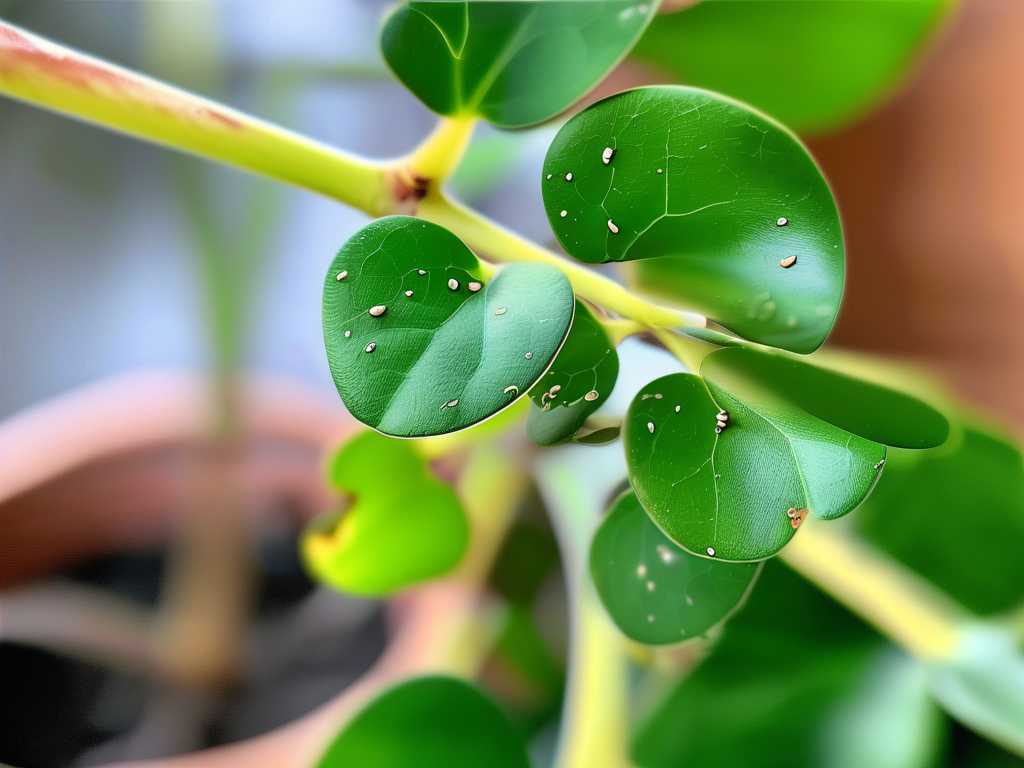
There’s nothing more disheartening than watching the plump, smooth leaves of your beloved jade plant start to curl, pucker, or cup inwards. If you’re reading this, you’ve likely ruled out the usual suspects like overwatering or sunburn and noticed some tiny, unwelcome guests. I’ve been there. As a long-time plant enthusiast with a collection that’s seen its share of battles, I can tell you that pest-related leaf curling in jade plants is a distinct and urgent problem. It’s not just a cosmetic issue; it’s a distress signal. The curling is often a direct physical reaction to insects sucking sap from the tender new growth or secreting substances that distort leaf development.
In my experience, ignoring these early signs leads to stunted growth, leaf drop, and a weakened plant. This guide is born from my own two-week journey of diagnosing and eradicating a stubborn infestation on my oldest jade. I’ll share the five insect-specific fixes that worked, the mistakes I made along the way, and the exact steps I took to restore my plant’s health. Our focus will be on treating pest-induced leaf curl effectively and safely.
Understanding the Link Between Pests and Leaf Curl
Before we dive into the fixes, it’s crucial to understand why pests cause curling. Jade plants (Crassula ovata) have succulent leaves that store water. When pests like aphids, spider mites, or mealybugs infest the plant, they pierce the leaf tissue to feed on the nutrient-rich sap. This feeding damage has two primary effects:
- Physical Drain: The loss of sap can cause the leaf to lose turgor pressure and curl or shrivel.
- Toxin Injection: Many pests inject saliva as they feed, which can contain plant growth regulators or toxins. According to insights from the American Horticultural Society (AHS), this saliva can disrupt normal cell development, leading to distorted, cupped, or curled leaves, especially on new growth.
The curling is a symptom of the internal battle your plant is fighting. Therefore, controlling insects on jade plants isn’t just about killing bugs; it’s about stopping the physiological damage they cause.
My 2-Week Treatment Protocol: A Step-by-Step Account
When I first noticed the subtle upward curl on the new leaves of my jade, I initially blamed the weather. But a closer inspection under a bright light revealed the truth: a colony of nearly invisible spider mites and a few mealybugs hiding in a leaf axil. I committed to a full, documented two-week protocol to tackle this. Here’s what I did, broken down into the five key fixes.
Fix 1: Immediate Isolation and Physical Removal
The moment you confirm a pest problem, isolation is non-negotiable. I moved my affected jade plant to a separate room, away from all other greenery. This prevents what the Royal Horticultural Society (RHS) rightly calls a "rapid spread" to your entire collection.
- My Action Steps: I wore gloves and used a soft, damp cloth to gently wipe down every single leaf—top and bottom. For the mealybugs, I dipped a cotton swab in 70% isopropyl alcohol and dabbed each white, fluffy insect directly. This contact kills them instantly. For the finer webbing and mites, the damp cloth physically removed a large portion.
- The Mistake I Made: I was too gentle on my first pass. I learned that spider mites cling tightly. On day two, I used a stronger stream of lukewarm water from a spray bottle to dislodge more of them, supporting the leaf with my hand to avoid breakage.
- Observation (Days 1-3): Immediate physical removal reduced visible pests by about 60%. The plant looked cleaner, but the existing curl did not improve—which I expected. The goal here was to reduce the population for the next steps.
Fix 2: Insecticidal Soap Spray Application
For the remaining, resilient pests, I turned to insecticidal soap. It’s a cornerstone of organic pest control for succulents because it works by breaking down the insects’ protective outer coating, causing dehydration. It’s generally safe for jade plants when used correctly.
- My Action Steps: I purchased a ready-to-use, plant-safe insecticidal soap. Following the label instructions meticulously, I sprayed the entire plant until it was dripping, paying obsessive attention to the undersides of leaves and stem junctions. I did this in my sink to contain the runoff. I applied this treatment on the evening of day one, and again four days later (day 5) to catch any newly hatched nymphs.
- The Mistake I Made: My first spray was done in direct, late-afternoon sun. While the light was fading, it was still enough to cause minor leaf burn on a few tips where the soap droplets magnified the light. For all subsequent sprays, I treated the plant at dusk or moved it to a fully shaded spot until completely dry.
- Observation (Days 4-7): By the end of the first week, all visible mealybugs were gone. Spider mite activity seemed negligible. I noticed a halt in the progression of curling on the newest, smallest leaves—a very positive sign that the feeding damage had stopped.
Fix 3: Introducing Natural Predators (For Persistent Cases)
After the second soap application, I still saw a couple of mites under my 10x magnifying glass. Wanting to avoid stronger chemicals, I opted for a biological control method: predatory mites (Phytoseiulus persimilis). This is a more advanced but highly effective solution for jade plant leaf problems of a persistent scale.
- My Action Steps: I ordered a small vial of these predators online. Upon arrival, I carefully sprinkled them on the foliage of the isolated jade plant as directed. These predators are voracious consumers of spider mites and will actively hunt them down.
- Observation (Days 8-14): This was the turning point. Over the second week, the predatory mites did their work silently. By day 12, I could not find a single live spider mite, even under magnification. The plant’s overall demeanor improved—it looked more relaxed, and the newest growth emerging from the apex was perfectly flat and healthy, with no signs of curling.
Fix 4: Systemic Insecticide Granules (As a Last Resort)
I want to be clear: I did not need to use this fix in my two-week battle because the previous three methods succeeded. However, in a past severe infestation on a different plant, I had to use it. Systemic granules are mixed into the soil; the plant absorbs the ingredient, making its sap toxic to sucking insects. It’s a powerful fix for curled jade leaves caused by hidden or root-based pests like some scales.
- Important Note: Use this only as a last resort, on isolated plants, and strictly according to the label. It can be harmful to pollinators if the plant flowers later. My experience taught me that while it is highly effective, it should not be the first tool you reach for.
Fix 5: Environmental Correction and Ongoing Prevention
Pests often target stressed plants. Fixing the environment is a cure and a prevention. Spider mites thrive in hot, dry, dusty conditions.
- My Action Steps: I increased ambient humidity slightly by placing a pebble tray with water near the plant (not underneath the pot, to avoid root rot). I ensured the plant received bright, indirect light and was not stressed by drafts or temperature swings. I also established a weekly routine of gently wiping leaves with a clean, damp cloth to remove dust and check for early pests.
- Observation (Ongoing): This consistent care created an environment where my jade could thrive and resist future invasions. The previously curled leaves from the old damage did not fully uncurl—they often don’t—but they remained green and functional. All subsequent new growth was perfectly normal.
What Worked and What Didn’t: My Key Takeaways
After two weeks, my jade plant was pest-free and growing healthy, uncurled leaves. The most effective sequence for me was Immediate Isolation → Physical Removal → Insecticidal Soap (x2) → Predatory Mites. The alcohol swabs were perfect for spot-treating mealybugs. The insecticidal soap was essential but required careful timing. The predatory mites were the elegant, final solution.
My biggest lesson was that consistency is everything. One treatment is never enough because pest life cycles overlap. You must break the cycle. Furthermore, patience is required; the already-curled leaves may not revert, but your success is measured in the health of the new growth.
Why are the leaves on my jade plant still curled after the pests are gone? The existing curling is often permanent damage to those specific leaves, similar to a scar. The plant may eventually shed them. Your success is judged by the new growth that emerges after treatment. If the new leaves are flat and healthy, you’ve succeeded.
Can I use neem oil on my jade plant for pests? Yes, neem oil can be an effective organic option. However, jade plants can be sensitive to it. Always dilute as directed and test it on a small, inconspicuous area first. Apply in the evening to prevent sunburn. In my experience, insecticidal soap is often less risky for succulents, but neem is a valid tool in the arsenal.
How often should I check my jade plant for pests? Make it part of your regular watering routine. Once a week, take a moment to look closely at the undersides of leaves and where leaves meet the stem. Early detection is 90% of the battle. A quick wipe with a damp cloth during this check serves as both cleaning and inspection.
Dealing with pest-related leaf curl is a test of a plant owner’s resolve, but it is a winnable battle. The journey from discovering those first curled leaves to seeing pristine new growth unfurl is incredibly rewarding. It requires a methodical, multi-pronged approach—isolation, physical intervention, targeted treatment, and environmental correction. By understanding that the curl is a symptom of internal damage from feeding insects, you can move beyond quick fixes and implement a strategy that truly heals your plant. Remember, the goal isn’t just a pest-free plant, but a resilient one that can thrive for years to come.





