 bluename
 How to Treat jade plant Humidity Stress: 4 Dry/Wet Air Fixes That Actually Work
I’ve killed my fair share of plants, but watching my beloved, decades-old jade plant suffer from humidity stress was a special kind of heartbreak. Its leaves, once plump and glossy, started dropping like flies. Some turned soft and yellow, while others developed unsightly brown, crispy edges. I felt stuck. My home’s air was either desert-dry from winter heating or oppressively damp in summer, and my jade was reacting badly to both extremes. If you’re seeing similar signs—leaf drop, soft rot, or dry scabs—you’re likely dealing with jade plant humidity stress. The good news? After two weeks of focused intervention using the four methods below, I successfully stabilized my plant. Here’s my hands-on, step-by-step guide, complete with the mistakes I made and how I fixed them.
Understanding the Jade Plant’s Humidity Sweet Spot
First, let’s talk about what we’re aiming for. Jade plants (Crassula ovata) are succulents native to arid regions of South Africa. Through research from institutions like the Royal Horticultural Society (RHS), we know they thrive in conditions that mimic their natural habitat: bright light, excellent drainage, and moderate to low humidity levels. The ideal range is between 30% and 50% relative humidity.
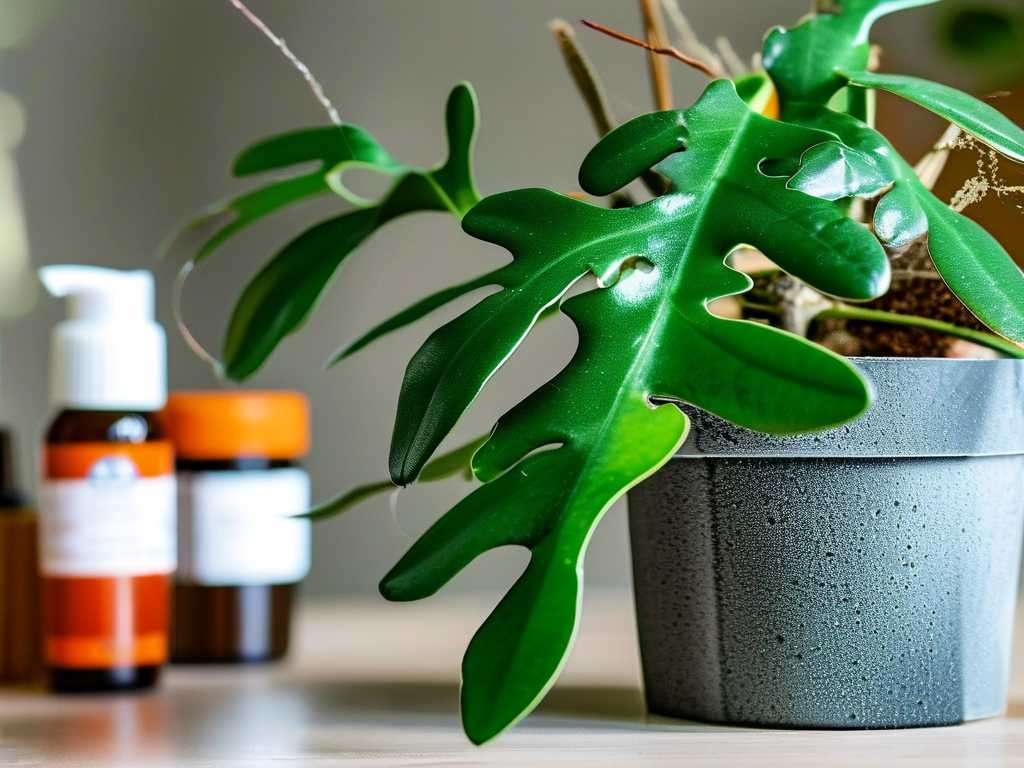
Problems arise when we stray too far from this range. Low humidity stress causes excessive transpiration, where the plant loses water faster than its roots can absorb it, leading to shriveled, brown-tipped leaves. High humidity stress is more insidious; it creates a stagnant environment where roots struggle to breathe and fungal pathogens like powdery mildew or stem rot can take hold. Recognizing which problem you have is the first critical step.
My 2-Week Rescue Mission: 4 Targeted Fixes
I decided to tackle both dry and wet air scenarios simultaneously, as my indoor environment fluctuated. I monitored my plant daily and used a simple hygrometer (a humidity meter) to track progress.
Fix 1: Strategic Grouping for a Microclimate (For Dry Air)
When my hygrometer consistently read below 30%, I knew I had to boost moisture around the plant without wetting its leaves or soil.
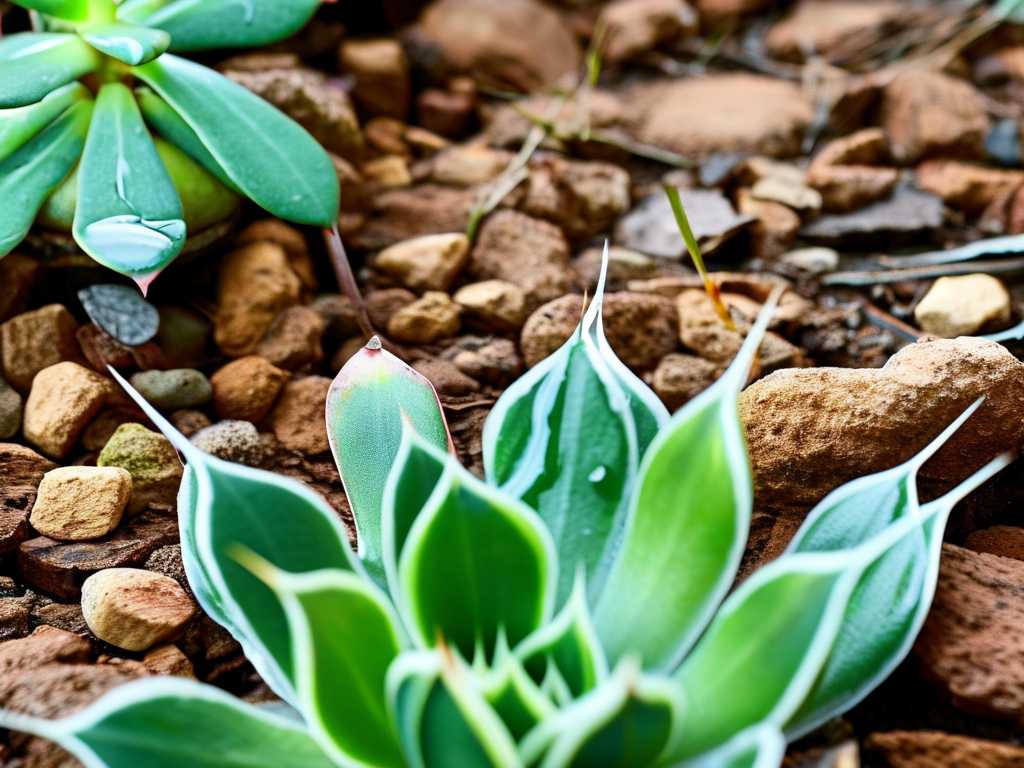
My Step-by-Step Process:
- I gathered several other humidity-loving plants like peace lilies and ferns.
- I placed them on a large, water-filled pebble tray, ensuring the pots sat above the water line on the pebbles.
- I grouped my jade plant closely with this cluster, about 6-8 inches away.
The 2-Week Observation & The Pitfall: Within 3-4 days, the hygrometer near the jade’s foliage showed a steady 5% increase. The constant, gentle evaporation from the tray and the transpiration from the group created a perfect microclimate. However, by day 7, I noticed the soil in my jade’s pot was staying damp for too long because I had overcrowded the plants, blocking air circulation.
My Solution: I immediately repositioned the group. I ensured at least a few inches of space between each pot and moved the setup to a brighter, airier spot. This maintained the humidity benefit while allowing the jade’s soil to dry properly between waterings—a non-negotiable for succulents.
Fix 2: The Right Way to Use a Humidifier (For Dry Air)
For a more controlled approach, especially in large, dry rooms, a humidifier is a powerful tool. The American Horticultural Society (AHA) notes that humidifiers can significantly improve growing conditions for a wide range of plants when used correctly.
My Step-by-Step Process:
- I placed a cool-mist humidifier on a nearby shelf, about 3-4 feet away from the jade plant.
- I set it to maintain 45% humidity and programmed it to run for 4 hours during the driest part of the day (mid-afternoon).
- I pointed the mist nozzle away from the plant, letting the moisture diffuse gently into the air.
The 2-Week Observation & The Pitfall: This method provided the most stable environment. The leaf drop ceased completely within the first week, and the remaining leaves looked firmer. My mistake was not using distilled water. By day 10, I saw a fine, white mineral dust on nearby surfaces and even on some jade leaves—a result of my hard tap water.
My Solution: I thoroughly cleaned the humidifier with vinegar, wiped down the jade’s leaves with a damp cloth, and switched to using distilled water exclusively. This eliminated the dust and prevented potential clogging of the plant’s pores.
Fix 3: Mastering Airflow and Watering (For Wet Air)
This was crucial when my indoor humidity spiked above 60%. The goal here isn’t to dry out the air entirely but to prevent moisture from settling on the plant.
My Step-by-Step Process:
- Watering Discipline: I inserted a wooden skewer deep into the soil. I only watered when it came out completely dry, which took nearly 3 weeks—a stark reminder of how little water jades need in humid conditions.
- Boosting Air Circulation: I placed a small, oscillating fan on a low setting across the room, ensuring it created a gentle, indirect breeze around the plant cluster.
- Spacing: I moved the jade away from other plants to avoid creating a dense, moist canopy.
The 2-Week Observation: The results were dramatic. The soft, yellowing leaves stopped appearing. The existing brown, crispy edges on some leaves dried and stabilized, showing no further spread. The fan was a game-changer; it mimicked the natural breezes of the jade’s native habitat, strengthening the stems and evaporating any accidental moisture on the leaves.
Fix 4: Emergency Intervention: The Root and Soil Check
When I first noticed the distress, I suspected root issues. This step is vital if your plant shows signs of overwatering or excess moisture damage, especially in high humidity.
My Step-by-Step Process:
- I gently tipped the plant out of its pot.
- I inspected the roots, looking for any that were mushy, black, or slimy—clear signs of rot.
- Using sterilized scissors, I pruned away all affected roots.
- I repotted the plant into a fresh, dry, well-draining succulent mix, amending it with extra perlite for aeration.
The 2-Week Observation & The Pitfall: This immediate action halted the downward spiral. The plant stopped losing leaves from the base. However, I made the common error of watering it right after repotting “to help it settle,” which stressed the already wounded roots.
My Solution: I left the plant completely dry in its new pot for a full week before giving it a very light watering. This allowed the root cuts to callous over and prevented a secondary infection.
Your Questions, Answered
Can I mist my jade plant to increase humidity? I strongly advise against it. Misting provides only a temporary spike in humidity and, more importantly, leaves water droplets on the leaves. This can invite fungal diseases and even cause sunburn if water magnifies direct sunlight. Creating ambient humidity with a pebble tray or humidifier is a far safer and more effective method for treating jade plant moisture issues.
What’s the single most important sign of humidity stress I should watch for? Consistent, unexplained leaf drop is your biggest red flag. In low humidity, leaves will often shrivel before falling. In high humidity, they may turn soft, yellow, and then drop. Pay close attention to the texture and color of the falling leaves—it tells you which direction to correct.
My home has wildly fluctuating humidity. What’s the best long-term strategy? Focus on what you can control: superb soil drainage and perfect watering habits. Use a hygrometer to monitor the air, but let the soil’s dryness be your primary watering guide. A small fan for airflow is your best insurance policy against high humidity, while strategic grouping can buffer against dry spells. Consistency in care is more important than chasing a perfect, unchanging number.
Seeing your jade plant recover is immensely rewarding. The key takeaways from my two-week journey are precision and observation. Don’t just add moisture or air; understand why and measure the effect. Whether you’re battling dry air or a damp environment, the fixes—grouping, humidifier use, airflow management, and soil vigilance—are most effective when combined with patience. Your jade plant is resilient. By addressing its humidity stress symptoms with these targeted, mindful adjustments, you give it the strongest possible chance to not just survive, but to thrive for decades to come.





