 bluename
 How to Treat jade plant Heat Stress: 4 Hot-Weather Recovery Hacks
I’ll never forget the sinking feeling I got last summer when I walked over to my favorite, decades-old jade plant. Its normally plump, vibrant green leaves looked thin and wrinkled, some tinged with an alarming red or brown. A few had even dropped to the floor. I panicked, thinking it was a disease or root rot. After some frantic research and talking to fellow enthusiasts, I realized the culprit was simpler but just as dangerous: severe jade plant heat stress. My sunny windowsill had turned into an oven during the heatwave, and my resilient succulent was crying out for help.
If you’re seeing similar signs—leaf drop, soft or wrinkled leaves, discoloration—don’t despair. Your jade plant isn’t necessarily dying; it’s stressed. Over two weeks of careful intervention, I nursed mine back to health. Here are the four recovery hacks I used, the mistakes I made along the way, and exactly what you can do to save your plant.
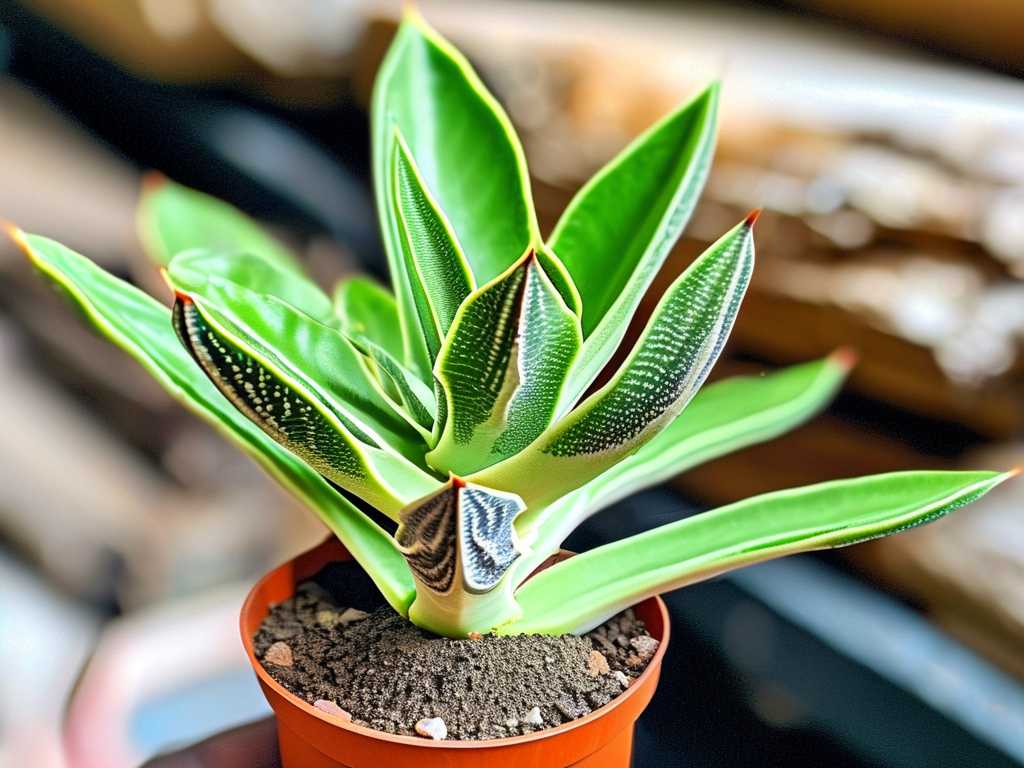
Understanding the Signs: Is It Really Heat Stress?
Before you act, confirm the diagnosis. Jade plant heat stress symptoms can mimic overwatering, but the context is key. Was your plant in direct, scorching sun during a hot spell? Heat stress often comes with sunburn—crispy, brown patches on the leaves most exposed to light. The leaves may feel unusually warm to the touch. The Royal Horticultural Society (RHS) notes that while succulents like jade plants love light, sudden exposure to intense summer sun can overwhelm them, causing cellular damage. My plant showed the classic combo: wrinkled leaves from excessive transpiration (water loss) and red edges, which is a sign of pigment change due to sun exposure, not always a bad thing in moderation but severe here.
Hack #1: The Immediate Cool-Down and Relocation
The first step is damage control. You must remove the source of stress.
- My Action: I immediately moved my jade plant from its south-facing windowsill to a spot about 5 feet back into the same room, where it received bright but indirect light for most of the day. A north-facing room or a spot shielded by a sheer curtain would also work.
- The Mistake I Made: My initial move was too drastic. I put it in a dim corner, and within days, I noticed etiolation—slight stretching—starting. I corrected this by finding a bright, airy spot without the punishing direct rays.
- The 2-Week Observation: Within 3-4 days, the leaf drop completely stopped. This was the first sign of recovery. The leaves still looked wrinkled, but they no longer felt hot or looked like they were actively deteriorating.
Hack #2: The Strategic Hydration Protocol
This is where most people, including me, get tripped up. A thirsty, heat-stressed plant doesn’t need a flood.
- My Action & The Critical Lesson: The soil was bone dry. Instead of my usual deep soak, I gave it a moderate watering—enough to moisten the root zone but not drench it. I used room-temperature water, as ice-cold water can shock the roots. The key, emphasized by experts at the American Horticultural Society (AHS), is to water deeply but infrequently, and only when the soil is completely dry. For a stressed plant, the goal is rehydration without triggering root rot in its weakened state.
- My Process: I watered it once, then waited a full 7-10 days, letting the soil dry out completely again, before the next watering. I resisted the urge to water more frequently.
- The 2-Week Observation: After the second strategic watering at the 10-day mark, I finally saw improvement. The wrinkled leaves began to plump up, slowly regaining their firmness. This confirmed the issue was dehydration from heat, not root rot (where leaves stay mushy and don’t recover with water).
Hack #3: Boosting Humidity Without Encouraging Rot
Succulents don’t need tropical humidity, but extremely dry, hot air pulls moisture from leaves faster than the roots can replenish it.
- My Safe Method: I did not mist the leaves. Wet leaves under sun or in poor airflow can invite fungal disease. Instead, I placed a shallow tray filled with water and pebbles near the plant cluster. As the water evaporated, it created a gentle, localized humidity boost. I also grouped it slightly closer to other healthy plants, which creates a beneficial microclimate through collective transpiration.
- The 2-Week Observation: The leaves on the side facing the humidity tray seemed to recover their texture slightly faster. The overall plant looked less “crispy” around the edges. This subtle hack supported the primary recovery driven by correct light and water.
Hack #4: Pruning for Recovery and Future Health
Damaged leaves won’t repair themselves. Pruning redirects the plant’s energy to new growth.
- My Step-by-Step: I waited a full week after starting the other recovery steps. Using sterilized, sharp pruning shears, I carefully removed only the most severely damaged leaves—those that were more than 50% brown, shriveled, or mushy. I did not remove leaves that were merely wrinkled or slightly reddened, as these could recover.
- The Mistake I Avoided: I did not perform a heavy, dramatic prune. Removing too much foliage at once would have shocked the plant further. The goal is conservative removal of true casualties.
- The 2-Week Observation: By the end of the second week, the plant’s silhouette was cleaner. More importantly, I spotted tiny, bright green new growth buds at the stem nodes near the pruning points. This was the ultimate sign of successful recovery—the plant was investing in the future again.
Preventing Future Heat Stress Episodes
Recovery is great, but prevention is better. Now, I’m proactive.
- I use a sheer curtain as a sunscreen during peak summer months.
- I rotate the plant regularly for even light exposure.
- I monitor temperatures near the window with a simple thermometer and am ready to move the plant if a heatwave is forecast.
Will the sunburned leaves on my jade plant turn green again? No, unfortunately. Sunburn causes permanent cellular damage. The brown, crispy patches will not revert to green. The plant will eventually shed these leaves or you can prune them for aesthetics once it’s healthy. The good news is that new growth will be the normal, healthy green if the plant is in appropriate light.
How often should I water my jade plant in extreme heat? Do not water on a schedule. The frequency depends on pot size, soil, and airflow. The only reliable method is to check the soil. Insert your finger or a chopstick 2 inches deep. Water only when it is completely dry. In a heatwave, this might be more frequent, but always let the soil be your guide, not the calendar.
Can I put my heat-stressed jade plant outside to recover? This is generally a bad idea. An already stressed plant is vulnerable. Outdoor conditions (wind, pests, fluctuating temperatures) add more variables. Recovery is best done in a stable, controlled indoor environment with bright, indirect light. Once fully recovered, you can gradually acclimate it to outdoor sun over several weeks.
Seeing your jade plant suffer in the heat is worrying, but these resilient succulents have a powerful will to live. The recovery process requires patience and a shift from reactive panic to strategic care. By focusing on immediate relocation, thoughtful watering, supportive humidity, and careful pruning, you give your plant the tools to heal itself. My own plant, now months past that stressful period, is fuller and pushing out new growth vigorously. It served as a powerful reminder that sometimes, the best help we can give is to simply correct the environment and then step back and let nature do its work.





