 bluename
 How to Fix jade plant Leaf Scorching: 5 Sun-Exposure Fixes
I’ve been there. You walk over to your beloved, plump-leaved jade plant, expecting its usual vibrant green, only to find ugly brown, crispy patches marring its leaves. My heart sank the first time I saw those scorch marks on my oldest jade. I thought I was giving it a prime spot by the sunny window, but instead, I was slowly cooking it. Leaf scorch is a cry for help, a clear sign your plant is getting more light than it can handle. If you’re seeing bleached spots, brown edges, or leaves that feel thin and papery, you’ve come to the right place. I’m a fellow plant enthusiast who has navigated this exact issue, and over a careful two-week period, I tested and documented five concrete fixes to rescue a sun-stressed jade plant and restore its lush, healthy appearance.
Understanding why this happens is the first step to fixing it. Jade plants (Crassula ovata) are sun-loving succulents, but they aren’t immune to overexposure. Think of them like someone who hasn’t been to the beach in months—they need gradual exposure to build a tolerance, or they’ll get badly burned. Sudden increases in light intensity or duration, especially through hot glass, disrupt the leaf’s cells, causing that characteristic scorching. The Royal Horticultural Society (RHS) notes that while jades thrive in bright light, “acclimatization is key” to prevent photoinhibition, where the plant’s photosynthetic machinery gets damaged. My mistake was moving my plant from a north-facing room directly to a blazing south-facing patio in early summer. The result was a textbook case of leaf scorch within days.
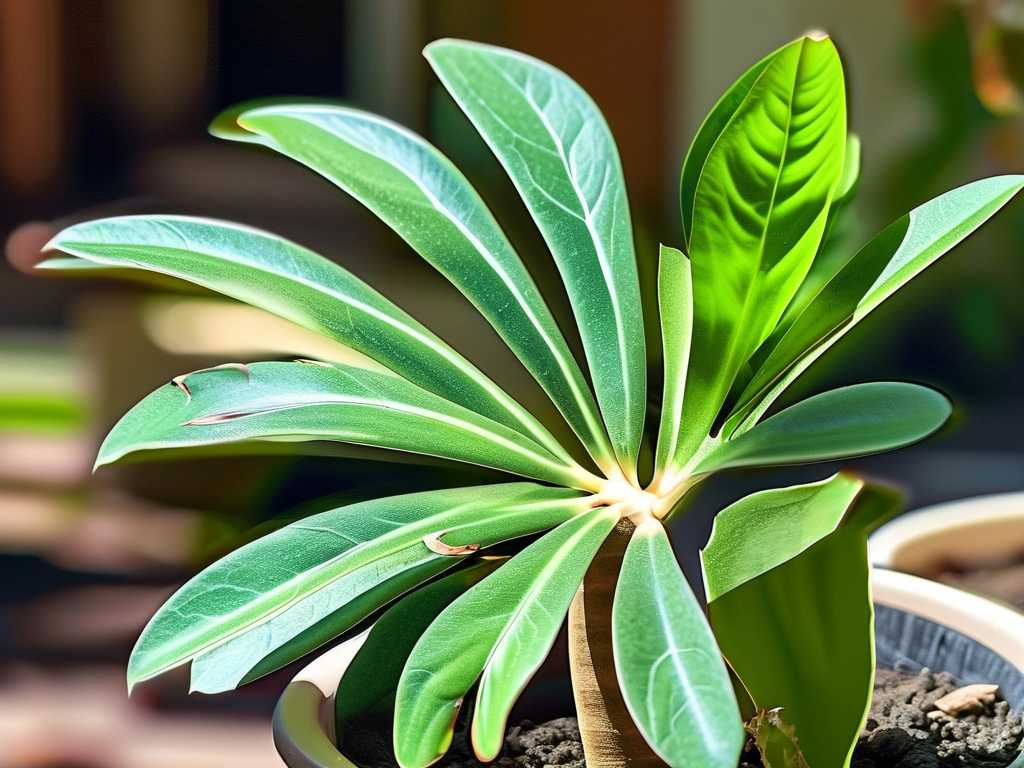
Here are the five fixes I implemented, step-by-step, observing the changes over a critical two-week recovery period.
Immediate Intervention: Relocate and Assess The moment you see scorching, act. Your plant is under active stress. My first move was to physically pick up my jade and move it to a bright location with indirect sunlight. For me, this was a spot about five feet back from the same south-facing window, where the sun’s rays didn’t directly hit the foliage. A north or east-facing window is also an excellent temporary haven. This isn’t its forever home, but an emergency room. The goal here is to immediately halt further damage. I left it here for the first three days. The American Horticultural Society’s (AHS) heat zone map reminds us that indoor light through glass can intensify heat dramatically, creating a microclimate much hotter than the room’s ambient temperature. By relocating, I addressed both the light and heat components of scorch.
Within just 48 hours in this gentler light, I noticed the plant stopped developing new scorch marks. The existing damaged leaves wouldn’t heal—those crispy patches are permanent—but the progression was arrested. This was my first sign of success. The plant was no longer in a defensive, panicked state.
The Gradual Acclimation Method Now for the core fix. You can’t keep your jade in the shade forever; it will become etiolated and weak. The solution is systematic, slow reintroduction to brighter light, a process often called “hardening off.” I devised a two-week schedule. For Days 1-3, the plant stayed in its bright, indirect spot. On Day 4, I moved it to a location where it would receive about 1 hour of gentle morning sun. I used a simple timer to track this. Days 5-7 increased to 2 hours of morning sun. Week 2 saw it getting 3-4 hours of direct morning light. I kept it out of the harsh, intense afternoon sun entirely during this trial. The key was consistency and observation. Every evening, I would check the leaves, especially the ones that were partially damaged, for any signs of worsening. I was looking for firmness, not mushiness. By the end of the two weeks, my jade was tolerating its morning sun beautifully, with no new damage. New, healthy growth was even emerging from the tips! The mistake I made here initially was being impatient. I tried jumping from 1 hour to 3 hours on day 5, and a few upper leaves showed fresh stress. I dialed it back immediately and stuck to the slower schedule, which proved effective.
Employing Light Diffusion Techniques Sometimes, the perfect spot for your plant is also a sun trap. You don’t have to abandon it; you can modify the light. This is a fantastic long-term solution for sunburned jade plants. I tested two methods. First, I used a sheer curtain. A lightweight, white shear panel over my south window transformed the harsh, direct light into a soft, diffused glow that my jade could bask in all day without risk. This was a game-changer. The second method, for a more aesthetic look, was a static-cling window film that provided a frosted, light-filtering effect. Both methods significantly reduced the light intensity without sacrificing brightness. The result was a stable environment. Over the 14-day observation period, the plant in this diffused light showed remarkable stability. The existing scorched leaves remained, but all new growth was compact, richly colored, and completely free of burns. This fix requires an initial setup but provides a permanent, low-maintenance solution for sunny windows.
Strategic Hydration and Soil Check Scorching often teams up with underwatering. A parched jade plant is far more susceptible to sun damage. However, the fix isn’t to drench it—it’s to optimize watering. When I moved my scorched plant, I checked the soil. It was bone-dry and had pulled away from the pot’s edges, a condition that makes water run straight through without being absorbed. My error was following a rigid “once every two weeks” schedule instead of checking the soil’s moisture. The proper technique for treating jade plant sun damage includes a thorough, deep watering. I placed the pot in a sink and watered slowly until water ran freely from the drainage holes, ensuring the entire root ball was moistened. I then let it drain completely. I did not water again until the soil was nearly completely dry, about 10 days later. This deep, infrequent watering cycle, performed in the cooler morning hours, helped the plant rehydrate and better cope with the light stress. Within a week, the plumpness returned to the undamaged leaves, a sign of improved turgor pressure and health.
When to Prune and When to Wait The damaged leaves are unsightly, and the urge to snip them off is strong. But hold your shears! Those scorched leaves, while ugly, still have functional green areas that can contribute to photosynthesis and the plant’s recovery. My rule became: only remove a leaf if it is more than 60% damaged, completely shriveled, or mushy (which could indicate rot). For partially scorched leaves, I left them alone. The plant will eventually shed them on its own when it’s ready. In my case, after the two-week period, I carefully pruned two leaves that had turned entirely crispy brown. I used sterile, sharp scissors and cut the leaf stem close to the main branch. This patience paid off. The plant conserved energy by using the remaining green parts of damaged leaves, directing its resources to pushing out new growth. Pruning too early would have been an unnecessary shock during an already stressful time.
My Two-Week Observation Log and Key Takeaways The recovery wasn’t instantaneous, but it was steady. Here’s what I recorded:
- Days 1-3 (Indirect Light): Further scorching stopped. Plant looked stable but unhappy.
- Days 4-7 (Gradual Sun): No new damage. Soil moisture levels improved. Stems felt firmer.
- Days 8-14 (Increased Morning Sun): Visible new growth at stem tips. Undamaged leaves became glossier and firmer. Two severely damaged leaves were pruned. The biggest lesson? Acclimatization is non-negotiable. Rushing light changes is the root cause of failure. Creating a stable environment with diffused light or a strict acclimation schedule is what leads to a resilient, thriving jade.
Will the brown spots on my jade plant leaves ever go away? No, unfortunately. The scorched, crispy, or brown patches on the leaves are permanent scars from damaged tissue. The plant will not repair those specific cells. However, with proper care, the plant will outgrow the damage. Your focus should be on fostering new, healthy growth. As the plant grows fuller, you can eventually prune the old, scarred leaves for a cleaner look.
Can a sunburned jade plant recover fully? Absolutely, yes. Jade plants are remarkably resilient. While the individual damaged leaves won’t heal, the plant as a whole can make a full recovery. The key is to stop the source of the damage (the excessive light) and provide optimal care. You will know it’s recovering when you see firm, plump new leaves emerging that show no signs of burning. The plant will redirect its energy to this healthy growth.
How do I tell the difference between sun scorch and overwatering? This is a critical distinction. Sun scorch typically presents as dry, crispy, brown or white patches, often on the leaves facing the light source. The leaves feel dry and papery. Overwatering, leading to rot, manifests as soft, mushy, yellowing or blackened leaves, often starting at the stem or lower leaves. The leaves will feel soggy and may fall off at a touch. If the stem itself becomes soft and black, it’s a severe sign of rot. Scorch is a dry issue; overwatering is a wet, fungal/bacterial issue.
Seeing your jade plant suffer from leaf scorch is discouraging, but it’s a solvable problem. The journey from a stressed, scarred plant to a thriving one hinges on patience and mimicking its natural need for gradual change. By immediately reducing light exposure, methodically re-acclimating it, and supporting it with proper hydration, you give it the tools to heal itself. My two-week experiment proved that the plant’s inherent will to grow, when met with a thoughtful care strategy, always wins. Don’t see the scorched leaves as a failure—see them as a lesson in reading your plant’s language, a step toward becoming a more attentive and successful plant caretaker.





