 bluename
 How to Stop jade plant Leaf Yellowing: 7 Underlying Causes + Fixes
There’s nothing more disheartening for a plant lover than watching a trusted, long-term companion start to struggle. For years, my jade plant was a pillar of resilience, its plump, green leaves a symbol of steady growth. Then, the yellowing began. A leaf here, a patch there, until a quiet panic set in. I knew I had to act, but the internet offered a dizzying array of potential culprits. Through two weeks of focused detective work, careful adjustments, and yes, a few missteps, I didn’t just stop the yellowing—I learned to speak my jade’s language. If you’re facing the same worry, let me guide you through the seven real causes and the practical fixes that truly work.
Understanding Your Jade’s Language
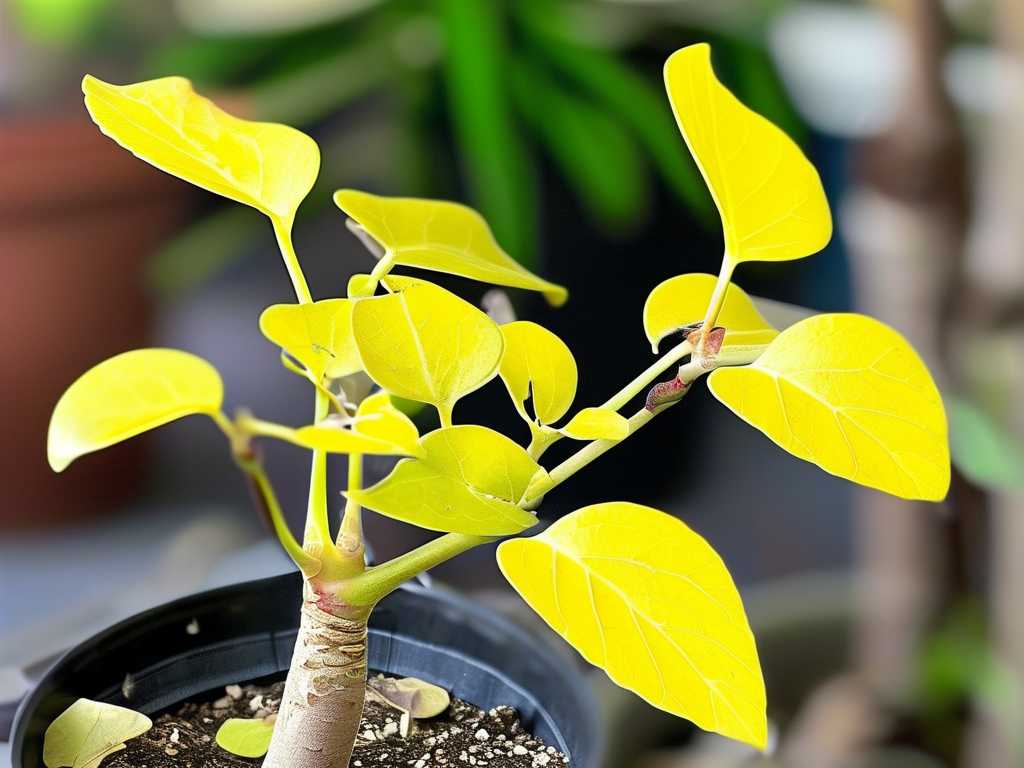
First, a crucial mindset shift: yellow leaves are a symptom, not the disease itself. They’re your plant’s only way of signaling distress. The American Horticultural Society emphasizes that accurate diagnosis is the first and most critical step in plant care, as treating the wrong problem can often do more harm than good. My journey taught me to look beyond the yellow and observe everything—soil, roots, light, and the pattern of the discoloration itself.
Cause 1: The Silent Killer – Overwatering
This is, by far, the most common offender. Jade plants are succulents, storing water in their leaves and stems. Their roots are not adapted to constant moisture.
- The Evidence: The yellowing often starts with the older, lower leaves. They may turn a pale, uniform yellow and feel soft, mushy, or translucent. The stem near the soil might feel soft. In my case, I was following a “weekly watering” schedule blindly, ignoring that my plant’s soil wasn’t drying out in our humid bathroom.
- The Fix – My 2-Week Rescue Protocol:
- Stop Watering Immediately. This was step one. I resisted the urge to give it “a little drink” for over 10 days.
- Check the Roots. Gently lifting the plant, I found the soil was soggy an inch down. I tipped the pot and saw dark, slimy roots—clear root rot. Here’s where I made my first mistake: I initially just let it dry out in the pot. The rot continued to spread.
- The Surgical Repot. A week in, I realized my error. I took the plant out, gently washed the roots, and sterilized scissors to cut away every soft, brown root. I repotted it into a fresh, dry, well-draining cactus/succulent mix, adding extra perlite for aeration. The pot had a large drainage hole.
- The New Watering Rule: I adopted the “soak and dry” method. I waited until the soil was completely dry throughout the pot (I used a moisture meter and the finger test) and the leaves had a slight give when gently squeezed. Only then did I water thoroughly until it ran out the bottom. I then emptied the saucer.
- The Result: After two weeks, the progression of yellowing on new leaves halted completely. The plant looked stable, though the already-yellowed leaves dropped off—a normal part of recovery.
Cause 2: Thirsty Roots in Disguise – Underwatering
While less common, chronic underwatering can also cause yellowing, but it presents differently.
- The Evidence: Leaves turn yellow, then dry, crispy, and brown, often starting at the edges and tips before falling. The leaves will look shriveled and thin. The soil will be bone-dry and may pull away from the pot’s edges.
- The Fix: The remedy is simple: a deep, thorough watering. Place the pot in a sink and water slowly until the soil is saturated and water flows freely from the drainage hole. You may need to water a few times to rehydrate the soil fully. Then, return to the “soak and dry” cycle. My observation was that a severely underwatered jade recovers leaf plumpness within a few days, but the severely damaged yellow/brown leaves will not re-green.
Cause 3: Hungry for Nutrients – Fertilizer Issues
Jade plants are light feeders, but they still need food. Both deficiency and excess can cause problems.
- The Evidence (Deficiency): General, all-over yellowing, especially on new growth, while veins may remain somewhat green. Stunted growth is another sign.
- The Evidence (Excess/Burn): Yellowing or browning leaf tips and margins, sometimes with a crusty white buildup on the soil surface or pot rim.
- The Fix: I use a balanced, water-soluble fertilizer diluted to half the recommended strength. I apply it only during the active growing season (spring and summer), and no more than once a month. I never fertilize a stressed, dry, or recently repotted plant. For a plant suffering from burn, I flushed the soil with several rounds of plain water to leach out excess salts.
Cause 4: Cramped Quarters – Pot-Bound Roots
A root-bound plant has nowhere to grow, and the compacted root mass can’t take up water or nutrients effectively.
- The Evidence: Yellowing leaves, slowed growth, and roots visibly circling the surface of the soil or growing out of the drainage hole. Water may also run straight through the pot without being absorbed.
- The Fix: I repotted my jade into a container only 1-2 inches larger in diameter. Going too big is a pitfall—it holds excess soil that stays wet, leading us right back to Cause #1. I gently loosened the root ball before placing it in fresh soil.
Cause 5: Sunburn vs. Light Starvation
Jades love light, but the wrong kind or amount causes stress.
- The Evidence (Sunburn): Yellow or brown, crispy patches directly on the areas of the leaf facing the sun, often with a distinct line. This happened to me when I moved my plant abruptly from indoors to a full-south patio.
- The Evidence (Low Light): Overall leggy growth, wider spaces between leaves (etiolation), and leaves that may turn a lighter, duller green or yellow and drop off.
- The Fix: For sunburn, I moved the plant to a spot with bright, indirect light—an east-facing window became its perfect home. The burned patches remained, but new growth was healthy. For low light, I gradually introduced it to a brighter location over a week to avoid shock.
Cause 6: Unwanted Guests – Pest Infestations
Sap-sucking pests like mealybugs, spider mites, and scale can weaken a plant, causing yellow speckling or general decline.
- The Evidence: Look closely! Check under leaves and in stem crevices for tiny bugs, webbing, or cottony masses. Yellow stippling on leaves is a classic sign of spider mites.
- The Fix: I isolated the plant immediately. For mealybugs, I dabbed each one with a cotton swab dipped in rubbing alcohol. For a broader issue, I used insecticidal soap, spraying every part of the plant, and repeated the treatment a week later. Consistency is key.
Cause 7: The Environmental Shock
Sudden changes in temperature, drafty windows, or very low humidity can trigger leaf drop and yellowing.
- The Evidence: Yellowing and leaf drop often occur rapidly after a change in location, like bringing plants indoors for winter or placing them near an AC vent or heater.
- The Fix: I learned to make environmental changes gradually. When moving my jade seasonally, I now do it over a period of 7-10 days, increasing its time in the new location slowly. I also keep it away from direct blasts of hot or cold air.
My Diagnostic Checklist When You See Yellow
- Touch the Soil: Is it wet, dry, or just right?
- Feel the Leaf: Is it mushy or crispy?
- Observe the Pattern: Is it lower leaves, new growth, or random spots?
- Inspect Closely: Any signs of bugs or webbing?
- Consider Recent Changes: Did you move, repot, or change your care routine?
Frequently Asked Questions
Can yellow jade leaves turn green again? No, once a leaf has turned yellow, it will not regain its green color. The chlorophyll is gone. The goal is to identify the cause and prevent new leaves from yellowing. The yellow leaves will eventually drop or can be gently plucked off.
How often should I really water my jade plant? There is no universal schedule. It depends on your light, temperature, humidity, and pot size. The only reliable method is the “soak and dry” approach. Let the soil dry out completely, then water deeply. In winter, this might mean watering only once a month or less.
Is it better to underwater or overwater a jade plant? When in doubt, err on the side of underwatering. A thirsty jade plant will recover quickly from a good drink. An overwatered jade faces the high risk of fatal root rot, which is much harder to remedy. Their succulent nature makes them far more tolerant of drought than flood.
Watching my jade plant stabilize and push out firm, green new growth after those two weeks was immensely rewarding. The process taught me that plant care isn’t about rigid rules, but about attentive observation and responsive action. By systematically checking for these seven causes—starting with your watering habits—you can move from panic to understanding. Your jade plant is a hardy survivor; often, it just needs you to adjust one key element in its environment to thrive once again.





