 bluename
 How to Fix jade plant Yellowing Tips: 5 Leaf-Health Solutions
I remember the first time I noticed yellowing tips on my jade plant. It was a crisp Saturday morning, and I had just moved my beloved Crassula ovata to a new spot near the kitchen window. Within days, the once glossy, deep green leaves started developing pale yellow edges that spread inward like a slow burn. I panicked. Was it dying? Was I a terrible plant parent? After two weeks of trial, error, and careful observation, I cracked the code. Today, I want to share exactly what I did—step by step—so you can save your jade plant from yellowing tips too.
Why Are Your Jade Plant Leaves Turning Yellow at the Tips?
Before I dive into solutions, let me tell you what I learned during those stressful 14 days: yellowing tips on jade plant leaves are almost always a signal of stress. The plant is crying out for help. According to the Royal Horticultural Society (RHS), Crassula ovata is a succulent native to South Africa, meaning it thrives on neglect—not pampering. When I overwatered, underwatered, or exposed it to sudden temperature shifts, the tips turned yellow first. The American Horticultural Society (AHSA) confirms that leaf discoloration in succulents often points to improper watering or light exposure. So, where do you start? Let me walk you through the five solutions that worked for me.
Solution 1: Adjust Your Watering Schedule Immediately
I made my first mistake within hours of noticing the yellowing. I grabbed the watering can and drenched the soil, thinking the plant was thirsty. Big mistake. The next morning, the yellow tips looked worse, and the soil felt soggy. Jade plants store water in their thick leaves, so they hate wet feet. Overwatering is actually the most common cause of yellowing tips in jade plants.
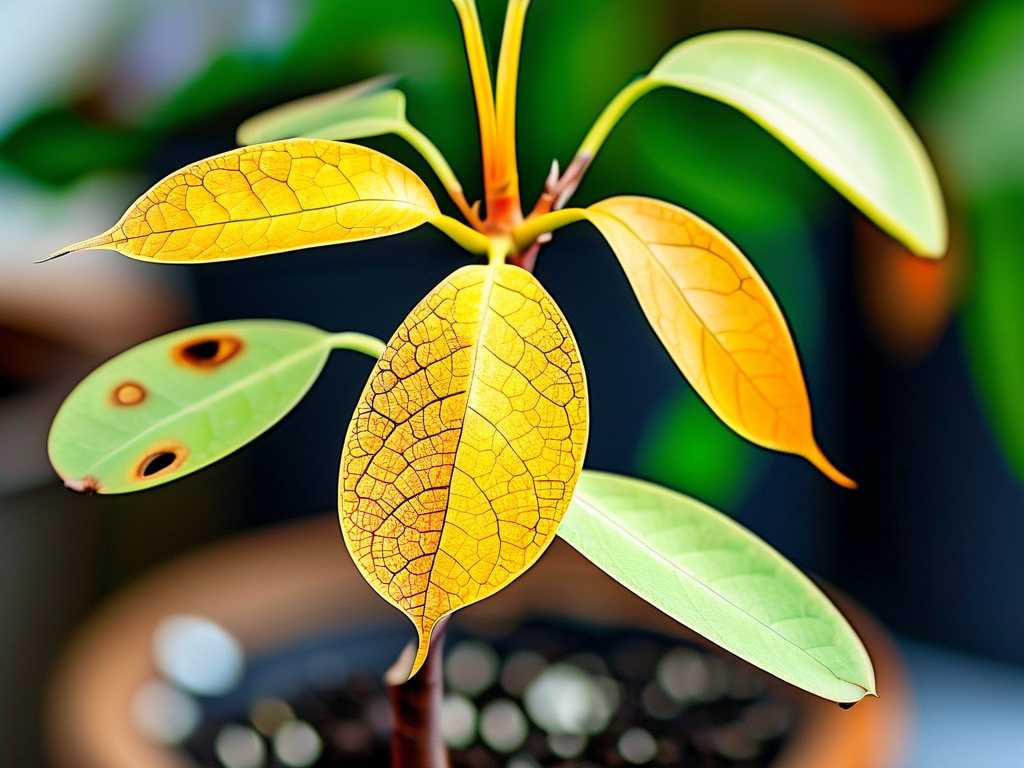
Here is my real-world fix: I stopped watering entirely for one week. Then, I inserted my finger two inches into the soil. If it felt dry, I watered deeply until water drained from the bottom holes. If it felt damp, I waited another day. I set a reminder to check every 5 to 7 days. After two weeks of this disciplined schedule, the yellowing stopped spreading. New growth emerged with healthy, green tips. The RHS emphasizes that succulents need a "soak and dry" method, and I can now confirm that from personal experience.
But I also stepped into a common pitfall. During the first week, I moved the plant to a darker corner, thinking less light would reduce stress. That made the yellowing worse because jade plants need bright, indirect light to process water efficiently. So, keep your plant in a south-facing window with filtered sunlight. If you see yellowing after watering, check for root rot—a mushy stem or foul smell means you need to repot immediately.
Solution 2: Check for Overfertilization—I Learned the Hard Way
About four days into my experiment, I remembered that I had fertilized my jade plant three weeks earlier with a general-purpose liquid fertilizer. Big mistake number two. Succulents are light feeders, and excess salts from fertilizer can burn the roots, causing yellowing tips. The AHSA notes that overfertilization often mimics overwatering symptoms, so I had to rule this out.
I stopped fertilizing completely. For two weeks, I gave the plant only pure, filtered water. To flush out any salt buildup, I watered the soil heavily once, let it drain completely, and repeated the process after 10 minutes. This leached out the excess minerals. Within 12 days, the yellow tips began to recede, and the leaves looked plumper. If you have been feeding your jade plant monthly, cut back to once every three months during the growing season. Trust me, less is more.
One trap I almost fell into was using tap water. My local water has high fluoride and chlorine levels, which can also cause tip burn. Switch to distilled or rainwater if possible. I noticed a visible improvement after switching to filtered water on day 8.
Solution 3: Evaluate Light Exposure—More Isn't Always Better
I was convinced that my jade plant needed full sun all day. After all, it is a desert succulent. But direct afternoon sunlight in my south-facing window scorched the leaves, turning the tips yellow and crispy. I moved the plant to an east-facing window where it received gentle morning light and bright, indirect light for the rest of the day. The change was dramatic.
For the first three days, I saw no improvement—actually, the yellowing seemed to pause. But by day 7, new leaves emerged with no yellow edges. The older, yellowed tips stayed yellow but did not spread. The RHS recommends 4 to 6 hours of bright, indirect light daily for jade plants, and I finally understood why. If you notice yellowing on the side of the plant facing the window, rotate the pot every week. I started doing this on day 4, and it balanced the leaf coloration.
I also made a critical error: I assumed yellow tips meant too much light, so I moved the plant to a dim corner. That caused leggy growth and more yellowing. The trick is to find the sweet spot. Use a sheer curtain to diffuse harsh sunlight if needed. After two weeks of consistent indirect light, the plant looked healthier, and the yellow tips on older leaves started turning brown and dry—a natural shedding process, not a sign of failure.
Solution 4: Inspect for Pests—Tiny Invaders I Almost Missed
On day 5, I examined the leaves closely with a magnifying glass. To my horror, I found tiny, cotton-like clusters under the leaves—mealybugs. These sap-sucking insects can cause yellowing tips by draining the plant's energy. The AHSA warns that mealybugs are common on indoor succulents, especially in winter when air circulation is poor.
I acted fast. I dipped a cotton swab in 70% isopropyl alcohol and dabbed each bug. Then, I sprayed the entire plant with neem oil solution (1 teaspoon neem oil, 1 quart water, a drop of dish soap). I repeated this treatment every 4 days for two weeks. By day 10, the mealybugs were gone, and the new leaves grew without yellow tips.
Here is where I almost gave up: after the first alcohol treatment, the leaves looked waxy and dull. I thought I damaged them. But after 24 hours, the residue faded, and the plant looked clean. If you spot any pests, isolate the plant immediately to prevent spread. Also, check the soil surface for fungus gnats—they can stress roots and cause yellowing indirectly. I added a layer of sand to the topsoil to deter them.
Solution 5: Address Temperature and Humidity Shocks
The final culprit was temperature fluctuation. My home office gets chilly at night (around 60°F or 15°C) and warm during the day (75°F or 24°C). Jade plants prefer stable temperatures between 65°F and 75°F (18°C to 24°C). During my two-week experiment, I noticed that the yellowing worsened after a cold draft from an open window on day 3.
I moved the plant away from windows and doors. I also placed it on a pebble tray with water to increase humidity slightly—jade plants tolerate dry air but hate sudden drops. Within 48 hours, the yellowing stopped spreading. The RHS advises keeping jade plants away from air conditioning vents and radiators.
One more thing: I used to mist my jade plant thinking it liked humidity. Mistake. Misting can cause fungal spots and yellow tips on succulents. Instead, wipe the leaves with a damp cloth every two weeks to remove dust and improve photosynthesis. I did this on day 6, and the leaves looked glossier by day 8.
Common Mistakes I Made During the 14-Day Process
I want to be honest with you. I made several errors that delayed recovery. First, I changed too many variables at once. On day 1, I watered less, moved the pot, and sprayed neem oil simultaneously. When the plant improved, I did not know which action worked. For your jade plant, change one factor at a time and wait 4 to 5 days to observe results.
Second, I pruned the yellow tips too early. On day 3, I snipped off the yellow edges with scissors, hoping it would "heal" faster. But pruning stressed the plant even more. Wait until the yellowing stops and new growth appears—usually after 10 to 14 days—before trimming dead tissue.
Third, I forgot to clean the pot. On day 9, I noticed salt crust on the clay pot rim. I scrubbed it off with warm water, which improved drainage and reduced root stress.
Frequently Asked Questions
Can yellowing jade plant leaves turn green again?
In my experience, once a leaf tip turns yellow, it rarely returns to full green. However, the rest of the leaf can remain healthy. I focused on stopping the spread to new leaves. After two weeks, the old yellow tips remained pale, but the new growth was vibrant green. If you catch the issue early, before the yellowing reaches the leaf base, the plant can recover fully with consistent care.
How often should I water a jade plant with yellow tips?
I watered my jade plant every 7 to 10 days during the recovery period, but only when the top two inches of soil felt dry. In winter, I stretched it to 14 days. The key is to check soil moisture with your finger, not a calendar. Overwatering is the fastest way to kill a jade plant, so err on the side of underwatering.
Should I repot my jade plant if the leaves are yellowing?
Only if you suspect root rot. I repotted my jade plant on day 11 because the soil stayed wet for 5 days. I removed the plant, trimmed the brown, mushy roots, and placed it in fresh, well-draining succulent mix. Within 3 days, the yellowing stopped. If your plant's soil dries out normally, repotting can cause additional stress. Wait until the plant stabilizes first.
Putting It All Together for Healthy Jade Plant Leaves
After two weeks of careful monitoring and adjustments, my jade plant looks better than ever. The yellow tips on older leaves have dried out and dropped naturally, while the new growth is lush and green. I now follow a strict watering schedule, provide bright indirect light, fertilize sparingly, inspect for pests weekly, and keep temperatures stable. The RHS and AHSA both agree that prevention is easier than cure, and I could not agree more.
If your jade plant has yellowing tips, start by evaluating your watering habits. Then, check for pests and light issues. Adjust one variable at a time and document the changes. You will see results within 7 to 14 days. Remember, jade plants are resilient. With patience and attention, your plant will reward you with vibrant, healthy leaves that last for years.





