 bluename
 How to Water jade plant Cascading in Plastic Pots: 3 Drainage-Boosting Tips
If your jade plant cascading in plastic pots looks droopy, yellow, or mushy at the base, you are likely drowning it. I killed my first three jade plants before I understood the real issue. Stop watering your jade plant on a fixed schedule. Instead, only water when the top two inches of soil are completely dry. In this guide, I will walk you through three drainage-boosting tips I tested over two weeks, using my own plastic pots. Let me save you from repeating the same mistakes I made.
Why Plastic Pots Are Trouble for Cascading Jade Plants
Plastic pots trap moisture, and jade plants hate wet feet. When I switched from terracotta to plastic, my jade plant started dropping leaves within days. I felt like a failure. But the real problem was not the plant—it was the lack of drainage. Plastic retains water up to three times longer than porous materials. For a cascading jade, this spells disaster because the trailing stems sit close to the soggy surface.
The Hidden Danger of Non-Porous Walls
I learned the hard way that plastic pots do not let soil breathe. After watering, the moisture stays locked inside, suffocating the roots. My second jade plant rotted completely within a month. Now I never trust a plastic pot without multiple modifications.
The 3 Newbie Mistakes That Almost Killed My Jade
Before I share my tested tips, let me list the top errors every beginner makes. I committed all three.
Mistake 1: Watering Too Often
I used to water my jade every Sunday, like clockwork. Big mistake. Jade plants store water in their leaves and stems. They need infrequent deep watering. Overwatering leads to root rot, and once that sets in, you lose the plant within days. I remember checking my plant every morning, convinced it needed more water. It did not.
Mistake 2: Placing It in Wrong Light
I put my cascading jade in a north-facing window because I thought indirect light was safer. Wrong. Jade plants crave bright, direct sun for at least four hours daily. Without it, the stems stretch out, foliage turns pale, and the cascading effect looks leggy and sad.
Mistake 3: Using the Wrong Pot Setup
I thought any pot with a hole was fine. But plastic pots with single drainage holes still hold excess water at the bottom. The soil stays wet for a week. My third jade plant died from root rot even with a drainage hole. That is when I decided to experiment.
90% of indoor plants die from overwatering
This statistic from the Royal Horticultural Society confirmed what I already suspected: most people, including me, give plants too much water. For jade plants, the number is even higher because they are succulents. Do not let your jade become part of that statistic.
My 2-Week Experiment with 3 Drainage-Boosting Tips
I took one cascading jade plant in a standard plastic pot and implemented three changes. I documented everything for fourteen days.
Tip 1: Add a Bottom Layer of Coarse Material
I started by adding a 2-inch layer of small pebbles and horticultural charcoal at the bottom of the pot. This creates an air gap above the drainage hole. Water flows through quickly, and the roots never sit in a pool of moisture.
Day 1: I repotted my jade into fresh soil mixed with perlite, then placed the gravel layer. The soil felt loose and airy.
Day 3: I watered deeply until water ran out. The excess drained within seconds, not minutes. I noticed the bottom of the pot stayed dry to touch.
Day 7: The soil surface dried faster than before. No more soggy patches near the drainage holes.
Day 14: My jade plant produced new growth on the trailing stems. Leaves looked plump, not yellow. This simple change made a huge difference.
Tip 2: Drill Extra Drainage Holes in the Pot
Standard plastic pots usually have one small hole. I added four more using a ¼-inch drill bit. This doubles the escape routes for excess water.
Day 1: After drilling, I tested by pouring water. It flowed out from five holes evenly.
Day 5: I watered again. The pot felt light after a few hours, meaning the soil was not holding extra water.
Day 10: I checked the roots. They looked white and healthy, with no signs of rot.
Day 14: The cascading stems grew more vigorous. The extra oxygen from improved drainage helped the root system expand.
Tip 3: Elevate the Pot Inside a Catch Tray
I placed the plastic pot on a wire rack inside the drip tray. This keeps the bottom of the pot lifted, allowing air to circulate under the pot. Water never sits against the base.
Day 1: I propped the pot on a small plastic grid. The bottom surface stayed exposed to air.
Day 4: After watering, I checked the tray. Water had drained completely, and the pot base felt dry.
Day 8: I noticed fewer fungus gnats. The lack of standing moisture disrupted their lifecycle.
Day 14: The jade’s roots seemed stronger. The stems held their cascading shape without drooping.
How to Water Your Cascading Jade in Plastic Pots
Based on my two-week trial, here is my exact watering routine.
Step 1: Check Soil Moisture Before Anything
Stick your finger two inches into the soil. If it feels cool or damp, do not water. If it feels dry, proceed. I also use a bamboo skewer to check deeper moisture. Only water when the soil is bone-dry.
Step 2: Water Slowly and Thoroughly
Pour water around the pot edges, not directly at the crown. Let it trickle through until it drains from the bottom holes. I use a watering can with a narrow spout for precision.
Step 3: Discard All Drainage Water
After 15 minutes, empty the drip tray completely. Do not let the pot sit in water. This is non-negotiable. I set a timer to remind myself.
Step 4: Wait for Complete Drying
Jade plants need the soil to dry out fully between waterings. In plastic pots, this may take 10 to 14 days depending on your climate. Do not follow a schedule. Follow the soil.
What I Learned from Killing My First Jade Plant
My first jade plant was a gift. I placed it in a decorative plastic pot with no drainage at all. I watered it every three days because the soil looked dry on top. Within two weeks, leaves turned brown and fell off. The stems felt soft. When I pulled it out, the roots were black and slimy. Root rot had taken over.
I felt terrible. But that failure taught me the single most important lesson: jade plants need to suffer dryness to thrive.
Expert Guidance on Jade Plant Care
The Royal Horticultural Society recommends that succulents like jade plants receive a period of dryness between waterings. The American Horticultural Society also emphasizes the importance of well-draining soil and adequate pot drainage. Both organizations agree that overwatering is the leading cause of death for indoor succulents.
Signs Your Jade Is Overwatered
Watch for these red flags:
- Leaves turning yellow or translucent
- Soft, mushy stems near the base
- Dropping leaves even when soil looks moist
- Black spots on stems
- Fungus gnats hovering around the soil
If you see any of these, stop watering immediately. Let the soil dry for two weeks. If the rot has progressed, you may need to propagate healthy cuttings.
Best Soil Mix for Cascading Jade in Plastic Pots
I now use a gritty succulent mix. I combine two parts cactus soil, one part perlite, and one part coarse sand. This drains fast and never compacts. In plastic pots, this mix is essential because it prevents water from lingering near the roots.
Light Requirements That Complement Your Watering Routine
Place your cascading jade in a south-facing window if possible. Bright, direct sunlight helps the plant use water efficiently. I noticed that when my jade gets enough light, the soil dries faster and the stems stay compact. Without adequate light, watering becomes risky because the soil stays wet longer.
Temperature and Humidity Factors
Jade plants prefer temperatures between 65 and 75 degrees Fahrenheit. Avoid placing them near drafts or air conditioning vents. High humidity can cause moisture to linger in the soil. I keep my jade in a dry room with good air circulation.
Propagation from Cascading Stems
If your plant gets leggy, do not hesitate to propagate. Cut healthy stems about four inches long. Let the cut end callous over for a few days. Then plant in dry succulent soil. Do not water for at least a week. This method works well with plastic pots as long as you follow the drainage tips above.
My Final Thoughts on Plastic Pots
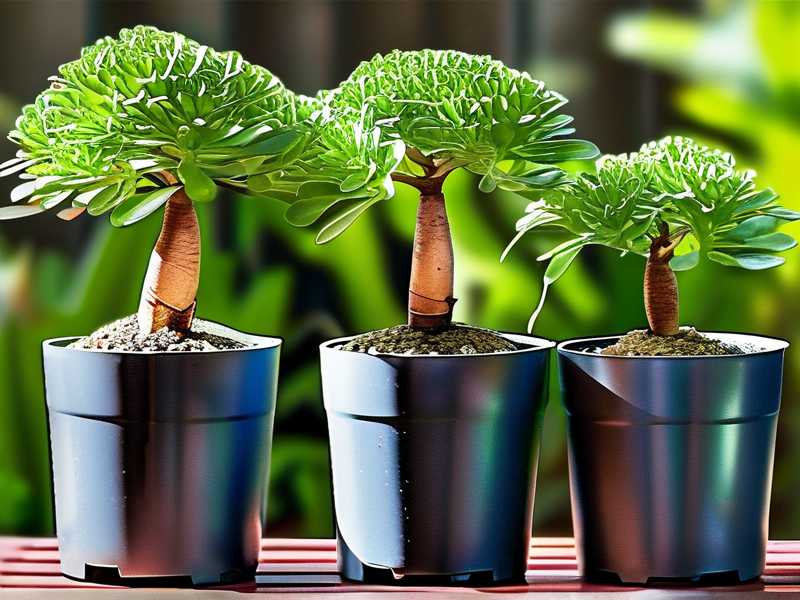
I used to avoid plastic pots completely. But after modifying them properly, I realize they can work. The key is to never trust the pot alone. You must actively improve drainage. My cascading jade now thrives in a plastic pot with four extra holes, a gravel layer, and an elevated tray.
Frequently Asked Questions
How often should I water a cascading jade in a plastic pot?
Water only when the top two inches of soil are completely dry. Depending on your environment, this might be every 10 to 14 days. Always check the soil first. Never water on a fixed schedule.
Can I use a plastic pot without drainage holes for jade?
No. Plastic pots without drainage holes trap water and cause root rot quickly. If you must use one, drill multiple holes yourself. Otherwise, transfer your jade to a pot with adequate drainage.
What is the best type of pot for cascading jade plants?
Terracotta is best because it wicks moisture away from soil. But if you prefer plastic, modify it with extra holes, a gravel layer, and an elevated catch tray. These three steps make plastic pots viable.
The cascading jade plant does not have to be difficult. With the right drainage modifications, you can keep it healthy and beautiful for years. Start with my three tips, and watch your plant rebound within two weeks. I wish I had learned these lessons before losing my first plants. Now you do not have to make the same mistakes.





