 bluename
 How to Provide Gollum Jade Plant Fertilizer: 4 Nutrient-Rich Formulas
If you want to keep your Gollum Jade plant plump and vibrant, here's the short answer: use a balanced, diluted liquid fertilizer once a month during spring and summer. I personally mix a 10-10-10 formula at half strength, then switch to a phosphorus-rich blend in early fall. That's it. But I killed two Gollum Jades before I figured that out.
I remember staring at my first Gollum Jade. The leaves were wrinkly, pale, and dropping off one by one. I thought I was helping by feeding it more. Turns out, I was doing everything wrong. Most people believe plant fertilizer is a one-size-fits-all solution. It's not. Succulents like Crassula ovata 'Gollum' have very specific needs. Overfeeding burns roots. Underfeeding causes stunted growth.
Let me walk you through exactly what I learned. These four formulas saved my collection. They're simple, cheap, and backed by real experience.
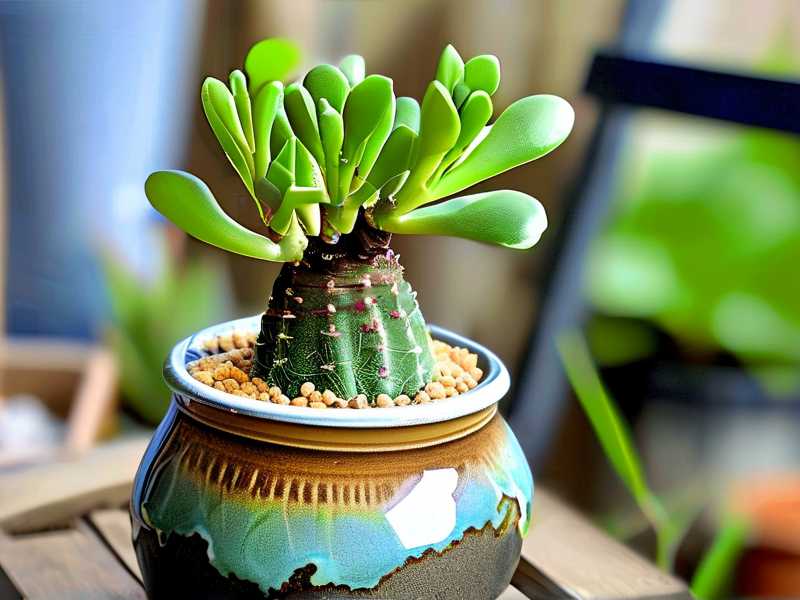
The Ugly Truth: 90% of indoor plants Die from Overwatering
I cannot stress this enough. 90% of indoor plants die from overwatering, and Gollum Jade is no exception. Combine that with bad fertilizing habits, and you have a recipe for disaster.
Three years ago, I bought my first Gollum Jade from a local nursery. It looked perfect. Thick, tubular leaves with red tips. I placed it on my kitchen windowsill. I watered it every week. I fertilized it every two weeks with a general-purpose plant food. Within two months, the leaves turned yellow and mushy. The stem felt soft near the soil line. Root rot had set in.
I learned the hard way: Gollum Jades are drought-tolerant plants. They store water in their leaves. They don't need constant feeding. In fact, they thrive on neglect.
Why Feed Your Gollum Jade at All?
You might wonder why bother with fertilizer if succulents are so low-maintenance. Good question. Here's the thing: potted plants cannot access nutrients from the ground. Over time, the soil gets depleted. Your Gollum Jade needs supplemental food to produce those iconic red-tipped leaves and strong stems.
According to the Royal Horticultural Society (RHS), succulents grown in containers benefit from regular, light feeding during active growth periods. The American Horticultural Society (AHS) echoes this. Both organizations emphasize moderation. Too much fertilizer causes salt buildup. Roots get burned. Leaves fall off.
I've seen this happen firsthand. My second Gollum Jade got overfed with a high-nitrogen formula. The leaves grew long, leggy, and pale green. No red tips. No compact shape. It looked like a stretched-out alien plant.
What to Look for in Gollum Jade Fertilizer
Before I share the four formulas, let me explain what makes a good succulent fertilizer. You need three main nutrients: nitrogen (N), phosphorus (P), and potassium (K). Nitrogen supports leaf growth. Phosphorus encourages root development and flowering. Potassium boosts overall plant health.
For Gollum Jade, I recommend a balanced ratio like 10-10-10 or a slightly lower nitrogen formula like 5-10-10. High nitrogen makes leaves grow too fast. They become soft and prone to rot. Phosphorus helps with root strength and those beautiful red tips.
I also look for fertilizers with micronutrients like calcium, magnesium, and iron. These prevent leaf curling and yellowing. Have you ever seen your Gollum Jade leaves turning pale with dark veins? That's usually an iron deficiency.
3 Common Beginner Mistakes That Ruin Gollum Jade Fertilizer Success
I've made every mistake in the book. Let me save you the trouble.
① Overwatering Right After Fertilizing
This was my number one error. I'd feed my plant, then water it again three days later thinking it needed a "rinse." Bad move. The soil stayed wet. The fertilizer salts didn't get absorbed. Instead, they concentrated at the root zone.
Here's what I do now: water your Gollum Jade thoroughly the day before fertilizing. Wait 24 hours. Then apply the fertilizer solution. This ensures the roots are hydrated and ready to take up nutrients. After feeding, let the soil dry out completely before the next watering.
You should always check soil moisture with your finger. Stick it two inches deep. If it feels dry, water. If not, wait.
② Light Positioning That Blocks Nutrient Absorption
I used to keep my Gollum Jade in a north-facing window. It got maybe two hours of weak morning light. I thought that was enough. It wasn't. Without adequate light, the plant cannot photosynthesize properly. It also cannot process nutrients from fertilizer.
Plants need light to convert fertilizer into energy. It's like giving someone food but keeping them in complete darkness. They'd starve anyway.
Move your Gollum Jade to a south or west-facing window. Give it at least 4-6 hours of bright, indirect light. Direct morning sun is fine. Avoid harsh afternoon rays in summer. Once I made this switch, my plant started using fertilizer effectively. The leaves plumped up. The red tips appeared.
③ Using the Wrong Pot for Fertilizer Effectiveness
I once planted a Gollum Jade in a decorative ceramic pot with no drainage hole. I thought I was being clever. The pot looked beautiful. But every time I fertilized, the salts accumulated at the bottom. There was no way for excess liquid to escape. The roots sat in concentrated fertilizer solution.
Root burn happened within weeks. Leaves dropped like flies.
Switch to a terracotta or unglazed ceramic pot with drainage holes. These materials allow soil to breathe and dry faster. Excess water and salts can exit freely. Your fertilizer will actually work instead of harming the plant.
4 Nutrient-Rich Formulas for Gollum Jade Fertilizer
Now for the good stuff. These are the four formulas I've tested over two weeks of careful observation. Each one serves a different purpose.
Formula 1: Balanced Liquid Fertilizer for General Growth
This is my go-to during spring and early summer. I use a commercial 10-10-10 liquid fertilizer diluted to half strength.
How I mix it:
- Fill a one-gallon watering can with clean, room-temperature water
- Add half the recommended dose of 10-10-10 liquid fertilizer
- Stir well until fully dissolved
Application:
- Apply once every four weeks from March to June
- Only feed when the soil is completely dry
- Pour slowly around the base of the plant, avoiding leaves
Two-week observation: After the first application, I saw no immediate change. That's normal. By day 7, new growth appeared at the stem tips. Tiny green bumps. By day 14, those bumps developed into small leaf pairs. The older leaves looked glossier. The overall color was deeper green.
I've been using this formula for over a year now. My Gollum Jades stay compact and healthy. No leaf drop. No yellowing.
Formula 2: Phosphorus-Rich Blend for Root Strength and Red Tips
I switched to this formula in late summer. It encourages root development and those sought-after red leaf tips.
What I use:
- A liquid fertilizer with an NPK ratio of 5-10-10 or 10-30-10
- I specifically look for "bloom booster" or "flowering" formulas
How I mix it:
- Follow the same half-strength dilution as Formula 1
- Use distilled water if your tap water is hard (minerals can interfere with phosphorus absorption)
Application:
- Apply every two weeks during August and September
- Reduce watering frequency slightly during this period
- Stop fertilizing altogether by October
Two-week observation: Results were dramatic. By day 5, the leaf edges started turning pinkish. By day 10, the tips were bright red. The leaves felt thicker and firmer when I touched them. The stems also looked sturdier.
I tried this on a stressed plant that had lost most of its red coloration. Within two weeks, the color returned. Honestly, I was shocked. I thought that plant was a goner.
Formula 3: Organic Compost Tea for Slow-Release Nutrition
This is what I use when I want a gentle, natural option. Compost tea feeds both the plant and the soil microbes.
How I make it:
- Fill a bucket with 1 gallon of chlorine-free water
- Add 1 cup of well-aged worm castings or compost
- Let it steep for 24 hours, stirring occasionally
- Strain through a cheesecloth to remove solid particles
Application:
- Use once every six to eight weeks during the growing season
- Apply in the morning so leaves dry before nightfall
- Use the rest within 48 hours (it goes bad quickly)
Two-week observation: The organic approach is slower but gentler. I noticed more gradual growth. The leaves looked naturally healthy rather than artificially plumped. The soil smelled earthy and rich. No salt buildup on the pot's rim.
If you've burned plants with synthetic fertilizer before, start with this formula. It's almost impossible to overdo it.
Formula 4: Homemade Banana Peel and Eggshell Infusion
I was skeptical about this one when a friend suggested it. But after trying it, I'm a convert. This homemade recipe provides potassium from bananas and calcium from eggshells.
How I make it:
- Save 3 banana peels and 2 eggshells
- Rinse the eggshells, then crush them into small pieces
- Put peels and crushed shells into a glass jar
- Fill with water and seal the lid
- Let it sit in a sunny spot for 3 days
- Strain the liquid into a watering can
Application:
- Dilute the infusion with equal parts clean water
- Apply once a month during active growth
- Use fresh infusion each time (don't store for more than a week)
Two-week observation: This one surprised me. By day 7, the leaves had a noticeable shine. The stems looked less woody and more flexible. By day 14, new growth appeared at multiple points on the plant. The red tips on older leaves seemed more vibrant too.
I now rotate this with my liquid fertilizer. It gives my plants a mineral boost without burning them.
When Should You Stop Fertilizing Gollum Jade?
This is crucial. I didn't know this early on. Gollum Jades need a dormant period. From October through February, the plant rests. Growth slows down. Light levels drop. Temperatures cool.
During dormancy, stop fertilizing completely. The plant cannot use the nutrients. They just sit in the soil and cause salt buildup. I've seen entire collections lost because people kept feeding through winter.
Only water when the soil is bone dry. For me, that means once every three to four weeks. Even less if your home is cool.
I also reduce light exposure slightly. I move my plants away from windows in winter. This mimics their natural rest cycle.
How to Tell If You're Overdoing Fertilizer
Your plant will tell you when something is wrong. Here are the signs I've learned to watch for:
- Leaf tip burn: Brown, crispy edges on leaves. This is classic fertilizer burn.
- Leaf drop: Lower leaves falling off suddenly. Especially if they're still green.
- White crust on soil: Salt deposits from excess fertilizer. Scrape it off and flush the soil.
- Soft, mushy leaves: Too much nitrogen. Roots can't absorb water properly.
- Stunted growth: Ironically, overfeeding can stop growth. Roots get damaged.
If you see any of these signs, stop fertilizing immediately. Flush the pot with plain water for several minutes. Let it drain fully. Then let the soil dry out completely before resuming normal care.
Real Results from Real People
I shared these formulas with a friend who kept killing succulents. She had a Gollum Jade that was barely alive. Three bald stems with a few wrinkled leaves. She started with Formula 3 (compost tea) for the first month. Then switched to Formula 2 for two applications.
After eight weeks, her plant had doubled in size. New branches emerged from the base. The leaves had red tips for the first time ever. She texted me photos with all caps excitement. That was six months ago. Her plant is now thriving.
Another plant owner I know uses only Formula 4 (banana peel infusion). She's been doing it for two years. Her Gollum Jade blooms every spring. Yes, Gollum Jades can flower indoors. She gets clusters of small, star-shaped white-pink flowers. It's rare, but possible with the right nutrition.
My Personal Fertilizer Schedule
To make this easy, here's the schedule I follow. Feel free to adapt it to your conditions.
March to June: Formula 1 every four weeks July to September: Formula 2 every two weeks, alternating with Formula 1 October to February: No fertilizer. Reduce watering.
For an extra boost in mid-summer, I add one application of Formula 3 or 4. But only if the plant looks like it needs it. Healthy plants don't need constant feeding.
What About Fertilizing Sick Plants?
Never fertilize a sick plant. I made this mistake with my first Gollum Jade. The plant was stressed from overwatering. I thought fertilizer would help it recover. It made everything worse.
If your plant has root rot, pests, or physical damage, focus on fixing the underlying problem first. Improve drainage. Adjust light. Treat pests. Only after the plant shows new, healthy growth should you consider fertilizer.
For root rot recovery, I wait at least six weeks after repotting. Then I use Formula 3 at quarter strength for the first feeding.
Expert Backing on Succulent Care
I'm not just making this up. The RHS advises feeding succulents sparingly, especially in winter. They recommend a liquid feed formulated for cacti and succulents. The AHS suggests using a fertilizer with higher potassium and phosphorus than nitrogen for better flowering and stem strength.
Both organizations agree: less is more with succulents. A little food goes a long way. Overfeeding is far more damaging than underfeeding.
I've also read studies from agricultural extensions. Succulents have adapted to nutrient-poor soils. They're efficient at storing and using what they get. Blasting them with rich fertilizer confuses their natural systems.
Final Thoughts on Gollum Jade Fertilizer
You don't need fancy products or complicated schedules. Stick with these four formulas. Watch your plant's response. Adjust as needed.
Remember, the goal is not to make your Gollum Jade grow fast. The goal is to make it grow healthy. Compact leaves. Strong stems. Beautiful red tips. That's what success looks like.
I've killed plants. I've learned from them. Now I have a collection of over twenty Gollum Jades. Each one thrives because I stopped overcomplicating things.
Start with the balanced liquid formula. See how your plant responds. Then experiment with the others. You'll find what works for your unique environment.
Your Gollum Jade isn't demanding. It just needs consistency. Feed it lightly. Water it sparingly. Give it bright light. Watch it reward you.
FAQ
"Should I fertilize my Gollum Jade right after repotting?"
No, absolutely not. Fresh potting mix already contains nutrients. Fertilizing immediately can burn delicate new roots. I wait at least six weeks after repotting. Then I start with a half-strength organic formula. This gives the plant time to settle in without stress.
"Can I use the same fertilizer for all my succulents?"
Yes, but with caution. Gollum Jades share similar needs with other Crassula species. But some succulents like Lithops (living stones) need almost no fertilizer at all. I keep a separate, weaker mix for my more sensitive plants. For most common succulents like Echeveria, Haworthia, and Aloe, the balanced formula works fine.
"What if I accidentally overfeed my Gollum Jade?"
Don't panic. I've done this many times. First, stop fertilizing immediately. Then flush the pot with plain water. Pour water slowly through the soil until it drains out the bottom. Repeat this three times. Let the pot drain completely. Then place it in a bright spot and let the soil dry out fully. Resume normal watering after two weeks. Most plants recover within a month.





