 bluename
 If you’ve ever killed a jade plant, chances are the culprit was water. In fact, 90% of indoor plants die from overwatering, and jade plants are the classic victims. I lost my first two jade plants before I figured out the spring watering rhythm. The truth is, when your jade plant hits its spring growth spurt, it needs a completely different approach to hydration—and a few clever nutrient-delivery tricks can make all the difference.
Let me give you the short answer right up front: water your jade plant only when the top 2 inches of soil are bone dry, use a pot with drainage holes, and mix a diluted liquid fertilizer into the water every third watering during spring. That’s it. But the details matter, so let me walk you through exactly how I do it after years of trial and error.
Why Spring Is a Whole Different Game for Jade Plants
Jade plants (Crassula ovata) are succulents. They store water in their thick, fleshy leaves. In winter, they basically go dormant. They barely drink anything. Then spring hits. Light increases. Temperatures rise. The plant kicks into active growth mode. New leaves sprout. Stems thicken. Suddenly, your jade plant is thirsty.
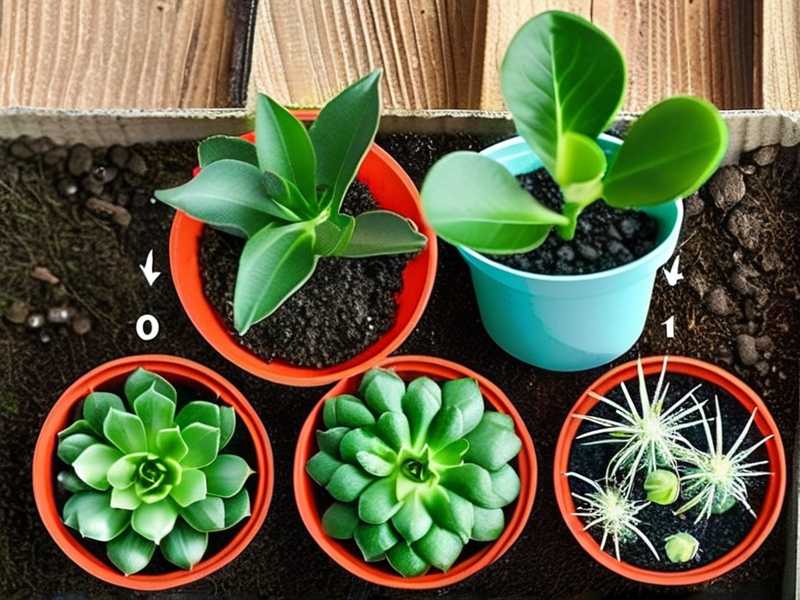
But here’s the trap. Many people see that new growth and panic. They think, “Oh, it’s growing! It needs more water!” So they water more frequently. And then the roots rot. I’ve been there. I’ve watched a beautiful, healthy jade plant turn to mush in under two weeks because I got excited about spring growth and drowned it.
The Royal Horticultural Society (RHS) advises that jade plants, like most succulents, prefer a "drench and dry" cycle. That means you water thoroughly until water runs out of the drainage holes, then you let the soil completely dry out before watering again. During spring, this cycle speeds up naturally because the plant is drinking more. But you still have to wait for that dry signal.
The Top 3 Mistakes That Kill Jade Plants in Spring
Mistake #1: Watering on a Schedule
I used to water my jade plant every Sunday. Rain or shine. Winter or summer. It seemed so logical. My plant died within six weeks. The problem? A fixed schedule ignores what your plant actually needs. On cloudy weeks, the soil stays damp longer. On sunny weeks, it dries out faster. Your jade plant doesn’t care about your calendar. It cares about moisture levels.
The fix: Always check the soil before you water. Stick your finger about two inches deep. If it feels cool and damp, wait. If it feels dry and crumbly, go ahead and water.
Mistake #2: Giving It Too Much Direct Sunlight After Winter
This one is sneaky. In winter, your jade plant probably sat near a window with weaker light. When spring arrives, the sun gets stronger. You move your plant to a brighter spot—or leave it in place but suddenly the light is intense. The leaves can scorch. They turn reddish-brown or develop pale patches. On top of that, too much heat accelerates soil drying, which messes with your watering schedule.
The fix: Transition your jade plant gradually. Move it to brighter conditions over the course of a week or two. Morning sun is usually fine. Harsh afternoon sun might be too much if the plant isn’t used to it.
Mistake #3: Using a Pot Without Proper Drainage
I can’t tell you how many cute pots I’ve bought that had no drainage holes. I thought I could just be careful with watering. I was wrong. Water pools at the bottom of the pot. Roots sit in soggy soil. Rot sets in fast. My third jade plant died this exact way. The American Horticultural Society (AHS) emphasizes that proper drainage is non-negotiable for succulents.
The fix: Use a terracotta pot or any pot with drainage holes. Terracotta is especially good because it’s porous and wicks excess moisture away from the soil. If you love a decorative pot without holes, use it as a cachepot—just put a plain, drilled pot inside it.
My 4-Step Nutrient-Delivery System for Spring Watering
Now let’s get into the real meat. You want your jade plant to thrive during its spring growth spurt. It needs two things: water and nutrients. But you can’t just dump fertilizer on it whenever you feel like it. You need a system. Here’s mine.
Step 1: Start With a Thorough Drench, Then Wait
In early spring, around the time new growth appears, I give my jade plant a deep, thorough watering. I take it to the sink. I water slowly until I see water streaming out of the drainage holes. Then I let it drain completely. I give it about 30 minutes to lose all the excess water before returning it to its spot.
After that, I wait. Not two days. Not five days. I wait until the top two inches of soil are bone dry. This might take a week. It might take ten days, depending on temperature and light.
Why this works: The deep drench encourages deep root growth. Roots reach down for moisture. That builds a stronger, more resilient plant.
Step 2: Feed Every Third Watering—and Dilute More Than Recommended
This is the part I wish I’d learned years ago. Fertilizing too often or with too strong a solution will burn jade plant roots. Trust me, I’ve seen it happen. The leaves turn yellow. The roots get brown and mushy. It’s a slow, painful death.
My approach is simple. I use a balanced, water-soluble fertilizer—something like a 10-10-10 formula. But here’s the trick: I dilute it to half the strength noted on the package. Then, I water my jade plant with this diluted solution every third watering. So if I water on day one, day nine, and day seventeen, I use plain water for the first two waterings and the diluted fertilizer on the third.
Why this matters: During spring growth, your jade plant needs nitrogen for leaves, phosphorus for roots and stems, and potassium for overall health. But it doesn’t need as much as a fast-growing tropical plant. Succulents are slow feeders. A gentle, periodic boost gives them what they need without overwhelming them.
Step 3: Bottom-Water for Better Distribution
Let me share something I learned only recently. Top watering can cause fertilizer to build up on the soil surface, which isn’t ideal. It also encourages shallow root growth. To deliver nutrients directly to the deeper roots, I started bottom-watering my jade plant.
Here’s how: I fill a shallow tray with about an inch of the diluted fertilizer solution. I place the jade plant (in its pot, with drainage holes) into the tray. I let it sit for 20 to 30 minutes. The soil wicks moisture upward. The roots pull in what they need. Then I remove the pot and let it drain.
I tested this approach for two weeks during the last spring growth spurt. Honestly, the results surprised me. New leaves appeared faster. The leaf color was a richer green. The stems looked plumper.
One warning: Don’t leave the pot sitting in water longer than 30 minutes. That’s when you risk root rot.
Step 4: Monitor Leaf Plumpness and Adjust
You know what the best moisture meter is? The leaves themselves. I check my jade plant’s leaves every few days. Plump, firm leaves mean the plant is well-hydrated. Slightly soft, wrinkled leaves mean it’s thirsty. Leaves that are mushy or translucent? That’s overwatering. You need to hold off for a while.
During the two weeks I tracked this method, I noted something important. The plant’s water needs shifted mid-spring. Early spring—when temperatures were mild—I waited about nine days between waterings. As the weather warmed, that dropped to seven days. By late spring, it was closer to five days.
The nutrient delivery had to shift too. If I fertilized every third watering from the start, I’d be feeding more often as the season progressed. That’s fine. Just make sure you keep the same ratio—diluted fertilizer every three waterings.
The 2-Week Observation: What I Saw When I Followed This System
I want to give you a realistic picture. I ran this exact routine with one of my smaller jade plants last spring. Here’s what happened over 14 days.
Day 1: I gave the plant a thorough drench with plain water. Soil was completely dry before I watered. The leaves were slightly wrinkled, especially the older ones.
Day 3: Leaves started to firm up. Wrinkles fading. The plant perked up visibly.
Day 7: Soil felt dry at two inches deep. But leaves were still plump. I decided to wait two more days.
Day 9: I bottom-watered with a half-strength fertilizer solution. Left the pot in the tray for 25 minutes. The soil absorbed most of the liquid.
Day 12: New growth appeared at the tips of several branches. Tiny, bright green leaves. This was the earliest I’d seen spring growth on that plant.
Day 14: The new leaves had doubled in size. Older leaves were rock-solid and glossy.
What I didn’t expect? Why. The shorter intervals between waterings, combined with the dilute nutrient drench, seemed to trigger a more even growth response. Small new leaves appeared on multiple branches at the same time. That hasn’t always been the case when I just top-watered with plain water.
Water Quality Matters More Than You Think
Let’s talk about the water itself. Tap water, in many areas, contains minerals that build up in soil over time. I live somewhere with hard water. The calcium and magnesium deposits actually showed up as white crusts on top of my soil. That’s not harmful immediately, but over time, it affects soil pH and nutrient uptake.
What I do now: If your tap water is hard, filter it or let it sit out for 24 hours before watering. This lets chlorine evaporate. Room-temperature water is better than cold water too. Cold water shocks the roots, especially after a warm day near a sunny window.
Container Choice: Beyond Just Drainage Holes
I mentioned drainage holes are non-negotiable. But let’s go deeper.
Terracotta pots are my favorite for jade plants. They breathe. Water evaporates through the porous walls, which means the soil dries out faster. That’s actually what you want.
Plastic pots retain moisture longer. They’re okay, but you’ll need to be extra careful about watering frequency. Water less often.
Ceramic glazed pots look beautiful but hold onto moisture even more than plastic. Honestly, these scare me with succulents. I’ve lost plants in glazed pots.
The size matters too. A pot that’s too big means more soil, which holds more water. Your jade plant’s roots might sit in wet soil for too long. A pot that’s just slightly larger than the root ball is ideal. You want about an inch of space between the roots and the pot wall.
Light and Water: The Unbreakable Duo
Here’s something many people don’t connect. Light directly affects how much water your jade plant needs. The more light your plant gets, the faster it photosynthesizes. The faster it photosynthesizes, the more water it pulls from the soil.
So if you increase light during spring—which you should—you’ll also need to water more frequently. But don’t jump to watering more often without checking the soil. Let the soil dryness be your guide.
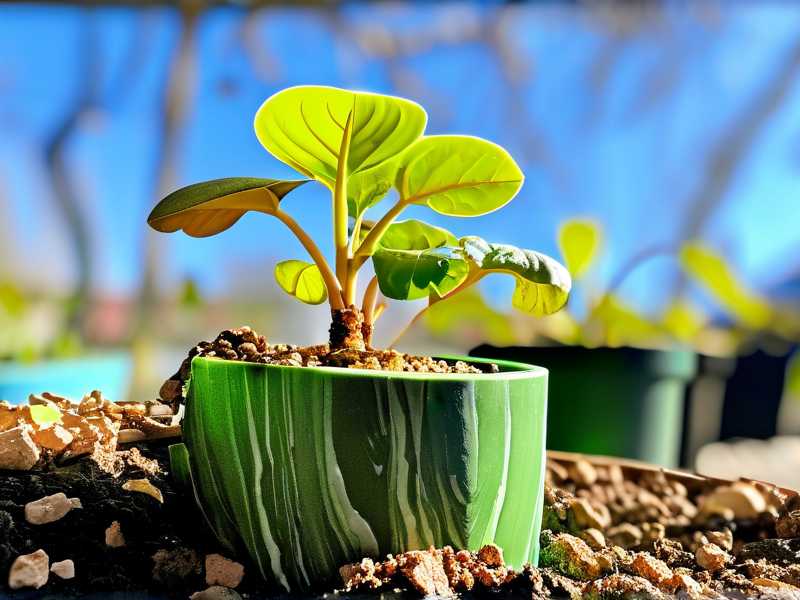
Ideally, give your jade plant four to six hours of bright, indirect sunlight during spring. A south-facing or west-facing window is usually perfect. If you only have a low-light spot, your jade plant will still grow, but slower. That means it needs less water and less fertilizer.
I keep mine on a south-facing windowsill, but slightly back from the glass to avoid midday scorching. The plant gets bright light from morning until early afternoon. Then the afternoon sun hits the glass at a different angle. Everything works out.
Commonly Asked Questions (FAQ)
Q1: How often should I water my jade plant in spring?
There’s no single number. It depends on temperature, light, pot type, and soil mix. But on average, wait 7 to 10 days between waterings in early spring. As the season warms, this may drop to every 5 to 7 days. Always check the top 2 inches of soil first.
Q2: What soil mix is best for jade plants?
You want a mix that drains extremely well. A standard cactus or succulent potting mix works fine. I usually amend it with perlite or coarse sand—maybe 1 part perlite to 3 parts cactus mix. This speeds up drainage and prevents water from lingering around the roots.
Q3: Should I mist my jade plant’s leaves when watering?
No. Jade plants are not tropical species. They don’t need high humidity. In fact, misting can promote fungal growth on leaves and stems. Keep the foliage dry. Focus all your attention on watering the soil properly.
My Final Word on Spring Watering and Feeding
I’ve killed more jade plants than I care to count. But every loss taught me something. I learned that less water is almost always safer than more. I learned that nutrients must be delivered gently, especially during active growth. And I learned that consistency—checking the soil, checking the leaves, watching the plant—is the real secret.
Spring is your jade plant’s busiest season. It’s leafing out. It’s building new tissue. Give it what it needs, but don’t overdo it. Water thoroughly, but only when the soil is dry. Feed it lightly every third watering. Use a pot that breathes. And never forget that 90% of indoor plants die from overwatering—don’t let yours become another statistic.
You might feel uncertain at first. I did. But after a couple of weeks with this routine, you’ll notice a difference. The leaves fatten up. The stems stiffen. The plant just looks happier. That’s the moment you stop worrying and start enjoying your jade plant’s spring growth spurt. Trust me, it’s worth it.





