 bluename
 How to Stop jade plant Leaf Drop from Underfertilization: 5 Fixes
There’s nothing more disheartening than watching your beloved, sturdy jade plant start shedding its plump, green leaves. You water it carefully, give it plenty of light, but still, the leaves turn yellow, wrinkle, and drop one by one. If this sounds familiar, and you’ve ruled out overwatering, the culprit might be hiding in plain sight: your plant is starving. Underfertilization is a silent, slow-moving issue that can cause significant jade plant leaf drop. I know because I’ve been there, staring at a once-lush plant that seemed to be slowly giving up. After years of growing these resilient succulents, I’ve learned that their low-maintenance reputation can be misleading when it comes to nutrients. In this guide, I’ll walk you through the five practical fixes I used to nurse my jade plant back to health, complete with my two-week observation log and the mistakes I made along the way.
Understanding the Link Between Hunger and Leaf Drop
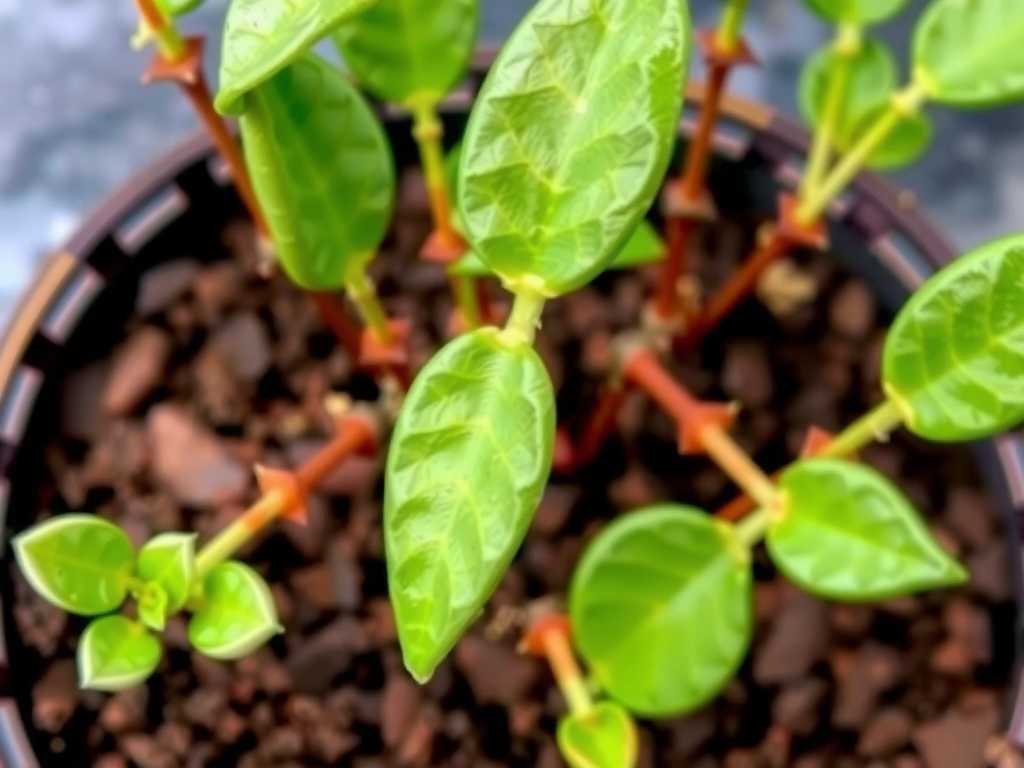
Jade plants (Crassula ovata) are succulents, masters of surviving in poor soil. But “surviving” is not the same as “thriving.” In our homes, potted in a limited amount of soil, they eventually deplete the available nutrients. Nitrogen, phosphorus, and potassium (the N-P-K on fertilizer labels) are essential for basic functions like maintaining chlorophyll (for that rich green color) and supporting cellular structure.
When a jade plant is underfertilized, it begins to cannibalize itself. It pulls nutrients, especially nitrogen and potassium, from its older, lower leaves to support new growth at the tips. This process, known as nutrient translocation, causes those older leaves to yellow, soften, and eventually detach. It’s the plant’s survival mechanism, but it leaves us with a sparse, unhappy-looking specimen.
As an expert from the Royal Horticultural Society (RHS) notes, while succulents require less feeding than fast-growing plants, “a balanced, dilute feed during the growing season can prevent nutrient deficiency symptoms, such as leaf yellowing and drop.” This perfectly describes the issue we’re tackling.
My 2-Week Rescue Mission: From Diagnosis to Recovery
Before starting, I assessed my plant. It had been in the same potting mix for over two years, showed slow growth, and the leaf drop was primarily affecting the lower, mature leaves while the new growth at the stem tips seemed pale. I documented the process meticulously.
- Day 1: Took “before” photos, noted 5-7 yellowing leaves ready to drop.
- Days 3-14: Applied the fixes below, checking soil moisture daily before any watering.
- Day 7: Noticed a halt in further yellowing. No new leaves had begun to yellow.
- Day 14: Observed firmer texture in the remaining mid-level leaves and a slight deepening of green color in new growth. The leaf drop had completely stopped.
Now, let’s dive into the five fixes that made this turnaround possible.
Fix 1: Diagnose Correctly – Is It Really Underfertilization?
The first and most crucial step is accurate diagnosis. Leaf drop can signal overwatering, pests, or insufficient light. Here’s how I distinguished underfertilization:
- The Pattern: Leaves yellowing uniformly, starting from the lower, older leaves and moving up. The leaves often feel thinner or softer, not mushy from rot.
- Growth Check: Stunted or very slow growth over the past growing season(s).
- Potting Timeline: The plant hasn’t been repotted or fed in 18-24 months.
- Rule Out Others: The soil is bone dry before watering, roots are firm (not black and soggy), and no pests are visible.
My Mistake & Solution: I initially assumed it was a watering issue. I adjusted my schedule, but the drop continued. Only after checking the other factors did I realize it was a nutrient problem. Don’t skip this step—treating for the wrong issue can make things worse.
Fix 2: Choose and Apply the Right Fertilizer Type
Not all fertilizers are created equal for jade plants. They require a balanced, gentle formula.
- The Ideal Ratio: A balanced, water-soluble fertilizer with an equal or near-equal N-P-K ratio (like 10-10-10 or 7-7-7) is excellent. Alternatively, a fertilizer formulated specifically for succulents and cacti is ideal, as it is typically lower in nitrogen and includes micronutrients.
- Application Method: Always dilute! I use half or even a quarter of the strength recommended on the bottle. My go-to method is liquid fertilizer mixed into the watering can.
- The Golden Rule: Fertilize only during the active growing season (spring and summer). Avoid feeding in fall and winter when the plant is dormant.
The Authority View: The American Horticultural Society (AHS) emphasizes the “less is more” approach for succulents, recommending “a half-strength application of a balanced fertilizer once a month in spring and summer.” This aligns perfectly with safe, effective practice.
Fix 3: Master the Fertilizing Frequency and Technique
Consistency and technique prevent shock and ensure uptake.
- My Schedule: I started my recovery plan with a single application of a diluted balanced fertilizer (7-7-7) at quarter-strength.
- Proper Technique: I watered the plant first with plain water to moisten the soil. This prevents root burn from direct contact with concentrated fertilizer in dry soil. About 30 minutes later, I applied the diluted fertilizer solution until it just began to drain from the bottom.
- Ongoing Schedule: After that initial rescue feed, I switched to a monthly feeding schedule at quarter-strength for the remainder of the growing season.
Fix 4: Optimize Your Watering Practices Post-Feeding
Watering is intrinsically linked to nutrient uptake. Roots absorb nutrients dissolved in water.
- The Soak and Dry Method: This is non-negotiable. After fertilizing, I allowed the soil to dry out completely before the next watering. I stick my finger about 2 inches into the soil—if it’s dry, it’s time to water.
- Why It Matters: This cycle prevents root rot and encourages the roots to efficiently seek out and absorb the nutrients now available in the soil. Overwatering after feeding can flush the nutrients away and cause root damage.
Fix 5: Repot for a Fresh Start (The Long-Term Solution)
Sometimes, feeding alone isn’t enough if the soil is severely depleted or has broken down.
- When to Repot: If your plant hasn’t been repotted in many years, or if the soil has become compacted and hydrophobic (repels water), it’s time.
- My Process: I used a fresh, well-draining succulent/cactus potting mix. I gently loosened the root ball, shook off about a third of the old soil, and placed it in a pot only slightly larger than the previous one. I waited a full week before watering to let any disturbed roots heal, which prevents rot.
- The Benefit: Fresh soil provides a new reservoir of nutrients and improves soil structure, making future fertilizing more effective. This was the final step in my plant’s recovery, ensuring its health for the next couple of years.
Observing the Results and Key Takeaways
Over the two weeks following the initial fertilizer application and the subsequent repot, the transformation was subtle but definitive. The progressive yellowing ceased entirely. The remaining leaves felt plumper and regained their firm, waxy texture. Most encouragingly, the new growth emerging at the stem tips was a vibrant, healthy green and appeared more robust. The plant had stopped its nutrient-cannibalizing behavior.
The key lesson I learned is that jade plants communicate their needs quietly. Leaf drop from underfertilization is a slow plea for help, not a crisis. A gentle, consistent, and correct feeding regimen is the cornerstone of moving your plant from mere survival to vibrant growth.
Frequently Asked Questions
Can I use leftover houseplant fertilizer on my jade plant? You can, but with caution. If it’s a balanced formula (like 10-10-10), dilute it to half or quarter strength. Avoid high-nitrogen fertilizers (like those for foliage plants) as they can promote weak, leggy growth in succulents. A dedicated cactus/succulent fertilizer is always the safest bet.
How soon after fertilizing should I see improvement in leaf drop? Stop the progression of symptoms (new yellowing) can be seen within 1-2 weeks, as the plant stops redirecting nutrients from old leaves. However, seeing significant new, healthy growth and a full recovery in the plant’s overall color may take a full growing season of consistent, gentle feeding. Patience is essential.
My jade plant is dropping leaves, but I fertilize it regularly. What’s wrong? This is a critical red flag. Regular fertilization combined with leaf drop often points to overwatering, which leads to root rot. The damaged roots cannot absorb nutrients or water, mimicking deficiency symptoms. Immediately check the roots for softness and discoloration, and ensure you are letting the soil dry thoroughly between waterings. It’s also possible you are using too strong a fertilizer, causing root burn.





