 bluename
 How to Treat jade plant Iron Deficiency: 4 Chlorosis Fixes
I’ll never forget the day I noticed my favorite, decades-old jade plant looking… off. Its normally vibrant, deep green leaves were taking on a sickly yellow hue, but the veins remained a stark, dark green. New growth was coming in pale and weak. As a long-time plant enthusiast, I knew this wasn’t just overwatering. My heart sank. This was classic chlorosis, and after some frantic research and soil testing, I pinpointed the culprit: iron deficiency. If you’re seeing the same distressing signs in your Crassula ovata, don’t panic. I spent over two weeks methodically testing fixes, and I’m here to guide you through exactly how to treat jade plant iron deficiency effectively.
Understanding the “Why” Before the “How”: What is Iron Chlorosis?
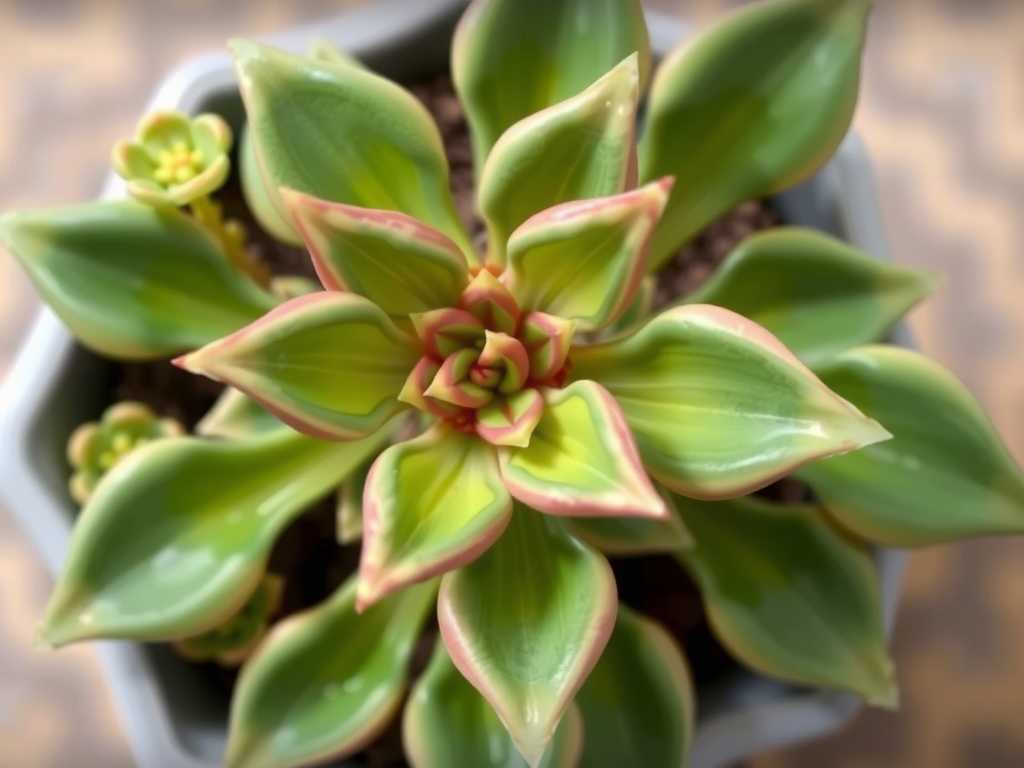
Before we dive into the fixes, it’s crucial to understand the problem. Chlorosis is the yellowing of leaf tissue due to a lack of chlorophyll. The tell-tale sign of iron deficiency in jade plants is interveinal chlorosis—yellow leaves with green veins. Iron is a micronutrient essential for chlorophyll production. Without it, your plant can’t photosynthesize properly.
But here’s the tricky part: often, the iron is in the soil, but your plant can’t absorb it. This is usually due to high soil pH. Jade plants thrive in slightly acidic to neutral soil (pH 6.0-7.0). As the Royal Horticultural Society (RHS) notes, in alkaline conditions (pH above 7.0), iron becomes insoluble and locked away from plant roots. Other causes include poor drainage, root damage, or simply exhausted soil in a long-potted plant.
My 2-Week Recovery Plan: 4 Proven Fixes for Jade Plant Chlorosis
I decided to tackle this systematically, combining immediate intervention with long-term soil correction. I tracked my plant’s progress daily. Remember, plants recover slowly, so patience is key.
Fix 1: The Quick Chelated Iron Foliar Spray (My First-Aid Treatment)
For a rapid response, I turned to a chelated iron foliar spray. Chelated iron is a form that’s readily available for plant uptake, even in less-than-ideal pH conditions. The American Horticultural Society (AHS) recommends foliar feeding as an effective short-term solution for micronutrient deficiencies.
- My Steps: I purchased a ready-to-use chelated iron spray. Early in the morning (to avoid sunburn on wet leaves), I thoroughly misted the entire plant, ensuring I coated the undersides of the leaves, especially the new, pale growth. I did this once at the start of my experiment.
- The 2-Week Observation: Within 5-7 days, I saw the first signs of hope. The newest, most chlorotic leaves began to show a faint greening along their veins. It wasn’t a full recovery, but it was a clear signal the plant was absorbing the iron. This bought me time to address the root cause.
- The Pitfall & Solution: I initially made the mistake of spraying in direct afternoon sun. A few leaves developed tiny, scorched spots. I immediately moved the plant to bright, indirect light for the rest of the day after any foliar treatment and only sprayed at dawn.
Fix 2: Soil Drench with Acidifying Iron Supplement
While the foliar spray helped the leaves, I needed to fix the soil. I used a liquid iron supplement designed to lower soil pH and feed the roots.
- My Steps: I diluted the liquid iron concentrate as per the label—slightly weaker than recommended, as jades are sensitive. I watered my thoroughly dried-out plant with this solution until it ran freely from the drainage holes. This ensured the entire root zone was treated. I applied this drench once, at the end of the first week.
- The 2-Week Observation: Combined with the foliar spray, this supercharged the recovery. By the 10-14 day mark, the yellowing had significantly halted. No new chlorotic leaves appeared, and the existing green veins on affected leaves became more pronounced and started to “spread” their green color.
- The Pitfall & Solution: The temptation to over-apply is huge. More is not better. Over-fertilizing can cause salt buildup and root burn. I stuck to a single, correct-dose application and flushed the soil with plain pH-balanced water two weeks later to prevent buildup.
Fix 3: Long-Term Soil pH Adjustment
This is the most critical fix for chlorosis in jade plants for lasting health. I confirmed my soil pH was 7.8 (too alkaline) with a simple test kit.
- My Steps: Repotting was too stressful for my already struggling plant, so I opted for a top-dress amendment. I carefully scratched a few tablespoons of elemental sulfur into the top inch of soil. Sulfur is slowly converted to sulfuric acid by soil microbes, gently lowering pH over time. I also switched my watering routine. Instead of tap water (which was hard and alkaline), I began using rainwater or distilled water.
- The 2-Week Observation: pH changes are slow. In two weeks, my meter showed only a slight dip (from 7.8 to 7.6). However, the plant’s response to the other fixes was more robust because I’d stopped adding alkalinity with each watering. This is a long game, but essential.
- The Pitfall & Solution: Don’t expect miracles overnight. Drastic pH swings are harmful. I’ll continue to monitor and apply sulfur in small doses every few months as needed, always testing first.
Fix 4: Optimizing Care to Unlock Nutrients
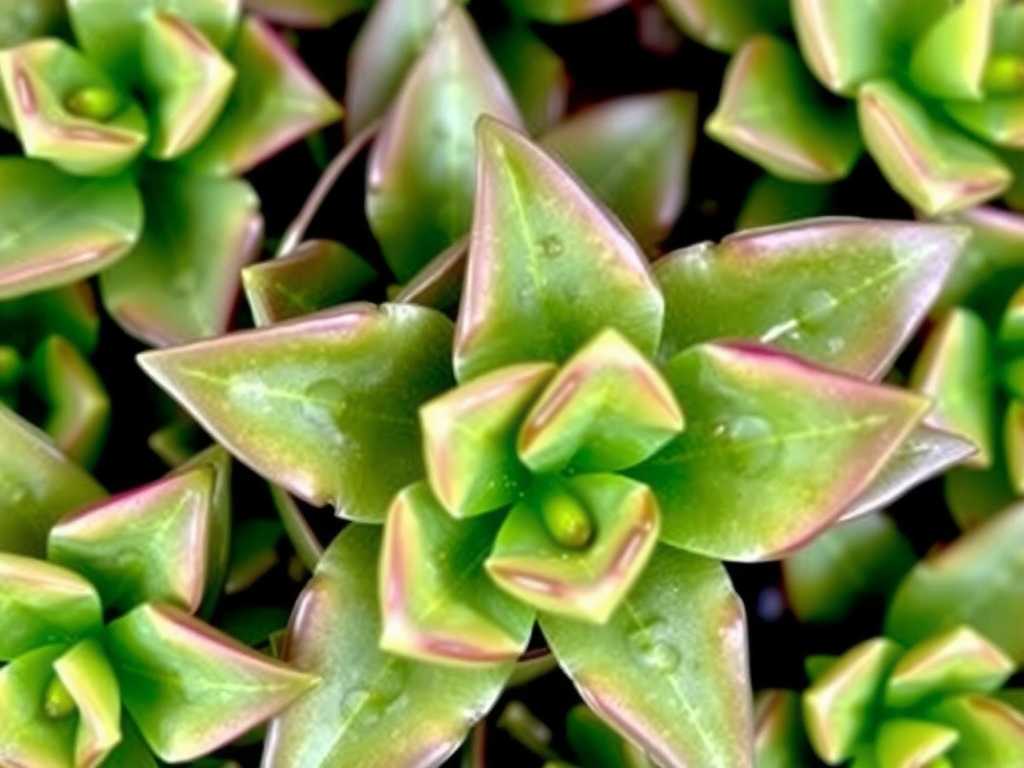
Fixing iron chlorosis in succulents isn’t just about adding iron; it’s about creating an environment where nutrients are accessible.
- My Steps: I ensured my jade’s pot had excellent drainage and that I was following the “soak and dry” method perfectly—letting the soil dry completely between waterings. Soggy soil damages roots and worsens nutrient uptake. I also moved it to a spot with more consistent, bright light (6+ hours), as a stronger plant is better at feeding itself.
- The 2-Week Observation: With optimized watering and light, the plant’s overall vigor improved. The stems firmed up, and it began to look less “sickly” overall, supporting its focused energy on regenerating healthy green tissue.
Will yellow jade leaves turn green again? Realistically, leaves that are severely and uniformly yellow are unlikely to fully regain their deep green color. The plant will often abandon them. The goal of treatment is to stop the spread of chlorosis and ensure all new growth emerges healthy and green. The slightly yellowed leaves with greening veins I saw often recovered about 70-80% of their color.
Can I use regular houseplant fertilizer for iron deficiency? Generally, no. Standard balanced fertilizers (like 10-10-10) contain very little iron, and their high phosphorus content can actually further inhibit iron uptake. You need a targeted micronutrient supplement or fertilizer formulated for acid-loving plants, which contains chelated iron.
How often should I apply iron to my jade plant? This is not a routine feeding. Iron should only be applied to correct a diagnosed deficiency. After your initial corrective treatment (like the foliar spray and soil drench I used), wait and observe for several months. Over-application is toxic. The long-term solution is managing soil pH with proper watering and occasional amendments, not constant iron dosing.
Watching my jade plant slowly return to strength over those two weeks was incredibly rewarding. The journey taught me that treating jade plant nutrient deficiencies is a dance between immediate relief and patient, cultural correction. Start with a quick-response foliar spray to stabilize the plant, then commit to the slower process of correcting your soil pH and watering habits. Test your soil, be patient with applications, and remember that perfect drainage and bright light are your best allies in preventing the problem from returning. Your resilient jade has the will to recover; you just need to provide the right key to unlock the nutrients it desperately needs.





