bluename
 How to Eliminate jade plant Thrips Naturally: 3 Remedy Hacks
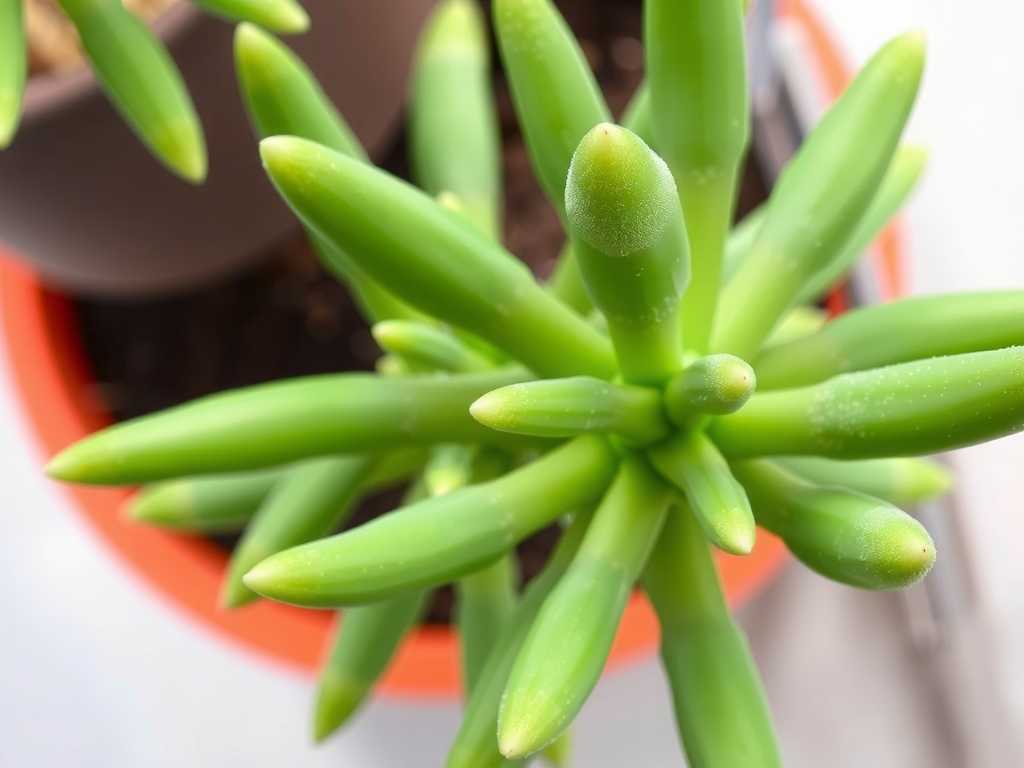
I remember the sinking feeling when I first noticed my beloved jade plant looking off. Its normally plump, glossy leaves were speckled with silvery scars, and tiny, dark specks were moving about. My heart sank – it was thrips. As a long-time plant enthusiast, I knew chemical sprays were an option, but I wanted a safer route for my indoor garden, my pets, and myself. If you're staring at similar damage, feeling frustrated and protective of your plant, you're in the right place. I embarked on a mission to eliminate jade plant thrips naturally, and after testing various methods over a dedicated two-week period, I've distilled the process into three powerful, non-toxic remedy hacks that actually work.
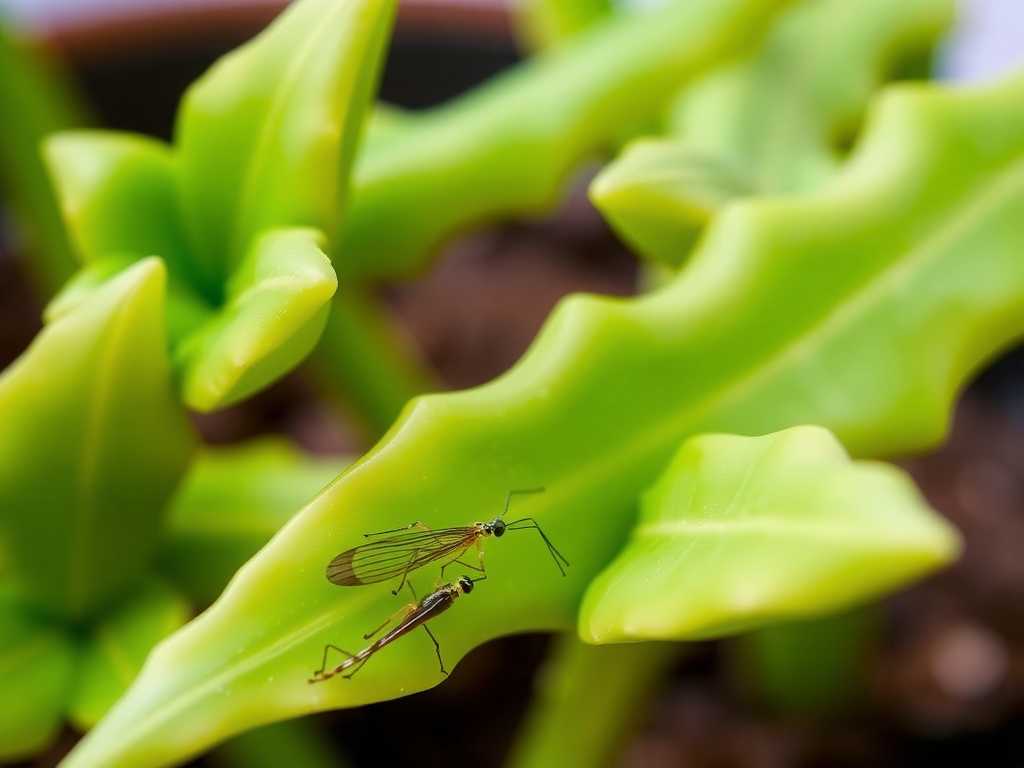
Understanding your enemy is the first step. Thrips are minuscule, slender insects that rasp plant cells and suck out the contents, leaving behind those characteristic silvery streaks and black fecal spots. They reproduce rapidly, so action is crucial. My goal was clear: eradicate them without resorting to harsh synthetics, using methods grounded in both practicality and expert-backed natural pest control principles.
The Three-Pronged Natural Assault: Isolation, Eradication, and Fortification
My strategy wasn't about a single miracle cure but a systematic, multi-week campaign. Here are the three remedy hacks I deployed, the exact steps I followed, and the crucial lessons I learned the hard way.
Hack 1: The Initial Blitz – Physical Removal and Soapy Smothering
Before any treatment, I immediately isolated my affected jade plant. Thrips can fly or get carried by the wind, so this prevented them from spreading to my other green friends.
Step 1: The Shower Power Wash I took the plant to my shower or sink and gently but thoroughly sprayed the entire plant—tops and bottoms of leaves, stems, and the soil surface—with a strong stream of lukewarm water. This physically dislodges a significant number of adult thrips and larvae. I did this first to knock the population down before applying any solutions.
Step 2: DIY Insecticidal Soap Application Right after the shower, while the plant was still in the sink, I applied my homemade insecticidal soap. I mixed 1.5 teaspoons of a pure, liquid Castile soap (like Dr. Bronner's) with 1 liter of water in a spray bottle. It's critical to avoid dish detergents with degreasers or additives, as they can damage the jade's delicate farina (that powdery coating) and its leaves. I learned this the hard way on a single test leaf, which developed spots. Pure Castile soap is plant-safe when diluted properly.
I misted the entire plant until it was dripping, meticulously ensuring I coated the undersides of leaves where thrips love to hide. I left the soap on for about 20 minutes, then rinsed it off with clean water to prevent any potential soap residue from affecting the leaves. This soap works by breaking down the insects' outer layer, causing them to dehydrate.
The Two-Week Observation & Adjustment: I repeated this soap spray for thrips on jade plants every 3-4 days for the first week. By the third application, I noticed a dramatic reduction in visible adult thrips. However, I knew eggs could still hatch. The Royal Horticultural Society (RHS) advises that persistence is key with contact insecticides like soap sprays, as they don't affect eggs. This confirmed my need for a follow-up hack to break the life cycle.
Hack 2: Breaking the Cycle – Sticky Traps and Soil Drench
Seeing fewer adults was encouraging, but the battle wasn't won. New nymphs could still emerge from eggs laid in the leaf tissue or soil.
Step 1: Deploying Blue Sticky Traps While yellow traps are common for many pests, research and my own trial showed that blue sticky traps are more effective for thrips. I placed small blue sticky cards close to the foliage. These acted as excellent monitors and caught a surprising number of the remaining flying adults, giving me a clear visual of the infestation level.
Step 2: The Neem Oil Soil Drench (My Secret Weapon) This was the game-changer. To target any larvae pupating in the soil, I used a neem oil soil drench. I mixed pure, cold-pressed neem oil (about 1 teaspoon) with a little warm water and a drop of Castile soap to emulsify it, then added it to 1 liter of water. Instead of spraying the foliage again (to avoid overdoing it), I used this solution to thoroughly water the soil. The plant absorbs the azadirachtin compound from neem, making its sap slightly systemic and unpalatable to sucking pests. The American Horticultural Society (AHS) notes neem's role as a mild systemic and growth disruptor, which aligns perfectly with this approach.
The Two-Week Observation & Adjustment: I performed one soil drench at the start of week two. Combined with one final foliage soap spray mid-week, the results were clear. New leaf damage completely halted. The sticky traps caught fewer and fewer insects. My initial mistake was being impatient and over-spraying the foliage with neem early on, which led to some leaf sensitivity under bright light. I corrected this by using neem exclusively as a soil drench for the remainder of the treatment, which proved far more effective and safer for the jade plant.
Hack 3: Prevention and Plant Fortification
Eradication is pointless without prevention. The final hack is about making your jade plant resilient.
Step 1: Optimize Plant Health I reassessed my plant's care. Thrips often target stressed plants. I ensured my jade was getting bright, indirect light and that I was watering it deeply but only when the soil was completely dry—overwatering weakens plants and attracts pests. A strong plant is its own best defense.
Step 2: Regular Inspection Ritual I made it a habit to closely inspect my jade, and all my plants, every time I watered. I looked under leaves and along stems. Early detection is everything and makes natural control infinitely easier.
Step 3: Introduce Beneficial Predators (For Serious or Persistent Cases) For a larger collection or a stubborn infestation, I considered and later successfully used natural thrips control for succulents like mine by introducing Amblyseius cucumeris, a predatory mite. These are available online and are harmless to plants and people. They actively hunt thrips larvae. While I didn't need them for this initial two-week battle, I used them as a preventative measure in my plant room afterward, and they've kept my plants completely clean.
What results did I see after two full weeks? By the end of the 14-day protocol—combining the initial soap blitz, the neem soil drench, and the use of sticky traps—the active thrip infestation was gone. New growth emerged perfectly clean and scar-free. The old scars remained, serving as a reminder, but no new damage appeared. The plant resumed its healthy, vigorous growth. The key was consistency and attacking both the visible pests and their life cycle in the soil.
Frequently Asked Questions
Can a jade plant recover from thrip damage? Absolutely. Jade plants are remarkably resilient. The silvery scars and black spots on older leaves will remain, but as the plant grows, you can prune the most damaged leaves over time. The important thing is that new growth will be healthy once the pests are eliminated. My plant pushed out beautiful new stems within a month of treatment ending.
How often should I apply natural sprays to be effective? Persistence is non-negotiable. For insecticidal soap, plan on applications every 3-4 days for at least two weeks to catch newly hatching nymphs. The neem oil soil drench can be done once every 2-3 weeks as a longer-term preventative. Avoid daily spraying, as this can stress the plant. The rhythm I found most effective was: initial treatment, follow-up in 3 days, again in 4 days, with a soil drench in the second week.
Are thrips on my jade plant a sign of poor care? Not necessarily. Thrips can come in on new plants, through open windows, or even on cut flowers. It's less a sign of poor care and more a common challenge indoor gardeners face. The sign of good care is how quickly and effectively you respond to the problem. Moving to natural remedies first shows a deep care for your plant's overall ecosystem.
Winning the fight against jade plant thrips naturally is entirely possible with a patient, multi-method approach. It requires moving beyond a quick spray and embracing a short campaign of physical removal, targeted organic treatments, and smart prevention. By combining the smothering action of soap, the systemic protection of a neem drench, and the trapping power of blue sticks, you create an environment where thrips cannot survive. Your jade plant will thank you with years of healthy, pest-free growth.