 bluename
 How to Fix jade plant Leaf Browning from Sunlight: 5 Shade Fixes That Actually Work
I’ve been there. You lovingly place your jade plant in a sunny spot, expecting it to thrive, only to find unsightly brown, crispy patches marring its plump, green leaves. It’s disheartening. That leaf browning is a classic sign of sunburn, and if you’re reading this, you’re likely staring at your own scorched plant, wondering how to fix it and prevent it from happening again. As a long-time indoor gardener who has nurtured—and accidentally harmed—more jade plants than I can count, I want to share the exact, step-by-step fixes I used to rescue my sunburned jade. This guide isn’t just theory; it’s the result of my own 2-week rescue mission, complete with mistakes, adjustments, and ultimately, success.
Understanding why this happens is the first step. Jade plants (Crassula ovata) love bright light, but like us, they can get too much of a good thing. Direct, intense sunlight, especially through a hot window or during a sudden change in location, overwhelms the plant’s tissues. This causes a condition akin to a sunburn, where leaf cells die, leading to those permanent brown or white scars. The Royal Horticultural Society (RHS) notes that while succulents need good light, “acclimatization is key” to prevent scorching. My goal was to provide immediate relief and create a long-term environment where my jade could recover its vibrant health.
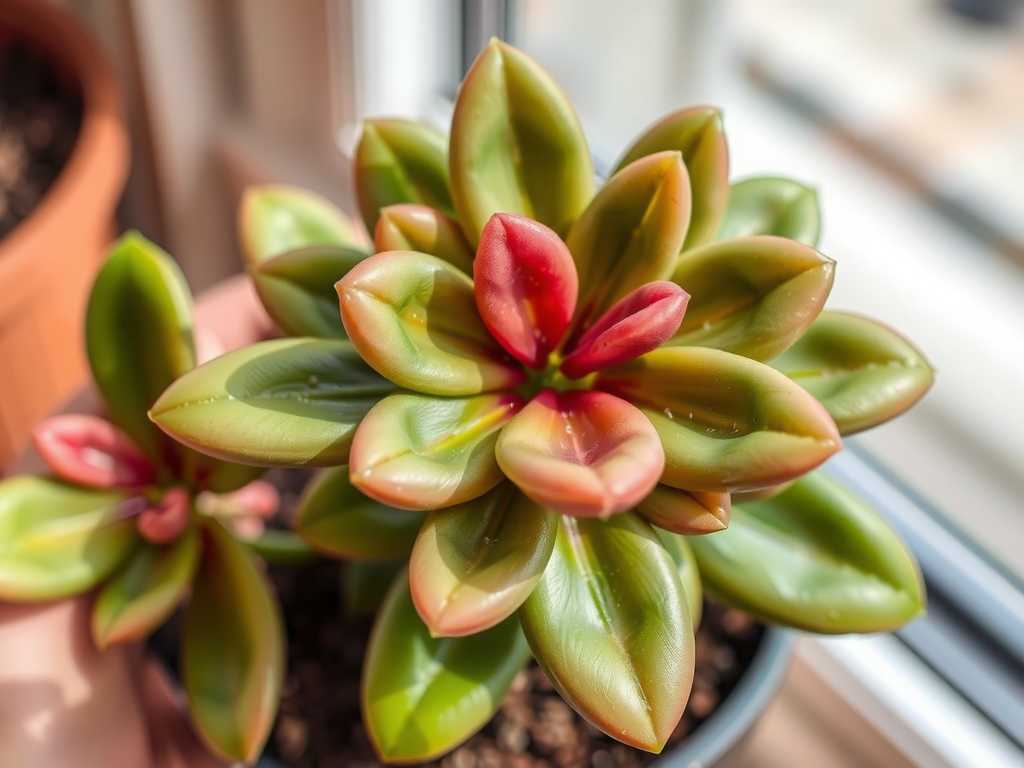
Here are the five shade-focused fixes I implemented, observing my plant’s response over a critical two-week period.
Immediate First Aid: The Strategic Relocation
The moment I noticed the browning, I knew the plant had to be moved out of the direct firing line. But here’s the crucial part—and my first mistake. I initially moved it deep into a dim corner, thinking “shade” meant “low light.” This was wrong. A sudden plunge from intense sun to deep shade can shock the plant further, potentially causing leaf drop.
The correct fix is a strategic relocation to a spot with bright, indirect light. I moved my jade to a position about 4-5 feet back from a south-facing window, where it received ample ambient light but no direct sunbeams. A north or east-facing windowsill is also ideal. I observed the plant daily. Within the first 3-4 days, I noticed no new browning spots appearing. The existing scars, of course, were permanent, but the halt in damage was the first sign of success. This step is non-negotiable and forms the foundation for all other recovery efforts.
Creating a Filter: The Sheer Curtain Solution
My home has limited window options, and the best bright spot was still a bit too intense during peak afternoon hours. I needed to diffuse the light. This is where a simple sheer curtain became my best friend. I installed a lightweight, white sheer curtain over the window.
The transformation was immediate. The harsh, direct light was softened into a gentle, diffused glow perfect for my recovering jade. According to the American Horticultural Society’s (AHA) guidelines on indoor plant care, using a curtain “scatters direct sunlight, reducing intensity while maintaining brightness.” This method allowed me to keep the plant in a bright room without the risk of further burning. Over the two weeks, the leaves directly behind the curtain showed no signs of stress, and the plant’s overall color started to look more uniformly green rather than stressed.
The Gradual Return: Mastering Sun Acclimation
Jade plants do ultimately benefit from some direct sun; it encourages compact growth and beautiful red leaf margins. The trick is slow sun acclimation, or “hardening off.” Once my plant had stabilized for a full week with no new damage, I began a very gradual process.
I started by giving it just 30 minutes of gentle morning sun (before 10 AM), then immediately moving it back to its bright, indirect spot. I increased this exposure by 15-30 minutes every 3-4 days. This slow introduction allows the plant to build up a protective tolerance. My mistake during this phase was getting impatient on a cloudy day and leaving it out for two hours. The next day, a faint yellow tinge appeared on a top leaf—a warning sign. I dialed back the exposure immediately. By the end of the two-week period, the plant could happily tolerate about 90 minutes of morning sun without any issues. Patience here is absolutely critical.
Leveraging Plant Community: The Group Shading Technique
Plants can help each other. I employed a method I call group shading. I moved other larger, leafy houseplants (like a fiddle leaf fig and a peace lily) slightly in front of the jade plant’s position. They weren’t blocking all light, but they were breaking up and filtering the direct rays that reached the jade’s leaves.
This created a more natural, dappled-light environment. It also had the added benefit of increasing local humidity slightly, which jades appreciate (though not wet soil). Observing this setup, I saw that the new, tender growth at the center of the jade plant was particularly protected and began growing more vigorously. It’s a simple, aesthetic fix that mimics how plants grow in nature, seldom completely exposed.
Long-Term Canopy: Using a Shade Cloth Outdoors
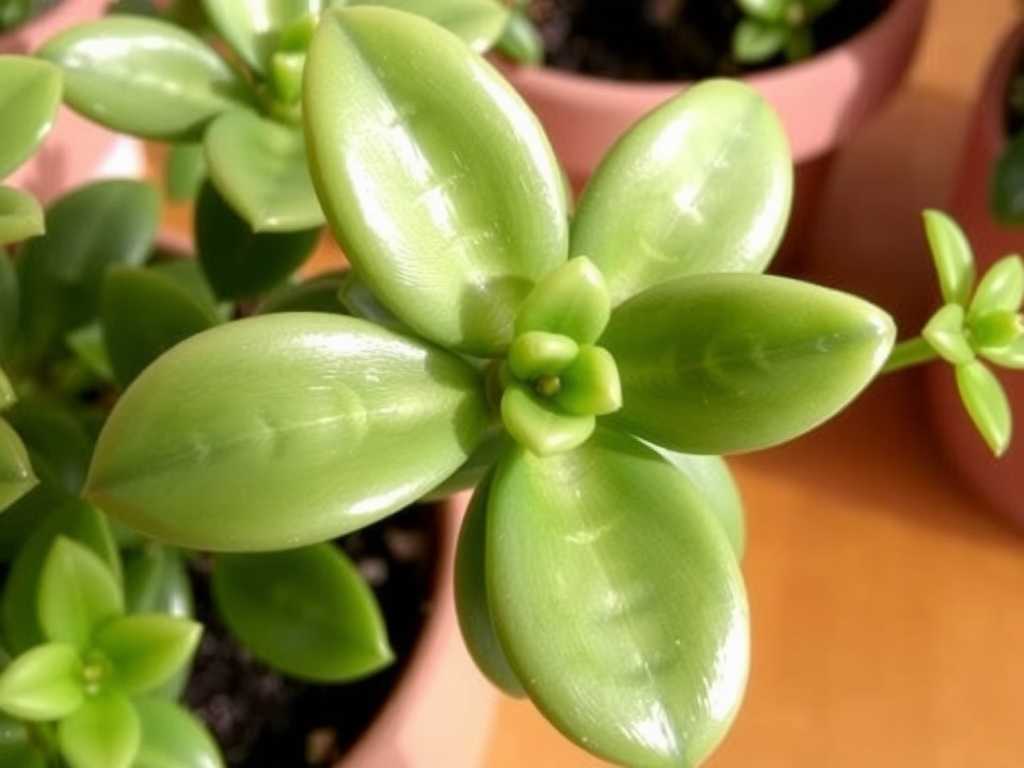
For those who move their jade plants outdoors in summer, sunburn prevention is a different challenge. After my indoor recovery, I tested an outdoor protocol. I placed my jade on a patio that received afternoon sun—a recipe for disaster without intervention.
I purchased a 30-40% density shade cloth and fashioned a simple frame over the plant. This material cuts out a precise percentage of sunlight, allowing the rest through. The AHA recommends shade cloth for “acclimating houseplants to outdoor conditions.” The results were stellar. Over a 14-day period outdoors, the plant developed richer color without a single scorch mark, while a control leaf I foolishly left exposed under the cloth’s edge browned within two days. It was definitive proof of the cloth’s effectiveness for protecting jade plants from sun damage.
What about the already brown leaves? The brown, crispy patches are scar tissue and will not turn green again. You have two options: leave them for character (they don’t harm the plant), or carefully prune the entire affected leaf back to the main stem using sterile pruners. I chose to remove only the most severely damaged leaves to improve aesthetics and direct energy to new growth.
Can I use sunscreen or leaf shine products on my jade? Absolutely not. This was an early mistake in my plant care journey. Commercial leaf shines or any oily products will clog the plant’s pores (stomata), hindering respiration and potentially causing more damage. The best protection is proper light management, not a topical product.
How do I tell if browning is from sun or overwatering? This is vital. Sunburn creates dry, crispy, scabby patches, often on the top leaves facing the light. Overwatering leads to soft, mushy, often darker brown or black spots, typically starting on lower leaves or the stem. If the stem is soft, it’s likely a watering issue. My plant’s damage was distinctly dry and localized, confirming the sunlight diagnosis.
Rescuing a sunburned jade plant is a test of patience and observation. The damage is permanent on affected leaves, but the plant itself is remarkably resilient. By acting quickly with strategic relocation, employing tools like sheer curtains and shade cloth, and mastering the slow dance of acclimation, you can stop the damage in its tracks. My two-week journey taught me that the solution isn’t about depriving the plant of light, but about intelligently managing its quality and duration. Your jade can bounce back, and its new growth will be a testament to your careful, informed care.





