 bluename
 How to Treat jade plant Phosphorus Deficiency: 4 Flower-Boosting Fixes
I’ve always been proud of my jade plant, a sturdy companion that seemed to thrive on neglect. But last year, it hit a wall. Despite plenty of sunlight, its growth stalled, and the few leaves it produced were small and dull. The real heartbreaker? Not a single flower bud appeared. I was missing the beautiful, starry blooms that make a mature jade plant so special. After some frantic research and talking to fellow enthusiasts, I pinpointed the likely culprit: phosphorus deficiency. If your jade plant looks lackluster and refuses to flower, you might be facing the same issue. This guide is the result of my two-week journey to diagnose and fix this problem, sharing the exact steps that finally coaxed my plant back to health and into bloom.
Understanding the Role of Phosphorus for Your Jade Plant
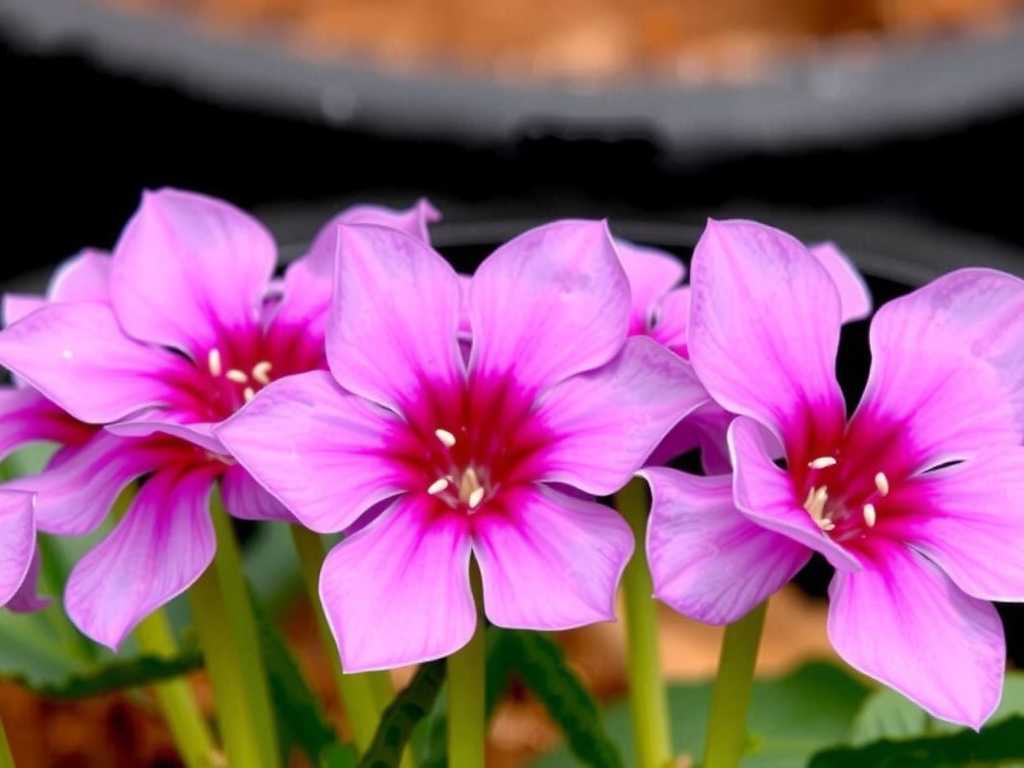
Phosphorus is a crucial macronutrient, often called the “flowering nutrient” for good reason. While nitrogen promotes lush, green leaf growth, phosphorus is essential for energy transfer, root development, and, most importantly, the formation of flowers and fruits. The Royal Horticultural Society (RHS) notes that phosphorus is vital for all flowering plants to develop strong blooms. For a jade plant, a lack of phosphorus means it simply won’t have the resources to initiate its flowering cycle. The plant may survive, but it won’t truly thrive or show off its full potential.
How I Diagnosed Phosphorus Deficiency in My Plant
Diagnosis is the first critical step. Phosphorus deficiency symptoms can be subtle and are often confused with other issues. Here’s what I observed in my plant over a week of close inspection:
- Stunted Growth and Weak Stems: New growth was practically nonexistent. The stems seemed weaker, unable to support the plant’s weight as robustly as before.
- Discolored, Dull Leaves: The classic deep, rich green of the leaves faded. They developed a darker, almost bluish or purplish tint, particularly on the undersides and edges of older leaves. This purpling is a key indicator, as highlighted in several plant physiology guides.
- Lack of Flowering: This was the biggest sign. My plant was over four years old—well past the age to bloom—but showed zero signs of bud formation.
- Poor Root Development: When I carefully tipped the plant out of its pot, I saw the root system was sparse and not as extensive as I expected for a plant of its size.
It’s important to rule out other problems. Cold temperatures can also cause purpling, but my plant was in a consistently warm spot. I confirmed it wasn’t overwatering (the primary jade plant killer) by checking the soil moisture deeply.
My 4-Step Recovery Plan: Fixing Phosphorus Deficiency
Armed with a diagnosis, I implemented a four-part recovery plan. I committed to monitoring my plant daily and noting changes over the following two weeks.
Step 1: The Right Fertilizer – Choosing a Bloom Booster
The most direct fix is to provide phosphorus. I immediately stopped using the balanced, all-purpose fertilizer I had been occasionally applying. Instead, I sought out a fertilizer with a higher middle number in the N-P-K ratio. I settled on a water-soluble “bloom booster” formula with a ratio of 10-30-20. The high phosphorus (P) value was exactly what I needed.
- My Mistake and Fix: My first error was applying it at full strength. Within two days, I noticed slight leaf tip burn. I flushed the soil with plain water to dilute any excess and, for all subsequent feeds, diluted the fertilizer to half the recommended strength. The American Horticultural Society (AHSA) advises that with container plants, “less is often more” to avoid salt buildup and root damage.
Step 2: Soil pH Adjustment for Better Uptake
This was the step I initially overlooked, and it’s crucial. Jade plants prefer a slightly acidic to neutral soil pH (around 6.0 to 7.0). If the soil is too alkaline, the plant cannot absorb phosphorus efficiently, even if it’s present in the fertilizer. I used a simple home testing kit and found my soil was leaning towards 7.5.
To gently lower the pH, I used a diluted vinegar solution for one watering (1 tablespoon white vinegar per gallon of water). For a more stable, long-term adjustment, I repotted the plant into a fresh, well-draining succulent mix after the two-week recovery period, which naturally had a more suitable pH.
Step 3: Optimizing the Root Environment
Healthy roots are needed to absorb the new nutrients. I assessed my plant’s living conditions:
- Pot Check: The pot had adequate drainage holes. I made sure to empty the saucer underneath after every watering to prevent “wet feet,” which can cause root rot and block nutrient uptake.
- Soil Aeration: The soil had become slightly compacted. I gently aerated the top layer with a chopstick, being careful not to damage major roots, to improve oxygen flow to the root zone.
Step 4: The Perfect Support System: Light and Water
Nutrients alone aren’t enough. Phosphorus needs partners to work.
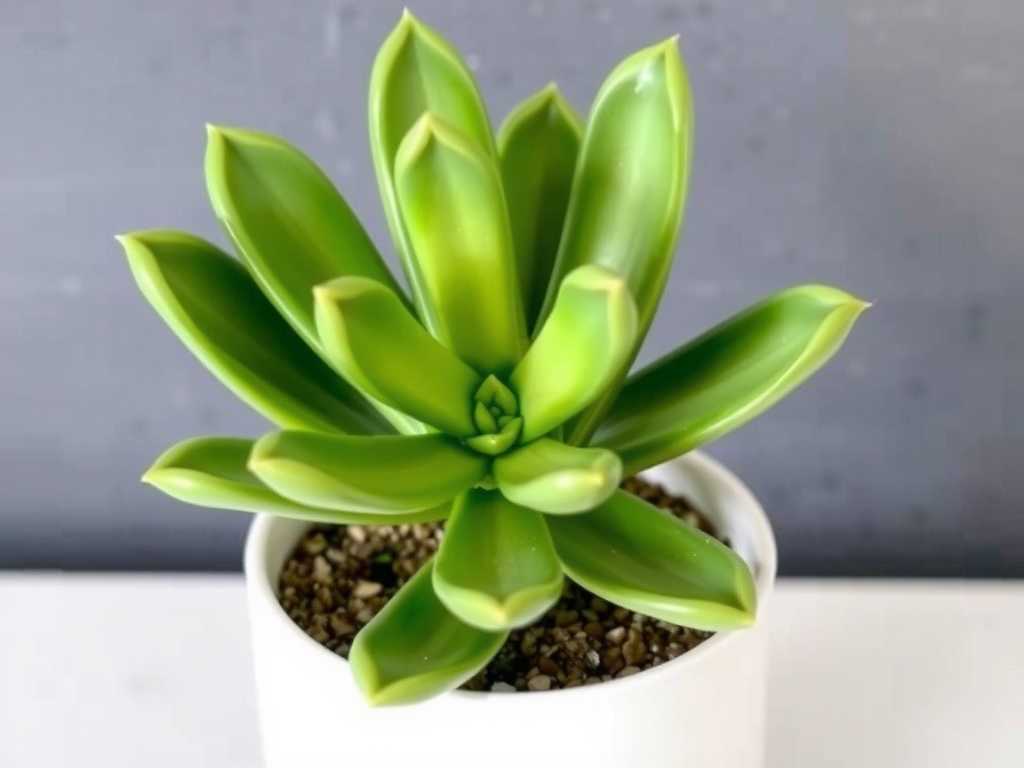
- Maximizing Light Exposure: I moved my jade plant to the brightest spot in my home, a south-facing window where it received at least 4-6 hours of direct sunlight daily. Ample light is the trigger that tells the plant to use its phosphorus reserves for blooming.
- Perfecting the Watering Schedule: I adhered strictly to the “soak and dry” method. I would water thoroughly until it ran out the drainage holes, then allow the soil to dry out completely before even thinking about watering again. This cycle prevents root stress and supports efficient nutrient use.
The Two-Week Transformation: What I Observed
The changes weren’t overnight, but they were steady and clear.
- Days 1-5: After the initial fertilizer correction (half-strength) and pH adjustment watering, I saw no negative progression. The leaf purpling stopped spreading.
- Days 6-10: A noticeable change! The overall dullness of the plant began to fade. The leaves started to regain a healthier, greener hue from the center outwards. I spotted tiny, bright green growth points at the tips of several branches.
- Days 11-14: The new growth was undeniable. Several small, firm pairs of leaves emerged. Most excitingly, at the very tips of a few mature branches, I began to see the tiniest, nodule-like formations that I recognized from experience as the very early beginnings of flower buds. The plant just looked happier and more vigorous.
Common Questions from Fellow Plant Lovers
Can I use bone meal for my jade plant's phosphorus deficiency? Yes, bone meal is an excellent organic source of phosphorus. However, it acts slowly, breaking down over months in the soil. For a quick correction of a visible deficiency, I found a liquid bloom booster more effective. You can use bone meal as a long-term soil amendment during repotting for sustained phosphorus release.
How often should I fertilize my jade plant to encourage blooming? During the active growing season (spring and summer), I now feed my jade plant with a half-strength, high-phosphorus fertilizer every 4-6 weeks. I stop all fertilization in late fall and winter when the plant is dormant. Over-fertilizing, especially with nitrogen, will push leaf growth at the expense of flowers.
My jade plant has phosphorus but still isn’t flowering. What else could it be? Age, light, and stress are key factors. A jade plant typically needs to be 3-4 years old to bloom. Insufficient light is the most common barrier—these plants need several hours of direct sun daily to trigger flowering. Additionally, a slight degree of “stress” from being slightly root-bound and having consistent dry periods between waterings can signal to the plant that it’s time to reproduce (flower).
Watching my jade plant transform from a stagnant, dull specimen into a vibrant, budding one was incredibly rewarding. The process taught me that plant care is about providing a complete, balanced environment. Fixing a phosphorus deficiency isn’t just about adding a fertilizer; it’s about ensuring the soil pH allows for uptake, that the roots are healthy to absorb it, and that the plant has enough light to utilize that energy for creating beautiful blooms. By following these focused steps—correct fertilizer, proper pH, root care, and ideal light—you give your jade plant the specific support it needs to overcome its nutritional block and finally unleash its flowering potential.





